

If you’ve stumbled across a sleek ad for LungExpand Pro, you’ve probably heard bold promises: improved breathing, restful sleep, better energy, and relief from chronic respiratory issues — all thanks to a few natural ingredients packed into a capsule.
The claims sound almost magical, especially for anyone dealing with asthma, bronchitis, or lingering lung issues after illness. But here’s the question that really matters: Is LungExpand Pro legit, or just another overhyped supplement scam?
In this article, we’ll break it all down. From the science behind the ingredients to the marketing strategies and customer reviews, this guide gives you everything you need to know before you consider adding this supplement to your daily routine.
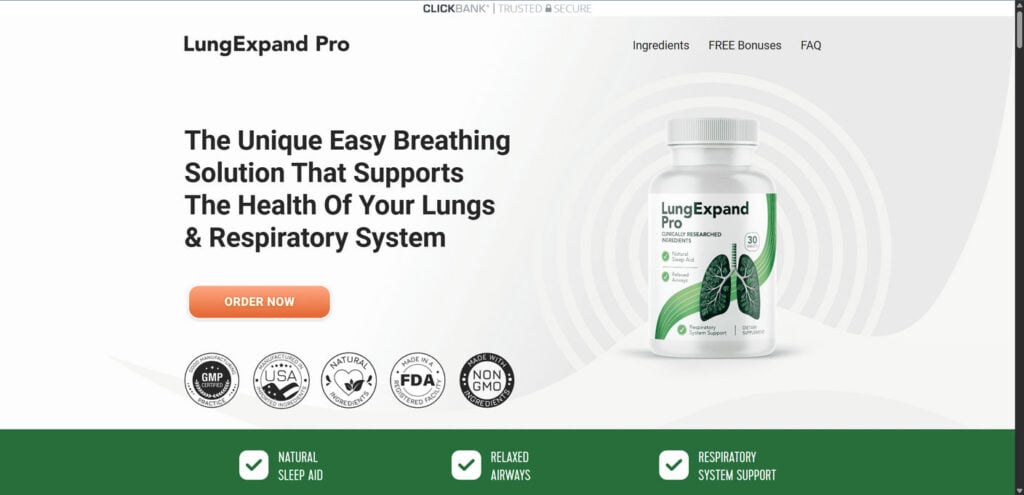
What Is LungExpand Pro?
LungExpand Pro is marketed as a natural lung support supplement designed to help users breathe easier, boost oxygen intake, and enjoy improved respiratory function. According to its promotional materials, it combines herbal extracts and enzymes in an “optimally dosed proprietary blend.”
The product promises to:
- Clear mucus
- Reduce wheezing and coughing
- Improve breathing capacity
- Support lung and heart function
- Reduce fatigue related to poor oxygen intake
The company also claims that the supplement is:
- All-natural
- Non-GMO
- Free of stimulants
- Manufactured in an FDA-registered facility
The suggested retail price is $99 per bottle, but heavy discounts are offered — including “limited-time” bundles and bonuses to create urgency and push bulk orders.
Ingredient Breakdown: What’s Inside LungExpand Pro?
The formula includes a proprietary blend of herbs, enzymes, and vitamins. Let’s take a closer look at the key ingredients and assess their clinical relevance.
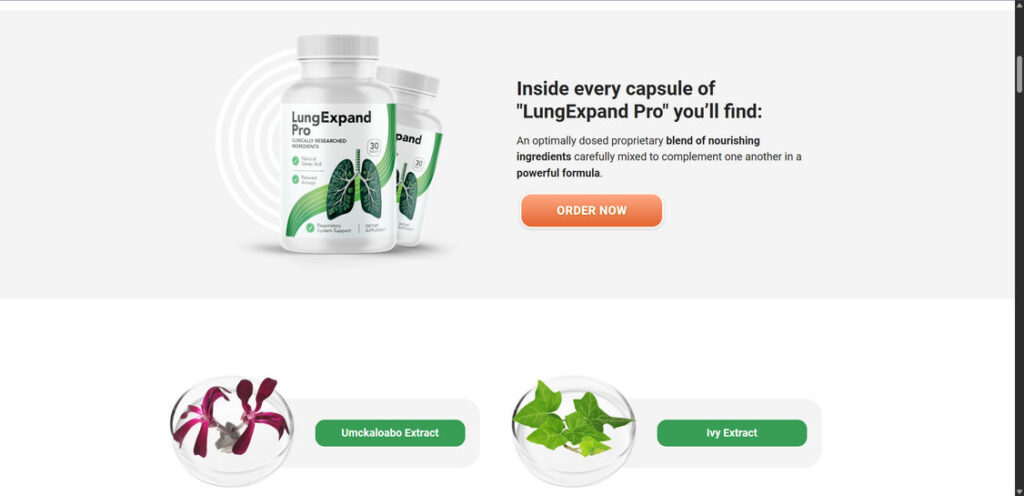
1. Umckaloabo Extract (Pelargonium sidoides)
Often used in traditional African medicine, this extract is promoted for relieving symptoms of respiratory infections like bronchitis.
- Scientific support: Some studies suggest it may reduce the severity and duration of acute bronchitis, but findings are inconsistent.
- Concerns: Long-term use hasn’t been sufficiently studied. Not FDA-approved for any lung-related conditions.
2. Ivy Leaf Extract
A common ingredient in cough syrups, it’s believed to act as an expectorant.
- Scientific support: Moderate evidence shows it may help clear mucus in the airways.
- Risk: High doses may cause gastrointestinal issues.
3. Mullein Extract
Traditionally used for respiratory issues.
- Scientific support: Anecdotal at best. There is limited research confirming its effectiveness in treating lung conditions.
- Regulation: Not FDA-approved for therapeutic use.
4. Coltsfoot Extract
Claims to ease coughing and inflammation.
- Scientific support: Some folk medicine backing, but limited clinical data.
- Warning: Contains pyrrolizidine alkaloids (PAs), compounds flagged as potentially toxic to the liver. Banned in several countries for internal use.
5. Serratiopeptidase
An enzyme believed to break down mucus and reduce inflammation.
- Scientific support: Used in parts of Asia and Europe for inflammation. Still not approved by the FDA for any condition.
- Safety: More research needed. May interact with blood thinners.
6. Peppermint Essential Oil
Said to have a cooling effect on the airways.
- Scientific support: Limited. May help open airways slightly when inhaled, but ingestion in capsule form shows little evidence of effectiveness.
- Note: Can be irritating for people with acid reflux.
7. Vitamin D3
Known to support immune function.
- Scientific support: Strong evidence for immune modulation, but indirect connection to lung health unless the person is deficient.
The Red Flags: Marketing Claims vs. Reality
The claims made by LungExpand Pro deserve scrutiny — especially when they touch on medical issues like asthma, COPD, and chronic bronchitis. Here are some problematic tactics to watch for.
1. Medical Claims Without FDA Approval
The site suggests LungExpand Pro may help with asthma and chronic respiratory issues. But supplements cannot legally make medical claims unless they’ve undergone FDA-approved trials.
While the company says the product is made in an “FDA-registered facility,” this does not mean the product is FDA-approved, tested, or reviewed.
2. Use of “Scientific Studies” Without Sources
LungExpand Pro references clinical studies and scientific research, but no citations are provided. When a product claims to be “backed by science” without giving links or details, it’s likely a marketing ploy.
3. Anecdotal Testimonials Masquerading as Proof
With over 12,000 “five-star reviews” claimed, LungExpand Pro presents glowing user feedback — but there’s no way to verify these reviews. No third-party platforms or neutral review aggregators have confirmed these numbers.
4. Urgency and Limited-Time Discounts
Classic sales pressure tactics are used to encourage bulk purchases:
- “Only 17 bottles left at this price!”
- “96% of customers buy 6 bottles!”
- “Act now to receive two FREE bonuses!”
This approach is typical of supplement marketing designed to increase perceived value and reduce skepticism.
LungExpand Pro Bonuses: Valuable or Just Bait?
Customers who buy six bottles receive two digital bonuses:
- Bonus #1: “Sleep Apnea Gone” Guide
- Bonus #2: “The Heart Health Blueprint”
Both are eBooks, valued at $55 each, offered for “free” to justify high order values. However, there’s no indication of who authored these guides, nor whether they’re medically reviewed.
They’re likely generic, mass-produced PDFs aimed at increasing perceived value — not authoritative health literature.
Is LungExpand Pro Safe?
The ingredients in LungExpand Pro are mostly natural, but that doesn’t mean they’re safe for everyone. Here are the key concerns:
Potential Health Risks:
- Coltsfoot: Flagged for containing toxic alkaloids. Banned in Canada, Germany, and the UK for internal use.
- Serratiopeptidase: May interfere with blood clotting or other medications.
- Peppermint oil: Can aggravate acid reflux or cause allergic reactions in sensitive individuals.
People with existing respiratory conditions, liver issues, or those on blood thinners should consult a healthcare provider before trying this supplement.
What Are Real Customers Saying?
Despite claims of over 12,000 glowing reviews, independent platforms like Trustpilot, Reddit, and BBB show little to no verified user feedback for LungExpand Pro.
Some users have voiced concern that:
- They received no product after purchase
- Customer service was unresponsive
- Credit card charges appeared inconsistent with advertised pricing
These complaints are common among supplement scams, where refund policies and support lines are often difficult to access.
How to Verify If LungExpand Pro Is a Scam
Use this quick checklist to determine if a supplement is likely a scam:
- Too-good-to-be-true health claims? ✔️
- No clinical trial links or citations? ✔️
- Uses fake scarcity or countdowns? ✔️
- Free digital bonuses with inflated retail value? ✔️
- No third-party reviews or FDA approval? ✔️
If most of these boxes are checked — as they are with LungExpand Pro — it’s a strong sign that the product should be approached with extreme caution.
What To Do If You’ve Already Purchased LungExpand Pro
If you’ve already ordered this supplement and now have doubts, here’s what to do:
1. Request a Refund
- Email the company using the contact info provided on the receipt.
- Mention the 60-day money-back guarantee.
- If there’s no response, proceed to step 2.
2. File a Chargeback With Your Credit Card Provider
- Report the charge as unauthorized or misleading.
- Provide screenshots of the product claims and lack of response from the company.
3. Report the Scam
- FTC Complaint Assistant: reportfraud.ftc.gov
- Better Business Bureau (BBB): bbb.org/scamtracker
- FDA Safety Reporting Portal: safetyreporting.hhs.gov
4. Warn Others
- Leave an honest review on public platforms like Reddit, Trustpilot, or Quora.
- Share the article with others who may be considering it.
The Bottom Line: Is LungExpand Pro a Scam or Legit?
LungExpand Pro is not an outright scam, but it relies heavily on questionable marketing tactics, vague scientific claims, and potentially risky ingredients to sell an unverified product.
If you’re looking for real, lasting improvement in your lung health, your best bet is to speak to a licensed medical professional. Supplements may offer mild benefits for some, but they are not substitutes for medical treatment — and they certainly can’t reverse asthma, COPD, or other chronic lung conditions.
Approach products like LungExpand Pro with skepticism, especially when they promise miracle results.








