

Luxessa.shop is an online store that claims to sell various products such as sweaters, shirts, hoodies, cloaks, etc. at discounted prices. However, before you decide to shop from this website, you should be aware of some red flags that indicate that it might not be a trustworthy or reliable store. In this blog post, we will review Luxessa.shop and provide you with some facts and evidence to help you make an informed decision.
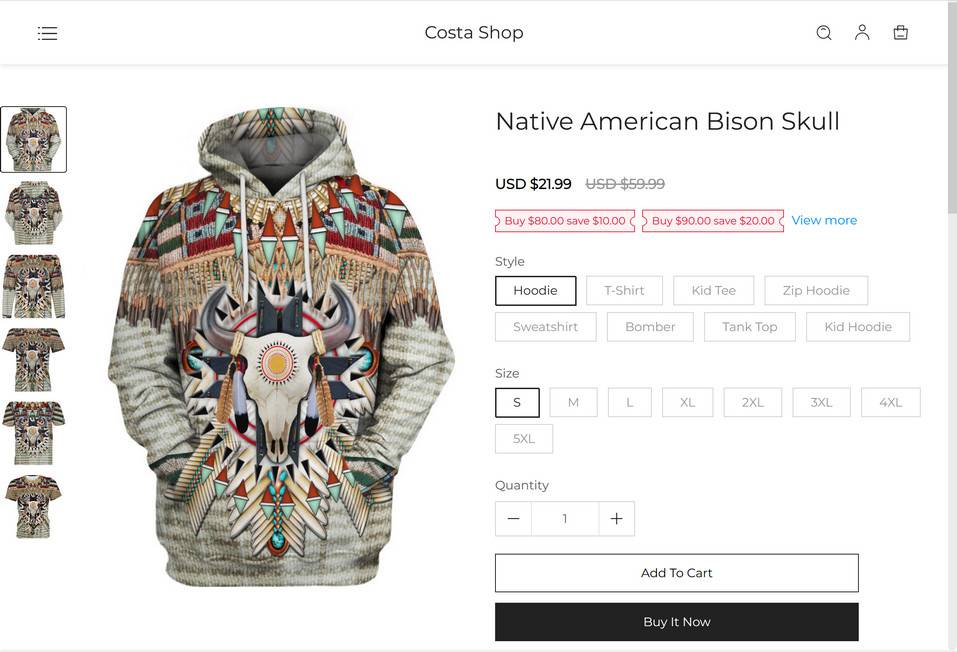
Luxessa.shop Red Flags
There are several red flags that indicate that Luxessa.shop may be a scam site. Here are some of them:
First of all, Luxessa.shop is a very new website that was created in March 2023 and expires in March 2024. This shows that it is a short-term website that might not last long. Moreover, the website has a very low trust score of 87% according to whois records. This means that there are some risks involved in shopping from this website.
Secondly, Luxessa.shop has received many negative reviews and complaints from customers who have shopped from this website. Some of the common issues reported by customers are:
– Not receiving the ordered products or receiving different or inferior products .
– Not being able to contact the customer service or get a refund .
– Having their personal and financial information stolen or hacked .
Thirdly, Luxessa.shop has provided a fake contact address on its website as 2514 5th St, Santa Monica, CA 90405, United States. However, a quick search on Google Maps reveals that this address belongs to a residential property and not a business location. This shows that Luxessa.shop is hiding its real identity and location from its customers. It is also suspicious that the website does not have any social media presence or any other way to verify its legitimacy.
Fourthly, Luxessa.shop has offered suspicious and outrageous discounts on its products. For example, it is offering 70% off on most of its products. This is too good to be true and might be a bait to lure unsuspecting customers into buying from this website. It is also possible that the products are of low quality or counterfeit and do not match the descriptions or images on the website.
Fifthly, Luxessa.shop has copied most of its content and product images from other online stores. This is a common practice among scam online stores that try to pass off their products as original or authentic. However, in reality, customers might receive cheap knockoffs or nothing at all.
Is Luxessa.shop a scam?
Based on the above red flags, we can conclude that Luxessa.shop is a scam website that should be avoided by online shoppers. There is no evidence that Luxessa.shop is a legitimate or reliable website that delivers quality products or services to its customers.
Customers who have shopped from Luxessa.shop have reported that they either did not receive their orders at all or received different or inferior products than what they ordered. They also complained that they could not contact the website for a refund or exchange because the email address provided was invalid or unresponsive.
Therefore, we advise you not to shop from Luxessa.shop or any other similar websites that display the same red flags. You will only risk losing your money and personal information to scammers who do not care about your satisfaction or safety.
What should you do if you have shopped from Luxessa.shop?
- Contact your bank or financial institution: If you have paid with your credit card or debit card, you should contact your bank or financial institution as soon as possible and request them to cancel the transaction and refund your money. You should also report the website as a fraudulent site and ask them to block any future charges from it.
- Change your passwords: If you have created an account on Luxessa.shop or used the same password for other online accounts, you should change your passwords immediately. You should also enable two-factor authentication for your accounts if possible. This will prevent hackers from accessing your accounts and stealing your personal information.
- Beware of phishing emails: You might receive emails from Luxessa.shop or other sources claiming to be related to your order or offering you discounts or refunds. These emails are likely to be phishing attempts that aim to trick you into clicking on malicious links or downloading attachments that can infect your device with malware or steal your information. You should delete these emails and do not open any links or attachments from them.
- Use a browser-based content blocker, like AdGuard : Content blockers help stop malicious ads, Trojans, phishing, and other undesirable content that an antivirus product alone may not stop.
- Scan your device for malware. If you suspect your device is infected with malware, you can run a scan with Malwarebytes Anti-Malware Free.
Luxessa.shop Final Thoughts
In conclusion, Luxessa.shop is a scam website that you should avoid at all costs. It has many red flags that indicate that it is not trustworthy or reliable. It has a fake contact address, a short lifespan, negative customer reviews, no security measures, and stolen content. Do not waste your time or money on this website, as you will likely end up disappointed or scammed.








