

Mary & James Jewellery looks like the kind of boutique you bookmark and come back to later. The photos are dreamy, the discounts feel unreal, and every piece is framed like it was made to mean something.
Then the first packages start arriving.
And suddenly, buyers are asking the same questions: Why doesn’t it look like the listing? Why is the return process so complicated? And why does “refund” always seem to mean “keep it and take 20% back”?
If you are thinking about ordering, or you already did and something feels off, here’s what you need to know before you spend another penny.
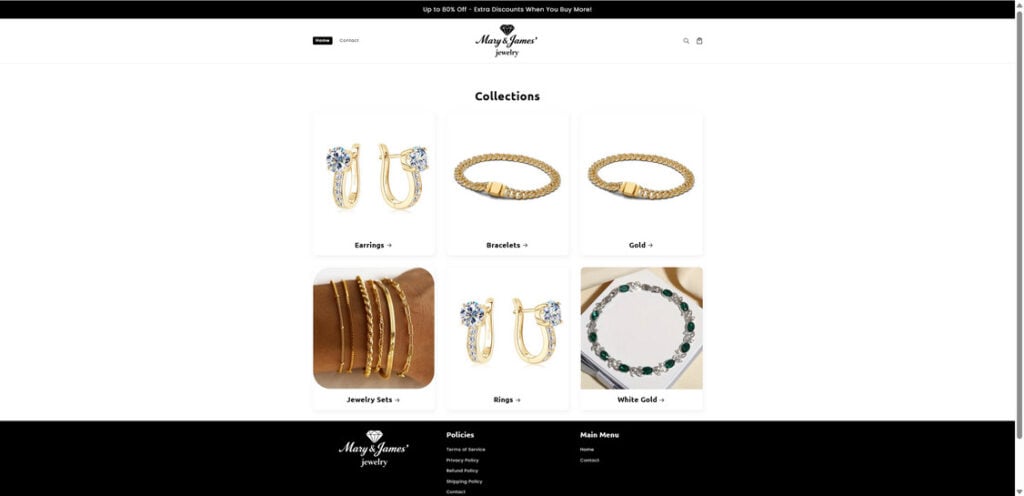
What Is Mary & James Jewellery?
Mary & James Jewellery presents itself as a boutique brand that sells “handmade” or “artisan” pieces with emotional meaning. The website is carefully designed to feel warm, personal, and story driven.
Instead of looking like a generic dropshipping shop, it leans hard into a narrative. You will often see:
- Cozy lifestyle photos with soft lighting
- Copy that talks about memories, stories, and sentimental value
- Claims that pieces are handcrafted, limited, or unique
- Big savings banners with crossed out “original” prices
On product pages, the jewelry looks expensive and intricate. Rings and necklaces have ultra detailed textures, glowing stones, and backgrounds that look like they were shot by a high end photographer.
This is where one of the central problems begins.
AI generated product images
A large number of Mary & James product images look like they were created with AI image generation tools, not a camera. You can often spot:
- Unrealistic lighting and reflections
- Perfectly smooth metal with no natural imperfections
- Odd details on hands or fingers that look slightly off
- Backgrounds that feel more like artwork than real locations
That matters because AI images can show impossible levels of detail and shine that are hard to reproduce in cheap, mass produced jewelry.
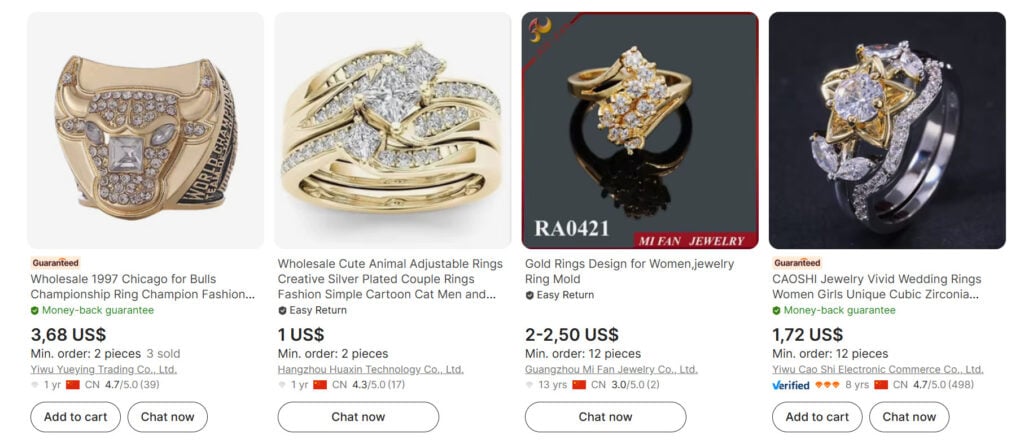
When buyers receive their order, they are not getting the photorealistic, fantasy level piece they saw on the screen. They are getting low cost jewelry sourced from wholesale suppliers in China, often very similar to items listed on marketplace sites for just a few dollars.
The emotional marketing layer
To make the store feel more trustworthy, the brand leans on emotional hooks instead of verifiable facts. Typical patterns include:
- Talking about “pieces that carry your story” rather than stating metal types and manufacturing details
- Emphasizing sentimental value, anniversaries, and memories
- Highlighting huge “savings” and limited time sales to push people to buy quickly
There is usually very little transparent information about where the jewelry is actually made, who designs it, or what materials are used beyond vague phrases like “premium quality” or “carefully crafted.”
Taken together, this creates a glossy surface that hides a much cheaper reality underneath.
Red Flags To Watch For
If you are wondering whether Mary & James Jewellery is worth trusting, it helps to look at the most common red flags that customers report with similar operations.
1. AI polished photos, low budget reality
The first big warning sign is the gap between the photos and the actual products. AI generated or heavily edited images can make plated base metal look like solid gold and cubic zirconia look like high end gemstones.
When the parcel arrives, buyers often find that:
- The metal feels light and thin rather than substantial
- Stones are dull or cloudy rather than bright
- Details that looked crisp online are muddy or poorly defined
- Colors do not match what was advertised
You might technically receive “a ring” or “a necklace”, but it is not the premium piece you thought you were buying.
2. Cheap jewelry from Chinese wholesalers
Behind many of these websites, there is usually a simple structure:
- The store lists AI created or heavily edited product images
- When someone places an order, the brand buys a similar item from a low cost Chinese supplier
- The supplier ships directly to the customer
The same or very similar designs can often be found on large marketplaces for between $1 and $5. The store then resells them for several times that price, while presenting them as curated boutique pieces.
3. Returns are possible in theory, impossible in practice
On paper, Mary & James may mention returns, refunds, or “30 day guarantees.” In practice, customers typically discover that using those rights is costly and complicated.
The most common obstacles are:
- The only return address provided is in China, even though the store markets itself as if it were based elsewhere
- The customer must pay international shipping, which can cost more than the item itself
- Tracking is required, which raises the shipping cost again
- Support warns that the package might be lost or delayed, and that refunds are not guaranteed
By the time a buyer calculates the cost of insured shipping back to China, it often seems pointless. The system is effectively designed to discourage returns.
4. Partial refund tactics
Instead of honoring full refunds, many shoppers report being offered:
- A 15% refund if they keep the item
- Sometimes 20% or 30% at most, after multiple emails
- Pressure to accept quickly, with claims that this is the “best they can do”
The pattern is simple. The store keeps most of the money, avoids dealing with returned merchandise, and the buyer ends up stuck with a low quality piece they never wanted.
5. Constant “final sale” style promotions
Another classic red flag is the constant presence of:
- “Final sale” banners
- “Up to 80% off” or similar headline discounts
- Scarcity messages suggesting that stock is almost gone
These tactics are not proof of a scam by themselves, but when combined with the other issues they increase the sense of urgency and push people into rushed decisions.
How The Mary & James Jewellery Operation Appears To Work
While every shopper’s experience is unique, reports around similar jewelry stores often follow the same pattern.
Step 1: Attention grabbing ads
Most people first see Mary & James through ads on social media. These ads usually feature:
- Eye catching rings or necklaces with dramatic backgrounds
- Emotional captions about memories, love, or personal stories
- Huge discount claims, often suggesting that the original price was very high
The piece looks special, the price seems like a once in a lifetime deal, and the ad carries a tone of warmth and sincerity.
Step 2: A highly polished storefront
Clicking through leads to a website that feels clean, elegant, and carefully designed. You will likely see:
- Soft pastel backgrounds
- Well written paragraphs about meaning and storytelling
- Collections with names that evoke emotion rather than material facts
This helps lower your guard. Instead of looking like a mass market reseller, Mary & James presents itself as a boutique brand that cares about craft and sentiment.
Step 3: The illusion of value
On product pages, the sales copy focuses heavily on the emotional side:
- “Carry your story with you”
- “A reminder of the ones you love”
- “Made to be treasured”
At the same time, the price is framed as an incredible bargain. You might see a line like:
- Original price: £130.00
- Now: £26.99
Mentally, this signals luxury value at a discount. In reality, the underlying item may cost only a few dollars to produce or source from a wholesaler.
Step 4: Order placed, long wait begins
After placing an order, customers often experience:
- Processing delays before tracking appears
- Shipments routed through multiple countries before final delivery
- Overall delivery times that can stretch into several weeks
This is consistent with direct shipping from Chinese suppliers rather than domestic stock.
Step 5: The disappointment on arrival
When the jewelry finally arrives, buyers frequently report that:
- The quality feels cheap or toy like
- Plating looks thin and may already show signs of wear
- Stones are glued rather than set securely
- Pieces are lighter or smaller than expected
Some items are wearable, but they do not match the premium look of the AI styled product images.
Step 6: Return friction and partial refund offers
If a customer contacts support to complain, the pattern often continues:
- Support may request photos, videos, or additional proof.
- They remind the buyer that returns must be sent back to a warehouse in China at the buyer’s own expense.
- They say that once the package is received and inspected, a refund will be considered.
Realizing that tracked shipping to China can be expensive, many customers say they decline to return the item. At this point, support begins to offer partial refunds of 15% to 30% that allow the buyer to keep the jewelry.
From the store’s point of view, this is a profitable outcome. They keep most of the revenue while avoiding shipping or handling costs.
Should You Buy From Mary & James Jewellery?
Given all these patterns, is there any situation where buying from Mary & James might make sense? It depends on your expectations and your risk tolerance.
When you probably should not buy
You should think very carefully before ordering if:
- You expect the jewelry to match the AI styled photos exactly
- You want durable, heirloom quality pieces
- You live in a country where returning items to China is expensive
- You cannot afford to lose the money or wait weeks for delivery
In that case, there are far safer options such as local jewelers, reputable online brands with transparent policies, or established marketplace sellers with long histories and thousands of reviews.
When you might accept the risk
Some shoppers genuinely do not mind low cost fashion jewelry as long as the price is low enough. If you go in knowing that:
- The jewelry is likely mass produced and inexpensive
- The colors, shine, and details will probably not match the photos
- Returns are difficult, and you are unlikely to get a full refund
then you might decide that the risk is acceptable for a one time purchase.
The key is honesty with yourself. You should never buy from Mary & James expecting premium quality pieces that match the marketing images perfectly.
What To Do If You Already Bought From Mary & James Jewellery
If you already placed an order and feel misled, you still have options. The right approach depends on whether your order has arrived and how you paid.
1. Keep all documentation
Start by collecting:
- Order confirmation emails
- Screenshots of the product page, including price and photos
- Any chat or email conversations with customer support
- Photos of the jewelry you received, taken in good light
This evidence will be important if you decide to dispute the charge.
2. Contact Mary & James support in writing
Before you go to your bank or payment provider, send a clear, polite complaint to the store:
- Explain exactly how the item differs from what was advertised.
- State that you believe the product is not as described.
- Request a full refund or a realistic solution.
Expect them to respond with offers of a small partial refund. If that feels unfair, you do not have to accept it.
3. Consider whether returning the item is practical
If the only return address is in China, calculate:
- The cost of tracked shipping
- The time it would take
- The risk that the package could be lost
In many cases, the cost of postage will be close to or higher than the price you paid for the jewelry. If you decide not to send it back, move on to the next step.
4. Raise a dispute with your bank or payment provider
If you paid by credit card, debit card, or a service like PayPal, you can often:
- File a dispute for goods “not as described” or “significantly different from advertised”
- Upload your documentation and photos
- Explain that the seller is offering only a small partial refund and requires return shipping to China
Banks and payment services sometimes side with the customer in these cases, especially when the gap between advertising and reality is clear.
5. Be wary of installing unknown apps or clicking suspicious links
Some low quality ecommerce sites also push links, trackers, or aggressive ads. It is a good idea to:
- Run a scan with a trusted security tool such as Malwarebytes on your device
- Use a content and ad blocker like AdGuard in your browser to reduce exposure to shady ads and tracking scripts
These tools help protect you from the broader ecosystem of scammy ads that often promote sites like Mary & James in the first place.
6. Leave an honest review
Once you have finished dealing with the payment, consider leaving a review on:
- Consumer review platforms
- Social media
- Forums or communities where people ask about Mary & James
Stick to the facts of your experience. Honest reviews help others avoid the same mistakes and put pressure on low quality operations.
How To Avoid Similar AI Powered Jewellery Scams
Mary & James is not an isolated case. There is a broader trend of AI images and emotional branding being used to sell low cost goods at inflated prices. Here are practical ways to protect yourself.
Search for the same images elsewhere
Take a screenshot of the product, then use reverse image search tools. If you find the same or very similar jewelry listed on large marketplaces for a fraction of the price, that is a strong sign that the “boutique” is just a reseller.
Look for concrete information, not just stories
Legitimate jewelry brands usually provide:
- Clear material lists
- Metal purity (for example 925 silver, 14k gold)
- Details about where pieces are made
- Real photos from multiple angles
If a site focuses heavily on emotional storytelling and savings but gives minimal technical detail, be cautious.
Check how realistic the product photos are
AI generated jewelry images often have:
- Perfect, glossy finishes with no flaws at all
- Strange reflections or highlights
- Hands and fingers that look slightly odd when you stare at them
If everything looks a little too perfect, it probably is.
Read independent reviews first
Before buying from any new brand:
- Search “[brand name] reviews”
- Look for external review platforms, not just testimonials on the site
- Pay attention to repeated patterns in complaints
If many people mention low quality items, difficulty returning products, and partial refunds, treat that as a serious warning.
Be skeptical of huge, permanent discounts
Genuine brands may run big sales a few times a year. If a site always shows:
- “Up to 80% off”
- “Final sale”
- “Only today”
yet the same messages appear week after week, it is more about pressure than real savings.
Final Thoughts
Mary & James Jewellery presents itself as a gentle, sentimental brand that sells meaningful pieces at deep discounts. Behind the polished website and poetic marketing, the operation appears to rely on AI generated images, cheap mass produced jewelry from China, and a refund structure that makes it hard for buyers to get their money back.
If you expect high quality pieces that match the photos, or if you cannot afford to risk your money, this is not a store you should trust lightly. There are many other jewelry brands that are transparent about their materials, manufacturing, and return policies.
If you already ordered, focus on documenting everything, speaking firmly with support, and using your bank or payment provider’s protections if needed. Then, share your experience so that others can make more informed choices.
In the end, the safest answer to “Mary & James Jewellery – should you buy?” is simple. Only do so if you are fully aware that what you see on the screen is probably not what will arrive in the box, and if you are willing to treat the purchase as a low risk experiment rather than a meaningful long term investment.
FAQ:
Is Mary & James Jewellery legit or a scam?
Many shoppers report classic red flags for a low-trust store: polished product photos that don’t match what arrives, confusing support, and refund offers that avoid full returns.
Why do the product photos look so “perfect”?
Some listings appear to use heavily edited or AI-generated images, which can make stones, shine, and details look far more premium than the real item.
What do customers say they receive?
Reports commonly describe inexpensive, mass-produced jewelry that looks different in person, with lighter materials and less detail than expected.
Can I return my order for a full refund?
Returns are often difficult because customers may be told to ship the item back internationally (frequently to China), which can be expensive and slow.
Why are people offered only 15% to 30% refunds?
A partial refund is a common tactic to close complaints quickly while avoiding the cost and hassle of international returns. It leaves you with the product.
What should I do if I already ordered?
Save screenshots of the product page, your order confirmation, and any emails or chats. If the item is not as described, contact support in writing and, if needed, dispute the charge with your card issuer or payment provider within their deadline.
How can I avoid stores like this in the future?
Look for clear company info, consistent real customer photos, transparent return addresses, and reviews on independent platforms. Be cautious with deep discounts paired with “luxury” looking images.

Join the discussion
0 commentsShare your experience or ask a question about this article.
Discussion
Start the conversation
Have a question or something useful to share? Add the first comment.