

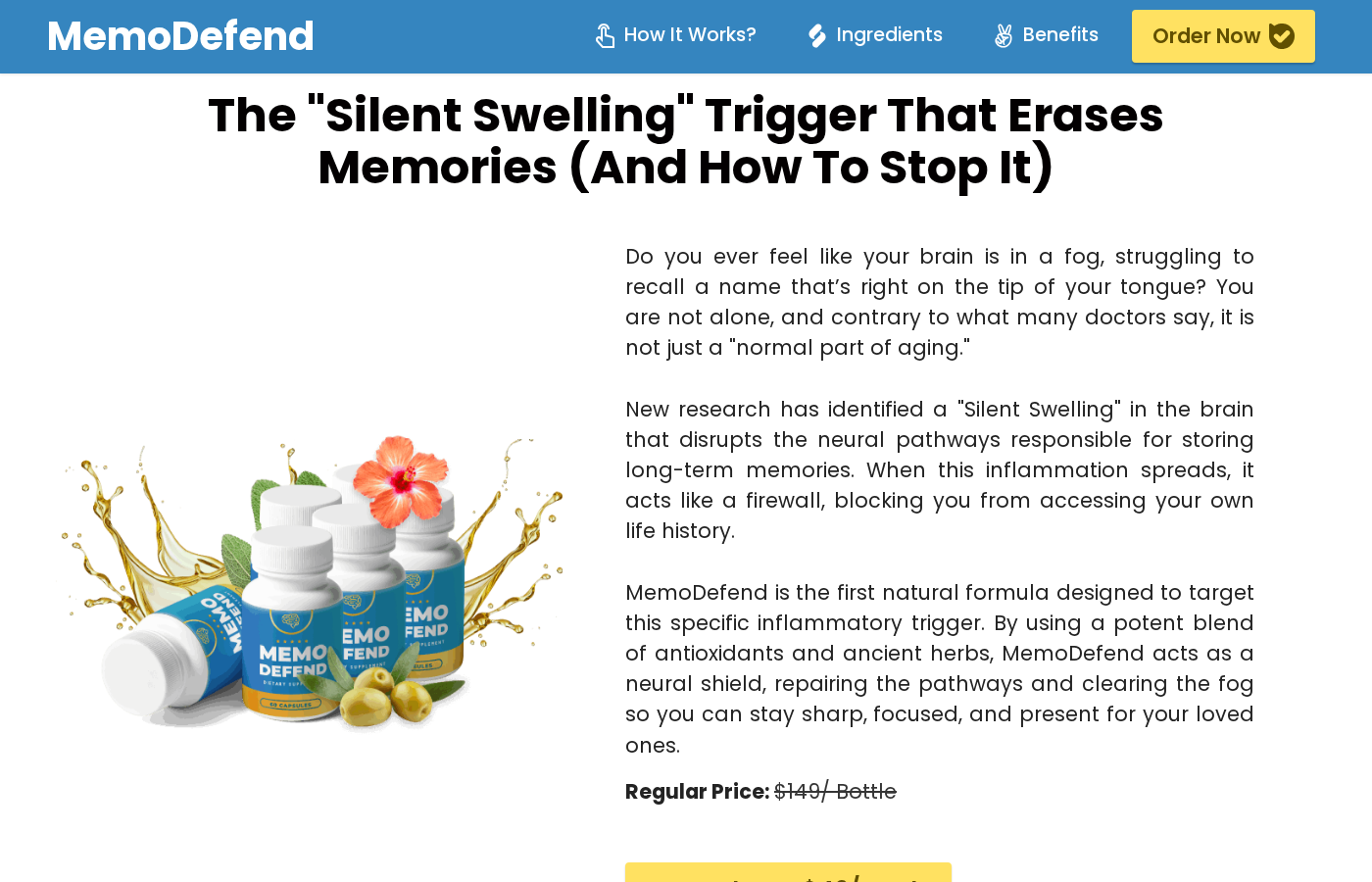
MemoDefend builds its sales pitch around a hidden process called “silent swelling,” presented as the missing explanation for memory trouble.
The promise sounds precise enough to feel medical. The pages deserve careful reading before that explanation becomes a reason to buy.
Overview
What MemoDefend promises
MemoDefend is marketed as a natural memory supplement for focus, recall, and clearer thinking.
The sales story says silent swelling damages dendrites, the branching structures that help nerve cells communicate.
It then claims the formula can calm the process and help rebuild those connections.
The language encourages visitors to view the bottle as a solution to a hidden neurological threat.
Why the wording is a warning sign
Inflammation and nerve-cell structure are real scientific topics, but the page uses them without product-level evidence.
It does not show a controlled trial proving that MemoDefend changes dendrites in customers.
The phrase “first natural formula” is also impossible to evaluate without defining the comparison group.
Strong medical language needs stronger documentation than a sales video and a bottle photograph.
What our investigation found
The offer uses established-looking domains and a ClickBank checkout, yet important accountability is split between several parties.
- Memodefend.com and thememodefend.com share a December 7, 2020 registration date.
- Memodefend.us appears as another brand domain without a simple public RDAP result.
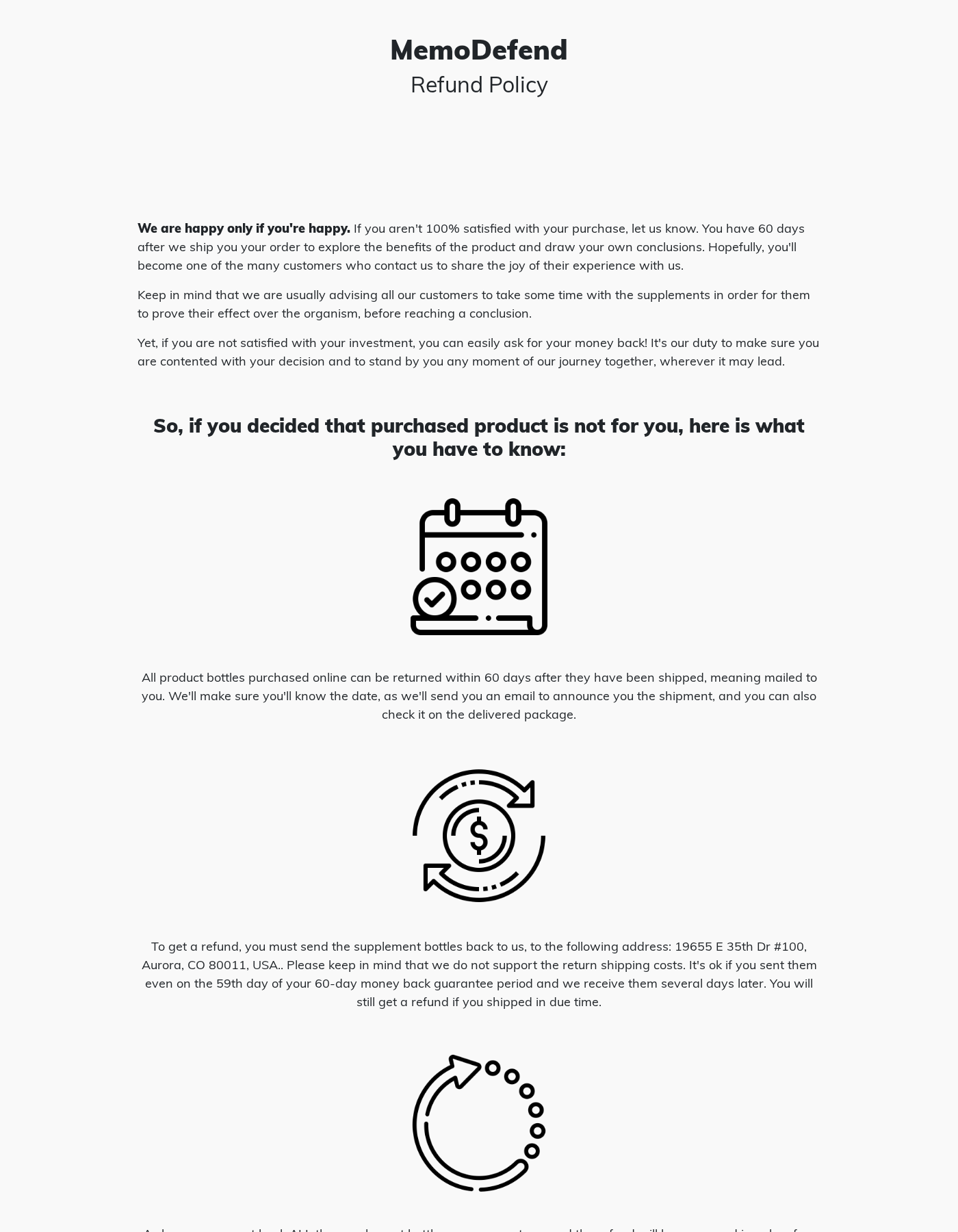
- The page promotes a 60-day guarantee and says payment is one time.
- ClickBank is identified as the retailer and payment intermediary.
- Returns go to 19655 East 35th Drive, Suite 100, Aurora, Colorado.
- The copy uses FDA-related language that can be confused with product approval.
- The support page tells customers to separate order help from vendor product questions.
Those details make the offer worth investigating without proving that a parcel never arrives.
The central problem is the distance between dramatic neurological promises and accessible evidence.
Is MemoDefend Legit or a Scam?
MemoDefend appears to be a functioning ClickBank supplement offer, but its medical presentation is not reliable enough to accept uncritically.
The pages explain how to request a refund, which is better than a seller that hides every contact route.
At the same time, the guarantee requires returning every bottle and paying postage to a shared fulfillment address.
That practical burden matters when the product is sold through a dramatic fear-based explanation.
We classify MemoDefend as high caution, not as a laboratory-confirmed counterfeit.
The “Silent Swelling” Story
A hidden process creates urgency
The advertorial suggests that swelling can quietly damage memory before a person notices obvious symptoms.
That framing makes a visitor feel late already, increasing the appeal of an immediate order.
It also encourages self-diagnosis without a clinical examination.
Dendrites are used as a persuasive visual
Dendrites are genuine structures, so their inclusion gives the narrative a scientific appearance.
The website does not identify a study showing that this finished supplement rebuilds dendrites in humans.
Scientific terms should not substitute for a method, control group, and measurable result.
“Toxic proteins” remain undefined
The copy refers to toxic proteins without explaining which proteins, how they are measured, or what dose changes them.
That vagueness prevents readers from comparing the claim with established medical guidance.
A broad threat becomes difficult to challenge because it has no clear testable boundary.
“FDA accredited” is not product approval
Health funnels often combine FDA, GMP, and accredited language to make a supplement sound officially evaluated.
The FDA does not preapprove dietary supplements for effectiveness like prescription medicines.
A facility credential, if genuine, does not prove the specific bottle treats memory decline.
How the MemoDefend Offer Works
Step 1: A personal memory fear opens the funnel
The page begins with missed words, lost keys, and the fear that small lapses are becoming something worse.
Those examples are emotionally familiar, which makes the reader more receptive to the next explanation.
Step 2: The page introduces a hidden biological cause
Silent swelling is described as a process doctors supposedly overlook.
The claim positions the seller as a source of secret knowledge while ordinary medical advice seems incomplete.
Step 3: Brain imagery makes the claim concrete
References to dendrites and nerve communication give an abstract supplement a visible mechanism.
Readers may assume that a detailed explanation must have been proven.
Details are not the same as evidence.
Step 4: A “natural” solution lowers medical skepticism
The product is described as gentle, natural, and compatible with everyday life.
That language can make people overlook interactions, contraindications, or the need for a diagnosis.
Step 5: Bundle pricing turns interest into commitment
The single bottle is listed at $69, while three bottles cost $59 each and six cost $49 each.
The lower unit price rewards the largest order before the buyer knows whether the product helps or causes side effects.
Step 6: ClickBank separates payment from the brand
ClickBank handles the retail transaction, while vendor support handles product questions.
That split can be legitimate, but it creates more names to track when an order goes wrong.
Step 7: A refund depends on complete documentation
The policy gives 60 days after shipment and requires all bottles to be returned.
Customers must keep the tracking number and show that the parcel reached the stated address.
Pricing and the ClickBank Guarantee
The advertised unit price favors bulk purchasing
Six bottles at $49 each represent a $294 commitment.
That amount may be unnecessary when the formula has not been independently tested for the advertised neurological outcomes.
Compare the full total rather than the smallest per-bottle number.
One-time payment does not mean zero risk
The page says MemoDefend is not an automatic refill program.
One-time billing reduces subscription uncertainty, but it does not resolve quality, interaction, or refund questions.
All bottles must be returned
The return instructions require every bottle, including opened or empty containers, to be sent back.
That condition can be easy to miss when the sales page emphasizes a risk-free guarantee.
Screenshot the policy before ordering.
The buyer pays postage
Return shipping to Colorado is the customer’s responsibility.
Use a service with tracking and keep the receipt until the refund appears.
Company, Address, and Fulfillment Checks
ClickBank is the retailer, not necessarily the formulator
Click Sales Inc., operating as ClickBank, processes the order and payment route.
The brand pages do not make the retailer the scientific owner of the formula.
Ask which legal entity manufactures, tests, and stands behind the capsules.
The return address resembles a fulfillment center
Returns go to 19655 East 35th Drive, Suite 100, Aurora, Colorado 80011.
A shared warehouse can manage parcels for several brands.
It does not confirm that the address is the manufacturing site.
Support is divided into separate channels
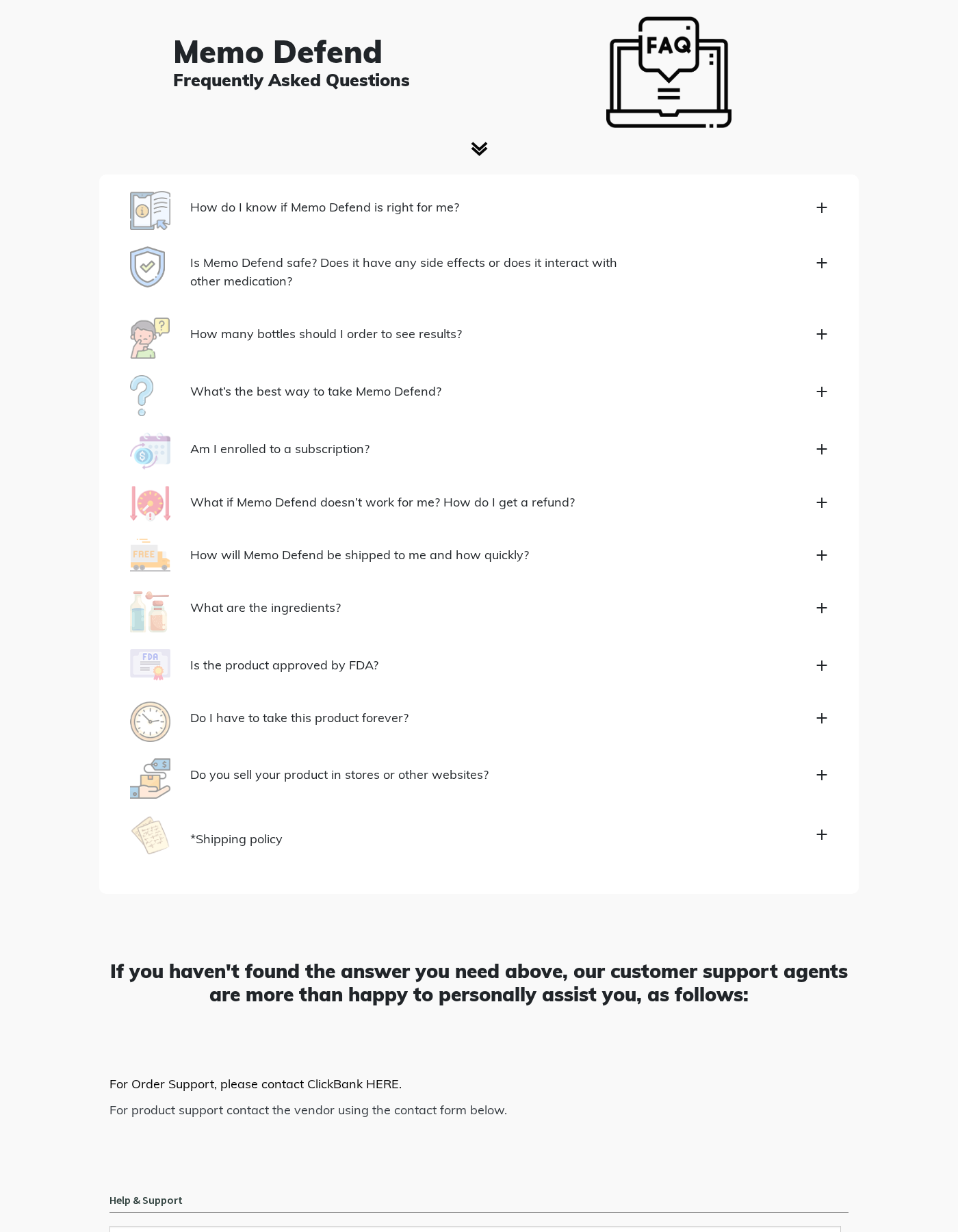
The contact page tells customers to ask ClickBank about orders and the vendor about product questions.
That division can slow resolution when a refund and a product complaint overlap.
Keep both contact records.
The supply chain is not fully disclosed
Public pages do not show a lot-specific certificate of analysis or a named facility for the finished product.
Mass-produced supplements can be legitimate, but buyers need a verifiable quality trail.
Strong health claims increase the importance of that missing information.
Why the Story Can Feel More Certain Than It Is
Mechanisms sound persuasive when they contain familiar words
Readers may recognize inflammation, proteins, and nerve connections from legitimate medical reporting.
The funnel combines those terms into a single chain that appears to explain every memory complaint.
The missing step is evidence that the product changes that chain in actual people.
Without that step, the mechanism remains a narrative.
Natural language can soften the need for caution
Natural does not describe dose, purity, contamination risk, or interactions.
Some natural compounds have powerful effects, while others have little reliable evidence.
Consumers should ask the same questions they would ask about a conventional medicine.
That includes dose, contraindications, manufacturing, and monitoring.
ClickBank support does not replace vendor accountability
A payment platform can provide order records and a refund route.
It cannot independently confirm that the vendor’s neurological claims are accurate.
It also cannot tell a customer whether a specific capsule is suitable with a prescription.
Those questions still belong with the manufacturer and a healthcare professional.
A refund promise has operational limits
Customers must return every bottle and pay postage, which can be difficult after a large bundle order.
Keep the original packaging even if the marketing promised an easy refund.
Record the date support confirms the return and the tracking number used.
Documentation turns an informal complaint into a traceable request.
The strongest evidence is often the simplest
Ask for a named legal seller, a lot-specific certificate, and a product-specific trial.
If the answer returns to testimonials and dramatic storytelling, the evidence has not improved.
Consumers are entitled to pause before accepting a neurological promise.
Waiting is safer than buying a six-bottle supply under pressure.
Practical checks can cut through the neuroscience theater
Start by asking for the Supplement Facts panel in a readable format.
Look for exact amounts, extract types, other ingredients, allergens, and warnings.
Then request a certificate of analysis that matches the lot intended for shipment.
A certificate should name the laboratory and describe identity, potency, and contamination testing.
Ask the vendor which legal company owns MemoDefend and where that company is registered.
Compare the answer with the ClickBank receipt and the return instructions.
Verify whether the 60-day period begins at purchase, shipment, or delivery.
The reviewed policy says shipment, which can shorten the time available after arrival.
Confirm whether original shipping is refundable and whether an authorization number is required.
Keep all bottles because the policy makes their return part of the process.
Do not throw away an empty container simply because the supplement has been consumed.
Watch the statement for the exact ClickBank descriptor and save the transaction date.
If a promised result does not appear, do not double the dose.
A higher dose can increase risk without making an unsupported mechanism true.
Discuss persistent forgetfulness with a clinician who can review sleep, medicines, mood, nutrition, and neurological symptoms.
That evaluation addresses causes a supplement landing page cannot distinguish.
When speaking with support, ask direct questions and avoid debating the marketing story.
Request the policy, address, deadline, and expected refund date in writing.
If the company responds with another promotional video, the practical questions remain unanswered.
Consumers do not owe a seller unlimited patience during a stated refund window.
They also do not owe a seller belief in a mechanism that has not been independently demonstrated.
Compare the promise with the label, the company record, and the return process.
If those pieces do not line up, pause before placing a high-quantity order.
That pause is a practical consumer protection, not a rejection of every supplement.
It leaves room for a properly documented product while protecting against an emotionally engineered purchase.
MemoDefend should answer those questions plainly before asking readers to trust its brain claims.
A customer can reasonably request a complete label before accepting a story about invisible neurological damage.
They can also ask whether the formula was tested as a finished product rather than inferred from separate ingredients.
Clear answers would reduce uncertainty, while more storytelling would not.
Until that information appears, the commercial risk remains higher than the page suggests.
Do not let a discount transform an unverified hypothesis into a treatment decision.
What to Do if You Bought MemoDefend
- Save the offer and checkout. Keep screenshots of the price, bundle, guarantee, and every claim used to persuade you.
- Identify the payment descriptor. ClickBank may appear instead of MemoDefend on the card statement.
- Request authorization early. Contact the correct support channel before the 60-day window becomes tight.
- Keep every bottle. The policy requires all containers, including empties, for a qualifying return.
- Use tracked shipping. Photograph the parcel and retain proof that the Aurora address received it.
- Dispute unresolved charges. Give your issuer the invoice, policy, support trail, and delivery evidence.
- Check with a clinician. Do not use the product to self-treat memory decline or neurological symptoms.
- Secure your browser. Use Malwarebytes to check suspicious redirects, and let AdGuard reduce deceptive advertising exposure.
Frequently Asked Questions
Is silent swelling a recognized diagnosis?
The phrase is used by the marketing funnel, not presented as a clear clinical diagnosis with a validated consumer test.
Does MemoDefend rebuild dendrites?
The site claims that outcome, but we found no finished-product trial proving dendrite rebuilding in human customers.
Is MemoDefend FDA approved?
No evidence reviewed showed FDA approval for the supplement. Facility or manufacturing language should not be read as product approval.
Is the order recurring?
The page describes a one-time purchase. Save the checkout and monitor the statement for any unexpected repeat charge.
Who handles a return?
ClickBank handles order support, while the return policy directs authorized parcels to the Aurora, Colorado address.
Can a guarantee prove the product works?
No. A refund promise addresses a commercial transaction, not the medical truth of the claims.
The Bottom Line
MemoDefend uses convincing brain terminology to turn a vague memory fear into a specific product story.
The lack of finished-formula evidence, shared return address, and divided support process make the offer high risk.
Do not confuse a ClickBank guarantee with proof that the supplement can rebuild brain structures or treat disease.








