

The Neslemy Winter Pro has exploded across social media with fast cut ads showing a tiny handheld blower clearing snow from car windows in seconds. The clips look impressive and the idea sounds convenient, especially on freezing mornings. But when a product appears everywhere at once, with dramatic claims and little verified testing behind it, it deserves a closer look. This investigation examines what the Neslemy Winter Pro really is, how it performs in real conditions, and whether it delivers value or simply rides on viral winter marketing.
Overview
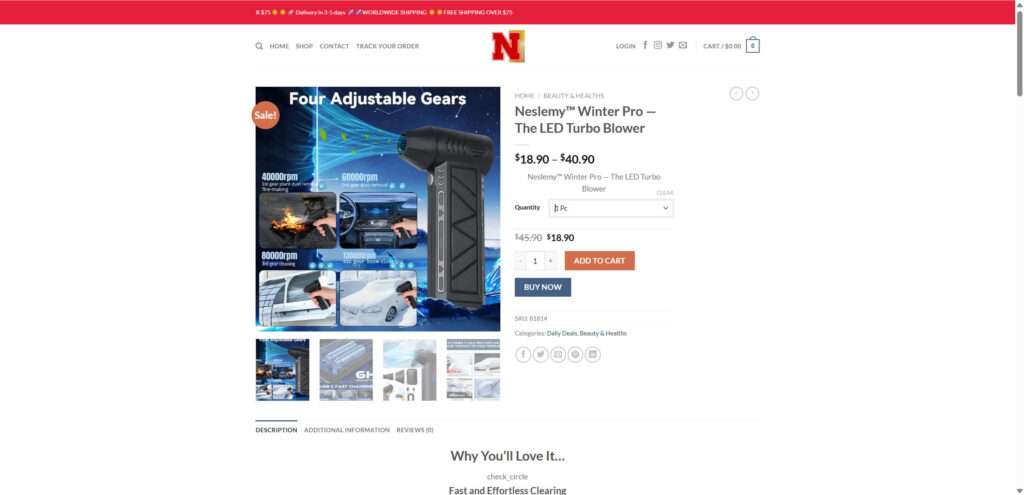
The Neslemy Winter Pro is marketed as a four gear high power handheld blower designed for removing snow, frost, and debris from car surfaces. Advertisements highlight adjustable airflow, strong RPM performance, a built in LED light, ergonomic grip, and rechargeable convenience. The marketing language positions the device as a specialized winter tool capable of making morning snow removal easier.
This section examines the product’s presentation, claims, design, real world performance, similarities with generic wholesale units, brand transparency, and the evidence that the product may not deliver what consumers expect.
Marketing Claims
The ads across Facebook, Instagram, TikTok, and YouTube present the Neslemy Winter Pro as an innovative winter solution. These claims frequently appear:
- Clears snow in seconds
- Four level power output
- Up to 130000 RPM
- Gentle on car paint
- LED for night and early morning visibility
- High performance battery
- Designed for winter conditions
These claims are impressive on the surface. However, none of them are supported by technical documentation. There are no verifiable specifications on battery capacity, motor model, airflow rating, or performance in cold temperatures. A consumer would expect detailed information if a product is engineered specifically for winter snow removal.
Lack of Independent Testing
One of the strongest signals that a winter tool is reliable is the volume of real world testing done by customers. Legitimate winter products usually appear in YouTube reviews, Reddit threads, user recorded tests, and automotive forums. These sources often show unedited footage of the tool under actual conditions.
In the case of the Neslemy Winter Pro, nearly all available videos originate from promotional ads. These ads are edited, staged, and shot in ideal conditions. There are very few independent user recordings showing the device being used on heavy frost or thick snow. Without real examples, consumers have limited understanding of how the device functions outside controlled demonstrations.
Performance on Light Snow
Several buyers report that the tool can handle very light loose powder snow if the layer is thin. This is expected because a basic airflow device can move small flakes even at moderate intensity. However, customer feedback indicates that once snow becomes dense, wet, thick, or compacted, the tool struggles. The airflow is not strong enough to break through heavy buildup.
This aligns with typical mini electric blowers found on wholesale platforms. These devices often perform well in dry indoor environments where they dislodge dust from keyboards or electronics. When used outdoors in freezing temperatures, their limitations become apparent.
Battery Behavior in Cold Weather
Lithium batteries are known to lose performance at low temperatures. A tool designed for winter should include thermal compensation, battery protection, or cold weather adjustments. None of these features are documented for the Neslemy Winter Pro. Users report short battery life, reduced power output in cold air, and longer charging times.
If the battery drains quickly, consumers cannot rely on the tool during longer snow clearing sessions. This limitation makes the product less practical than a traditional scraper, which requires no charging and performs consistently regardless of weather.
Build Quality and Durability
Buyers often mention that the shell feels lightweight and the internal motor produces noticeable heat after brief usage. This is typical for generic dust blowers. They are designed for short bursts, not extended outdoor sessions.
Several comments describe the following issues:
- Warm casing during operation
- Visible wobble in fan movement
- Airflow weaker than demonstrated in ads
- No waterproof or weather resistant seals
- LED light dim or unstable
A winter tool should be rugged, sturdy, and resistant to moisture. The Neslemy Winter Pro does not appear to meet these criteria based on consumer experiences and internal design similarities with non winter devices.
Wholesale Evidence and Matching Designs
While investigating online marketplaces, multiple listings show an identical mini electric blower sold for around $7 to $8. These listings include images that match the Neslemy Winter Pro in shape, size, colors, vent patterns, and motor placement. The wholesale version is typically marketed as:
- Mini electric air duster
- Portable blower
- USB rechargeable dust cleaner
None of the wholesale listings describe the device as a winter tool. This strongly suggests that the product was repurposed through marketing rather than engineered specifically for snow removal.
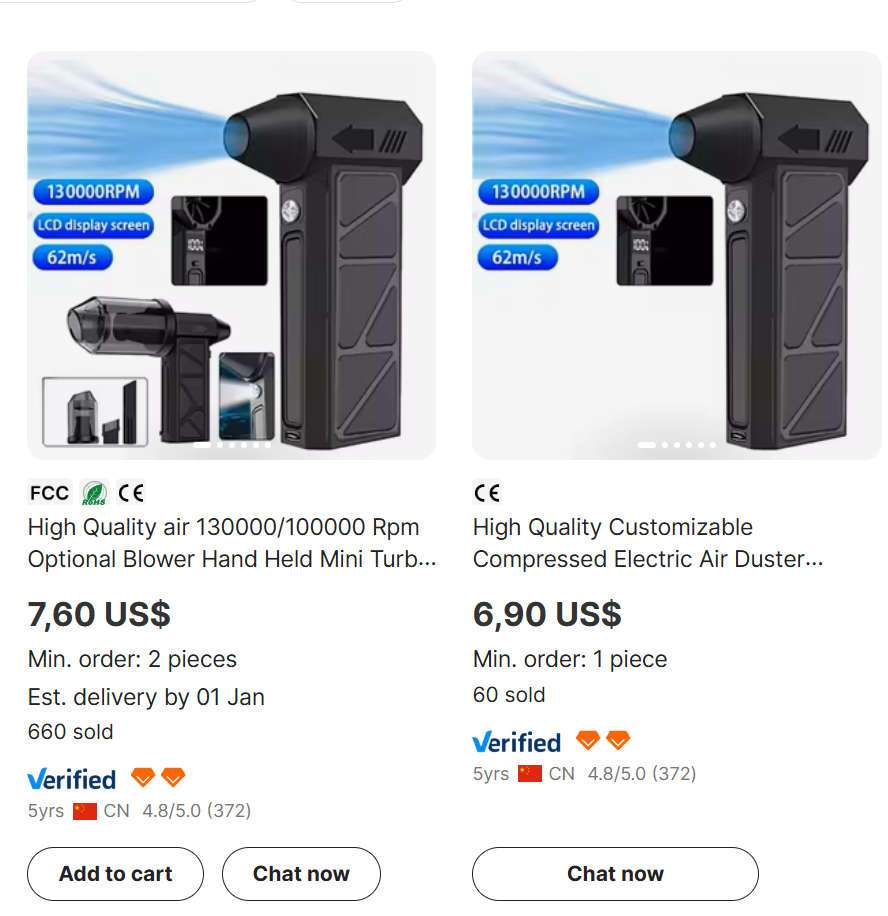
The same device under different brand names appears across various stores, indicating that multiple dropshippers source from the same supplier. This level of duplication is common in products sold through temporary promotional funnels.
Transparency Issues
Authentic winter tool companies usually provide:
- Manufacturing information
- Company physical address
- Warranty details
- Certifications
- Customer service availability
The websites selling the Neslemy Winter Pro often lack this information. Some sites were registered only recently. Others display only a contact form without phone support. This lack of transparency aligns with short term seasonal dropshipping operations rather than established brands.
Pricing Concerns
Pricing usually ranges from around $18.90 to over $40 depending on the site. Considering the wholesale cost is significantly lower, and the performance is limited, the value is questionable. Consumers expect performance that reflects price. If the airflow and durability fall short, the cost becomes disproportionate to the utility provided.
The Neslemy Winter Pro presents an appealing idea but lacks the engineering, performance evidence, durability, and transparency expected of a dedicated winter tool. While it might assist with very light snow, buyers may be disappointed if they expect the power shown in advertisements. The similarities to inexpensive generic devices raise questions about value, and the scarcity of independent reviews suggests caution.
How The Dropshipping Operation Works
Understanding how the product is sold provides insight into its origin, pricing, and limitations. This section explains the dropshipping model step by step, focusing on sourcing, branding, marketing, order fulfillment, and customer experience. The goal is to help consumers recognize the patterns that often accompany viral seasonal gadgets.
Step 1: Identifying a Trend
Dropshipping sellers monitor trends on social platforms. Winter content often includes snow problems, frozen car windows, and morning ice. A handheld blower that promises to solve these issues fits well into a seasonal marketing niche. Sellers search for low cost items that visually match the solution consumers are looking for.
The mini air blower that resembles the Neslemy Winter Pro is attractive because it has a modern look, compact shape, and visually compelling airflow demonstration.
Step 2: Finding a Supplier
On wholesale platforms, sellers can purchase the mini blower for approximately $7 to $8. These platforms allow buyers to purchase small quantities or request bulk shipments. The same product appears across multiple suppliers, which indicates that it is widely available. The supplier typically offers:
- Low prices for bulk orders
- Custom logo printing
- Basic packaging
- Global shipping
Sellers then import or ship directly to customers through the supplier.
Step 3: Rebranding the Product
Once a seller selects a wholesale item, they reframe it as a new brand. This often involves:
- Creating a new name
- Designing a logo
- Editing promotional videos
- Writing winter themed marketing copy
- Building a single product sales page
The Neslemy Winter Pro name appears to be one of many brand labels used by different stores selling the same underlying device. Other stores use similar graphics and videos but different names. This indicates the device itself is generic and not produced by a specific winter tool brand.
Step 4: Building a Landing Page
Dropshippers often rely on conversion optimized landing pages. These pages are structured to push customers quickly to checkout. The pages commonly include:
- Large discount banners
- Countdown timers that reset
- Limited stock warnings
- Customer review sections with no verification
- Bundle deals
- Repeated call to action buttons
The sites selling Neslemy Winter Pro follow this format closely. The urgency tactics are intended to increase impulse purchases, especially when the product appeals to a seasonal problem.
Step 5: Creating Ads
The majority of Neslemy Winter Pro ads share identical clips. This is a hallmark of dropshipping campaigns. Sellers reuse the same footage across:
- Facebook Ads
- Instagram Reels
- TikTok videos
- YouTube Shorts
These ads often feature:
- Snow blown off a windshield
- Close up shots of the device
- Claims of power and convenience
- Music and text overlays
Because the clips are not user recorded, they are likely produced by the supplier or by marketing agencies specializing in viral ad content.
Step 6: Customer Places an Order
When a customer buys the device, the order is forwarded to the supplier. The seller inputs the buyer’s shipping address and sends the payment for that single unit. The supplier then ships the product directly to the customer.
This means:
- The seller never handles the product
- The seller cannot inspect units for defects
- The seller depends entirely on supplier quality
If the supplier sends a defective product, the seller may not have inventory to replace it quickly.
Step 7: Shipping
Many stores promise fast delivery, but actual shipping times vary. Dropshipping from overseas can take between one and three weeks. The tracking information may not update consistently. Some buyers report delays, especially during seasonal surges.
Step 8: Customer Service Challenges
If a customer wants a refund or replacement, the process may be slow. Some stores ask customers to ship the product back to an overseas address. This can be expensive and discourages returns. Sellers may offer partial refunds or refunds only if the customer pays return postage.
This type of customer service structure is typical for dropshipping operations that operate on low margins and limited infrastructure.
Step 9: Brand Disappearance and Reappearance
Seasonal dropshipping stores often close after a sales cycle ends. The same product then reappears under a new brand name. The marketing videos, product photos, and pricing remain similar, but the label changes. The Neslemy Winter Pro appears on multiple websites under different brand names, which is a sign of this cycle.
Step 10: Limitations of the Model
Dropshipping itself is not inherently harmful. Many legitimate businesses use it. The concern arises when sellers use:
- Exaggerated marketing
- Inflated performance claims
- Insufficient disclosure
- Overstated durability
In the case of the Neslemy Winter Pro, the marketing does not fully align with the likely capabilities of the underlying product.
What To Do If You Have Bought This
If you purchased the Neslemy Winter Pro and are not satisfied, the following steps can help you navigate next actions.
1. Test the Product Thoroughly
Use the device on different types of snow:
- Light powder
- Thin frost
- Slight buildup
Record video if the performance is significantly lower than advertised.
2. Contact the Seller Promptly
Send an email requesting:
- Refund procedure
- Return address
- Warranty details
Keep communication written and saved for documentation.
3. Request a Refund Through Your Payment Provider
If the seller does not reply, open a dispute through:
- Credit card chargeback
- PayPal Buyer Protection
Provide screenshots of ads, product page claims, and evidence of poor performance.
4. Monitor Timelines
If the seller promises a refund, set reminders. Dropshipping stores sometimes delay communication, so it is important to follow up.
5. Leave an Honest Review
Sharing your experience helps other buyers make informed decisions, especially when identical products appear under multiple brand names.
The Bottom Line
The Neslemy Winter Pro is marketed as a high performance winter tool, but deeper investigation suggests it is a generic mini air blower repurposed through seasonal marketing. While it may remove very light snow, it is unlikely to provide the power or durability shown in ads. The lack of transparent specifications, new websites with limited company information, and widespread identical wholesale designs point to a dropshipping based product with limited performance.
Consumers who expect a reliable winter device may find the tool underwhelming. Before purchasing, compare established winter products, consider your local climate, and evaluate whether the device’s capabilities align with real winter conditions.








