

Did Netflix really sign an $800 million deal for a new comedy series starring Jim Carrey and Adam Sandler? The rumor has taken social media by storm, leading many fans to believe that Buds is set to be the biggest comedy project in history. But is there any truth to this claim, or is it just another viral hoax? In this article, we break down the facts and debunk the myths surrounding this alleged Netflix series.
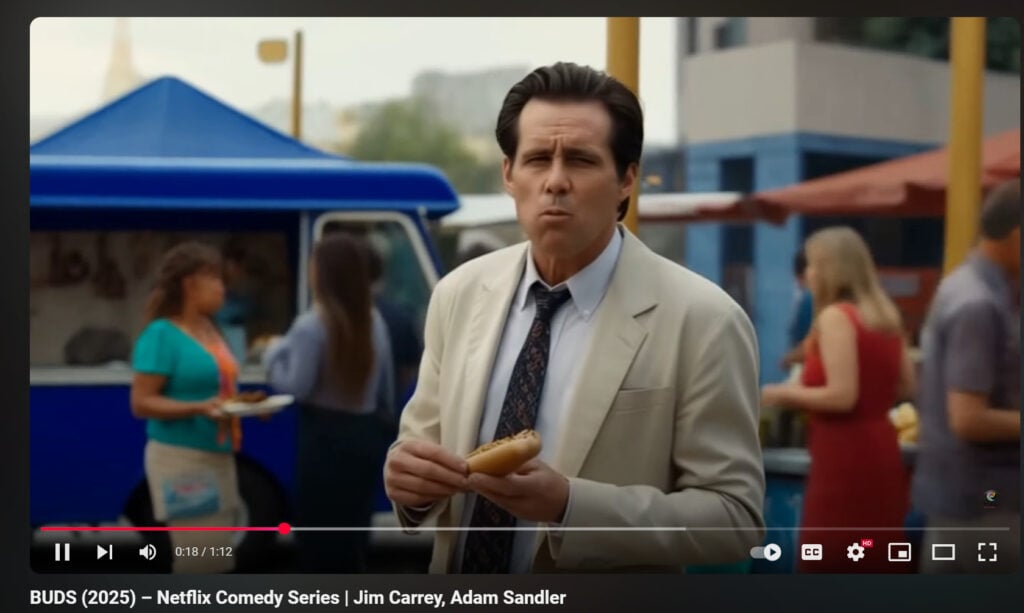
The Viral Buds Rumor Explained
Over the past few weeks, social media platforms like Facebook, Twitter, and YouTube have been flooded with posts claiming that Netflix is producing a high-budget comedy series called Buds. The show is said to feature legendary comedians Jim Carrey and Adam Sandler as two lifelong friends running a “green business” in New York City. The supposed plot involves them dealing with city regulations, competing businesses, and hilarious misadventures.
However, despite the excitement surrounding the news, there is one major issue—Buds does not exist.
Where Did the Buds Rumor Come From?
The Buds rumor seems to have originated from a combination of satire posts and AI-generated images.
- Facebook and Twitter Posts: Some viral posts on social media, particularly Facebook, claim that Netflix is investing $800 million in the project. However, these posts lack credible sources and often include vague or misleading information.
- AI-Generated Images: Some of the promotional images for Buds appear to be AI-generated, which is a red flag. Many people have pointed out inconsistencies in the images, such as oddly smoothed faces and unnatural-looking features on Adam Sandler and Jim Carrey.
- Satirical Websites: One of the original sources of the Buds rumor was a satire website known for creating fake entertainment news. Unfortunately, many people mistook the satire as real news, leading to widespread belief in the rumor.
Why the $800M Budget Is Highly Unlikely
A major reason the Buds rumor appears to be fake is the staggering $800 million budget. While Netflix has spent large amounts on some projects, this figure is unrealistic for a comedy series.
- Comparing to Stranger Things: Netflix’s most expensive series, Stranger Things, had a budget of around $30 million per episode in its final season. Even at that high rate, the entire season’s cost was around $270 million—far less than the supposed $800 million budget for Buds.
- Comedy Shows Don’t Cost That Much: Comedy series are generally much cheaper to produce than action-packed, CGI-heavy dramas. A budget of $800 million would be an industry record for a sitcom, making it highly implausible.
No Official Announcement from Netflix
One of the biggest reasons to doubt the existence of Buds is the complete lack of any official announcement from Netflix. If the streaming giant were truly investing $800 million in a new series starring two of Hollywood’s biggest comedians, major industry sources like Variety, The Hollywood Reporter, and Deadline would have reported on it. But there has been zero coverage from reputable news outlets.
- No Press Release from Netflix: Netflix usually announces major projects through press releases and official social media accounts. There has been no mention of Buds from Netflix.
- No Statements from Jim Carrey or Adam Sandler: Neither Jim Carrey nor Adam Sandler has commented on Buds or hinted at working together on a Netflix series.
Could Buds Ever Become Real?
Although Buds appears to be a complete hoax, the idea of a comedy series starring Jim Carrey and Adam Sandler is still exciting. Both actors are comedy legends, and a collaboration between them could generate significant interest. If Netflix sees the viral enthusiasm surrounding Buds, they might actually consider making a real show featuring the two stars.
- Jim Carrey’s Recent Career Moves: Carrey has been selective about his roles in recent years, appearing in films like Sonic the Hedgehog. While he has not announced plans for a new sitcom, he could be open to it if the right project comes along.
- Adam Sandler’s Relationship with Netflix: Sandler has had a long-running partnership with Netflix, producing hit films like Murder Mystery and Hustle. If there were any truth to Buds, it would likely be tied to one of his existing deals.
Final Verdict: Buds Is a Hoax
After analyzing the available evidence, it is clear that Buds is not a real Netflix project. The rumor originated from satirical sources and social media speculation, with no official confirmation from Netflix, Jim Carrey, or Adam Sandler. The $800 million budget claim is also highly unrealistic, making it even more improbable.
While the idea of a comedy series starring Jim Carrey and Adam Sandler is intriguing, for now, Buds remains nothing more than a viral fantasy.
Conclusion: Don’t Believe Everything You See Online
The Buds hoax is a prime example of how quickly misinformation can spread on social media. Always verify entertainment news from credible sources before believing or sharing it. While we can hope for a future collaboration between Jim Carrey and Adam Sandler, Buds is not happening—at least, not yet!
Would you like to see a real comedy series featuring these two legends? Let us know your thoughts!
FAQ: The Buds Hoax Explained
1. Is Buds a real Netflix series?
No, Buds is not a real Netflix series. It originated as a viral rumor based on satire and AI-generated images.
2. Did Netflix announce Buds officially?
No, Netflix has never made an official announcement about Buds. No credible entertainment sources have reported on it.
3. Why do people believe Buds is real?
Many people were misled by viral social media posts and AI-generated images that appeared to depict a promotional campaign for Buds.
4. How do we know the $800M budget claim is false?
The budget claim is unrealistic for a comedy series. Netflix’s most expensive shows, like Stranger Things, have significantly lower budgets.
5. Could Netflix create a real show with Jim Carrey and Adam Sandler?
While Buds is a hoax, it is possible that Netflix could consider a future project featuring Jim Carrey and Adam Sandler.
6. How can I verify entertainment news in the future?
Always check credible sources like Variety, The Hollywood Reporter, and Netflix’s official announcements before believing viral rumors.








