

Have you come across advertisements for the Nexoria Smart Health Ring claiming that it can improve sleep, reduce stress, and enhance overall well-being? It sounds like a miracle solution, but is it truly legit or just another overpriced wellness gimmick?
This article will critically examine the Nexoria Smart Health Ring, analyzing its claims, marketing strategies, real cost, and customer reviews. By the end, you’ll have a clearer understanding of whether this ring is worth your money or just another scam.
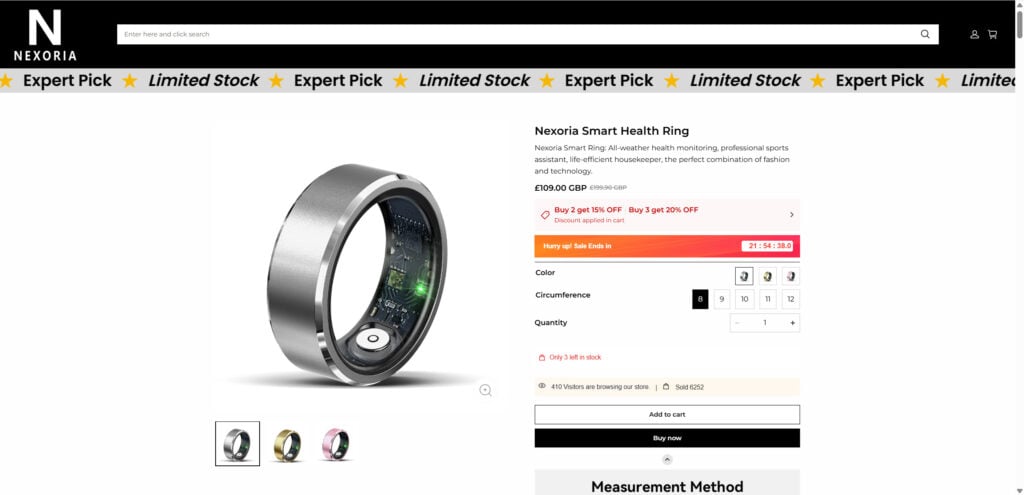
What is the Nexoria Smart Health Ring?
The Nexoria Smart Health Ring is marketed as a revolutionary wellness accessory that leverages acupressure and magnetic therapy to provide various health benefits. According to its official website, the ring offers:
- Enhanced sleep quality
- Natural relief for migraines and headaches
- Reduction in stress and anxiety
- Support for recovery and overall well-being
These claims sound impressive, but do they hold up under scrutiny? Let’s take a deeper look.
Red Flags: Why the Nexoria Smart Health Ring is Suspicious
1. Lack of Scientific Evidence
One of the biggest concerns about the Nexoria Smart Health Ring is that it makes bold claims without any solid scientific backing. The ring supposedly works through acupressure and magnetic therapy, but there is little to no credible research proving that small magnets can improve sleep, reduce stress, or alleviate pain.
Furthermore, the claim that it has a 100% success rate for barometric migraines is simply unrealistic. No legitimate medical product would make such absolute guarantees without clinical studies to back them up.
2. Common Scam Marketing Tactics
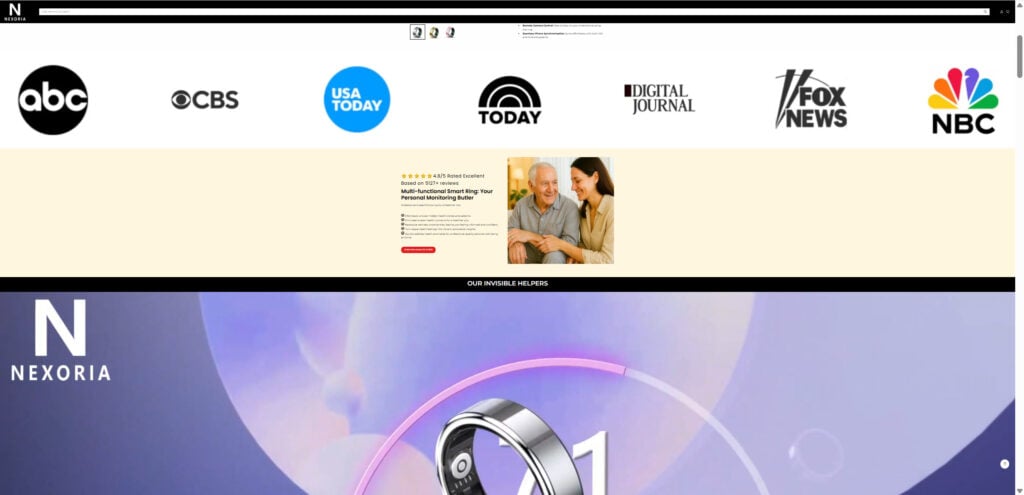
The Nexoria website employs several shady marketing strategies commonly associated with dropshipping scams:
- Fake Urgency and Exclusivity: The website warns buyers about “scams” on other websites to make it seem like their store is the only safe place to buy.
- Over-the-Top Testimonials: The website showcases glowing reviews that appear fabricated. Real products always have mixed feedback, yet the Nexoria ring seems to have nothing but praise.
- Discounted Price Trick: The ring is “on sale” for $150, down from a supposed regular price of $200. However, this is a common pricing trick used to create a false sense of urgency and perceived value.
3. Overpriced for a Cheap Product
Perhaps the biggest red flag is the price. The Nexoria Smart Health Ring is sold for $150, but on sites like Alibaba, similar rings are available for as little as $10. This suggests that the ring is a cheaply manufactured item being resold at an absurd markup.
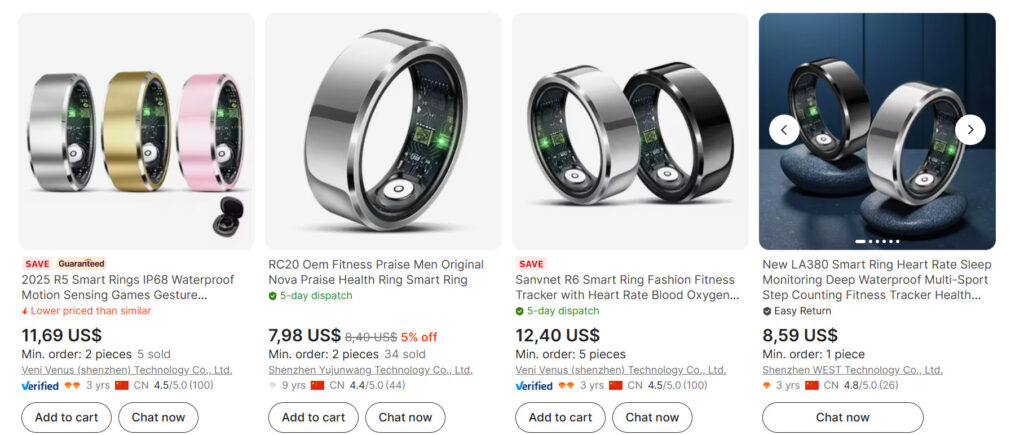
For comparison, similar magnetic rings with supposed health benefits can be found on various online marketplaces for a fraction of the price.
4. Returns Are Almost Impossible
While the website advertises “free returns within 30 days,” many customers have reported difficulties getting refunds. The return process is often complicated, with little to no customer service support. Many buyers have complained that they never received their money back.
This is a common issue with dropshipping operations from China, where the seller doesn’t hold inventory and instead ships low-quality products directly from Chinese manufacturers.
The Truth About Magnetic Therapy
Magnetic therapy has been around for centuries, but the scientific evidence supporting its effectiveness is weak. Here’s what experts say:
- The magnetic fields from small jewelry items are extremely weak and unlikely to influence bodily functions.
- Most studies do not support the claim that magnets can relieve pain, stress, or improve sleep.
- The placebo effect plays a huge role—people who believe in the benefits may feel better, but that doesn’t mean the product is actually working.
The bottom line? The Nexoria Smart Health Ring is not based on solid science and is likely just another placebo wellness product.
Who is Behind Nexoria?
The Nexoria brand appears to be another dropshipping business that sources cheap products from China and sells them at an inflated price. The website is relatively new, and there is no real company history, medical endorsements, or scientific research backing its claims.
This type of business model is common in the wellness industry, where trendy but ineffective products are marketed aggressively to unsuspecting buyers.
Should You Buy the Nexoria Smart Health Ring?
Reasons to Avoid It:
- Overpriced – You can find similar rings for under $15.
- No Scientific Proof – Magnetic therapy is not proven to work for stress, sleep, or migraines.
- Fake Reviews – Overly positive reviews on their website are suspicious.
- Difficult Returns – Many customers report trouble getting refunds.
- Common Dropshipping Scam – It’s a cheaply made product sold at an inflated price.
Better Alternatives
If you’re struggling with sleep, stress, or headaches, there are better, evidence-based options available:
- Sleep Improvement: Try melatonin, better sleep hygiene, or white noise machines.
- Stress Relief: Meditation, exercise, and therapy are proven stress reducers.
- Headache & Migraine Relief: Consult a doctor for effective treatments rather than relying on unverified magnetic therapy.
Final Verdict: Is the Nexoria Smart Health Ring a Scam?
While not an outright scam, the Nexoria Smart Health Ring is a highly questionable product that relies on misleading marketing, inflated pricing, and unproven health claims. It is not worth the money, especially considering its true cost of just $15 on manufacturing sites.
If you are tempted to buy the Nexoria Smart Health Ring, think twice. There are better, proven solutions for sleep and stress that don’t rely on overpriced magnets.
Have you had an experience with the Nexoria Smart Health Ring? Share your thoughts in the comments below and help others make an informed decision!








