

A new 4K projector called the NexVision Projector has been heavily marketed on social media and seems poised to become the next viral sensation. With bold claims of delivering a superior home theater experience for an incredibly low price, it’s tempting for consumers to get caught up in the hype. But is the NexVision Projector truly as amazing as the ads say? Or is this yet another dropshipping scam with exaggerated claims and false advertising?
This in-depth investigation will uncover the truth about the NexVision Projector, analyzing the facts versus fiction when it comes to their marketing promises. After reviewing specs, customer feedback and expert projections on the device’s true capabilities, you’ll have the knowledge to determine if this projector is right for you, or one to avoid falling for.
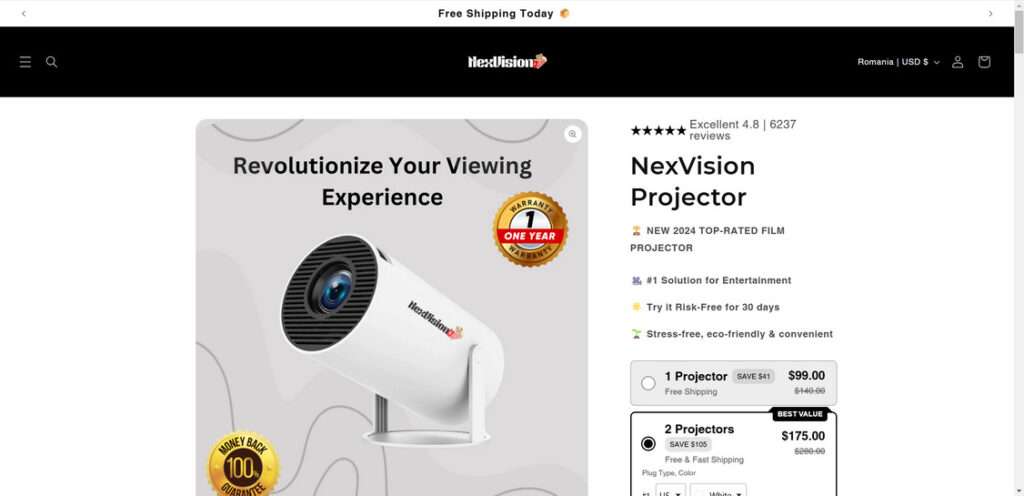
Behind the Viral Buzz: What the NexVision Projector Claims
The NexVision Projector has exploded in popularity after being heavily marketed across TikTok, Facebook, Instagram and YouTube. The ads promise a high-end home cinema experience at an unbeatable price point.
Here are some of the key features and benefits presented in their viral marketing:
- 4K UHD projection for crystal clear visuals
- 300 ANSI lumen brightness optimized for day and night viewing
- Massive 100-150 inch projection size
- Built-in hi-fi speakers for powerful sound
- Quad-core processor and latest DLP technology
- Smart OS gives access to thousands of apps
- Movie theater quality right at home
- Special low price and discount offers
The ads also showcase people seeming overjoyed by their NexVision viewing experiences, with bright vivid colors filling large wall spaces as groups cheer excitedly. It all combines to paint a picture of an unbelievable home entertainment solution available for next to nothing.
But savvy consumers should know that if a deal seems too good to be true, it often is. When put under the scrutiny of expert analysis, the claims about the NexVision Projector’s performance do not seem to hold up.
Seeing Through the Hype: Questionable Specs and Misleading Marketing
While the NexVision Projector ads show crisp massive projections that rival movie theaters, the reality is that its hardware specifications tell a different story. Here’s a look at some of the misleading or exaggerated claims made about its capabilities:
Overstated Brightness
The stated 300 ANSI lumens brightness is highly doubtful based on the projector’s lamp wattage and technology. More realistic estimates put it around 200-250 lumens, which is dimmer than advertised.
4K Exaggerations
It boasts 4K resolution but its 0.47 DMD DLP technology cannot technically achieve full 4K. At best it can accept and downscale 4K inputs to its true 1080p resolution.
Underpowered Speakers
The built-in speakers may produce decent audio for personal viewing but lack the power and bass for an immersive cinematic experience. External speakers would be recommended for bigger sound.
Mediocre Contrast Ratio
The 2000:1 contrast ratio is considered average and can result in blacks appearing washed out, especially in dark viewing environments.
No Company Credibility
Search for “NexVision” does not reveal any established electronics brand. The website registration is anonymous via proxy and provides no address. This lack of a verifiable company behind it makes credibility questionable.
Fake Reviews
All the reviews on the site and customer testimonials showing the NexVision positively cannot be traced to real sources, indicating they are fabricated as part of the marketing efforts.
Inside This Dropshipping Operation: Tactics Used to Peddle the NexVision
The NexVision Projector appears to be a rebranded version of projectors that originate from little-known Chinese OEM factories. These generic projectors are designed for low costs rather than high performance.
NexVision relies on aggressive sales tactics and misleading advertising to peddle these devices, which likely cost a fraction of their $99 price tag. Here are some of their key strategies:
FOMO Inducing Limited Time Offers
Countdown timers, one-time price drops and exaggerated demand are used to create false scarcity and motivate impulse purchases.
Influencer Selling
Paying influencers on TikTok and Instagram to showcase and hype the projector as an incredible deal even if it’s subpar.
Affiliate Commission Structures
Offering blogs and review sites generous commissions for positive “reviews” and skewed ratings.
Faked Customer Reviews
Flooding the projector’s website with hundreds of 5-star reviews from non-existent users to simulate social proof.
Emphasizing Irrelevant Specs
Touting technical sounding stats like “quad-core processor” that are standard but have no bearing on the projection quality.
Exaggerating Capabilities
Making bold claims of delivering giant 300” screens and an “unparalleled cinematic experience” that are unrealistic.
Difficult Returns
Strict return policies, ignoring refund requests, and providing no company address makes getting money back unlikely if customers feel misled.
These shady strategies indicate a lack of transparency about what the NexVision can truly deliver, especially compared to its marketing hype.
The Reality: You Get What You Pay For
There’s a saying that holds true – you get what you pay for. All indications suggest that rather than a high-end 4K home cinema device, the NexVision Projector is a budget-friendly model with limited capabilities.
Projectors in the true 4K price range with triple the brightness, verified specs and reputable brands cost $700-2500+. So at around $100, expectations need to be set accordingly for the NexVision.
For casual streaming and gaming in a darker room, it can get the job done on a tight budget. But for well-lit spaces and critical home theater viewing, its lackluster brightness and inflated claims mean it will likely disappoint.
While some reviewers with very low expectations may still find it “decent for the price”, distinctly average picture quality for a projector at the $100 price point does not match the cinematic hype of NexVision’s ads.
Here is a short section about this type of dropshipping scam projector reappearing under different names:
A Recurring Dropshipping Scam Operation?
This is not the first time that projectors with remarkably similar specifications, websites, and dubious marketing tactics have appeared for sale online. Previously we have seen near identical 4K projectors emerge under names like “CineMaster Pro Projector”, “Oklumi Pivot Projector”, and “Vision Beam Projector”.
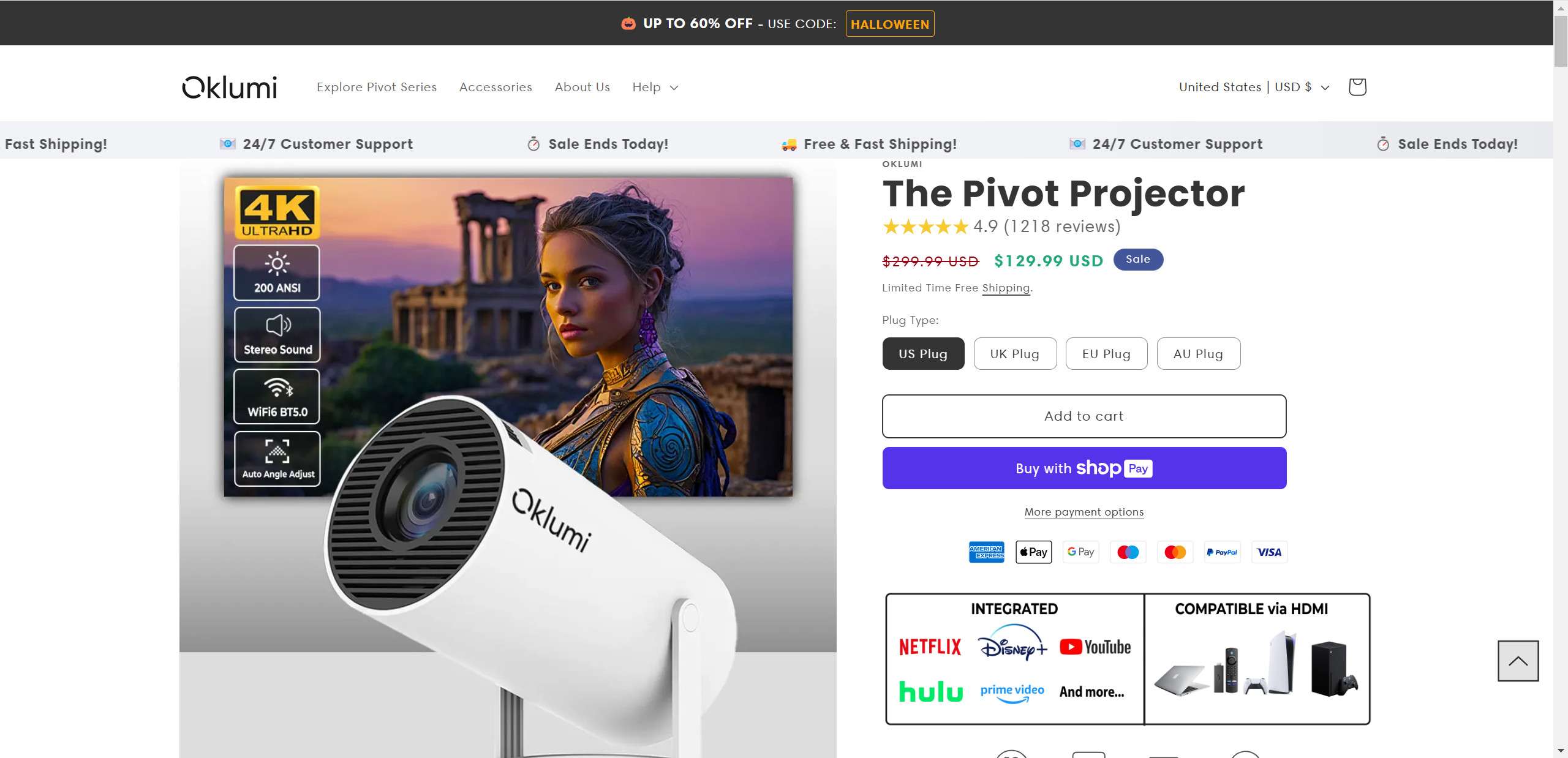
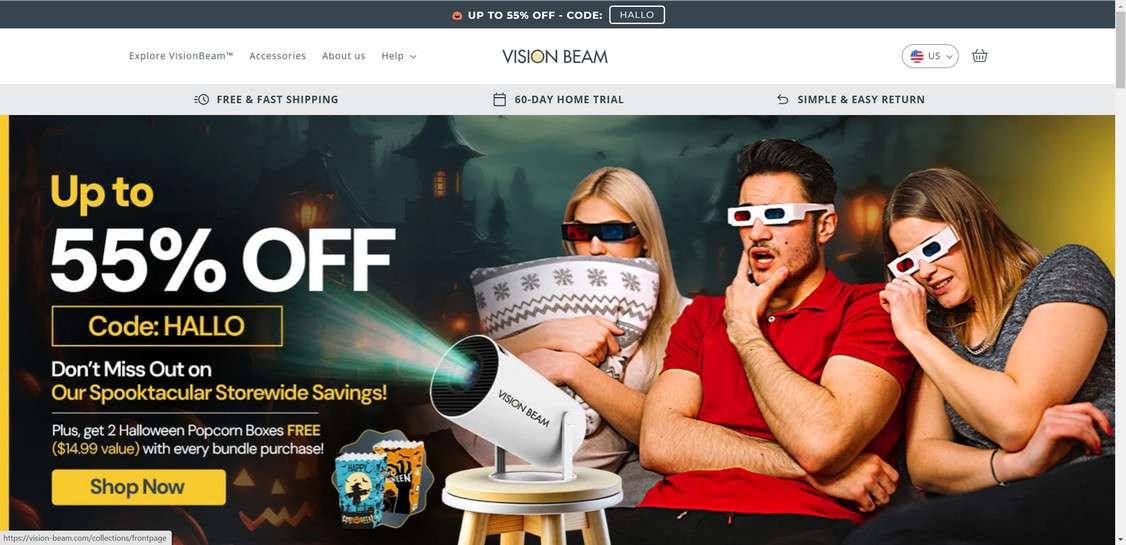
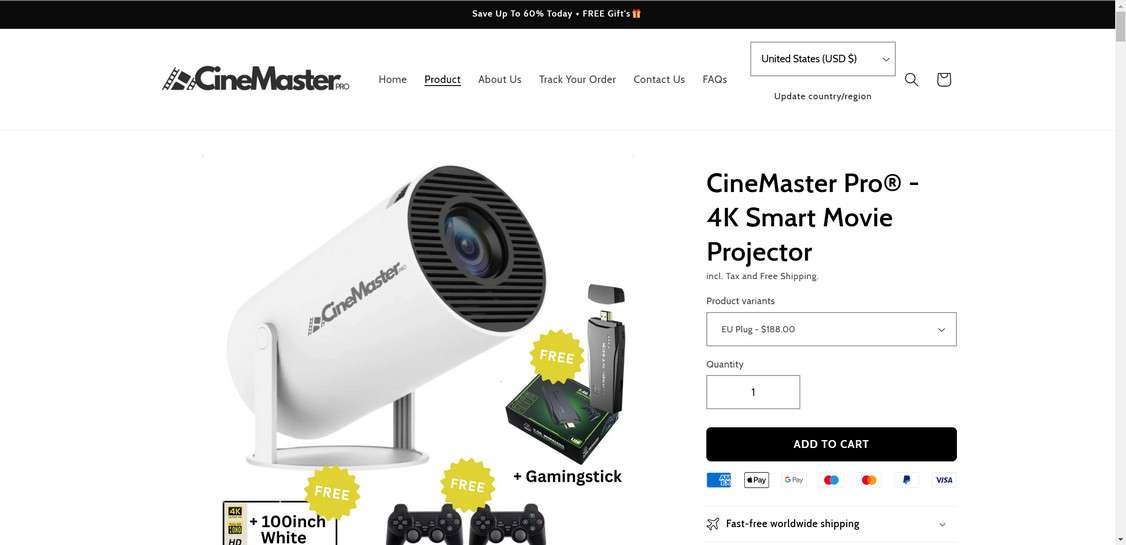
All follow the same playbook – exaggerated 4K claims, fake projected image demonstrations, fabricated positive reviews, and aggressive sales tactics using FOMO.
And across all these suspiciously similar projectors, there is never any real company listed, address provided, or way to contact an actual representative. Refunds are universally difficult if not impossible to obtain.
This pattern of generic projectors repeatedly emerging under new monikers strongly indicates a large underlying dropshipping operation. The goal seems to be capitalizing on the latest viral marketing trends to sell rebranded, OEM sourced projectors at inflated profit margins.
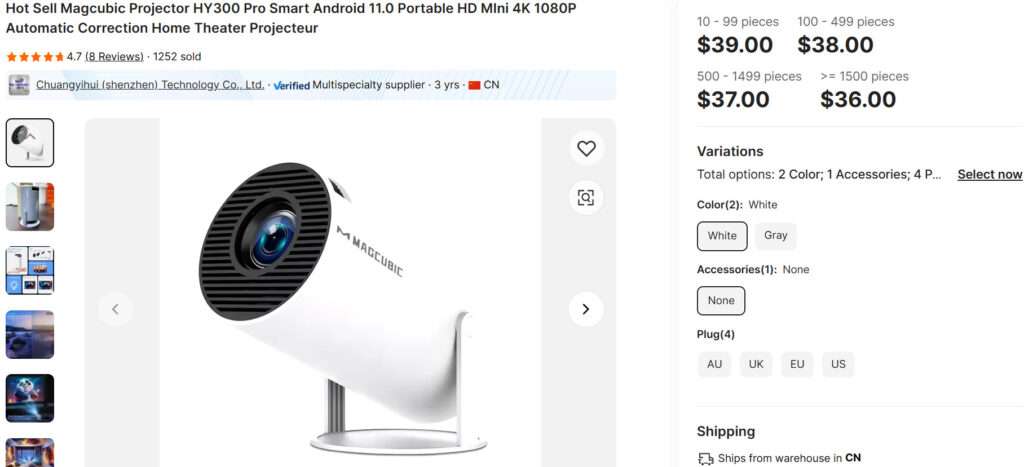
Prospective buyers would be wise to exercise caution and skepticism when evaluating any new viral projector like the NexVision. Look beyond the hype, scrutinize the specs, and confirm credibility before purchasing. If no real company can be identified or the claims are unrealistic, steer clear of what is likely just a faceless dropshipping scam.
The Bottom Line: Proceed with Extreme Caution
The NexVision Projector provides a cautionary tale of the tactics used to peddle overhyped products direct from Chinese factories at inflated prices. From misleading specs to fake reviews and strong-arm sales tactics, all signs point to this being another dropshipping projector not worth the risk.
Until extensive objective reviews from verified owners in real-world settings confirm its true capabilities, consumers are advised to hold off. With no chance for pre-purchase evaluation or trial periods, and refunds unlikely, the safest bet is to avoid being seduced by the NexVision Projector’s viral hype machine.
For home cinema on a budget, better options exist from brands like Optoma and BenQ. Seek out 1080p projectors from reputable retailers, weighing specs like brightness, contrast ratio and warranty terms to make the smartest choice. Your eyes (and wallet) will thank you for taking the time to see through the NexVision Projector’s dubious claims.
This article is for educational purposes only and does not constitute professional, financial or legal advice. The content is intended for general information and should not be construed as definitive guidance. Information contained herein is subject to change without notice.  For concerns, please contact us via the provided form.
If you are the owner of the website or product in question and wish to offer clarifications regarding your business or website, please reach out to us through the provided Contact Form.








