


You send a friend a link to a pair of shoes. They open the same listing and see a price you weren’t offered.
New York City lawmakers want to put limits on one possible reason for that difference. First, it’s worth knowing what a comparison can actually show.
Overview
What New York City voted on
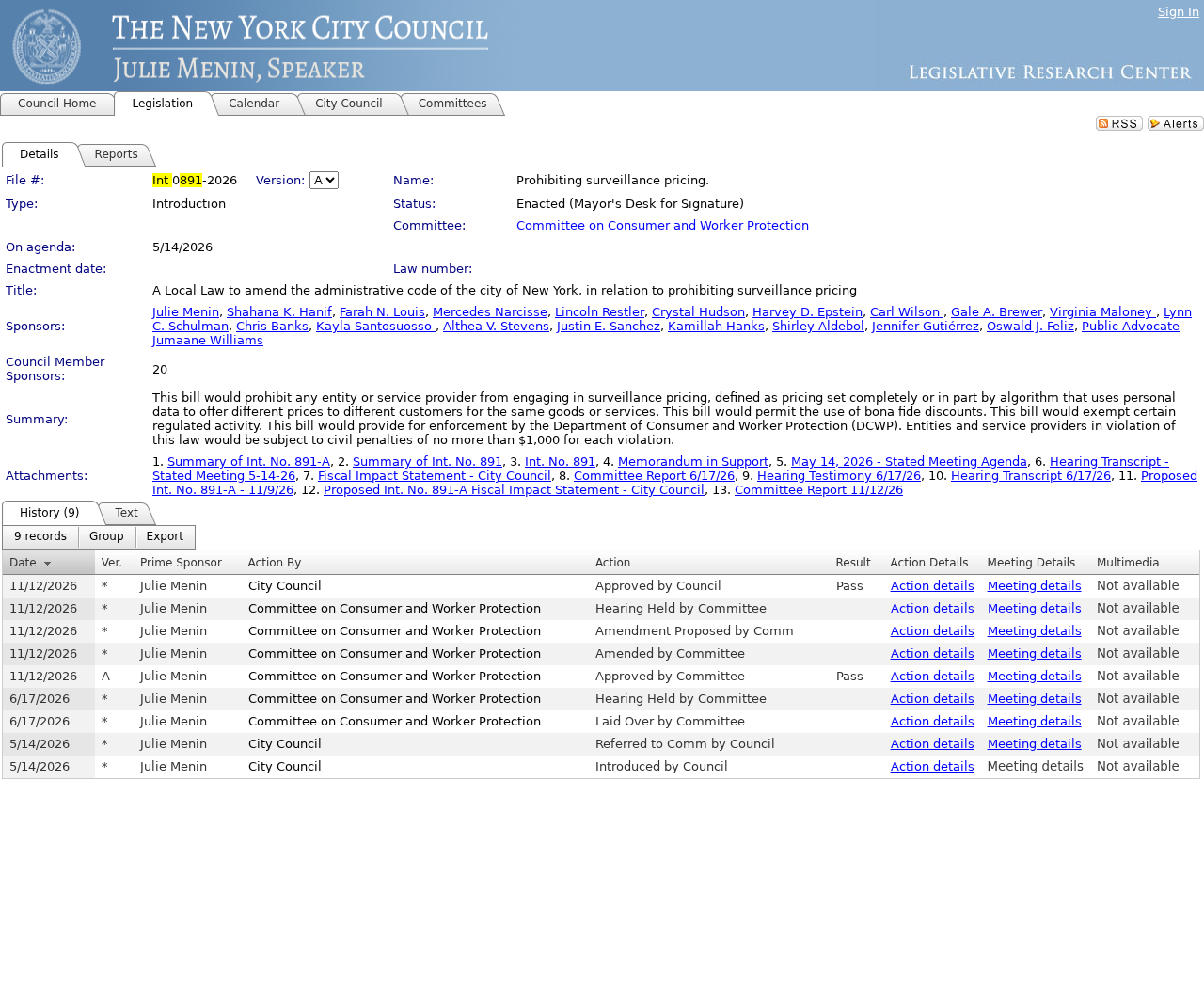
The New York City Council approved Introduction 891-A on November 12, 2026. The bill targets pricing that uses an algorithm and personal data to offer different prices to different shoppers.
The Council’s legislative record shows the bill at the mayor’s desk. It says the measure takes effect one year after it becomes law.
A Council vote isn’t the same as a prohibition already in force. Check the official record for any later enactment date before relying on the new rules.
A price difference doesn’t tell you how it was set
A store can change its price when a sale ends or stock runs low. It can also show different delivery costs for two addresses.
The question here is different: did the seller use information about the person to decide what that person would pay for the same thing?
That answer may not appear on the receipt. A side-by-side comparison can give you something to ask about, but it doesn’t expose the retailer’s pricing system.
What to record before calling it a pattern
Comparisons are more useful when you can rule out obvious differences. Start with these details:
- The exact item, model, size, color and quantity.
- The seller fulfilling the order, not only the marketplace name.
- The delivery or pickup location and the quoted delivery speed.
- The base price, discounts, required fees and final payable amount.
- The time you checked, and whether you were signed in or using a membership benefit.
A screenshot of the same product photograph isn’t enough. A different seller can use the same image while offering different stock, prices and shipping.
How Surveillance Pricing Differs From Other Price Changes
A discount that anyone eligible can see
A student discount can give two people different totals without secretly grading them on what they’re willing to pay. The qualifying rule should be clear.
The bill allows bona fide custom discounts under conditions. A seller can’t rely on that label alone if the offer isn’t available uniformly to people who meet the disclosed criteria.
Think of the difference between an advertised discount for anyone with a qualifying membership and a price that changes because a system estimates what you will tolerate.
A membership screen doesn’t automatically explain the result. Check which discount it names and whether it applies to the specific item you selected.
A price that changes for everybody
Suppose a concert seat costs more after the cheapest section sells out. The change might come from the remaining inventory, not information about your shopping habits.
A store can also end a public sale while you are deciding. If your friend checked earlier, both prices could be accurate for their respective times.
The Council’s language specifically concerns personal data used by an algorithm. It doesn’t say that every price must stay the same all day.
Start by comparing prices at roughly the same time. If they change together after a public promotion ends, that is a different observation from simultaneous individualized prices.
The data that can sit behind the offer
The FTC’s surveillance pricing work describes intermediaries that can use data such as location, shopping history or browsing behavior to influence targeted prices or offers.
That does not mean the FTC found that every retailer uses those tools. Its initial work concerned selected pricing intermediaries and what their systems could do.
A tailored coupon might give one shopper a lower total. Another shopper could see no discount. Individualized pricing isn’t necessarily a higher price for every person affected.
The problem for consumers is visibility. You can compare totals without knowing whether the difference came from a promotion, a delivery choice or an unseen customer profile.
What the New York City Bill Would Change
It addresses more than the number displayed at checkout
The approved text would prohibit covered surveillance pricing in offers to city consumers. It also addresses advertisements and handling personal data to facilitate that pricing.
The wording covers prices set partly by an algorithm, not just prices decided by software with no human involvement. The relevant issue is how personal data is used.
The proposal also describes procedures for consumers to request information about how personal data was considered. That isn’t the same as immediate access to a retailer’s algorithm.
If you’re shopping outside New York City, don’t assume the proposal automatically applies to your transaction. The bill defines the consumer and business activity it covers.
Exceptions still matter
The approved text identifies certain regulated activities and situations separately, including insurance and specified creditworthiness decisions. Don’t use a retail price comparison to interpret a loan offer.
Some location information is excluded from its personal-data definition when knowingly provided and used for specified purposes, such as calculating trip mileage or local conditions.
That matters when two delivery totals differ because one person lives farther away. An address used to estimate mileage isn’t the same issue as a profile predicting willingness to pay.
The bill also preserves qualifying discounts. If a retailer offers everyone who meets a publicly disclosed condition the same deal, document that condition before drawing a conclusion.
An enforcement provision isn’t a refund promise
The Council text names the Department of Consumer and Worker Protection and describes civil penalties and enforcement. It doesn’t promise a payment whenever shoppers spot different prices.
Keep the distinction between an observed price difference and a charge that exceeded the checkout total you accepted. Those are separate consumer complaints.
If you want to track the law, use the Council file number rather than a headline saying the ban is already active. Look for enactment and effective dates.
Compare Two Offers Without Changing Everything at Once
Start with the item and the seller
Open both listings and check the model number. A bundle with a charger and a listing without one can have the same product title in search.
On a marketplace, compare the actual seller and fulfillment terms. Two businesses can sell the same product on one page without sharing a single price.
Look at the condition too. New, refurbished and open-box products can be grouped under the same name. A warranty difference can change the value of the comparison.
Save what you actually saw, not what a search result promised. A search preview can show an old price or a different variation.
Keep delivery and fees separate
For a grocery order, compare the same pickup location or delivery address. An order fulfilled by another store can have different prices, inventory and minimums.
Don’t confuse a small shelf-price difference with a larger checkout total. Record shipping, optional upgrades and any required fee on separate lines.
If the difference appears only after changing delivery speed, repeat the comparison with the same speed selected. You may be looking at two services rather than one.
A coupon that expires while you compare can also change the total. Record the time and stated terms rather than relying on the browser’s history alone.
Test sign-in changes carefully
If a retailer lets you shop while signed out, compare that view with the signed-in view while keeping the item and delivery location the same.
A private window can reduce access to existing browser cookies. It doesn’t make you anonymous or guarantee that a store stops using other information.
Don’t create a false identity or share someone else’s account to run a test. The useful question is whether the comparison holds under conditions you can accurately describe.
If the totals are different, save both. If they match the next day, keep that result too; it narrows what you can responsibly say about the first observation.
What to Do If You See a Different Price
- Pause before paying. Check whether the cheaper offer is available from the same seller on the same terms and whether it works at checkout.
- Save screenshots of both totals and note the times. Remove addresses, account details and order identifiers before sharing them outside a private support channel.
- Ask the seller to explain the difference in writing. Specify the item and ask whether a coupon, membership, region or delivery choice affected the amount.
- If you already bought it, compare your receipt with the last price you accepted. Request a correction if the amount changed without your agreement.
- If support doesn’t resolve a documented issue, contact the relevant consumer agency or payment provider. Explain whether you saw a price difference or were charged incorrectly.
If you’re reporting a checkout discrepancy, include what the page showed immediately before payment. A screenshot from a search result does not show what you agreed to pay.
If you’re documenting a possible personal-data issue, say which conditions you held constant. Don’t describe what the algorithm did unless you have evidence of it.
Ask a friend for permission before sharing their screenshot. They may need to crop a delivery address or account name you never saw while comparing the totals.
Reduce Unnecessary Data Sharing While You Shop
You don’t have to give up useful delivery information to make a better decision. You can refuse optional account fields and permissions that don’t help the purchase.
Check whether an app needs precise location or can use a ZIP code instead. Give it the information needed for the service, not more by default.
Look at permissions and privacy options before joining a loyalty program. A coupon can be worth it, but you should know what you are signing up for.
If a business gives you privacy choices, read what each choice covers. Opting out of certain sharing may not stop the business using its own purchase records.
Keep receipts where you can find them without leaving shopping accounts open on a shared computer. You can preserve evidence without exposing your own payment and contact details.
When a Lower Price Is Actually Available
If the cheaper total appears on a page you can open yourself, try it without committing to the order. Check whether the difference survives the final summary.
A coupon may only apply after a minimum purchase. Buying something extra to unlock it can leave you paying more than the original total.
If the cheaper price is an advertised public offer, save the promotion and any expiry date. Ask support whether it will honor it for the exact item.
If the explanation is a membership fee, include the cost of joining in your comparison. A discount is only useful if it lowers what you’ll actually pay.
Keep the merchant’s reply with the screenshots. A specific answer about store location or eligibility is worth more than a guess about what your browser revealed.
Frequently Asked Questions
Did the Council vote make surveillance pricing illegal immediately?
No. The Council approved the bill, but the record reviewed showed it at the mayor’s desk. The bill’s effective date is one year after it becomes law.
Use the legislative file for current status. A news headline about passage does not tell you the day a business must start complying.
Does a higher price in my account prove surveillance pricing?
No. It gives you something to investigate, but different sellers, pickup stores, membership benefits or promotion timing can explain it.
Check the same item under the same conditions and document what you see. Ask the seller for an explanation before deciding what caused it.
Will the bill stop all loyalty discounts?
No. It allows bona fide discounts subject to conditions. The approved text requires qualifying offers to be applied uniformly to people who meet the disclosed criteria.
If you think a benefit was missed, ask for the eligibility rule and whether it applied to that purchase. Keep the reply with your receipt.
Is dynamic pricing the same thing?
No. A price can move with demand or availability without using personal data about a particular shopper. The two practices can overlap, but they aren’t identical.
The strongest comparison uses the same item, same seller and same time. Even then, you may not know the input that determined the price.
Will shopping in a private browser show me the lowest price?
Not necessarily. It changes which browsing data the site sees in that session, but it might also hide a genuine discount tied to your account.
Compare the final amount in both views where possible. Treat the result as a price comparison, not proof of what the retailer knows about you.
Can I challenge a price after paying?
If the final charge doesn’t match what you accepted, contact the seller and show the checkout total and receipt. Ask your payment provider about a dispute if needed.
If the issue is only that another shopper got a lower price, ask the seller to explain. The difference alone doesn’t establish that you were overcharged.
The Bottom Line
Don’t pay a higher total just to see why it changed. Compare the exact offer and use the better verified price if the terms really match.
If you already paid, keep the receipt and checkout evidence. Ask the seller to explain the discrepancy, and check the Council record before invoking the proposed rules.

Join the discussion
0 commentsShare your experience or ask a question about this article.
Discussion
Start the conversation
Have a question or something useful to share? Add the first comment.