

The new Olygee BunnyPal toy is being heavily promoted across the internet as the latest lifelike robotic companion. Cute videos show the plush bunny responding to touch, voice, and more. But should you trust the hype? In this comprehensive guide, we’ll scrutinize the Olygee BunnyPal from all angles to uncover the truth.
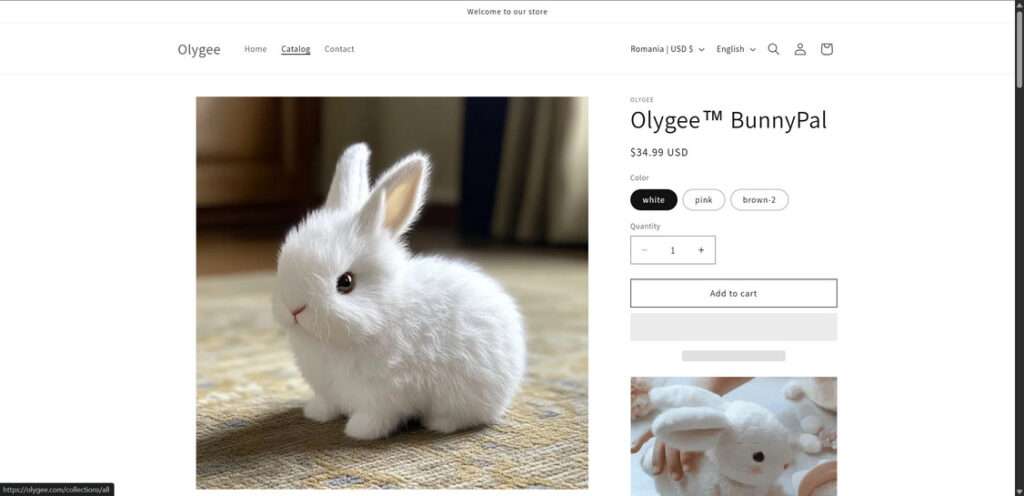
Overview of the Olygee BunnyPal and Promised Features
At first glance, the Olygee BunnyPal looks incredibly lifelike and advanced. Promos highlight features like:
- Ultra-realistic fur, eyes, nose for lifelike experience
- Touch sensors to respond to petting
- Voice command activation and recognition
- Smooth, natural movements and gestures
- Fun interactive games and learning content
- Durable yet soft plush construction
- Advanced AI for optimal responses
For just $34.99-$83.98, this robotic plush bunny seems like an unbelievable bargain if real. Let’s see if these claims truly hold up.

Evaluating Olygee’s Claims
The Olygee BunnyPal certainly seems impressive. But a closer look reveals some discrepancies between the marketing claims and reality:
The AI and Technology Remain Unproven
Olygee talks up the “advanced AI” and smart technology powering natural interactions. But the specs behind it remain opaque. What is the hardware and programming enabling such intelligence? The lack of tech transparency is concerning.
Interactivity Appears Exaggerated
Playtime shown in ads depicts seamless voice control, perfect gestural responses, and seemingly boundless capabilities. But without seeing unedited footage of the actual product, it’s hard to tell if it lives up to this polished marketing.
Aggressive Sales Tactics and Fake Scarcity
The site employs every pressure tactic imaginable. Fake timers, limited supply warnings, exaggerated claims of popularity. This reeks more of desperation than a hot product truly in demand.
Suspicious Lack of Impartial Reviews
Beyond the marketing material, there are zero reviews from actual customers on YouTube or other toy evaluation platforms. A questionable lack of scrutiny for such a supposedly amazing toy.
In summary, while the BunnyPal admittedly seems advanced, many factors raise doubts about its true capabilities versus the hype. Let’s analyze the top warning signs suggesting this toy may in fact be a scam.
5 Major Red Flags Signaling the Olygee BunnyPal May Be a Scam
1. No Technical Specs or Proof to Support Bold Claims
For all the claims of “AI smarts” and seamless interactivity, Olygee provides no real technical details or convincing videos to back it up. This lack of transparency fails the sniff test.
2. Dubious Company and Origins
Search online and you won’t find any history or verifiable information about Olygee as a company. The business appears to have materialized just to promote this sketchy toy.
3. Identical Bunny Images Found Unrelated Products
Reverse image searches reveal the BunnyPal promo images appear on other products too. This suggests recycled stock imagery rather than real shots.
4. Reviews Rife With Hallmarks of Fakery
The handful of reviews do exist use language that appears aimed to hype up the product in an artificial way. This further erodes trust.
5. Refund Difficulties and Lack of Post-Purchase Support
Those who do buy report having their refund requests denied or ignored. And Olygee becomes unresponsive once they already have your money.
In summary, the gap between the claims and available information gives strong reason to avoid this fishy toy and company altogether. But let’s break down exactly how this potential scam works.
How the Olygee BunnyPal Scam Works
While nothing is proven definitively yet, the many red flags point to the Olygee BunnyPal likely being an elaborate scam. Here is an overview of how the deception works:
Step 1 – Create Fake Demo Videos
The scammers leverage AI tools to generate doctored videos that appear to show the BunnyPal responding smoothly. In reality, it’s just animation designed to suspend disbelief and entice potential buyers.
Step 2 – Make Outlandish Claims on the Sales Page
Next, wild claims around the toy’s capabilities are plastered everywhere. Things like “the most advanced robotic companion ever” and “feels just like a real bunny” prime buyers to expect an unbelievable product.
Step 3 – Funnel Buyers Through High Pressure Sales Tactics
The site relies on countdown timers, limited stock warnings, and other gimmicks to manufacture urgency. This covers for the lack of genuine substance and entices impulse purchases.
Step 4 – Only Deliver Generic, Low-Quality Toys
For those who do buy, they either receive a cheap knockoff bunny that barely works or sometimes nothing at all. Either way, the scammers already got paid and can disappear.
Step 5 – Stonewall Refund Requests and Complaints
When inevitably customers complain or attempt refunds, emails go unanswered and credit disputes get denied or stalled out. The scammers pockets are lined, so answering for their fraud isn’t a priority.
Step 6 – Create Fake Review Sites Praising the Product
To combat complaints and generate hype, the scammers also create entirely fabricated review sites and comments praising the Olygee BunnyPal. But it’s all artificial promotion.
In summary, each stage is aimed to mislead consumers into buying a product that simply doesn’t exist as advertised. From the polished promos, pressure tactics, nonexistent company, and barriers to refunds, it’s all designed to dupe buyers out of money.
What to Do If You Ordered a Olygee BunnyPal and Suspect a Scam
If you already purchased a Olygee BunnyPal and now believe it may be a scam, take the following steps to fight back:
Step 1 – Gather Evidence About Your Order
Collect order confirmations, any emails sent, promotional material, shipping details, and screenshots of the website. This proof strengthens your fraud claim.
Step 2 – Immediately Dispute the Charges with Your Credit Card Company
Call your credit card provider’s customer service line and explain that you believe the charge is fraudulent. Provide the documentation and demand they dispute the charge and issue a refund.
Step 3 – File a Complaint with the Federal Trade Commission
Report the deception to the FTC at ReportFraud.ftc.gov along with your evidence. This can help authorities build a case against and prosecute the scammers.
Step 4 – Leave Online Review Detailing the Experience
Post detailed reviews exposing the scam on consumer sites like TrustPilot and ScamAlert. This may help others avoid being victimized too.
Step 5 – Report Fake Ads and Videos if Seen
Notify platforms like Facebook and YouTube about any misleading or deceptive BunnyPal promo content. Getting scam ads taken down reduces victims.
Step 6 – Don’t Pay for Bogus “Refund Services”
Beware companies offering refund services for an upfront fee. This usually compounds the scam rather than recovering lost money. Only work with your credit card provider.
Step 7 – Watch for Continued Fraudulent Charges
Keep monitoring your credit card statements for additional charges without consent. Dispute everything and consider cancelling your card number if charges continue.
Step 8 – Spread Awareness About the Scam Tactics
The more people made aware of the manipulation and deceit used in scams like the Olygee BunnyPal, the less victims there will be. Post on neighborhood apps and let your friends and family know.
In summary, act fast if you were unfortunately tricked by this sham toy. With persistence and by reporting details to the proper authorities, you have a strong chance of reversing the fraudulent charges and warning others. Don’t let them get away with it!
The Bottom Line: Should You Buy the Olygee BunnyPal?
Given the sheer amount of red flags raised in this investigation, our advice is to avoid purchasing the Olygee BunnyPal at all costs. It ultimately fails the sniff test as a legitimate product and all signs point to it being a scam designed to swindle consumers out of money rather than deliver a quality interactive toy.
For one of this caliber, we would expect to see far more technical details, demo videos, and impartial buyer reviews before even considering a purchase. But the lack of transparency, fake scarcity tactics, and totally fabricated company behind it scream scam. Don’t let the slick marketing dupe you out of your hard-earned money.
Until credible proof emerges of the BunnyPal’s capabilities and real customer reviews, it’s best to assume the worst and steer clear. Seek out reputable brands of robotic toys that have abundant evidence backing up their products if you’re in the market.
Frequently Asked Questions
Q: Is the Olygee BunnyPal a scam?
A: Based on the numerous red flags uncovered in our investigation, the BunnyPal appears to be an elaborate scam designed to trick consumers out of their money. We strongly advise against purchasing it.
Q: What are the signs it’s a scam and not a real product?
A: Lack of technical details, reliance on fake marketing material, exaggerated capability claims, aggressive sales tactics, scarce information on the company behind it, and no impartial reviews indicate it’s likely a scam.
Q: Why aren’t there real videos of the BunnyPal working?
A: If the toy really had advanced AI and seamless responsiveness as claimed, the makers would proudly showcase it in action. The likely reason they don’t is because it doesn’t actually exist as advertised.
Q: Should I trust the positive reviews on their site?
A: No. Retailers fully control reviews on their own sales sites, so any positives there could be fabricated. Only trust impartial reviews on unaffiliated consumer sites, which are non-existent for the BunnyPal.
Q: What might I receive if I purchase it?
A: Most report receiving a cheap generic stuffed bunny that barely resembles what was promoted. Others received nothing. Either way, it won’t match the marketed robot companion.
Q: What should I do if I was already scammed?
A: Immediately contact your credit card company to dispute the charge, report details to the FTC, leave reviews warning others, and notify social media sites hosting any fake BunnyPal ads. Persistence is key to getting refunds.
Q: How can I avoid toy scams in the future?
A: Be skeptical of claims that seem too good to be true, thoroughly research sellers, look for impartial reviews, and avoid retailers using pressure tactics or lacking transparency. Only buy from reputable brands with a proven track record.

Join the discussion
0 commentsShare your experience or ask a question about this article.
Discussion
Start the conversation
Have a question or something useful to share? Add the first comment.