

When it comes to managing your Nokia smartphone, you may have come across a program called PC Connectivity Solution. This software, developed by Nokia, is designed to facilitate the connection between your Nokia phone and your computer. However, you may be wondering whether you should keep this software installed on your PC or remove it. In this article, we will explore what PC Connectivity Solution is, its features, potential benefits, and whether it is necessary for your device.
What is PC Connectivity Solution?
PC Connectivity Solution is a software program developed by Nokia to establish a connection between your Nokia phone and your computer. It acts as a bridge, allowing you to transfer files, synchronize data, and perform various tasks between your phone and PC. The software is compatible with a wide range of Nokia devices and provides a seamless experience for users.
Features and Benefits
PC Connectivity Solution offers several features and benefits that can enhance your Nokia smartphone experience:
- File Transfer: With PC Connectivity Solution, you can easily transfer files between your Nokia phone and your computer. Whether it’s photos, videos, music, or documents, you can quickly and conveniently move them back and forth.
- Data Synchronization: The software allows you to synchronize your contacts, calendar, and other data between your phone and PC. This ensures that your information is always up to date on both devices.
- Software Updates: PC Connectivity Solution also enables you to check for and install software updates for your Nokia phone. This ensures that you have the latest features, bug fixes, and security patches.
- Backup and Restore: You can use the software to create backups of your Nokia phone’s data and restore them if needed. This provides an extra layer of protection for your important files and settings.
Do I Need PC Connectivity Solution?
Whether you need PC Connectivity Solution depends on your usage and preferences. Here are a few factors to consider:
- Device Compatibility: PC Connectivity Solution is specifically designed for Nokia devices. If you own a Nokia phone, the software can greatly simplify the process of managing your device.
- Transfer and Synchronization Needs: If you frequently transfer files between your phone and PC or need to synchronize data, PC Connectivity Solution can be a valuable tool. It streamlines these tasks and saves you time.
- Alternative Solutions: If you prefer using other software or methods for managing your Nokia phone, such as cloud services or third-party applications, you may not need PC Connectivity Solution.
Ultimately, the decision to keep or remove PC Connectivity Solution depends on your individual requirements and preferences. If you find the software useful and it enhances your Nokia smartphone experience, there is no harm in keeping it installed on your PC.
Should I Remove PC Connectivity Solution?
If you have decided to remove PC Connectivity Solution from your PC, it is important to do so correctly to avoid any potential issues. Here is a step-by-step guide:
- Open the Control Panel on your computer.
- Navigate to the “Programs” or “Programs and Features” section.
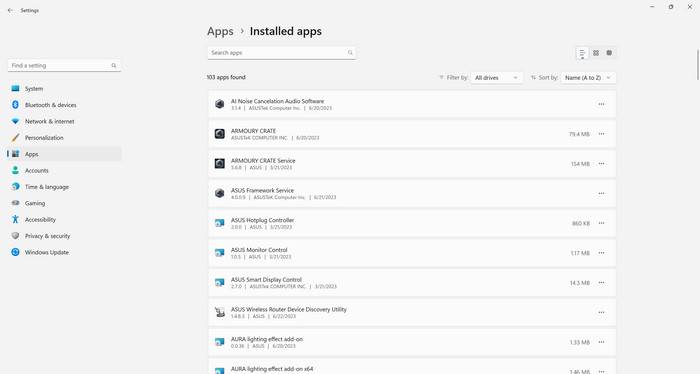
- Locate PC Connectivity Solution in the list of installed programs.
- Select the software and click on the “Uninstall” or “Remove” button.
- Follow the on-screen instructions to complete the uninstallation process.
After removing PC Connectivity Solution, it is recommended to scan your computer for any potential malware or unwanted programs. Malwarebytes Free is a reliable and effective tool for scanning and removing malware. You can download it from here.
Conclusion
PC Connectivity Solution by Nokia is a software program that facilitates the connection between your Nokia phone and your computer. It offers features such as file transfer, data synchronization, software updates, and backup and restore capabilities. Whether you should keep or remove PC Connectivity Solution depends on your individual needs and preferences. If you frequently transfer files or synchronize data between your phone and PC, the software can be a valuable tool. However, if you prefer alternative methods or find the software unnecessary, you can safely remove it from your PC. Remember to scan your computer for malware after uninstalling any software, and consider using Malwarebytes Free for this purpose.

Join the discussion
0 commentsShare your experience or ask a question about this article.
Discussion
Start the conversation
Have a question or something useful to share? Add the first comment.