

You’ve probably seen the viral videos. A simple mix of Himalayan pink salt, lemon juice, and warm water that supposedly melts away belly fat. Some clips even feature Oprah Winfrey or Hoda Kotb raving about it. Sounds too good to be true? That’s because it is.
Behind the emotional testimonials and dramatic visuals is a slick, coordinated scam that’s targeting people looking for quick health fixes. These ads are not just misleading, they’re dangerous. This article breaks down how the scam works, what red flags to look for, and what you can do if you’ve already been caught in it.
Scam Overview: What Makes It So Convincing
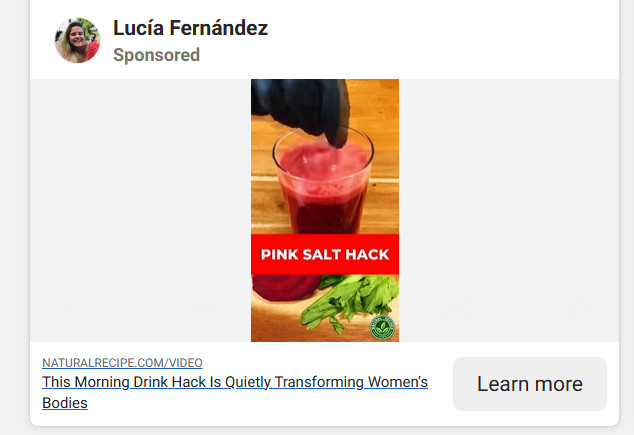
The pink salt weight-loss scam has become a digital epidemic. It begins with highly produced videos and clickbait articles that promise a natural, effortless solution to weight loss. The so-called recipe usually involves common ingredients: Himalayan pink salt, lemon juice, warm water, and sometimes honey or apple cider vinegar. But the real agenda is selling you an expensive product hidden behind fake promises.
Fake Celebrity Endorsements
One of the most insidious aspects of the scam is the use of AI-generated deepfake videos. Scammers use artificially created footage to make it look like Oprah or Hoda Kotb are personally recommending the product. These deepfakes are sophisticated—mouth movements synced, voice tones eerily close—but they’re fake. Oprah has never endorsed any pink salt weight-loss drink.
The “Recipe” Keeps Changing
Another red flag is the inconsistency. One ad might tell you to use lemon and salt. Another will swear by turmeric and apple cider vinegar. Yet another introduces exotic ingredients like mountain root or quercetin. The reason? Confusion sells. By constantly changing the formula, scammers keep the viewer guessing and more likely to believe their proprietary blend is the only “real” version.
Emotionally Manipulative Tactics
These videos often follow a specific emotional arc. They begin with desperation—a person who has “tried everything.” Then comes the miracle breakthrough, usually a mysterious ancient secret or a tip from a celebrity wellness guru. The message? You’re not just buying a supplement. You’re unlocking a miracle.
Bait and Switch Marketing
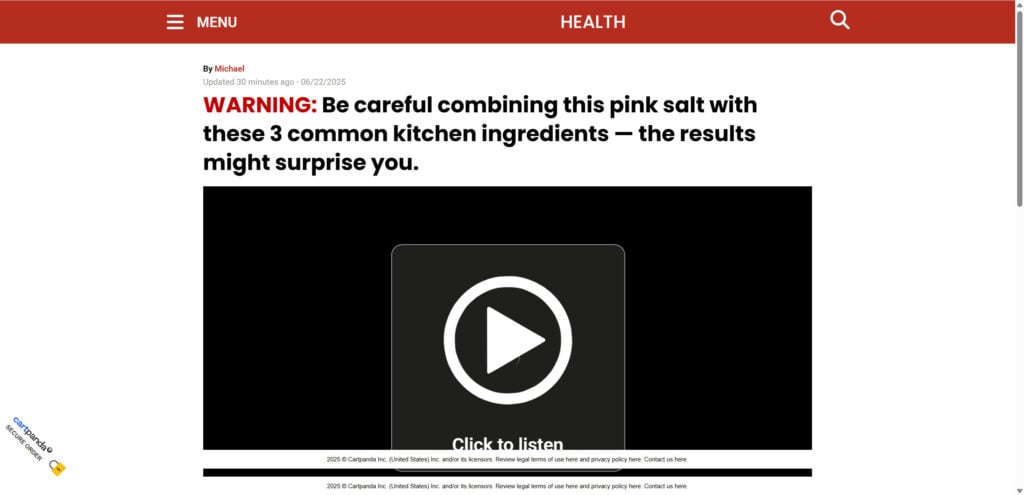
Initially, you’re told the ingredients are likely already in your kitchen. But partway through the video or article, the message shifts. Suddenly, the key ingredient is something rare and only available through their specific product. This tactic is called bait and switch—and it’s designed to lure you in with simplicity and hook you with exclusivity.
Over-the-Top Claims
The claims are nothing short of miraculous: lose 20, 50, even 100 pounds without changing your diet or exercising. There’s no scientific basis for these claims. Saltwater cannot detox your body in any meaningful way, nor does it magically burn fat. These are scientifically unsound promises made to manipulate your hope.
AI-Driven, Long-Form Videos
The videos often run for over an hour, subtly encouraging you to stay invested and emotionally attached to the story. They drag on just long enough to build trust before hitting you with a product pitch. And often, they prevent you from skipping ahead, ensuring you stay engaged until the very end.
Scarcity and Urgency
The product is often presented as available for “a limited time” or in “short supply.” Sometimes, you’re told it’s only available today or that there’s a discount for the next 10 minutes. These artificial deadlines are designed to push you into an emotional, impulsive decision.
This scam thrives on urgency, manipulation, and deception—all tied together with the false credibility of familiar celebrity faces. Up next, we’ll walk you through how the entire scam works step by step so you can protect yourself and others.
How the Scam Works: A Step-by-Step Breakdown
Step 1: The Hook — Viral Video or Clickbait Article
It begins with a social media ad, a YouTube video, or a sponsored post. These often show a dramatic transformation or a shocking quote like “Oprah’s secret to overnight weight loss.” The visual appeal and emotional bait are designed to get you to click and start watching.
Step 2: The Emotional Storytelling
Once you’re hooked, the content shares a long, emotional story. It might follow someone who tried every diet and failed until they discovered this “ancient trick.” Often, this story is entirely fictional but designed to sound real. They want you to relate emotionally and believe you’re about to learn something transformative.
Step 3: The Shifting Recipe
As the story unfolds, the video teases a simple home remedy: pink salt, lemon juice, and warm water. Then it changes. Suddenly, it’s a rare herb. Or a detoxifying root. The story evolves to highlight that you can’t get the real results without one “exclusive” ingredient.
Step 4: Fake Science and Pseudomedical Claims
The narrator may flash fake scientific diagrams or quote imaginary studies. They use phrases like “clinical trials,” “doctor-approved,” or “ancient health secret” to make the product sound legitimate. None of these are backed by real science. These claims are just enough to sound convincing, but never include sources you can verify.
Step 5: AI-Generated Endorsements
Using deepfake technology, the scam videos make it appear that Oprah or other celebrities are endorsing the product. Their voices, mannerisms, and backgrounds are digitally replicated to fool even discerning viewers. These endorsements are completely fabricated.
Step 6: The Scarcity Trap
Before the sales pitch, you’re warned that this product is in high demand, and supply is limited. This false scarcity encourages impulsive buying. “Only 5 bottles left,” or “Offer expires in 10 minutes,” are all scripted lies.
Step 7: The Checkout — Overpriced, Underwhelming
You’re finally led to a checkout page where the product is heavily overpriced, often bundled in multi-bottle packages. They encourage bulk purchases with fake discounts, like “Buy 3, Get 2 Free.” Once purchased, customers often receive nothing or a product completely different than promised.
Step 8: Ghosting and No Refunds
Once your money is taken, customer service is nonexistent. Refunds are denied, and emails go unanswered. The companies often operate under vague names and change frequently to avoid tracking.
Step 9: Resell and Retarget
If you fall for the scam, your personal information may be resold to other marketers. You may start receiving more sketchy offers or fake health products, compounding the harm.
What to Do If You’ve Fallen Victim to This Scam
- Stop All Contact: Do not respond to emails or calls from the company. Do not purchase anything else.
- Contact Your Bank: Request a chargeback or dispute the transaction. Banks are often able to reverse scam charges if caught early.
- Report to Authorities:
- Federal Trade Commission (FTC) – reportfraud.ftc.gov
- Better Business Bureau – bbb.org
- Your local consumer protection office
- Check Your Credit Report: If you entered personal information, monitor your credit for unusual activity. Consider placing a fraud alert.
- Warn Others: Share your experience with friends and family. Report scam videos and ads to social platforms.
- Use Scam Reporting Sites: Report the website and product to Scamwatch or similar watchdog platforms to help shut them down.
- Watch for Follow-Up Scams: Scammers often target past victims. Be cautious of calls or emails offering refunds or “legal compensation.”
The Bottom Line
The pink salt weight-loss recipe scam is nothing more than a well-crafted digital trap. It exploits trust, hope, and familiarity through deepfake videos and deceptive marketing tactics. If something promises effortless weight loss with everyday ingredients and celebrity backing, it’s likely a lie.
Stay skeptical, stay informed, and always verify before you buy. Your health and wallet deserve better than false hope.
FAQ: Oprah’s Pink Salt Recipe Weight-Loss Scam
What is the Oprah Pink Salt weight-loss scam?
The Oprah Pink Salt scam is a fraudulent online scheme that promotes a fake weight-loss recipe using Himalayan pink salt. The scam often features AI-generated videos with fake celebrity endorsements, including Oprah Winfrey, to sell overpriced and ineffective health products under the guise of a “miracle” weight-loss solution.
Did Oprah actually endorse the pink salt recipe?
No, Oprah Winfrey has never endorsed any pink salt weight-loss drink. The videos that claim otherwise use AI deepfake technology to fabricate endorsements. These manipulated clips are designed to appear real but are 100% fake.
How do scammers convince people the pink salt recipe works?
Scammers use emotionally charged stories, false testimonials, and changing ingredient lists to create the illusion of authenticity. They also include pseudo-scientific jargon, fake diagrams, and countdown timers to instill urgency and trust in the viewer.
Is there any scientific evidence behind the pink salt recipe?
No. There is no scientific proof that pink salt, lemon water, or similar combinations result in significant weight loss. Reputable health professionals agree that no such “trick” can replace a balanced diet and regular exercise.
What are the red flags that show it’s a scam?
Key red flags include:
- Fake celebrity endorsements using deepfake technology
- Constantly changing recipe ingredients
- Claims of rare, secret ingredients
- Promises of rapid weight loss without lifestyle changes
- Pressure tactics like countdown timers and fake scarcity
What happens if I buy the product promoted in these ads?
Victims often receive either a completely different product or nothing at all. In many cases, the seller disappears after the transaction. Even when products are shipped, they usually have no health benefits and may not be safe.
Can I get a refund if I’ve been scammed?
Refunds are rarely honored. However, you may be able to dispute the charge with your credit card company or bank. Acting quickly increases your chances of getting your money back.
Where should I report the scam?
You can report the scam to:
- FTC – reportfraud.ftc.gov
- Better Business Bureau – bbb.org
- Your local consumer protection office
- Social media platforms to get scam content removed
Will my personal information be used if I fall for the scam?
Unfortunately, yes. Scammers may resell your contact and payment details to other malicious actors. This can lead to more scams, phishing emails, or even identity theft.
How can I avoid similar scams in the future?
To stay safe:
- Be skeptical of miracle cures and weight-loss shortcuts
- Verify celebrity endorsements from official sources
- Check for proper contact information and refund policies on websites
- Research the product name online with the word “scam” or “review”

Join the discussion
0 commentsShare your experience or ask a question about this article.
Discussion
Start the conversation
Have a question or something useful to share? Add the first comment.