

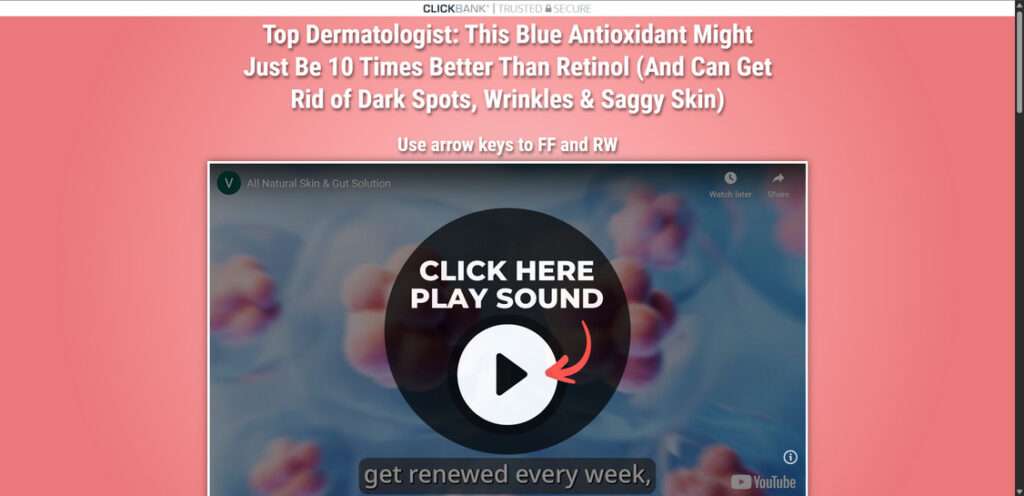
You may have seen it — an ad for a miraculous 15-second skincare hack that promises to reduce wrinkles, improve your gut, and help you lose weight. Often marketed under buzzwords like “Blue Antioxidant Method” or pushed by a so-called expert named Dr. Jessica Burgy, these ads all funnel back to the same product: Prime Biome.
At first glance, it seems promising. A natural supplement that fixes your gut microbiome and helps your skin glow? Sounds like a win. But dig a little deeper, and the red flags start piling up.
In this article, we break down the Prime Biome scam — how it’s promoted, the misleading tactics used to lure customers, what actually happens when you order, and how to protect yourself if you’ve already been targeted.
What Is Prime Biome and Why It’s Problematic
Prime Biome is marketed as a probiotic-based supplement that improves gut health, which supposedly leads to clearer, younger-looking skin. It’s sold online through long, emotionally charged video pitches and flashy landing pages promising a revolutionary anti-aging solution.
Claims That Raise Red Flags
Here are just a few things Prime Biome claims to do:
- Rejuvenate skin and reduce visible signs of aging
- Repair gut microbiome damage
- Boost energy and mental clarity
- Help drop a dress size or more
- Reduce bloating and inflammation
And it’s all achievable in just 15 seconds a day — with a single pill.
The issue? None of these claims are backed by verified clinical studies, and the company provides no ingredient transparency, scientific citations, or regulatory documentation. The so-called “Blue Antioxidant Method” tied to Prime Biome has no basis in medical science.
No Verified Doctor or Scientific Support
The product is often associated with a name like Dr. Jessica Burgy, allegedly a medical professional who discovered the link between gut health and aging. But search for her credentials and you’ll find nothing. No publications. No profiles. No licensure. That’s a massive red flag.
Similarly, the videos and product pages reference vague “Harvard studies” and “latest breakthroughs in gut science” — yet no specific studies or peer-reviewed research is ever cited.
Lack of Transparency
Customers are given limited or no access to:
- Full ingredient list
- Manufacturer contact info
- Clear refund and cancellation policies
- Real customer reviews
These are core signs of a scam. Legitimate health products are transparent about what’s inside them and who is behind them.
Fabricated Reviews and Testimonials
The Prime Biome sales pages and videos often feature overly dramatic before-and-after stories or glowing reviews from women claiming their skin and body completely transformed. However, many of these stories use stock images, AI-generated testimonials, or actors. Real customers report something very different.
Consumer Complaints
Reports on platforms like Reddit, Trustpilot, and Better Business Bureau mention:
- No results or noticeable effects
- Unwanted recurring charges
- No customer service response
- Misleading “free trial” offers
- Difficulty cancelling subscriptions
Many customers say they felt manipulated into buying — and then couldn’t get out.
How the Prime Biome Scam Works: Step-by-Step Breakdown
Understanding the full lifecycle of this scam helps expose the playbook these companies use to gain your trust — and your money.
Step 1: The Hook
It starts with an ad on social media, YouTube, or a shady news-like blog. The headline often reads something like:
- “15-Second Trick Melts Wrinkles and Belly Fat — Doctors Shocked”
- “Your Gut Is Making You Age 7x Faster”
- “She Skipped Botox and Used This Instead”
These ads use emotional language, fear-based marketing, and bold promises to attract attention.
Step 2: The Video Sales Funnel
Clicking the ad leads to a long video hosted on sites like getprimebiome.com. The video:
- Starts quickly, but then slows down to drag on for 30 to 60 minutes
- Teases a big “reveal” that never fully comes
- Presents “Dr. Jessica Burgy” as the authority
- Blames gut health for everything from wrinkles to low energy
- Shows dramatic transformations allegedly due to Prime Biome
It’s all scripted to slowly build emotional investment and trust.
Step 3: The Product Pitch
At the end of the video, the viewer is presented with Prime Biome as the answer. The product is described as:
- Natural
- Backed by science
- Safe and doctor-recommended
- Able to fix multiple problems at once
But there’s no:
- Clinical trial data
- Medical professional endorsements
- FDA approval (despite claims)
- Transparent list of ingredients
Step 4: The Checkout Trap
Once you go to buy the product, you’re urged to:
- Order multiple bottles for bigger savings
- Act fast before the discount “expires”
- Take a “free trial” that actually signs you up for auto-billing
The site hides crucial details in the fine print — like the fact that you’ll be charged monthly, often $80 or more, unless you cancel in time.
Step 5: After the Purchase
Many victims report:
- Receiving the product but seeing no results
- Being billed again the next month
- No working customer service number or email
- Refund requests being ignored or denied
If the product was ordered as part of a “free trial,” the timeline to cancel is often unrealistic (e.g., 14 days from order date instead of delivery date).
Step 6: Data Harvesting and Spam
After making a purchase, users often report:
- A sudden spike in spam emails
- Telemarketing calls or texts
- Personal data being shared with third-party marketers
Some users even report being signed up for unrelated services without their consent.
What to Do If You’ve Been Scammed by Prime Biome
If you’ve already purchased Prime Biome or shared your personal information, here are the steps to take immediately:
1. Cancel the Charges
- Call your bank or credit card provider to dispute the transaction
- Ask for a chargeback due to fraudulent or deceptive practices
- Request to block future charges from the vendor
2. Cancel the Subscription
- Look for an order confirmation email
- Search for links to cancel or manage your subscription
- If no contact info is given, reference your card statement for billing descriptors
If you can’t find a way to cancel, report the issue to your payment processor.
3. Report the Scam
- FTC: reportfraud.ftc.gov
- Better Business Bureau Scam Tracker: bbb.org/scamtracker
- Internet Crime Complaint Center (IC3): ic3.gov
Also report scam ads to the platform where you saw them (Facebook, Instagram, Google, etc.)
4. Secure Your Data
- Block spam texts and calls
- Use filters to manage junk email
- Consider using a dedicated email for online purchases in the future
5. Leave Reviews to Warn Others
- Post your experience on Trustpilot, Reddit, Quora, or scam reporting sites
- Be specific about what happened so others know what to watch for
6. Consult a Doctor If You Took the Product
If you consumed Prime Biome and experienced side effects, consult a healthcare professional. Also report any adverse events to FDA MedWatch.
Frequently Asked Questions (FAQ) About the Prime Biome Scam
What is Prime Biome?
Prime Biome is a probiotic supplement marketed as a solution for skin aging, gut health, bloating, and even weight loss. It is frequently promoted through misleading ads, exaggerated claims, and unverified testimonials. Despite being presented as a doctor-recommended and science-backed product, there is no credible evidence supporting its claims.
Is Prime Biome FDA approved?
No. Prime Biome is not approved by the U.S. Food and Drug Administration (FDA). Some marketing materials imply FDA endorsement by referencing “FDA-registered facilities,” but this does not mean the product itself has been tested or approved by the FDA.
Who is Dr. Jessica Burgy?
Dr. Jessica Burgy is the supposed expert featured in many of Prime Biome’s promotional videos. However, there is no credible record of this individual in medical directories, academic journals, or licensing boards. She appears to be a fabricated persona used to add false legitimacy to the product.
Does the Blue Antioxidant Method really work?
The “Blue Antioxidant Method” is a fictional concept used in marketing Prime Biome. There is no scientific basis or recognized skincare technique by that name. The phrase is used to build hype and lead consumers into purchasing the supplement.
Are the testimonials and before/after photos real?
Many of the testimonials appear to be fabricated, using stock images or scripted narratives. There is no way for consumers to verify the authenticity of the people shown or their results. Legitimate products usually feature verified reviews on third-party platforms.
What are common complaints about Prime Biome?
Verified consumer complaints include:
- No noticeable results after use
- Unexpected recurring charges (auto-billing)
- Difficulty contacting customer service
- Misleading free trial offers
- Inability to cancel subscriptions or obtain refunds
Is Prime Biome a subscription trap?
Yes. Many customers report being enrolled in an auto-renewal program after purchasing, often without clear disclosure. This results in monthly charges ranging from $80 to $100, which are difficult to stop without direct bank or credit card intervention.
What should I do if I bought Prime Biome?
You should:
- Contact your credit card provider to dispute the charge and block future payments.
- Attempt to cancel any subscriptions directly via email or website (if possible).
- Report the scam to the FTC, BBB Scam Tracker, or IC3.
- Share your experience publicly to warn others.
Are there any health risks associated with Prime Biome?
Since the product does not provide a full, transparent ingredient list, health risks cannot be fully assessed. If you’ve experienced any side effects, stop use immediately and speak to a healthcare professional. You can also report side effects to the FDA through their MedWatch program.
How can I avoid scams like Prime Biome in the future?
- Always research the company and product before purchasing
- Look for verified third-party reviews, not just testimonials on the seller’s site
- Be cautious of “free trial” offers with vague terms
- Avoid products tied to secret methods, fake doctors, or overly dramatic claims
- Use a secure payment method and never give out personal data unless you trust the source
The Bottom Line
Prime Biome is not a revolutionary skin or gut solution — it’s a cleverly packaged marketing scam designed to prey on fear, vanity, and the desire for quick fixes. The product’s claims are not backed by science, the “doctor” is untraceable, and the customer service is virtually nonexistent.
It follows a familiar scam playbook:
- Start with a viral ad
- Hook users with emotional stories
- Stall with a long video
- Push a vague supplement
- Enroll buyers in subscription traps
If something promises fast, dramatic results with no effort — and backs it up with mysterious doctors, secret methods, or untraceable studies — it’s not a breakthrough. It’s a scam.
Final Thought
Always do your research before buying supplements online. Look for ingredient transparency, medical credibility, and real customer feedback — not flashy ads and secret rituals.
If you’ve been affected by Prime Biome, take action, speak out, and help others avoid the same trap. Share this article, report the fraud, and always question claims that sound too good to be true.
Because in health — as in life — there are no shortcuts. Just smart decisions and informed choices.








