

Weight loss supplements are nothing new, but every now and then, a new one seems to take the internet by storm. Puravive is one of the latest such supplements to go viral online, with ads and user testimonials plastered across social media. But can you really trust all the hype around this product? Is Puravive truly the effortless solution to weight loss it’s made out to be? I decided to dig deeper into this supplement to uncover the truth.
Introduction to Puravive
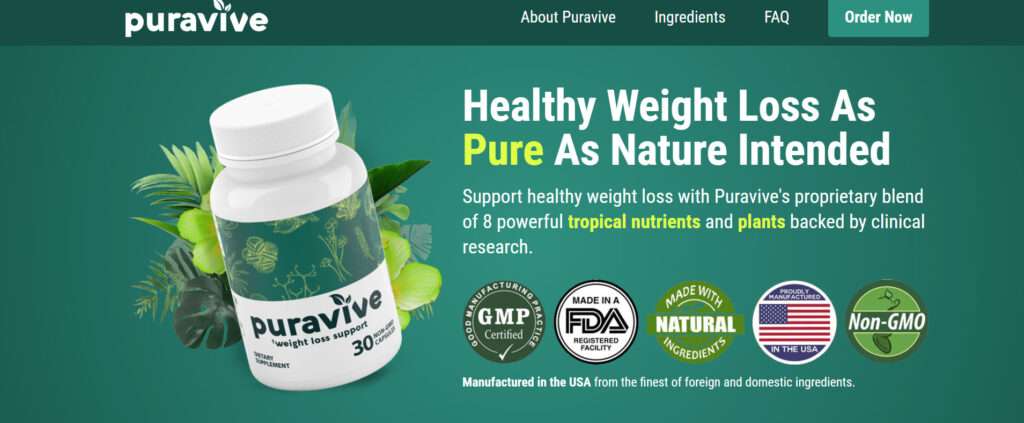
Puravive bills itself as a “100% natural weight loss supplement” containing a “blend of 8 exotic ingredients for healthy weight loss”. The ads and websites promoting it make bold claims about its effects:
- “Experience healthy weight loss as pure as nature intended”
- “Targets brown fat production, offering a healthier alternative to traditional weight loss methods”
- “Embrace the beauty of nature’s bounty and unlock the secret to sustainable weight management”
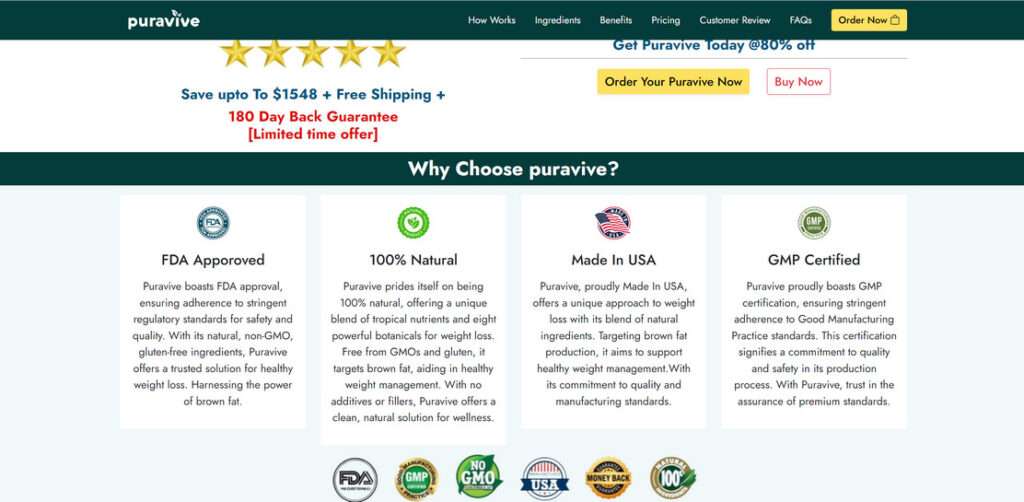
Essentially, Puravive is marketed as a breakthrough natural supplement that can help you lose weight by enhancing your brown fat levels. The ads also emphasize how it’s made from “pure” and “exotic” ingredients in an FDA-approved, GMP-certified facility in the USA.
With promises like these, it’s no wonder Puravive has created such a buzz online. But are these claims truly legit? Let’s analyze the facts behind this supplement and see if the hype holds up.
Analyzing Puravive’s Weight Loss Claims
Firstly, it’s important to understand how Puravive is claimed to produce weight loss results.
The Role of Brown Fat
Puravive is formulated to target brown adipose tissue (or brown fat). This is a special type of fat that is metabolically active and helps generate heat. It’s believed that higher levels of brown fat may aid weight loss and burn calories.
So in theory, Puravive’s focus on brown fat production could help users lose weight. However, the scientific evidence on this is still limited. Very few studies have confirmed that brown fat activation actually leads to substantial weight loss in humans.
The “Exotic” Ingredients
Puravive contains a blend of botanicals and nutrients that are said to help turn white fat into brown fat. These include luteolin, kudzu, holy basil, white Korean ginseng, amur cork bark, propolis, quercetin, and oleuropein.
While some of these herbs and compounds do have potential health benefits, there’s little proof that they can specifically help with converting fat or causing weight loss. The marketing language of “powerful exotic” ingredients seems more like an advertising tactic.
FDA Approval
Despite claims of being manufactured in an FDA-approved facility, Puravive itself does not seem to be evaluated or approved by the FDA. Dietary supplements do not require FDA testing for safety or effectiveness before being sold. So the ads touting it as “FDA-approved” are misleading.
So in summary, the scientific evidence backing Puravive’s ability to produce significant weight loss is still unclear and insufficient. The marketing claims around its exotic ingredients and FDA approval also lack credibility under closer scrutiny.
Questionable Selling Tactics and Reviews
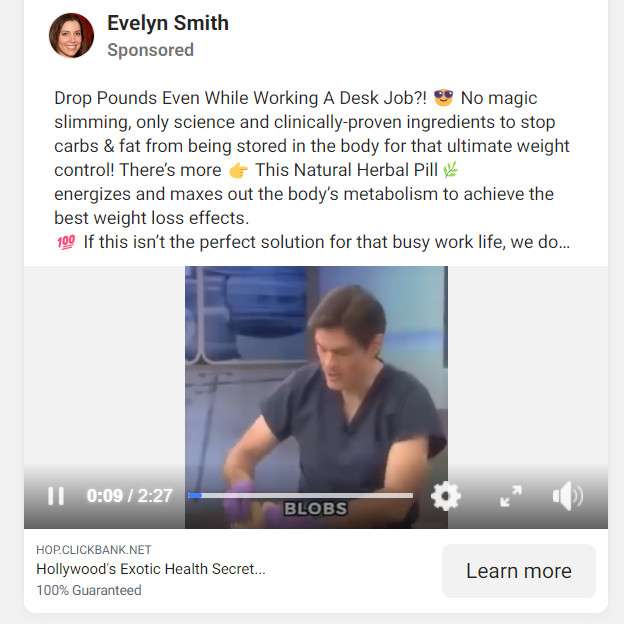
Another major red flag around Puravive is the selling tactics used to promote it online. The advertisements on social media platforms like Facebook and TikTok follow a familiar pattern seen in many viral scam products:
- Time-limited discounts (”80% off for today only!”)
- Exaggerated before/after photos of weight loss results
- Claims of selling out quickly to create urgency
- Customer reviews filled with improbable claims of losing 10+ lbs in days
These methods raise many questions about the legitimacy of the reviews. In fact, a quick Google search reveals that the same “real customer” pictures, names, and testimonials are reused on numerous other weight loss products.
The website itself also does not provide an option for customers to submit authentic reviews or testimonials. Combined with the suspicious sales tactics, it’s evident that most of the reviews for Puravive cannot be trusted or confirmed.
Lack of Transparency Around the Company
Trying to find any concrete information on the company behind Puravive also proved unsuccessful. Both the website and ads provide zero details about who manufactures Puravive, where it’s produced, or key facts about its history and origins.
This lack of transparency about the business behind Puravive makes it impossible to verify any of the claims regarding the supplement’s quality, safety, or purity. The anonymous nature of the company raises huge red flags and makes the product seem untrustworthy overall.
The Bottom Line on Puravive: Should You Buy it?
Given all the questionable practices uncovered around Puravive, it’s difficult to recommend this weight loss supplement with confidence. Too many aspects simply do not add up.
While the idea of “activating” brown fat may sound promising, Puravive lacks credible scientific data to prove this leads to substantial weight loss in humans. The exotic ingredients are likely overhyped, and the FDA approval claims are outright false.
The suspicious sales tactics, paid reviews, lack of customer feedback options, and anonymous company behind Puravive should make any consumer think twice before buying. With so many red flags, it’s wise to be very skeptical of the product’s legitimacy and efficacy.
The verdict? While Puravive may be tempting with its dramatic weight loss promises and viral hype, there is too little transparency to judge if it’s a safe and effective supplement that delivers real results. Given the numerous credibility issues, it’s best to avoid wasting money on this suspicious product and consult a doctor for proven weight loss guidance instead.
Frequently Asked Questions About Puravive
Q: What is Puravive?
A: Puravive is marketed as a weight loss supplement containing tropical nutrients and botanical extracts that supposedly activate brown fat to burn calories. However, there is little scientific proof that Puravive’s ingredients produce significant weight loss.
Q: Does Puravive really work for weight loss?
A: While Puravive’s advertisements boast dramatic before/after photos and testimonials, there is no real evidence or customer reviews confirming these weight loss claims. The suspicious marketing tactics make the product highly questionable.
Q: Is Puravive FDA approved?
A: No, Puravive does not appear to be evaluated or approved by the FDA despite misleading claims. Dietary supplements do not need FDA testing for effectiveness or safety before being sold.
Q: Where is Puravive manufactured?
A: There are no details provided by the company on where Puravive is produced. The anonymous nature of the manufacturer raises concerns about the supplement’s quality and purity.
Q: Does Puravive have any side effects?
A: The potential side effects of Puravive are unknown since the full ingredients list and dosages are not provided. Without FDA oversight, the supplement may contain unsafe or untested substances.
Q: Is Puravive a scam?
A: While not an outright scam, Puravive exhibits many troubling red flags – paid reviews, exaggerated claims, lack of transparency, dubious scientific validity of ingredients. Consumers should be very cautious before purchasing.
Q: Where can I buy Puravive?
A: Currently, Puravive is only available through the supplement’s official website. However, given the numerous credibility issues around Puravive, it’s recommend consulting a doctor instead for safe, proven weight loss options.
The Bottom Line
Puravive has certainly captured attention with its dramatic weight loss claims and viral marketing campaign. However, a close look at the facts reveals too many red flags around this supplement. Questionable science, suspicious reviews, lack of transparency, misleading ads – all signs point to Puravive being an unreliable and likely ineffective product.
While the promise of effortless weight loss is tempting, there are no shortcuts. Maintaining a calorie deficit through diet and exercise has far more scientific support for safe, sustainable fat loss. For those struggling to lose weight, speak to a qualified healthcare provider to discuss healthy lifestyle changes and proven medical options. Steer clear of viral quick fixes like Puravive that are long on hype but short on results. Your time and money are better spent on reputable, evidence-backed weight loss guidance from experts.
This article is for educational purposes only and does not constitute professional, financial or legal advice. The content is intended for general information and should not be construed as definitive guidance. Information contained herein is subject to change without notice.  For concerns, please contact us via the provided form.
If you are the owner of the website or product in question and wish to offer clarifications regarding your business or website, please reach out to us through the provided Contact Form.

Join the discussion
0 commentsShare your experience or ask a question about this article.
Discussion
Start the conversation
Have a question or something useful to share? Add the first comment.