

Foot pain can turn a normal evening into a search for anything promising relief, especially when an advertisement demonstrates a treatment that looks effortless.
Qinux FisioFeet enters that moment with pulsing graphics, medical-sounding language, and an inexpensive-looking offer that deserves a slower examination.
Overview
What the product appears to be
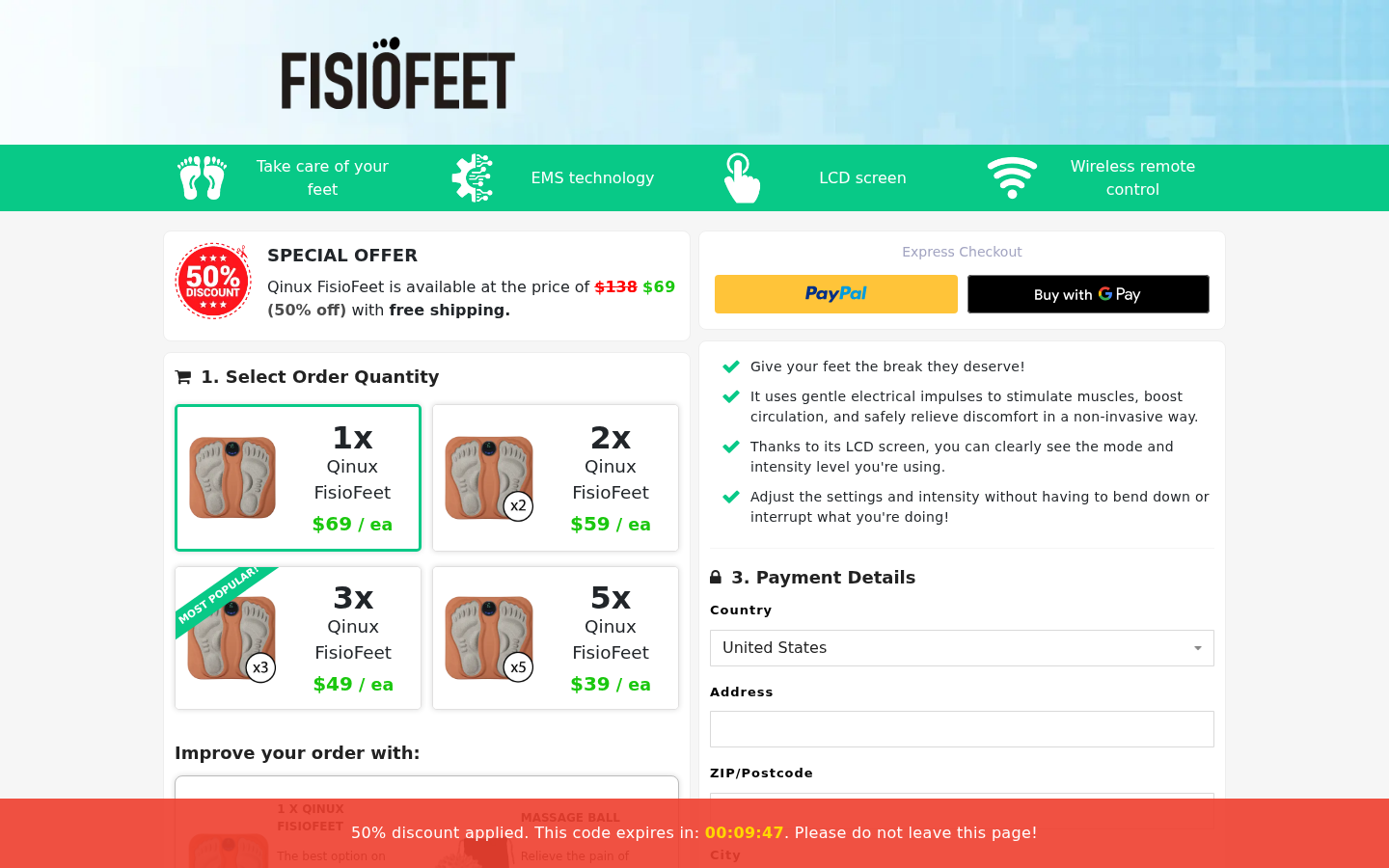
Qinux FisioFeet is an electronic foot mat advertised as using electrical muscle stimulation, commonly shortened to EMS, through pads placed beneath the feet.
A small controller supplies adjustable pulses. The page associates those sensations with circulation, relaxation, muscle stimulation, and relief from tired or uncomfortable feet.
Consumer EMS devices exist, but an electrical sensation does not prove that every medical-sounding benefit in an advertisement will occur.
Why the offer raises buyer-risk concerns
The storefront combines health-adjacent claims, dramatic discounting, quantity upgrades, and checkout extras inside a sales path designed to preserve momentum.
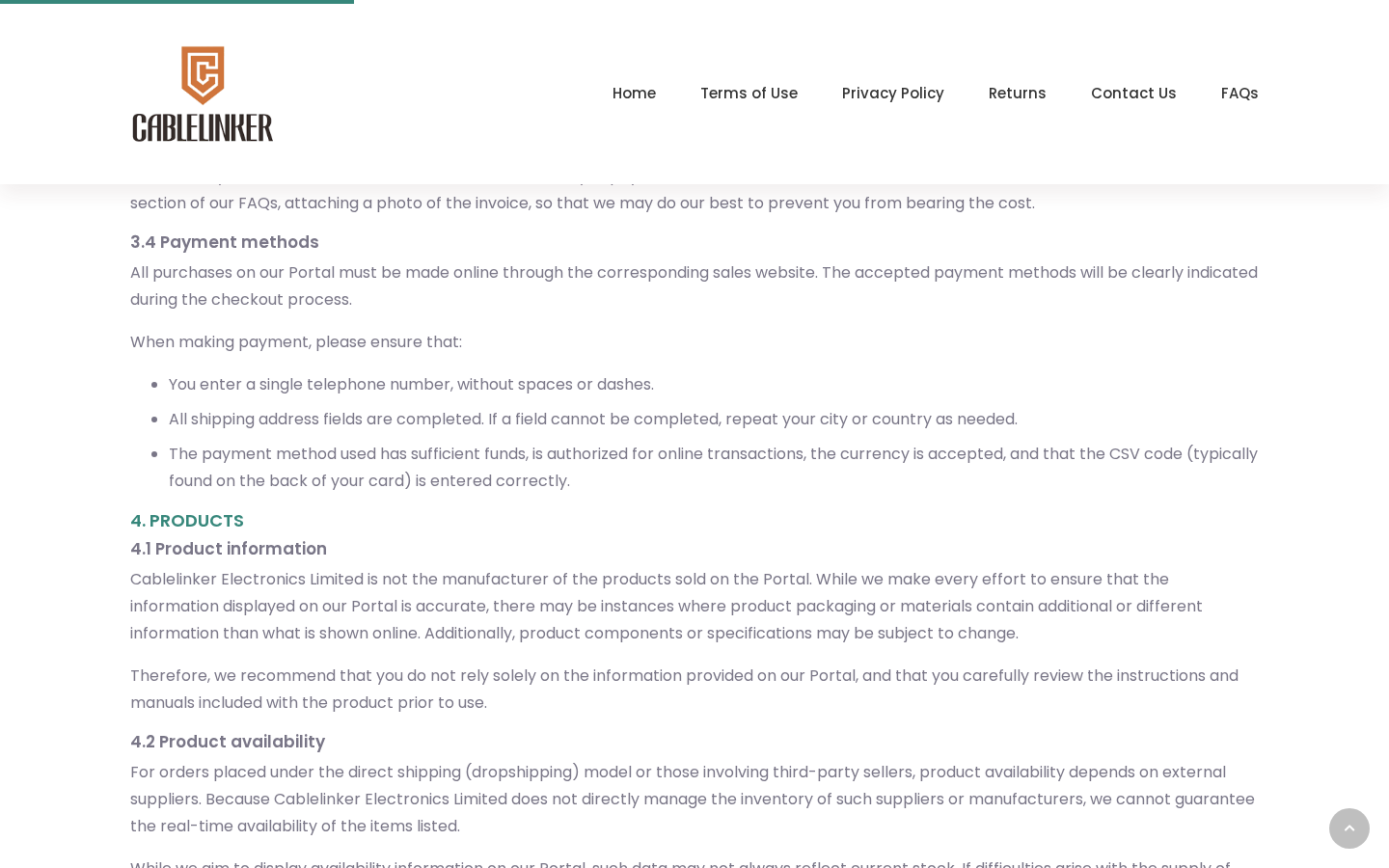
The legal page reviewed during this investigation displayed different branding and described a direct-shipping model dependent on outside suppliers.
That does not establish that no customer receives a device. It does make seller identity, quality control, cancellation, and returns especially important.
The findings at a glance
Qinux FisioFeet should be assessed as a high-risk direct-response gadget rather than accepted as a clinically proven treatment.
- The page uses therapeutic language without establishing results for each buyer’s condition.
- Package discounts can turn a cautious test into a multi-unit order.
- Optional warranty and shipping-protection charges may appear during checkout.
- The terms disclose direct shipping and reliance on third-party suppliers.
- Order processing may begin quickly enough to limit cancellation opportunities.
- Returns can require overseas coordination and customer-paid postage.
How the FisioFeet Purchase Funnel Works
Step 1: The advertisement starts with a familiar physical problem
Promotions target people dealing with aching feet, long working days, age-related discomfort, or anxiety about poor circulation.
The demonstration usually looks uncomplicated. A person places both feet on a thin mat while animated pulses suggest active treatment throughout the lower legs.
This visual can feel more persuasive than a written disclaimer because viewers see an immediate process, even when meaningful outcomes require stronger evidence.
Pain also shortens patience. Someone seeking relief may focus on possibility and miss questions about diagnosis, contraindications, or product responsibility.
Step 2: Medical-sounding explanations turn sensation into expectation
The landing page describes EMS impulses and connects them with improved circulation, relaxed muscles, reduced fatigue, or more comfortable feet.
Electrical stimulation can create visible or noticeable muscle activity, but that observation alone does not validate broad treatment claims for every underlying cause.
Foot discomfort may come from footwear, injury, arthritis, neuropathy, vascular disease, medication, infection, or several conditions requiring professional assessment.
A gadget advertisement cannot determine which cause applies. Delaying proper evaluation because a mat seems medical can be more costly than the product itself.
Step 3: A large discount reframes the decision
The sales page reviewed for this article showed a high crossed-out reference price beside a much lower current amount.
That arrangement creates a perceived bargain before the visitor has compared electrode quality, warranty support, power levels, certifications, or similar EMS mats.
Multiple packages further shift attention toward calculating savings. The question becomes how many to buy rather than whether one is appropriate.
A claimed reduction is not independent evidence of market value. Compare final prices and specifications across retailers before accepting the anchor.
Step 4: Checkout introduces extras and order upgrades
During the reviewed purchase flow, the cart offered additions such as extended warranty coverage and parcel protection.
These charges may be useful to some buyers, but they should never remain unnoticed because the shopper is concentrating on address and payment fields.
Read every line immediately before submission. Check unit count, accessories, protection plans, shipping, tax, and the total amount to be authorized.
Take a screenshot before pressing the final button. It provides a contemporaneous record if the confirmation reflects a different combination.
Step 5: Fast processing reduces the time available to reconsider
The terms say orders may move into processing immediately, sometimes making cancellation or modification unavailable once the transaction enters fulfillment.
This creates a practical mismatch. The purchase takes minutes, while understanding a mistaken quantity may happen only after reading the confirmation.
Contact support promptly when anything looks wrong. Use written channels so the time, requested correction, and response can be demonstrated later.
Do not wait for shipping merely because the website promises an easy return. Preventing an unwanted shipment is usually simpler than reversing one.
Step 6: The parcel is fulfilled through a remote supply chain
The legal wording describes direct shipping, where products can be sourced and dispatched through outside suppliers instead of a conventional stocked retailer.
That model can produce longer transit, packaging differences, inventory uncertainty, and weaker visibility into who inspected the actual item.
It may also explain why a heavily marketed brand resembles generic devices available elsewhere under unrelated names.
Direct shipping is not automatically fraudulent. The concern is whether advertising, specifications, customer service, and refund logistics remain accurate throughout that chain.
Step 7: A return becomes more demanding than the original purchase
The reviewed terms provide a withdrawal period, yet customers may bear return costs and must follow the seller’s instructions.
International or tracked shipping can consume a meaningful portion of a low-priced gadget refund, particularly when several units were ordered.
A seller may also question condition, completeness, timing, or whether the parcel reached the correct facility.
Keep the packaging until the device proves satisfactory, and never send it to a footer address without written return authorization.
What the EMS Claims Actually Mean
Stimulation is not the same as diagnosis
EMS technology sends controlled electrical impulses that can activate muscles or create tingling. Similar principles appear in some clinical and rehabilitation settings.
Clinical use, however, involves selected patients, defined goals, appropriate equipment, and professional guidance. A consumer mat does not reproduce that entire context.
The fact that users feel pulses confirms electrical output, not improved circulation, nerve recovery, weight loss, or correction of an undiagnosed condition.
Marketing frequently slides between these meanings. Readers should separate what the device physically does from what the page implies it might accomplish.
Some people should seek medical advice first
Electrical-stimulation products may be inappropriate for people with implanted electronic devices, certain heart conditions, pregnancy, impaired sensation, or damaged skin.
Warnings vary by product, and a short webpage cannot replace advice tailored to a person’s medical history.
Anyone experiencing sudden swelling, color changes, severe pain, open wounds, numbness, or one-sided symptoms should prioritize medical evaluation.
A cheap gadget is a poor reason to postpone care when symptoms could signal a more serious circulation or nerve problem.
Testimonials cannot establish treatment effectiveness
Personal stories may reflect genuine satisfaction, but they do not control for natural improvement, other treatments, placebo effects, or different causes of discomfort.
Photographs and enthusiastic quotes on a seller-controlled page also provide limited information about verification, selection, and typical outcomes.
Look for evidence describing the exact device, output characteristics, study methods, sample size, and clinically meaningful results.
General information about EMS cannot automatically validate the particular construction, settings, or advertising claims of FisioFeet.
Price, Quality, and Returns
The price should be compared with generic EMS mats
Similar thin foot pads and detachable controllers are widely sold online, sometimes under changing labels and with nearly identical photographs.
Compare controller design, power source, electrode layout, replacement availability, instructions, certifications, warranty, and seller reputation rather than branding alone.
If the same hardware appears elsewhere for substantially less, the difference may be advertising cost rather than better materials or performance.
A recognizable campaign name does not necessarily identify an exclusive manufacturer or a unique technical design.
Inspect the delivered unit before using it
Photograph the parcel, labels, model number, safety markings, controller, mat surface, cables, and instructions immediately after opening.
Do not use damaged wiring, swollen batteries, cracked housings, scorched components, or equipment lacking understandable operating and safety information.
Begin only at the lowest comfortable setting and stop if the product causes pain, dizziness, skin irritation, unexpected muscle contractions, or worsening symptoms.
Preserve evidence of any defect. Clear photographs and short videos are more useful than a general statement that the device feels cheap.
Company, Address, and Fulfillment Checks
The storefront and legal branding do not align cleanly
The product is presented as Qinux FisioFeet, while the terms loaded during review displayed Cablelinker branding and named Cablelinker Electronics Limited.
Other support references associated with the broader storefront network have used Ecomgroup or ECOMMMOVADGENCY details in Madrid.
A buyer should not have to infer which entity sold the device, charged the card, issued the warranty, and accepts legal responsibility.
Before payment, save the entity named at checkout and compare it with the receipt, card descriptor, terms, and return instructions.
The disclosed model relies on outside suppliers
The legal page says the seller is not the manufacturer and uses direct shipping involving external suppliers.
That disclosure matters because product descriptions, stock status, packaging, and dispatch can depend on businesses the buyer never sees.
It also complicates accountability when the delivered item differs from photographs or support cannot answer technical questions.
Ask for the manufacturer, exact model, and conformity documentation if those details are important to your health or safety decision.
The listed address may serve administrative or return functions
The reviewed terms referenced an address in Las Rozas, Madrid, for company or return communication.
An address does not prove that inventory is stored there, that staff inspect devices there, or that unsolicited parcels will be accepted.
Fulfillment facilities, registered offices, mailboxes, and customer-service locations perform different roles even when advertising presents one unified brand.
Obtain the exact return destination and reference number directly from support before paying for postage.
Telephone and email support should be tested early
Contact support before ordering with one specific question about contraindications, manufacturer identity, or cancellation timing.
A useful response should address the question instead of repeating promotional language or directing the buyer back to the sales page.
After ordering, keep conversations in writing whenever possible. Telephone promises are difficult to prove unless confirmed by email.
Unanswered messages, shifting company names, or contradictory instructions are reasons to stop escalating the purchase and preserve dispute evidence.
Safer Questions to Ask Before Ordering
- Who manufactured the exact controller and mat, and what model will arrive?
- What electrical output ranges and safety certifications apply to that model?
- Which medical conditions or implanted devices make its use unsuitable?
- Are warranty and parcel-protection additions selected automatically during checkout?
- Where will the order ship from, and what delivery range is realistic?
- Where must a return be sent, and who pays the tracked postage?
- Will opened or tested units qualify for a refund under the current policy?
- What legal entity and billing descriptor will appear on the payment statement?
Clear answers should arrive before purchase, not only after a problem. Vague support is an early preview of how a later dispute may proceed.
If relief is the primary goal, discuss persistent symptoms with a qualified professional and compare lower-risk options before purchasing electrical hardware.
What to Do If You Already Ordered Qinux FisioFeet
- Check the confirmation immediately. Verify quantity, warranty, shipping protection, delivery address, taxes, and the final total against your checkout screenshot.
- Request corrections without delay. Send a written cancellation or modification request as soon as an unwanted unit or add-on appears.
- Preserve the parcel and documentation. Photograph labels and contents before testing, and retain the box until the refund period has safely passed.
- Stop using an unsafe or painful device. Disconnect it if you experience adverse effects, and seek medical advice when symptoms persist or worsen.
- Obtain formal return instructions. Ask support for authorization, the exact destination, the deadline, eligible condition, and the refund calculation.
- Return with tracking and evidence. Record the packed contents, label, weight, carrier receipt, and delivered status to counter a later nonreceipt claim.
- Open a payment dispute when warranted. Provide the advertisement, confirmation, correspondence, photographs, return proof, and a factual chronology of the unresolved issue.
This review found aggressive merchandising and operational concerns, not evidence of a recurring refill charge attached to FisioFeet.
Report only what occurred. An undisclosed add-on, refusal to cancel, defective product, and unsupported health claim should each be documented separately.
Frequently Asked Questions
Is Qinux FisioFeet a confirmed scam?
There is insufficient evidence to classify every sale as fraud. The offer carries substantial risks involving claims, checkout extras, fulfillment, and seller transparency.
Does FisioFeet improve circulation?
The page makes circulation-related claims, but feeling electrical pulses does not prove a meaningful medical improvement for a specific condition.
Is FisioFeet safe for everyone?
No electrical-stimulation product should be assumed universally safe. People with implants, medical conditions, pregnancy, skin damage, or reduced sensation need professional guidance.
Why does the legal page mention another brand?
The terms displayed different seller branding during this review, indicating a shared commerce infrastructure or cross-brand legal template that deserves clarification.
Can I cancel a FisioFeet order?
Request cancellation immediately. The terms indicate rapid processing can make changes unavailable, so written timing evidence is important.
Is FisioFeet an automatic subscription?
The reviewed funnel showed product bundles and checkout additions, not a recurring refill program. Still inspect the final payment page and confirmation carefully.
The Bottom Line
Qinux FisioFeet may deliver electrical pulses, but its marketing stretches a simple consumer gadget toward medical expectations that require more evidence.
Discount anchors, add-ons, outsourced fulfillment, conflicting brand details, and potentially expensive returns create a much less effortless purchase than the demonstration suggests.
Address the cause of persistent foot symptoms first. If you still want an EMS mat, choose a traceable seller with clear specifications and practical returns.








