

You may have seen the ads recently for ultra-realistic robotic bunnies that seem to move and react just like real pets. The convincing videos show cute bunnies twitching their noses, wiggling ears, and displaying lifelike motions. But is this “Realistic Bunny Robot” truly as amazing as it seems or is it an AI-powered scam?
In this detailed exposé, we’ll uncover the truth about these deceptive ads and explain exactly why you should avoid buying the Realistic Bunny Robot at all costs.
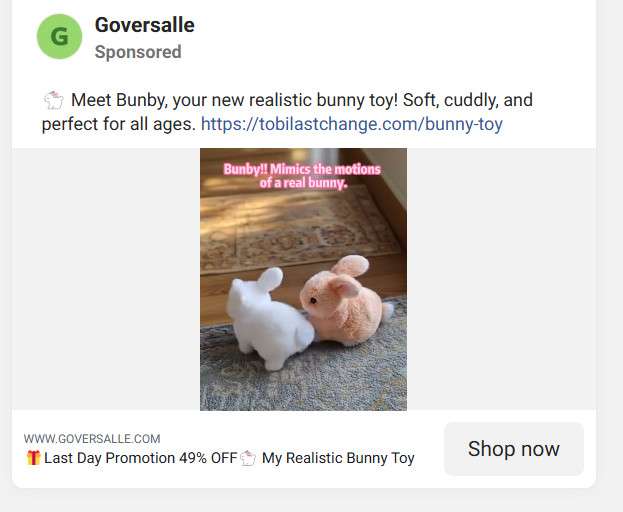
An Overview of This Brazen Scam
The Realistic Bunny Robot scam is shockingly elaborate. Highly advanced AI technologies are being leveraged to manipulate potential buyers through fake ads and videos.
Here’s an outline of how this deceitful scheme operates:
- AI-generated videos – The key tool in this scam is the use of AI animation and rendering tools to fabricate unrealistic videos of the “bunny robot” moving fluidly like a real animal. These are completely fabricated.
- Viral social media ads – The AI-faked bunny videos are spliced into social media ads run at massive scale on Facebook, Instagram, TikTok, and more. Targeting is laser-focused on pet lovers.
- Misleading claims – Ads boast of advanced robotics, quality craftsmanship, unrealistic low pricing like “80% off”. Fake awards and press mentions are used to add legitimacy.
- Aggressive sales tactics – Countdown timers, limited stock warnings, and other high-pressure tactics create faux-urgency to purchase without deeper consideration.
- No customer support – After taking payment, zero customer service is provided. No tracking info or responses to inquiries. The sellers take the money and run.
- Cheap items or nothing shipped – Those who purchase either receive a cheap plush toy worth a few dollars (if they’re lucky) or get nothing at all. The advertised robot does not exist.
This scam is troubling not only due to the sheer scale of deception, but also because it exploits people’s desire for companionship. The promise of a cute robotic pet during lonely times is used against consumers for pure profit motives.
Next, let’s do a deep dive into exactly how this insidious bunny robot scam operates to dupe its victims.
How the Deceptive Realistic Bunny Robot Scam Actually Works
The Realistic Bunny Robot scam brilliantly combines advanced technologies like AI video generation, targeted social media advertising, fake reviews/awards, and aggressive sales funnels to give the impression of a legitimate product when none exists. Here is a step-by-step look at how it works:
1. AI-Generated Promo Videos Fool Viewers
The foundation of the entire scam is the creation of doctored videos that showcase a “robotic bunny” demonstrating fluid, natural movement like a real animal. Ears twitching, nose wiggling, blinking eyes, cleaning face with paws – all simulated lifelike motions.
These videos leverage AI animation technologies that can artificially generate human and animal motion. The AI is “trained” on footage of actual rabbits moving to learn patterns and create new simulated footage that captures the same nuances.
To the untrained eye, these AI-generated videos look incredibly convincing. The average viewer assumes they are watching video proof of an actual advanced robot bunny prototype. But it’s 100% fake.
2. Social Media Ads Bombard Target Audiences
Once the deceptive AI footage has been created, it is edited into slick video ads for different social platforms like Facebook, Instagram, and TikTok.
These ads leverage micro-targeting capabilities to laser focus on people likely to be interested in robotic pets. Pet owners, singles, elderly folks, and children are all targeted.
The fabricated videos are spliced with promotional overlays and a clickable link to purchase the “robotic bunny”.
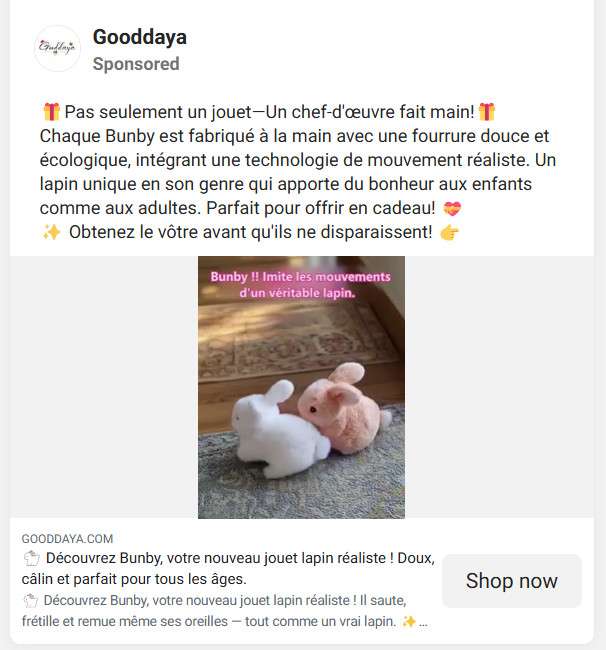
3. Fake Claims and Reviews Add False Credibility
The ads and landing pages make outrageous claims about the Realistic Bunny Robot’s capabilities and credibility. Here are some examples:
- “Most advanced robotic pet ever – feels just like the real thing!”
- “Voted Best Robot of 2025 at the Tech Awards.”
- “As featured on Mashable, Wired, and CNET.”
- “50-80% off for a limited time only!”
Of course, none of these claims stand up to scrutiny. There were no awards, press features, or huge discounts. Everything is fabricated.
Fake 5-star reviews are also scattered around the web and seeded onto the sales pages. Reviewers rave about the quality and lifelike motion. These fake testimonials help boost credibility.
4. Aggressive Sales Tactics Create False Urgency
The landing pages utilize every high-pressure e-commerce tactic imaginable to push people toward an immediate purchase:
- Countdown timers warning the sale will expire soon
- Limited stock warnings of “Only 7 bunnies left!”
- Upsells after adding to cart to buy more accessories/toys
- Peer pressure messages like “Mary in Idaho just bought one!”
These tactics instill false urgency to buy right away before time runs out or supplies sell out. Of course the countdowns restart, the stock never runs out, and the peer pressure messages are randomized.

5. No Tracking Info or Customer Support After Purchase
Once a credit card payment goes through, the scam pivots. Customers report zero follow up from the sellers. No tracking number is provided and inquiries go unanswered.
The criminal operators have no intent on shipping anything. They simply take the money and pivot to finding their next victim.
Without tracking or customer service response, buyers have no recourse to get their money back. The seller cannot be held accountable. They vanish into the ether – until the next scam.
6. Victims Receive Nothing or Low-Value Items
In the best case, victims eventually receive a cheap plush bunny toy that costs a few dollars to manufacture. But most end up with nothing ever shipped at all.
Either way, what arrives bears no resemblance to the $500 “advanced robotic bunny” advertised. The victim realizes too late it has all been an elaborate ruse designed to pilfer their money.
Some people never even realize they’ve been scammed. The sellers bank on people forgetting or not following up once the initial purchase euphoria wears off.
This is how the Realistic Bunny Robot scam manages to operate at scale and siphon tens of thousands from consumers annually. It’s a devastating scheme only made possible through advancements in AI tech.
What To Do If You Already Fell Victim to the Realistic Bunny Robot Scam
If you were deceived and lost money in the Realistic Bunny Robot scam, here are some tips on actions you can potentially take to get recourse:
1. Call your bank immediately – Alert your bank or credit card company that it was a fraudulent purchase. Doing this quickly gives you the best shot at a chargeback to recover lost funds.
2. Report the seller – File complaints on scam reporting sites like Ripoff Report and BBB to get their fake sites shut down faster. Also report them to advertising platforms being used.
3. Gather evidence – Save screenshots of the ads, fake videos, and any emails/information related to the purchase. This evidence will bolster your fraud case.
4. Leave online reviews – Post detailed reviews about the experience anywhere you can to warn others. This can help contain the scam.
5. Contact authorities – Report the crime to agencies like the FTC, FBI, and IC3. Legal action may eventually shut down the criminals.
6. Issue a chargeback – If the bank won’t reverse it, issue a formal chargeback request. Provide all evidence you have to show criminal fraud.
7. Be patient – Refund processes can take time. Keep following up. Don’t let the scam company off the hook even if you have to try multiple avenues.
8. Adjust privacy settings – Review your social media privacy settings after being targeted. Tighten them up to prevent similar activity in the future.
9. Warn your social network – Let friends and family know about the scam so word spreads. Prevents others from being targeted through social channels.
The most important step is contacting your bank immediately. Time is of essence for potentially reversing fraudulent charges and payments. Don’t delay taking action if you realize you were scammed!
The Bottom Line: Stay Far Away from the Realistic Bunny Robot Scam
After dissecting this deceitful scam in detail, our verdict is clear – stay away from the Realistic Bunny Robot at all costs!
This is a brazen fraud leveraging advanced technologies for pure evil. The realism in the ads is completely fabricated through AI. You will lose your money and get nothing worthwhile in return.
It’s easy to get lured in by the cute bunny videos and compelling backstory. But now that you know the truth, protect yourself and your loved ones from this heartless scam.
Your companionship should come from real connections, not a fake robot built on lies. Spread awareness so fewer people fall victim to these criminal operators. There are good people fighting to stop them – but it will take a united effort.
FAQs About the Realistic Bunny Robot Scam
Q: Are the bunny videos real or fake?
A: Completely fake. Created via AI animation tools to falsely advertise a product that does not exist.
Q: What happens if you buy the robot bunny online?
A: Most likely you’ll never receive anything. Or at best a cheap stuffed animal. Not the advertised robot.
Q: Can you get a refund if you realize it’s a scam?
A: Unlikely, but report immediately to your bank/credit card company to try for a chargeback.
Q: How do they make the bunny movements look so realistic in ads?
A: Through AI “deepfake” video techniques. The ads do not show actual robot products.
Q: Are the 5-star online reviews real or fake?
A: Mostly fabricated by the scammers to boost credibility. Cannot trust them.
Q: Why haven’t authorities been able to stop this scam?
A: Scammers adeptly exploit jurisdictional gaps online across countries and platforms.
Q: Is there a real robotic bunny product being sold anywhere?
A: No – the Realistic Bunny Robot does not exist. All promotions for it are scams.
Q: Are social media companies cracking down on these fake ads/videos?
A: They claim to be, but the scam persists on Facebook, Instagram, and others. More vigilance needed.
Q: What should I do if see one of these Realistic Bunny Robot ads online?
A: Report it immediately to the platform hosting it to get it removed ASAP. And do not buy!

Join the discussion
0 commentsShare your experience or ask a question about this article.
Discussion
Start the conversation
Have a question or something useful to share? Add the first comment.