

Free golf clubs from Rory McIlroy? As tempting as this sounds, think twice before clicking on those social media giveaway ads. AI-generated deepfake videos of the golf pro are being used to lure unsuspecting fans into an elaborate subscription scam.
In this eye-opening exposé, we uncover how scammers are deceiving consumers with fake celebrity endorsements and news articles. You’ll learn exactly how these fraudulent ads work, where they lead, and how to protect yourself from being duped.
Don’t become a victim of the convincing yet bogus Rory McIlroy TaylorMade Qi10 LS Drivers Giveaway. Arm yourself with knowledge so you can avoid the traps set by these criminal masterminds. Let’s delve into everything you need to know about spotting and stopping this devious golf club scam.
Overview of the Rory McIlroy TaylorMade Qi10 LS Drivers Giveaway Scam
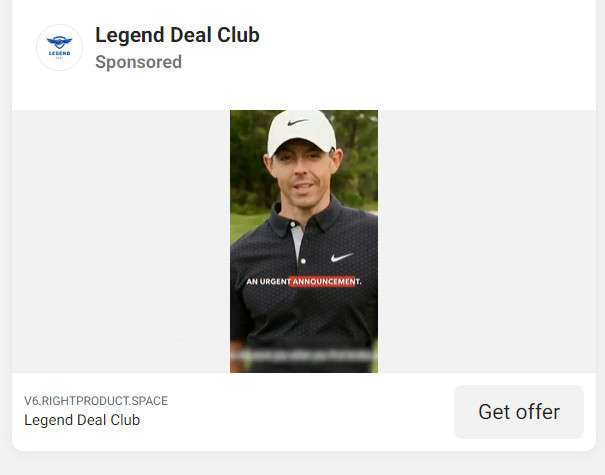
This elaborate scam works by utilizing convincing sponsored posts and deepfake videos that appear to show professional golfer Rory McIlroy announcing that he is generously giving away thousands of dollars worth of TaylorMade’s latest Qi10 LS Drivers absolutely free to fans.
The reasons given for this fictional giveaway include overstock, packaging errors, or an inability to ship the inventory to retailers. The scam ads are designed to get users to click through to fraudulent websites where they are deceived into signing up for expensive monthly subscriptions and handing over sensitive personal and financial data.
How the Fraudulent Ads Work
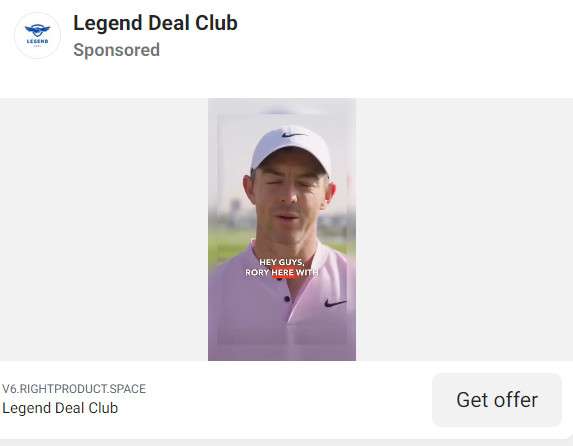
The scam ads are promoted across Facebook, Instagram, YouTube, and TikTok. They often utilize AI-generated deepfake videos or voiceovers that realistically impersonate Rory McIlroy announcing this driver giveaway.
Some examples of the fake ad copy include:
- “Hey guys, great news! I have partnered with TaylorMade for another amazing GIFT-AWAY. We’re giving away TaylorMade Qi10 LS Drivers! Start 2024 Off Right With My HUGE Giveaway!”
- “I got some exciting news to share! I have teamed up with TaylorMade for another epic gift-away – But this time we’re giving away FREE 5000 piece TaylorMade Qi10 LS Drivers!”
- “Anyone who clicks this link within the next 24 hours will receive a TaylorMade Qi10 LS Drivers!”
The ads claim various dubious reasons for the giveaway like misleading advertising prices, packaging errors, overstock, or an inability to ship to retailers.
Where the Ads Redirect Users
Clicking these scam ads redirects users to fake news sites hosted on URLs like bloomseductress.com or nationwideluckywinners-usa.com. These sites use logos and branding from reputable news outlets like Fox News, CNN, or NBC to appear credible.
At the end of these fake news articles, users are prompted to “Claim Their Offer” which leads them to another fraudulent site designed to look like TaylorMade’s official website.
How the Rory McIlroy TaylorMade Qi10 LS Drivers Giveaway Scam Works
This scam is essentially a misleading subscription service scheme. By tricking users into signing up to claim their “free” drivers, scammers can charge expensive recurring monthly fees to their credit cards under false pretenses.
Here is a step-by-step look at how this giveaway scam works to deceive consumers:
Step 1: Click on the Fraudulent Social Media Ads
The first step is enticing victims by promoting the fake giveaway ads across various social platforms using deepfakes and fake reviews. The convincing AI-generated Rory McIlroy videos and voiceovers help lend credibility to the ads.
Step 2: Redirected to Fake News Sites
Once users click on these ads, they are redirected to sham news websites designed to look like Fox News, CNN, NBC, etc. These sites feature fake news articles reinforcing the giveaway promotion.
Step 3: Provide Personal and Payment Information
At the end of the fake article, users are prompted to click a button to “Claim Their Offer.” This redirects them to another fraudulent website posing as TaylorMade’s official site.
Users are congratulated for being “selected” and must complete a questionnaire and pay a $9.95 shipping fee to receive their “free” drivers. This requires handing over sensitive personal and payment data including:
- Full Name
- Address
- Phone Number
- Credit Card Information
Step 4: Unexpected Subscription Fees
Submitting payment info unwittingly signs up victims for expensive automatic subscription plans they didn’t agree to. The scammers will charge upwards of $89.95 every month to the credit card on file under vague concepts like “membership fees.”
Step 5: No Products Ever Ship Out
No TaylorMade products or merchandise ever get shipped out to victims of this scam. The entire giveaway is fabricated solely to collect user data and credit card information to defraud people under false pretenses.
How to Identify This Scam on Social Media and Websites
While the deepfake videos and AI voiceovers can seem very realistic, there are several red flags that can help you recognize these fraudulent giveaway ads and websites:
Spotting the Scam on Social Media
- Celebrity endorsement for a product giveaway that seems too good to be true.
- Use of terms like “HUGE Giveaway!” and pressures to act fast “within 24 hours”
- Links that lead to questionable or sketchy-looking domains instead of official sites.
- Fake reviews and comments hyping up the promotion.
- New or bot-like accounts spreading the ads.
- Poor video/audio quality in some parts revealing deepfakes.
Identifying Fake Websites
- URL does not match official TaylorMade site or uses odd domain (nationwideluckywinners-usa.com).
- Page design, logos, and branding mimic reputable news sites.
- Fake articles reinforce giveaway narrative.
- Forms asking for personal and payment information.
- Credit card charges mentioned only in small text or fine print.
- Lack of contact information or physical addresses for the business.
- Spelling/grammar errors throughout site content.
Stay vigilant and trust your instincts. If an offer seems questionable, take the time to investigate further or verify directly with the company to determine if it is legitimate or not. Avoid blindly handing over sensitive information or payment details through unverified links until you can confirm their authenticity.
What to Do If You Have Fallen Victim to This Scam
If you submitted personal information or credit card details after clicking on one of these fraudulent Rory McIlroy TaylorMade ads, here are important steps to take right away:
Step 1: Contact Your Credit Card Company
Immediately call your credit card company and explain that you did not authorize any monthly subscription charges. Ask them to block or cancel any recurring charges from the scammers.
Step 2: Place Fraud Alert on Your Credit Report
Contact one of the three major credit bureaus (Experian, TransUnion, Equifax) to place a fraud alert on your credit report. This helps prevent scammers from opening any new accounts in your name.
Step 3: Change Online Account Passwords
Change the passwords on any existing online accounts that use the same credentials you entered on the scam sites as a precaution. Enable two-factor authentication wherever possible.
Step 4: Monitor Your Credit Card Statements
Keep a close eye on your credit card statements over the next few months to watch for any unusual, unauthorized, or recurring charges. Dispute any fraudulent charges immediately.
Step 5: Report the Scam
File reports about this scam with the FTC, FBI, SEC, and IC3 to help authorities investigate and shut down these websites and accounts.
Step 6: Warn Others
Post on social media and internet forums to raise awareness about this scam so others don’t fall victim. Share this article to help educate people on how to detect and avoid these too-good-to-be-true giveaways.
Frequently Asked Questions About the Rory McIlroy TaylorMade Qi10 LS Drivers Giveaway Scam
1. What is the Rory McIlroy TaylorMade Qi10 LS Drivers Giveaway scam?
The Rory McIlroy TaylorMade Qi10 LS Drivers Giveaway scam is a fraudulent promotion being advertised on social media platforms like Facebook, Instagram, YouTube, and TikTok. Scammers are using deepfake videos and AI voiceovers of Rory McIlroy to promote a fake giveaway for TaylorMade’s new Qi10 LS Drivers. The goal is to trick users into signing up for expensive monthly subscription plans.
2. How do the scam ads work?
The ads feature convincing deepfake videos of Rory McIlroy announcing he has partnered with TaylorMade for a driver giveaway. The reasons given include overstock, packaging errors, or an inability to ship to retailers. When users click on the links, they are redirected to fake news sites that further reinforce the legitimacy of the promotion.
3. What happens when you click on the links in the scam ads?
The links redirect to sham news websites designed to look like Fox News, CNN, NBC, etc. These sites use fake news articles to build trust and get users to “claim their offer.” Clicking this prompts users to provide personal and payment information on another site impersonating TaylorMade’s website.
4. What personal information do they ask for?
The fraudulent TaylorMade site congratulates users for being “selected” and asks for full name, address, phone number, and credit card information allegedly to pay a small $9.95 shipping fee. This is how they get your payment details for recurring monthly charges.
5. What are the monthly charges for?
Unknowingly by submitting your payment information, you are signing up for expensive monthly subscription plans billed to your credit card under vague pretexts like “membership fees.” The initial shipping fee lures users into unwittingly handing over their payment information.
6. Do you actually receive any free drivers?
No. The entire giveaway is fabricated. No TaylorMade drivers or products are ever shipped out. The sole purpose is to deception users into handing over their personal and payment information so they can be defrauded through recurring monthly subscription fees.
7. What should you do if you shared your information with the scammers?
Immediately contact your credit card company to block any unauthorized charges. Place a fraud alert on your credit report and change any account passwords you may have shared. Monitor your statements closely for any suspicious activity and report the fraud to the FTC, FBI, SEC, and IC3.
8. How can you identify the Rory McIlroy TaylorMade scam ads?
Be wary of celebrity endorsement giveaways on social media. Look for signs like deepfake videos, scammy looking domains, fake news articles, or requests for personal information or payment upfront. Always verify directly with the company if a promotion seems suspicious.
9. How can you protect yourself from giveaway scams?
Avoid clicking on social media giveaway ads or providing any personal/payment data through unverified links. Watch for deepfakes impersonating public figures. Check site URLs for odd or misleading domains. Only enter payment info on secure, official websites you trust.
10. How can you report these scam ads or websites?
Gather any details about the scam URLs, accounts, or posts and file reports with the FTC, FBI, SEC, IC3, social media platforms, domain registrars, and your credit card company. Spread awareness about the scam online to help others avoid falling victim.
The Bottom Line on the Rory McIlroy TaylorMade Scam
This fraudulent giveaway scam is entirely fake and unaffiliated with Rory McIlroy or TaylorMade despite its convincing social media ads. No free golf clubs are being given away.
These sham offers are only intended to collect user data and credit card information under false pretenses to defraud people and charge hidden monthly subscription fees.
Avoid handing over any sensitive personal or financial details online unless you are certain the offer and website are legitimate. Be skeptical of celebrity endorsements of giveaways on social media, as scammers are now using AI deepfake technology to impersonate public figures.
If you shared any information with these scammers, take action right away to report the fraud, protect your identity and accounts, monitor your statements, and warn others about the scam. With awareness and caution, consumers can avoid falling victim to these deceptive giveaway scams proliferating across social media.








