

Have you seen the ads claiming that a simple mixture of salt and warm water can drastically boost male performance, stamina, and attractiveness? It sounds too good to be true, right? Well, that’s because it is. The so-called “salt trick for men” or “blue salt trick” is nothing more than an online scam designed to mislead people and sell questionable products.
In this article, we’ll dive deep into how this hoax works, the red flags to watch out for, and what to do if you’ve fallen victim to it.

Scam Overview
The “salt trick for men” scam typically starts with an attention-grabbing online advertisement. These ads make bold, exaggerated claims about the power of salt to enhance male virility. They often use provocative language, suggesting that this “weird trick” or “ancient secret” was recently uncovered or previously banned.
The ads usually feature a compelling headline like “Men Over 40 Are Going Crazy Over This Simple Trick” or “I Was Ready to Divorce Him Until He Used This Salt Trick.” These types of sensational, clickbait-style titles are designed to pique curiosity and get people to click without thinking twice.
Once someone does click, they’re often taken to a lengthy video or article that tells an elaborate story about how this salt trick was discovered. The story might involve an elderly villager sharing ancient wisdom, a secret formula used by famous athletes, or a scientific breakthrough that’s being suppressed by the medical establishment.
Throughout the story, there will be numerous attempts to build credibility and create a sense of urgency. This might include fake testimonials, doctored before-and-after photos, or limited-time offers. The goal is to keep the viewer engaged and gradually break down their skepticism.
However, the real purpose of the ad is usually revealed at the end – to sell a product or program related to male enhancement. This could be an overpriced supplement, an ebook of “secret recipes,” or access to an exclusive members’ site.
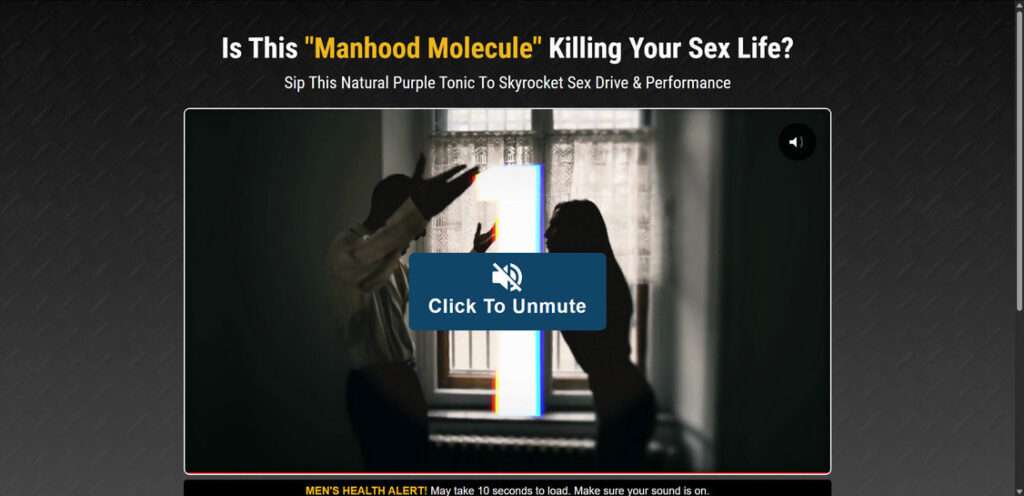
The marketing heavily implies that this product is what makes the salt trick so effective. They may even claim that regular salt won’t work and that you need their special formula. Of course, the price is always heavily discounted if you act now – a common pressure tactic in many online scams.
How the Scam Works
So how exactly does the salt trick for men scam play out? Here’s a step-by-step breakdown:
Step 1: The Bait
It all starts with the advertisement. Whether it pops up on social media, in web banners, or even in search results, the ad is designed to stop you in your tracks with a bold claim about salt’s ability to supercharge male performance.
Step 2: The Hook
If the headline succeeds in getting your attention, the next step is to get you to click. This is where those manipulative taglines come into play, generating curiosity and emotion to override your rational thinking.
Step 3: The Pitch
Once you click, you’re taken to a site featuring either a lengthy article or video. This is where the real pitch begins. The storytelling is carefully crafted to build anticipation and make the eventual product seem like a must-have solution.
Expect lots of anecdotes about how this trick has transformed lives, vague references to scientific studies, and warnings about how “they” don’t want you to know about this secret. The information is presented in a controlled, linear fashion, making it feel like you’re being let in on exclusive knowledge.
Step 4: The Pressure
As the pitch progresses, the pressure to buy increases. Limited-time offers, countdown timers, and one-time-only discounts create a false sense of urgency. The goal is to push you into making an impulsive decision before you have time to think critically about the claims.
Step 5: The Purchase
If the sales tactics work, you’ll end up at an order page, ready to enter your payment information to access this “secret” salt trick. The pricing is often divided into multiple tiers, with the most expensive options claiming to offer the best value.
Step 6: The Letdown
After purchasing, you’ll likely receive an underwhelming product that fails to live up to the hype. In some cases, the product may be no more effective than regular table salt. In others, it might be an untested supplement with questionable ingredients.
You may also find that you’ve been signed up for a recurring subscription without proper disclosure. Getting a refund can prove challenging, as many of these scammers make it intentionally difficult to contact customer service.
Step 7: The Continuing Cycle
Even if you don’t fall for the initial pitch, the salt trick for men ads tend to follow you around the web. They may appear in different forms, on different sites, or with slightly altered headlines. This is because these scammers are constantly testing new angles and adapting their approach to bypass ad blockers and filters.
What to Do If You’ve Fallen Victim to This Scam
If you’ve already purchased a product related to the salt trick for men, don’t panic. Here are some steps you can take:
1. First, try to contact the seller directly for a refund. Look for contact information on their website or in any email receipts you received. Be firm and persistent in your request.
2. If the seller is unresponsive or refuses to issue a refund, dispute the charge with your credit card company or payment provider. Most have policies in place to protect against fraudulent or deceptive transactions.
3. Report the scam to the appropriate authorities. In the U.S., this would be the Federal Trade Commission (FTC). They have an online complaint form specifically for reporting online scams.
4. Spread the word to your friends and family about the scam. The more people are aware of these deceptive tactics, the less likely they are to fall for them in the future.
5. If you provided any sensitive personal information as part of the purchase process, keep a close eye on your accounts and credit reports. Consider changing passwords and implementing two-factor authentication for added security.
6. In the future, be cautious about clicking on ads that make extraordinary claims. If something sounds too good to be true, it probably is. Always do your research before buying any health or wellness product online.
The Bottom Line
The salt trick for men is a prime example of how scammers use a combination of misleading ads, manipulative copywriting, and high-pressure sales tactics to deceive people online. By making grandiose claims about a common household ingredient, they’re able to hook people’s attention and slowly chip away at their skepticism.
But the truth is, there’s no scientific evidence to support the idea that salt can drastically improve male performance or attractiveness. These claims are simply marketing gimmicks designed to sell questionable products.
The best defense against scams like these is a healthy dose of skepticism. Whenever you see an ad making over-the-top promises, take a step back and ask yourself if it really makes sense. Do your own research using reputable sources before making any online purchases, especially when it comes to health products.
Remember, if a secret trick or ancient remedy was truly effective, it would be widely known and recommended by medical professionals – not hidden away in an internet ad. Your health and wellbeing are too important to risk on a questionable online “hack.”
So the next time you see an ad for the salt trick or any similar scheme, don’t take the bait. Click away, report it if possible, and spread the word to help others avoid falling victim. With awareness and critical thinking, we can all help make the internet a little safer from scammers and their deceptive tricks.
Frequently Asked Questions
1. Is there any truth to the salt trick for men?
No, there is no scientific evidence to support the claim that salt can significantly boost male performance or attractiveness. These are marketing gimmicks used by scammers to sell products.
2. How can I spot a salt trick for men scam ad?
These ads often use sensational, clickbait-style headlines that make extraordinary claims. They may mention a “weird trick,” an “ancient secret,” or suggest that the information has been suppressed. Be wary of any ad that seems too good to be true.
3. What should I do if I clicked on a salt trick ad?
Close the page immediately. If you ended up on a lengthy article or video page, do not provide any personal information or make any purchases. If you’re worried your device may have been compromised, run a virus scan.
4. Can I get my money back if I bought a salt trick product?
It depends on the seller and payment method. Try contacting the seller first for a refund. If that doesn’t work, dispute the charge with your credit card company or payment provider. Be sure to report the scam to the appropriate authorities as well.
5. How can I protect myself from online health scams?
Be skeptical of any online ad making big health claims. Always do your own research using reputable medical sources before buying any health product. Don’t trust testimonials or before-and-after pictures in ads, as these are easily faked. If you’re unsure about a product, talk to your doctor first.
Staying Safe Online
The salt trick for men scam is just one example in a sea of online health hoaxes. From fake diet pills to quack cures, the internet is full of people looking to exploit others’ desires for better health and wellbeing.
But by arming yourself with knowledge and a healthy dose of skepticism, you can navigate these online spaces more safely. Remember to always fact-check extraordinary claims, be cautious about giving out personal information, and trust your gut when something seems too good to be true.
Your health is precious – don’t let internet scammers trick you into compromising it. Stay informed, stay vigilant, and stay safe out there!

Join the discussion
0 commentsShare your experience or ask a question about this article.
Discussion
Start the conversation
Have a question or something useful to share? Add the first comment.