

Slivor VisioEar has exploded in popularity in recent years, with its promises of improved hearing clarity, wax removal, and ear health. But does this gadget actually deliver on its many claims? Or is it all just clever marketing hype? In this article, we’ll take an in-depth look at Slivor VisioEar to find out if it’s a healthcare breakthrough or an overpriced gimmick.
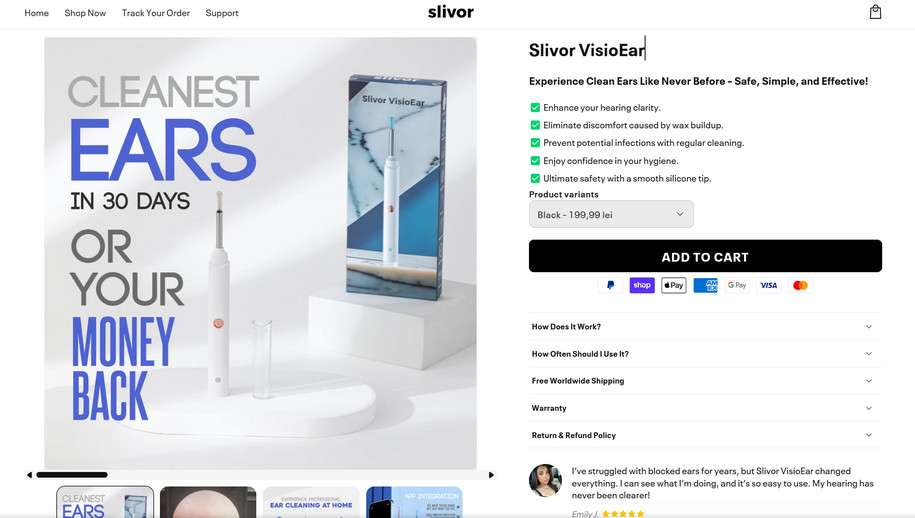
Overview of Slivor VisioEar
Slivor VisioEar is a small handheld device designed for at-home ear cleaning. It has a smooth silicone tip for comfortable insertion and a built-in HD camera that connects to an app, allowing you to monitor the inside of your ear on your smartphone as you clean.
The device is marketed as being able to:
- Improve hearing clarity
- Remove earwax buildup
- Prevent ear infections
- Provide confidence in ear hygiene
It sells for $199.99, with bulk discounts available. The company also offers a 30-day money back guarantee.

A Critical Look at the Claims
Slivor VisioEar certainly makes some impressive claims about its capabilities. But let’s take a closer look at each one to see if they hold up to scrutiny:
Improved Hearing Clarity
The company claims that 100% of users experienced clearer hearing. However, there’s no evidence or studies cited for this statistic. Without independent verification, it’s difficult to put much faith in this number.
Earwax Removal
Excessive earwax buildup can muffle hearing and even lead to infection if left untreated. Slivor VisioEar’s camera and silicone tip may help remove some earwax, but no studies confirm it’s more effective than traditional at-home options.
Infection Prevention
While keeping ears clean can reduce infection risk, Slivor doesn’t explain how its device specifically prevents infections. There’s no evidence it provides any anti-microbial benefit beyond basic cleaning.
Ear Hygiene Confidence
This is a vague, subjective claim that’s difficult to measure. Having a camera may give users more confidence in the cleanliness of their ears, but feeling confident doesn’t necessarily equate to actual improved hygiene.
Questionable Marketing Tactics
Beyond the dubious claims, Slivor VisioEar also raises some red flags with its marketing approach:
- Unsubstantiated Stats: The company touts impressive stats without citing sources. This makes the numbers unreliable.
- Fake Doctor Endorsement: The audiologist shown endorsing the product appears to be an AI-generated image, not a real person.
- Safety Concerns: Slivor doesn’t mention FDA approval or medical oversight. Inserting devices in ears always carries some risk.
- Aggressive Sales Tactics: The website uses high-pressure tactics like flash sales and countdown timers to hurry customers into buying.
- Misleading Reviews: The site has no negative reviews, which is highly suspicious for any product. The reviews seem artificially positive.
The Lack of Independent Reviews
Perhaps most concerning is the lack of impartial reviews from verified buyers. The company’s website only shows positive testimonials. Yet finding feedback on the product from real customers elsewhere online is virtually impossible. For such a supposedly revolutionary device, this absence of organic reviews is a major red flag.
Most legitimate products will have both positive and negative reviews that offer balanced perspectives. The lack of any impartial reviews casts further doubt on Slivor VisioEar’s claims.
The Verdict: Likely More Hype than Substance
Based on our in-depth analysis, Slivor VisioEar raises many concerns about exaggerated claims, questionable marketing tactics, and lack of evidence supporting its effectiveness. While the concept itself sounds nifty, in reality this product seems to rely more on slick advertising than proven performance.
The lack of FDA oversight and absence of impartial reviews from verified buyers makes it impossible to recommend Slivor VisioEar as a worthwhile purchase. At $199.99, it represents a fairly major investment for an unproven device. Consumers would be wise to be very skeptical of the bold claims made about this product.
In summary, Slivor VisioEar is full of unverified hype and cleaver deception. We suggest avoiding it and instead using basic, inexpensive ear cleaning methods recommended by your doctor. Don’t waste money on questionable healthcare gadgets without verifiable proof.

Join the discussion
2 commentsShare your experience or ask a question about this article.
Discussion
It is now $32. Might be worth taking a chance.
In reply to Rick Nelson
Rick, even at $32, I wouldn’t “take a chance” on this type of offer. The low price is part of the hook. With these gadget funnels, the real risk is not just the amount. It’s getting stuck with a useless product, a fake “money-back guarantee”, expensive return shipping, or surprise follow-up charges. If you still decide to buy anything like this, use a credit card (not debit), and avoid sites with vague contact info or shady return terms.