

If you’ve been browsing online lately, especially on platforms like YouTube, Facebook, or Instagram, you may have stumbled across compelling ads claiming that a rare “Dead Sea secret” can help you burn fat effortlessly. These ads often introduce a supplement like ProZenith, which supposedly taps into ancient wellness traditions from the Dead Sea to reset your hormones, cure leptin resistance, and melt away pounds—no diet, no exercise required.
It sounds like a miracle. But behind the glossy branding and emotional testimonials lies one of the newest and most manipulative weight loss scams circulating today.
This article will break down how the Dead Sea Secret scam works, what role ProZenith plays, why these claims are deceptive, and how to protect yourself if you’ve already fallen victim. Let’s dive into the details.

Scam Overview
The Dead Sea Secret weight loss scam follows a familiar blueprint: take a real health challenge (like leptin resistance), wrap it in a sensational story (ancient Dead Sea minerals), and offer a too-good-to-be-true solution (ProZenith or similar supplements). At first glance, the marketing seems educational, even helpful. But a closer look reveals misleading health claims, distorted science, and hidden sales tactics.
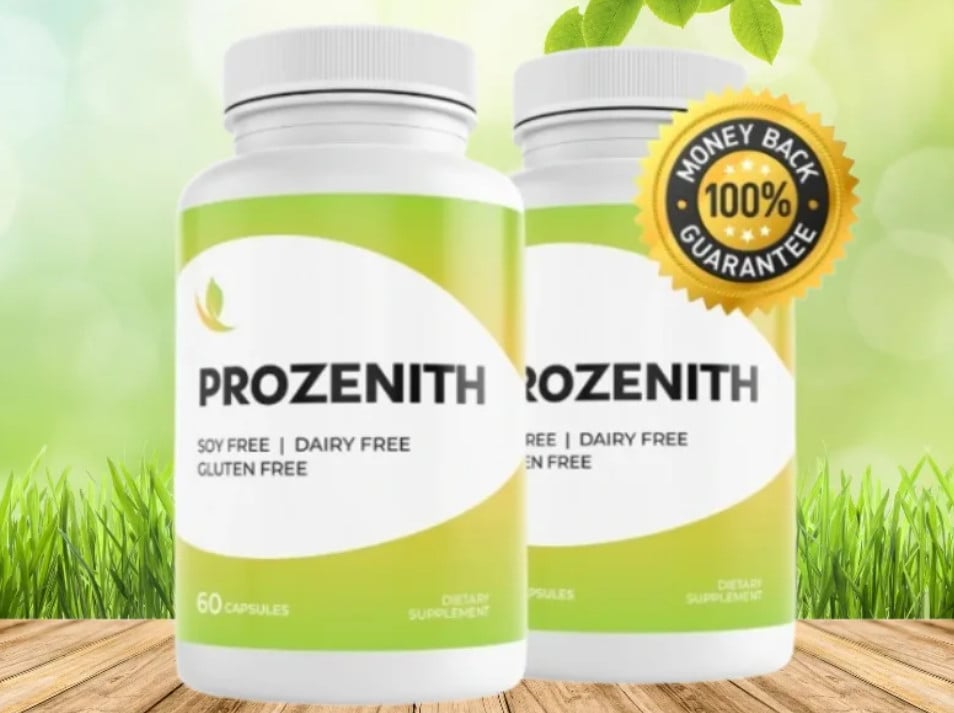
What These Ads Claim
The ads claim that products like ProZenith are:
- Derived from Dead Sea minerals and ancient wellness rituals
- Clinically supported to reverse leptin resistance
- Capable of helping you lose 30, 40, or even 70 pounds
- Endorsed by doctors, scientists, or medical journals
- More effective than diet or exercise alone
- 100% safe, natural, and without side effects
These messages are carefully crafted to appear legitimate. They often include fake video testimonials, stock photos labeled as “real customers,” and even fabricated medical references. In many cases, the supplement is described as a recently uncovered “hormonal reset” that doctors don’t want you to know about.
The Real Goal
What you’re really being sold is not a medical breakthrough—but a bottle of unverified supplements at $69–$79 per month. Often, once you buy, you are unknowingly enrolled in an auto-ship subscription model, making it difficult to cancel and triggering unexpected charges on your credit card.
Worse still, there is no peer-reviewed clinical evidence backing these products. While leptin resistance is a real condition, there is no credible proof that Dead Sea minerals—or the specific blends in these capsules—can treat it. Most scientific sources do not even mention Dead Sea-based ingredients in relation to weight loss or leptin sensitivity.
Common Red Flags in the ProZenith Campaign
- No published ingredients list
- Claims that it works within days with no effort
- Use of buzzwords like “hormonal reset” and “natural fat switch”
- Fake endorsements from platforms like the Today Show or Harvard University
- Marketing via anonymous influencers or “mom blogs” that disappear after a few weeks
These elements indicate you’re not dealing with a reputable product or company, but with a marketing funnel designed to exploit consumers.
How the Scam Works
Step 1: The Emotional Hook
It starts with a highly produced ad or video telling a story. A woman struggling with her weight discovers an ancient Dead Sea remedy while traveling in Israel or Jordan. After trying it, she loses dozens of pounds in weeks. Her health improves. She becomes confident again. You’re told it’s not your fault—you’ve been lied to by the weight loss industry.
Step 2: The Pseudo-Scientific Setup
The video starts discussing leptin resistance, hormonal blocks, and how metabolism is “shut off” in most adults. These explanations borrow scientific terms but twist them to fit the product’s claims. They say doctors ignore these issues, but the Dead Sea secret “fixes” them naturally.
Step 3: The Bait-and-Switch
You’re promised a recipe or lifestyle guide but are instead offered a supplement—ProZenith—as the only way to unlock this transformation. The video insists that without this exact formulation, you won’t experience the benefits.
Step 4: High-Pressure Sales Tactics
You’re taken to a checkout page that:
- Pushes bulk orders (3 or 6 bottles)
- Offers “limited-time” pricing
- Includes countdown timers
- Warns the product may be pulled from the market soon
You’re urged to buy immediately, before researching or consulting anyone.
Step 5: Auto-Subscription Without Consent
The terms and conditions—often in small print—enroll you in an automatic subscription. Every 30 days, your card is charged again, sometimes with no clear way to cancel. Emails go unanswered, and support numbers lead to dead ends.
Step 6: No Real Support or Results
Users frequently report:
- The product arrives weeks late or not at all
- It has no noticeable effect
- The ingredient list is vague or missing entirely
- Refund requests are ignored
- The company vanishes or changes names within months
The goal wasn’t to help you—it was to take your money and move on.
Step 7: Re-Targeting with New Brands
Once you engage with one scam, your data is shared or sold. Soon, you’ll see new ads for similar products under different names—same story, different bottle.
What to Do If You’ve Fallen Victim to the Dead Sea Secret Scam
- Stop Further Charges
- Contact your bank or credit card provider immediately.
- Cancel the card if necessary to prevent future withdrawals.
- Dispute any unauthorized or hidden charges.
- Request a Chargeback
- File a formal dispute with your bank or payment processor.
- Provide evidence: screenshots of ads, emails, and missing refund attempts.
- Report the Scam
- Federal Trade Commission (www.ftc.gov)
- Better Business Bureau (www.bbb.org)
- Internet Crime Complaint Center (www.ic3.gov)
- Your national or local consumer protection agency
- Leave Reviews
- Warn others on Trustpilot, Scamwatch, Reddit, BBB, and Facebook groups.
- Post a detailed review to help prevent future victims.
- Monitor Your Accounts
- Watch for other unknown charges.
- If you shared sensitive data, consider a credit freeze or fraud alert.
- Use Scam Reporting Tools
- Report the offending ads on the platform where you saw them.
- Use browser extensions or anti-fraud software for future protection.
- Educate Others
- Share your experience with friends and family.
- Post on social media or blogs to raise awareness.
Frequently Asked Questions (FAQ)
What is the “Dead Sea Secret” for weight loss scam?
The “Dead Sea Secret” scam is a deceptive online marketing scheme that falsely claims ingredients from the Dead Sea can trigger rapid fat burning, hormonal resets, or instant weight loss—without the need for diet or exercise. It uses emotionally charged ads, fake testimonials, and pseudo-scientific claims to lure people into buying questionable supplements.
Is there any real science behind the Dead Sea weight loss claims?
No. There is no credible scientific evidence showing that Dead Sea minerals or salts have any effect on fat burning, leptin resistance, or long-term weight loss. These claims are fabricated to create a sense of ancient wisdom or exotic authenticity.
What kind of products are being sold through this scam?
The scam funnels users into buying supplements like ProZenith, GlycoShizen, Burn Jaro, or other similarly branded pills. These products are marketed under the umbrella of the “Dead Sea Secret” but contain vague or unverified ingredients. Their effectiveness is unsupported by real clinical trials.
Why do the ads say this trick is hidden or “they don’t want you to know”?
This is a common psychological tactic used in scams to create urgency and build trust. By claiming that pharmaceutical companies or “big weight loss” industries are suppressing the truth, scammers make it appear like you’re discovering a secret—when in reality, it’s just a marketing ploy.
How do the scam videos and pages work?
These scams typically start with a clickbait ad showing dramatic before-and-after photos or a personal transformation story. Clicking leads to a long-form video that delays revealing the “secret” and ultimately pushes you to buy a supplement. The recipe or trick is never actually disclosed—just teased to keep you watching.
Are the people in the ads real?
Usually not. Most of the individuals featured in the ads are stock photos, actors, or completely fictional personas. Their stories are fabricated, and the results shown are often edited or stolen from unrelated transformations online.
What red flags should I look for?
- Dramatic claims like “lose 53 pounds in 2 weeks”
- References to “Harvard,” “Oxford,” or “NASA” without evidence
- No clear ingredient list or explanation of how the product works
- Fake reviews or suspicious testimonials
- Pressure to act quickly (limited time offers, countdown timers)
- Long, vague videos that never reveal a concrete solution
What happens after you click “Buy Now”?
Many victims report being charged more than expected or enrolled in auto-ship programs without their consent. These recurring payments are often buried in the fine print or not disclosed at all, and canceling is deliberately made difficult.
Can I report this scam?
Yes. You can report this scam to the Federal Trade Commission (FTC), Better Business Bureau (BBB), and your country’s consumer protection agency. Include the website link, product name, screenshots, and transaction details if possible.
How do I protect myself from future scams?
- Always research products before purchasing
- Read reviews from independent sources (not just on the product’s site)
- Avoid “miracle” claims—if it sounds too good to be true, it probably is
- Use secure payment methods and monitor your bank account after online purchases
- Share your experience to warn others
The Bottom Line
The Dead Sea Secret scam is a modern example of deceptive digital marketing. By wrapping false promises in emotional storytelling and pseudoscience, companies like those behind ProZenith exploit real health struggles for profit. While leptin resistance is a legitimate issue, there is no evidence that Dead Sea minerals or ProZenith supplements can reverse it.
Real weight loss takes time, effort, and sustainable changes—not magic pills. If a supplement promises rapid fat loss with no effort, question it. Always read the fine print. Always research the product, ingredients, and company before buying.

Join the discussion
0 commentsShare your experience or ask a question about this article.
Discussion
Start the conversation
Have a question or something useful to share? Add the first comment.