

If you have been eyeing The Heatedrobe in those cozy winter ads, you are not the only one. The idea sounds perfect: a plush heated robe that wraps you in warmth while your hands stay free for your phone, book, or laptop.
But behind the soft fabric and dreamy marketing, something important is missing. Before you drop $79.99 on this viral “heat robe”, it is worth slowing down and looking closely at how this product is sold, what buyers actually receive, and why so many similar robes are linked to dropshipping scams.
Overview
What The Heatedrobe Claims To Be
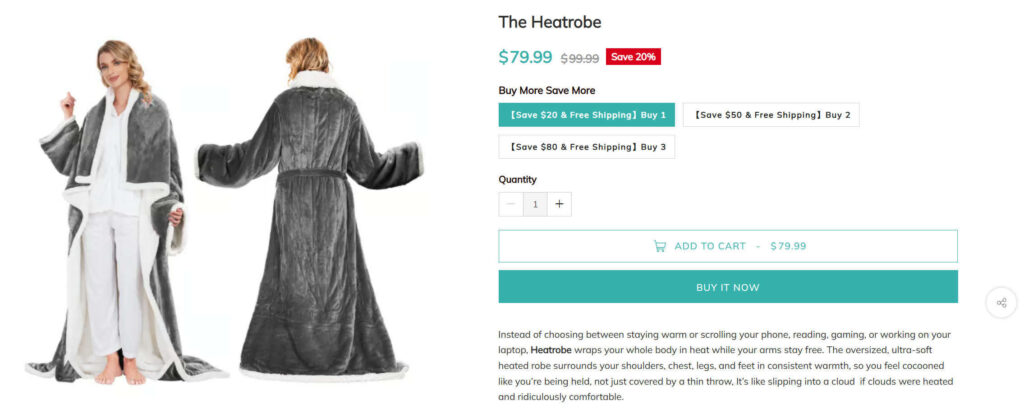
On the Checkeredthings website and similar storefronts, The Heatedrobe is presented as a premium, full body heated robe. The page combines lifestyle photos with long, emotional copy designed to make you feel cold, tired, and in need of an upgrade.
Typical claims include:
- The robe wraps your entire body in gentle, even heat
- Your shoulders, legs, and feet are kept at a comfortable temperature
- You can stay warm without turning up the thermostat
- The oversized design is “like slipping into a cloud”
- It is perfect for reading, gaming, working from home, or watching TV
You will usually see the price set around $79.99, with fake “was $99.99” or higher anchors and bright badges like “Save 20%” or “Free Shipping Over $59”. Additional bundle offers promise even bigger savings if you buy two or three robes at once.
At a glance, the whole presentation is designed to make you feel like you are investing in a high end heated garment, something closer to an electric blanket or wearable heating system than a normal robe.
The Heatedrobe’s Marketing Tricks
The sales page uses several psychological levers to push you toward a fast purchase:
- Scarcity and urgency: countdown timers, “limited stock” banners, and phrases like “Buy More Save More” signal that if you wait, you will miss out.
- Social proof: star ratings, supposed customer photos, and glowing testimonials make it appear that thousands of people already love this robe.
- Comfort and lifestyle promises: instead of just talking about fabric and stitching, the copy focuses on stress relief, cozy evenings, and “never feeling cold again”.
These are standard tools from the dropshipping playbook. On their own they are not automatically fraudulent, but they create the emotional environment where you are much less likely to stop and ask critical questions about what is really inside the product you are buying.
What Buyers Expect Versus What They Are Likely To Receive
With a name like “Heatedrobe” or “Heatrobe”, many shoppers naturally assume they are buying a robe that actively generates heat. The product name, the warm colored visuals, and phrases like “wrap your whole body in heat” strongly suggest there is an actual heating element built into the garment.
A reasonable buyer would expect:
- Internal heating wires that connect to a power source
- Some kind of controller or remote to adjust temperature levels
- A power cord, battery pack, or charging system
- Basic safety features, such as automatic shut off or temperature limiting
However, the photos carefully avoid showing any of these elements. You rarely see:
- Close up shots of wiring
- A clear image of a power cord
- A controller with labeled heat settings
- Details about voltage, wattage, or safety certifications
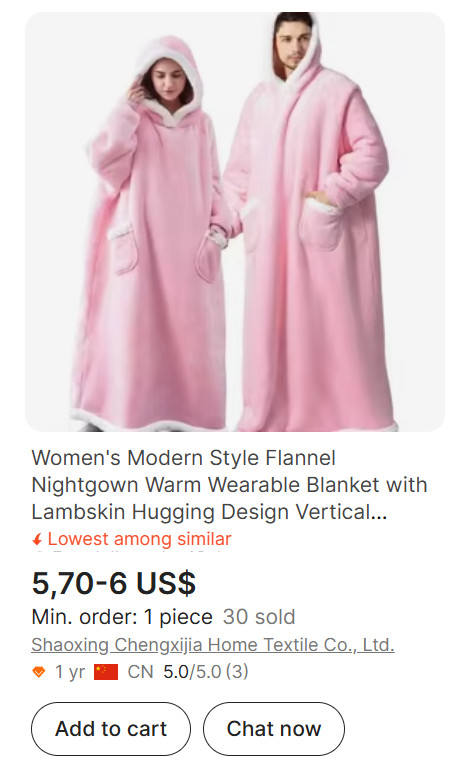
Instead, the robe looks almost identical to generic fleece or flannel robes available on wholesale sites for around $6 each. They have plush fabric, lining, and long sleeves, but no visible hardware at all.
In many similar scams, customers report that they receive:
- A regular non electric robe made from polyester or flannel
- No wiring, battery, or plug
- No instruction manual describing a heating system
- No warranty information for electrical components
Even if The Heatedrobe’s page uses careful wording that technically avoids stating “built in electric heating wires”, the overall branding and imagery push buyers to assume that the robe creates its own heat. That is where the deception lives: the product is presented as a technological solution to cold evenings when in reality it is just another thick robe.
Pricing That Makes Sense Only If You Believe The Hype
The current headline price around $79.99 is extremely high for a simple robe. In many brick and mortar stores you can buy a premium fleece or plush bathrobe for $30 to $50, often from well known brands with clear return policies.
So why does this generic product sell for nearly $80?
The price looks more reasonable if you think you are paying for:
- Integrated heating technology
- Safe, regulated temperature control
- Unique design and specialized materials
Remove those assumptions and you are left with a dramatic markup on what appears to be a basic robe. When you realize that nearly identical garments can be found on wholesale platforms for under $10, the business model becomes obvious: purchase cheap robes in bulk from manufacturers in China, then resell them online at luxury prices using intense marketing.
Classic Signs Of A Dropshipping Scam
The Heatedrobe fits a pattern that appears across dozens of low trust online shops:
- New or low reputation storefronts: the brand Checkeredthings is not a long standing sleepwear company with a track record. It is a generic lifestyle name that could be swapped out tomorrow.
- Single hero product: the entire site focuses heavily on one item, in this case The Heatedrobe, often with only a handful of other products.
- Lack of transparent company details: the “About” and “Contact” pages are usually thin on real information about who runs the business, what country they are based in, and how returns are processed.
- Copy and paste marketing: the wording used for The Heatedrobe is nearly identical to other “miracle robe” and “heat blanket” products under different brand names.
None of these things alone prove fraud, but taken together they paint a clear picture. You are not dealing with a long term brand that invests in quality and customer happiness. You are dealing with a storefront that is optimized to collect as many orders as possible while it is still unknown, then fade away once complaints catch up.
Returns And Refunds That Sound Good But Rarely Work
Most of these sites mention a “30 day money back guarantee” or similar reassurance. On paper, this sounds comforting. In practice, there are several problems:
- The terms usually require the robe to be unused, unwashed, and in original packaging. That is unrealistic if you tried it on and discovered it does not heat at all.
- Customers are often required to pay to ship the item back to a warehouse in China or another foreign country. For a bulky robe, tracked international shipping can cost a large portion of the purchase price.
- The seller reserves the right to deny refunds for vague reasons like “damage” or “hygiene concerns”, with no independent inspection.
All of this creates a situation where returns are technically possible but extremely impractical. Many buyers simply give up, especially if support replies are slow, unhelpful, or push them to accept a partial refund instead of a full one.
Why The Heatedrobe Looks Like A Risky Purchase
When you put everything together, the concerns become clear:
- The product name and marketing imply an active heating system, yet there is no clear evidence of real electrical hardware.
- The price is far higher than non electric robes of similar quality.
- The branding matches a known pattern of short lived dropshipping sites that resell cheap Chinese garments as “innovative” solutions.
- The return and refund process is likely to be frustrating, expensive, and tilted heavily in the seller’s favor.
If you go into the purchase believing you are getting a fully featured heated robe, you will almost certainly be disappointed. At best, you will receive a soft but ordinary robe that does not justify its price. At worst, you will be stuck in a fight to recover your money from a company that seems designed to avoid accountability.
Not Every “Heated Robe” Is Fake, But Many Are
It is important to say that not every heated robe on the market is a scam. There are genuine wired versions sold by established brands, usually through major retailers or well known marketplaces. These products clearly show their power cords, controllers, temperature settings, and safety certifications. You can often find detailed manuals, real customer photos, and consistent reviews that mention how the heating system actually works.
The problem appears when lesser known sites try to cash in on the trend. We have received many reports from readers who ordered what they thought was a wired heated robe, only to receive a simple fleece blanket or robe with no electronics at all. When they tried to complain, they discovered that returns required expensive shipping back to China, or that customer support simply stopped replying.
So the key is not to avoid heated robes entirely, but to be extremely careful about where you buy. Stick to reputable brands, retailers with clear return policies, and listings that show real photos of the cord and controller. If a site promises miracle warmth but never shows how the product is powered, it is safer to walk away.
How The Operation Works
Step 1: Targeting People Who Are Cold, Tired, And Looking For Comfort
Scammy robe sellers know exactly who they want to reach. Their ads are targeted at people who:
- Feel cold at home during winter
- Want to lower heating bills without freezing
- Struggle with joint pain, poor circulation, or trouble sleeping
- Love cozy, soft blankets and comfort wear
The visuals show relaxed models wrapped in fluffy fabric, often standing next to a couch or fireplace. The ad copy talks about “never feeling cold again” and “bringing spa level warmth into your living room”.
This emotional hook is powerful. When you are shivering or worried about energy costs, a product that promises full body warmth for a one time price sounds like a smart investment, not a luxury impulse.
Step 2: Framing The Robe As An Innovative Heating Solution
Once you click through to the product page, the marketing shifts into technical sounding language. The Heatedrobe is not just a robe. It is described as:
- A robe that “wraps your body in heat”
- An ultra soft garment that keeps your shoulders, legs, and feet warm
- A way to stay toasty without turning on the heater
Even if the site does not explicitly say “built in electric heating wires”, the implication is strong. Words like “heat robe” and “heated” nudge your brain to imagine real technology under the fabric.
The description leans on phrases that sound scientific while remaining vague. You might see mentions of “heat retention technology” or “advanced warming design” that never clearly explain the mechanism. This ambiguity is intentional. It lets the seller benefit from your assumptions while giving them wiggle room to argue that they only promised a “warm robe”.
Step 3: Using Pricing Tricks And Bundles To Increase Orders
The pricing structure is carefully designed to push you toward buying fast and buying more:
- A prominent “compare at” price above $100 to make $79.99 look like a bargain
- Highlighted discounts such as “Save 20%” or “Limited Time Offer”
- Bundle deals like “Buy 2 save $50” or “Buy 3 save $80” with free shipping
These tactics have several effects:
- They make you feel like you are grabbing a rare deal before it disappears.
- They encourage you to buy multiple robes without first confirming the quality of one.
- They increase the seller’s revenue significantly with each checkout.
Because the actual manufacturing cost of a generic robe is low, bundle discounts still leave plenty of profit. The seller can afford to give up a little revenue per unit to dramatically increase the number of units shipped.
Step 4: Hiding The Real Source Of The Product
Behind the glossy storefront, The Heatedrobe is most likely sourced from wholesale marketplaces where manufacturers offer plush robes for a fraction of the retail price. The pictures are nearly identical:
- Long, oversized robes with wide sleeves
- Soft fleece or flannel outer layer and contrasting lining
- Neutral colors like gray, cream, or pastel tones
These wholesale listings do not mention heating wires, controllers, or electrical safety standards. They are simply warm robes.
The dropshipper never touches the product. Instead, the typical flow looks like this:
- You place an order for The Heatedrobe on the Checkeredthings site.
- The seller forwards your details to a third party supplier.
- The supplier ships a generic robe directly from a warehouse in China.
- The order arrives after several weeks, often with minimal branding or instructions.
Because you paid the Checkeredthings website, not the actual manufacturer, you have very little leverage once something goes wrong.
Step 5: Making Customer Support A Maze
When disappointed customers reach out to complain that their robe does not heat, they run into the next stage of the scheme. Support is often slow, scripted, and designed to discourage refunds.
Common responses include:
- Suggesting that the robe needs time to “reach optimal warmth” despite having no heating elements
- Emphasizing that the product description only promised a warm robe, not a fully electric system
- Offering small partial refunds if you agree to keep the item
- Pointing you to a return policy that requires international shipping at your own cost
The goal is simple: give just enough response to avoid looking completely abandoned, but make the process so tedious and expensive that most customers accept a partial loss and move on.
Step 6: Exploiting The Cost And Complexity Of Returns
The real power of this model lies in how hard it is to return the robe. To obtain a full refund, buyers may be told to:
- Ship the item back to a warehouse in China or another distant country
- Use tracked shipping and provide proof of delivery
- Pay customs, duties, or other fees if required
For a bulky robe, international tracked shipping can be very expensive. In some cases it may cost $25 or more, especially if you want it to arrive within a reasonable timeframe.
Faced with this reality, many buyers decide that returning the robe is not worth the effort. They would rather put it in the back of the closet and chalk the experience up as a lesson. The seller keeps nearly all of the original payment.
Step 7: Repeating The Process Under New Names
Once enough complaints accumulate and word starts to spread online, many of these businesses simply change skins. The operators might:
- Launch a new website with a different name but the same product photos
- Modify the legal pages with a fresh company name and mailing address
- Tweak the product title from “Heatedrobe” to “ThermaRobe” or “Heatrobe”
- Start a new round of ads targeting the same audience
Because the product is generic and the marketing copy is easy to reuse, they can create an entirely new brand in a matter of days. Shoppers who never heard of the previous scams end up walking into the same trap under a different label.
What To Do If You Have Fallen Victim to This Scam
If you already bought The Heatedrobe and now realize it is not the high tech heated robe you expected, you are not alone. The situation is frustrating, but there are clear steps you can take to protect yourself and try to recover your money.
1. Gather Evidence Immediately
Start by documenting everything. This will be crucial if you open a dispute with your bank or PayPal.
- Take clear photos of the robe from multiple angles, showing that there are no heating wires, cords, or controllers.
- Photograph any packaging, labels, and inserts that came with your order.
- Capture screenshots of the product page where the robe is marketed as a heating solution.
- Save your order confirmation email, receipts, and any messages exchanged with customer support.
Store all of this information in one folder so you can quickly attach it when needed.
2. Contact The Seller In Writing
Even if you expect a poor result, it is important to first contact Checkeredthings or the seller listed on your receipt.
- Use the official email address from their contact page.
- Explain clearly that the product you received does not match what you believed you were purchasing.
- State that the robe has no heating mechanism and ask for a full refund.
- Request a prepaid return label if they require the item back.
Be polite but firm. Avoid emotional language and stick to facts. Keeping communication in writing rather than phone calls ensures you have a record of everything said.
3. Think Carefully Before Accepting A Partial Refund
Some buyers report being offered a partial refund as a “gesture of goodwill” if they agree to keep the robe. You might be tempted to accept this just to avoid further hassle, but consider the tradeoffs.
- A small partial refund still leaves you paying heavily for a product that was misrepresented.
- Accepting the offer may weaken your case if you later try to dispute the charge with your bank.
- It signals to the seller that their tactics are working.
If you feel the advertising truly led you to believe The Heatedrobe was an actual heated garment, it is reasonable to insist on a full refund instead of a token amount.
4. Open A Dispute With Your Bank Or Card Issuer
If the seller refuses to help, pushes partial refunds, or stops responding, your next step is to involve your payment provider.
- Call the number on the back of your credit or debit card or log into your online banking portal.
- State that you want to dispute a transaction because the item was “significantly not as described”.
- Explain that The Heatedrobe was marketed as a heated robe, but you received a normal robe without any heating system.
- Provide copies of your photos, screenshots, and email conversations.
Banks and card networks often side with consumers when products are clearly misrepresented. Acting promptly increases your chances, as many institutions have strict deadlines for filing disputes.
5. File A PayPal Claim If You Paid Through PayPal
If you used PayPal at checkout, take advantage of their buyer protection program.
- Log in to your PayPal account and open a dispute under the “Resolution Center”.
- Select “Item not as described” as your reason.
- Upload your evidence, including photos of the robe and screenshots of the product page.
- If the seller does not resolve the issue, escalate the dispute to a full claim.
PayPal will review the documentation from both sides and may refund your money if they agree that the listing was misleading.
6. Avoid Paying For Expensive International Returns
If the seller insists that you must ship the robe back to a far away warehouse at your own expense, do not agree without doing some math.
- Get a shipping quote from your local post office or courier for a tracked parcel of similar size and weight.
- Compare that cost to what you paid for the robe.
If the return shipping will eat up a large fraction of your payment, inform your bank or PayPal. Explain that the seller is making unreasonable demands that effectively block your access to a refund. This can strengthen your position in a dispute.
7. Warn Others Through Honest Reviews
Once your refund request or dispute is underway, consider leaving an honest review to help other people avoid the same problem.
- Share your experience on independent review platforms, not just the seller’s own site.
- Stick to factual statements: what you believed you were buying, what you received, and how support treated you.
- Avoid insults or speculation about motives. Calm, factual reviews are taken more seriously.
Your review can make a real difference. Many people check reviews only after they have already purchased. Seeing clear warnings in advance may save someone else from the same frustration.
8. Report The Site To Consumer Protection Agencies
If you live in a country with consumer protection authorities, you can file a short report about your experience.
- Provide the website address, your order date, and the amount you paid.
- Explain why you believe the product was misrepresented.
- Attach screenshots and photos if the reporting system allows.
While a single complaint might not lead to immediate action, patterns of similar reports help regulators identify and investigate deceptive businesses.
9. Protect Your Financial And Personal Data
Finally, take a few minutes to secure your information:
- Monitor your bank or card statements for any additional unauthorized charges.
- If you see anything suspicious, contact your bank right away and request a new card.
- If you reused the same password on other sites, change those passwords and use unique logins going forward.
Staying alert ensures that the damage is limited to one bad purchase rather than a long chain of problems.
The Bottom Line
The Heatedrobe promises luxurious, full body warmth and markets itself as if it were a high tech heated garment, yet there is little sign of any real heating system behind the hype. Everything about the offer, from the inflated pricing to the vague product description and likely Chinese sourcing, points toward a typical dropshipping model that thrives on impulse purchases and difficult returns.
If you have not ordered yet, the safest decision is to skip The Heatedrobe and look for a robe or electric blanket from a well known retailer with clear reviews and transparent policies. If you already placed an order and feel misled, treat it as a misrepresented product, gather your evidence, and work with your bank or PayPal to reclaim your money.
FAQ
Is The Heatedrobe an actual heated robe?
Despite the name, there is no clear evidence that The Heatedrobe contains real heating wires, a power cord, or a controller. In most cases it appears to be a regular plush robe marketed as a heating solution.
Why do people say The Heatedrobe is a scam?
Because many shoppers buy it believing it is an electric heated garment, but receive a normal robe with no electronics. The high price and vague, misleading marketing create a strong sense of being tricked.
Is The Heatedrobe worth $79.99?
For a non electric robe, $79.99 is very expensive. Similar plush robes are widely available from reputable retailers for much less, often with better return policies and clearer product information.
Can I return The Heatedrobe for a refund?
The site usually offers a “30 day guarantee,” but returns often require shipping the robe back overseas at your own cost. For a bulky item, that can be so expensive that many buyers decide it is not worth it.
What should I do if I already ordered The Heatedrobe?
Document what you received, contact the seller in writing, and request a full refund. If they refuse or ignore you, open a dispute with your bank or PayPal and state that the item is not as described because it is not a true heated robe.

Join the discussion
0 commentsShare your experience or ask a question about this article.
Discussion
Start the conversation
Have a question or something useful to share? Add the first comment.