


The video shows a tray taking shape, layer by layer. You can picture it on your own table before the artist even shows the finished piece.
Then the account asks for a deposit. The clip tells you how the tray was made, but it may not tell you who made it.
Overview
Real footage can sell a piece the account doesn’t own
In a TikTok resin art scam, an account uses another maker’s work to sell an item or commission. The video doesn’t have to be edited or AI-generated.
Malwarebytes documented resin accounts inviting orders through direct messages and reported a creator finding their own process videos posted by an account presenting itself as a maker.
A clip showing somebody mixing resin can be genuine. The unresolved question is whether the person taking payment actually made the work or can deliver it.
The deposit makes sense in a real commission
A maker can reasonably ask for money to cover materials before starting a custom piece. That’s why a deposit request doesn’t look out of place.
What makes the fake offer dangerous is the combination of borrowed work, unclear identity and a payment arrangement that leaves the buyer with little recourse.
Genuine makers use TikTok too. Verify the person and their order process instead of assuming every account without a large storefront is dishonest.
What needs to match before you pay
You want the account, the art and the invoice to tell the same story. Look for the details that tie them together:
- The maker’s name and a profile with an independently traceable history.
- An older portfolio or shop that shows the same work and credits its creator.
- A description of your specific piece, including size, finish and price.
- A written delivery estimate and terms for changes, defects and cancellation.
- A payment recipient you can connect to the artist or the marketplace handling the order.
A popular video is a reason to look at a maker’s work. It isn’t a substitute for identifying the person to whom you’re sending money.
How the TikTok Resin Art Scam Works
Step 1: A striking clip supplies the portfolio
A resin pour, a final polish or a finished river table can make a new account look like an established studio. You see the work before the seller.
A repost may include music or a new caption that makes the clip seem original. Look past that layer and check whether the same sequence exists elsewhere.
You don’t need to decide if the video was generated. An authentic clip borrowed from another maker already raises the question that matters for an order.
Step 2: The custom request moves into a private message
The post invites a message for colors, dimensions or a price. There’s nothing wrong with discussing a custom piece privately, but keep the conversation tied to the maker.
Ask for an itemized quote you can save. A serious commission should state what the deposit covers, when the balance is due and how shipping works.
If the account changes handles or moves you to another service, make sure you still know who is accepting the order. Don’t let the video stand in for identification.
Step 3: The payment is framed as reserving a slot
The seller may say they need to buy pigments, molds or blanks before they can begin. That sounds plausible because a real maker would have material costs.
Check how you’re being asked to pay. A protected goods purchase and a personal transfer for the same amount may give you different ways to challenge non-delivery.
Don’t let the promise of a scarce production slot push you into sending funds before you can verify the maker and written terms.
Step 4: The work never becomes a verifiable order
You may receive a promise that the piece is drying or about to ship. Ask for the agreed deadline and carrier details rather than accepting a new timeline indefinitely.
The reported pattern includes sellers who disappear after receiving money. A delay on its own isn’t proof; the false portfolio and untraceable payment matter too.
If they ask for a new fee to release the order, stop. Compare it with the invoice and don’t send more funds to protect what you’ve already paid.
How to Verify the Person Behind the Resin Work
Check the history, not just a single picture
Pick one distinctive piece, such as a tray with an unusual edge or a table with an identifiable grain pattern. Search for that work separately.
Compare older posts and credited portfolios. A matching frame can show a connection, but repost dates alone don’t always establish who made the original piece.
Look for consistent details across projects. A maker may show the mold, the underside, the finishing process or a repaired flaw rather than only the dramatic pour.
If you find another account claiming the same work, ask through the independently established studio contact. Don’t demand that a stranger prove their identity by sending private documents.
Ask about the exact piece you would get
Dimensions, color, finish and intended use belong in the quote. A phone screen can make a coaster look as large as a serving tray.
A custom order should explain which features are fixed and which can vary. Grain, color and tiny bubbles can differ without a seller having substituted a different product.
For a table, confirm whether the base is included and who pays freight. A delivery estimate for a coaster doesn’t help if the piece needs special handling.
If the piece is meant for contact with food, ask what the maker documents for that use. A glossy surface is not a material specification.
Work out which evidence belongs to you
Save the quote and the name of the person or company who accepts it. If you later need to dispute a payment, generic comments won’t establish your agreement.
Ask for agreed progress updates on a costly commission. A recycled finished-piece clip doesn’t prove work started on the dimensions and color you ordered.
Don’t confuse reverse image search with proof of theft. It gives you leads to compare. A seller might be a dealer who has permission to use studio photographs.
If that is the explanation, check it through the original studio or marketplace. A legitimate dealer should be able to explain their relationship to the maker.
Payment and Shipping Checks for a Custom Piece
Look for a purchase method intended for goods and services. The FTC’s online shopping guidance explains why payment method and written delivery terms matter if something goes wrong.
A real artist may not have a sophisticated checkout. They should still be able to identify the business receiving payment and state the terms of your order.
Before sending a deposit, find out whether it is refundable and under what conditions. A seller disappearing is different from you changing your mind after work starts.
For a heavy piece, confirm who pays if it arrives cracked. Ask how damage should be documented and whether the seller or buyer must deal with the carrier.
If a marketplace processes the payment, stay inside its approved order route. A discount for moving outside it may cost you the protection you were relying on.
Don’t let a separate invoice for freight surprise you. If shipping can’t be calculated before the order, agree how it will be determined and when you can decline.
What to Do if You Have Fallen Victim to This Scam
- Stop sending money. Don’t pay a release charge, customs fee or refund processing fee supplied by the same account. Check any real shipment independently.
- Save the purchase trail. Keep the profile URL, clips you relied on, agreement, invoice and transaction details. A handle can change, so record the date too.
- Contact the payment provider promptly. Describe what you bought, the promised delivery date and whether the seller misrepresented the work or stopped responding.
- Report the account or listing in TikTok. Use the app’s own tools. If you identified the real maker, don’t report their authentic studio page by mistake.
- Secure any account details you shared. If you entered a password on an outside checkout or login screen, change it through the real service.
- Keep a private record of the outcome. Save any dispute reference and deadlines. Don’t post your shipping address or payment details while warning others.
A buyer who authorized a deposit should describe it accurately. Non-delivery or misrepresentation isn’t the same allegation as a charge you never approved.
If the seller sends a tracking number, verify that the shipment was addressed to you. A scan showing delivery somewhere doesn’t necessarily prove you received the piece.
If the account later claims your refund can only go through a special link, contact the payment provider. Don’t enter card credentials just to receive money back.
If Someone Is Using Your Studio Videos
Save the reposts and original publication dates before opening a report. A link, screenshot and the corresponding original clip make it easier to show which work is yours.
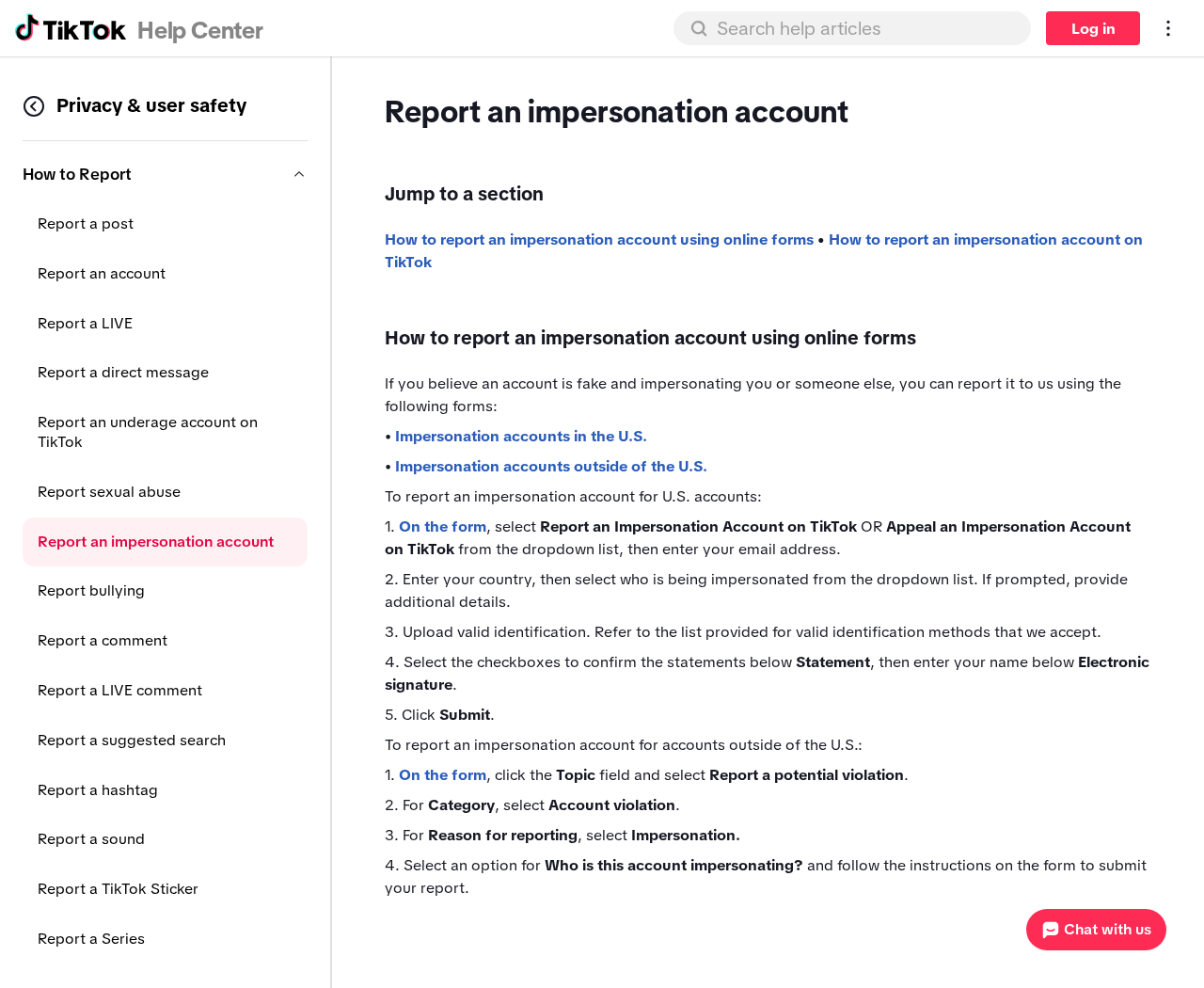
Use the platform’s copyright or impersonation reporting route. Reusing a video and pretending to operate your business can involve different report categories.
If customers might contact you, explain where you actually take orders. Pinning your official shop and payment policy helps them verify a new account independently.
Don’t publish private messages from buyers to make the warning more persuasive. Describe the unauthorized accounts and how customers can confirm whether you issued an invoice.
What a Usable Commission Quote Looks Like
Say you’re ordering a custom tray in a specific color. The quote should identify the tray’s dimensions, the design you agreed to and how delivery will be arranged.
Ask which parts of the design are samples rather than promises. A seller can show inspiration photos, but they should not pass another studio’s work off as theirs.
Keep one copy of the agreed specification before a later change. If you request a different finish, save the revised total and new delivery estimate too.
Ask what happens if a maker can’t finish the job. A written deposit policy should distinguish a customer cancellation from work the seller isn’t able to complete.
For an expensive order, agree on a useful progress checkpoint. It could be a photograph of the unfinished piece at a stage where your options still matter.
Don’t approve a vague balance payment because the seller says the work is finished. Compare the latest evidence with what you agreed to buy.
When the piece ships, keep the final invoice and delivery details together. If something arrives damaged, they show what was supposed to be packed and when it left.
A maker who can explain those terms is easier to deal with than an account that only shares new videos. If the seller won’t answer, leave the commission.
Frequently Asked Questions
Are all TikTok resin commissions scams?
No. Many real artists take orders after showing their process online. The risk here is a seller using someone else’s work to collect payment.
Check whether the maker’s portfolio and payment identity line up. If the artist can verify a different account is theirs, save how you confirmed it.
Does an original studio video prove the seller is real?
It proves much less than it seems to. Even a real clip can be reposted by somebody who didn’t make the piece.
Look for earlier credited versions and confirmation from the maker. A clip with no name or an edited-out watermark deserves a closer look.
Is a deposit a warning sign on its own?
No. Custom materials and labor cost money, and a legitimate commission may require a deposit. The terms should tell you exactly what it covers.
Skip the deal if the account can’t identify who gets paid or insists on a method you can’t reasonably dispute if nothing arrives.
What if they only accept a personal payment?
Don’t send a personal transfer for a commercial order you can’t independently verify. Ask for a payment method meant for purchases, with the actual terms disclosed.
If they refuse, buy elsewhere. A seller’s preference doesn’t give you a recovery route when the work doesn’t arrive.
Can an artist sell work through DMs without a website?
Yes. A studio can discuss and quote a piece by message. What matters is whether you can establish identity, get clear terms and save proof of payment.
Use a recognized shop or protected invoice if available. A direct message alone should not be the only record of an expensive commission.
What if the piece arrived but looks nothing like the video?
Compare it with the quote and photos you relied on. Save pictures of what arrived, including measurements and packaging, before contacting the seller.
Explain the specific mismatch, not just that the finish disappointed you. If the seller won’t resolve it, ask the payment provider about a dispute.
The Bottom Line
Don’t send a deposit based on a satisfying video. Verify who made the work and get an invoice that names the same seller before you pay.
If you’ve paid an account that used stolen footage or stopped responding, save the quote and original post. Contact your payment provider and report the impersonating account.

Join the discussion
0 commentsShare your experience or ask a question about this article.
Discussion
Start the conversation
Have a question or something useful to share? Add the first comment.