

Track718.us is a package tracking website that many shoppers encounter after placing an order online. While it may appear routine at first glance, its name often comes up in discussions about delayed shipments, suspicious stores, and confusing delivery updates. That has led many consumers to ask a simple but important question: is Track718.us legit, or is it something to be wary of?
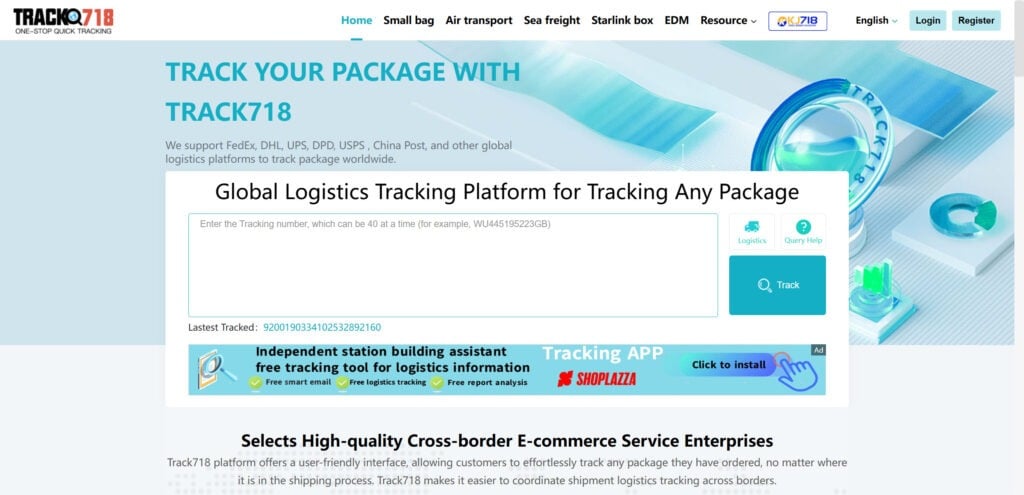
What Track718.us Claims to Be
Track718.us presents itself as a global shipment tracking platform. The site states that it can track packages across hundreds or even thousands of logistics carriers worldwide.
In theory, the concept is simple.
Instead of checking multiple courier websites individually, a user enters a tracking number into Track718.us and receives shipping updates from whichever carrier is handling the package.
These types of services are often called tracking aggregators. Similar tools exist across the shipping industry, especially for international packages that pass through several different logistics providers before reaching their final destination.
Track718.us claims to support tracking for carriers such as:
- USPS
- FedEx
- DHL
- UPS
- China Post
- YunExpress
- Cainiao
- DPD
- Royal Mail
The platform also promotes a mobile app and claims to offer tracking services for e-commerce shipments around the world.
On the surface, none of this is unusual. Tracking aggregators are widely used in international shipping, particularly for cross-border e-commerce.
However, the issue with Track718.us is not simply what the site claims to do. The concern comes from how often it appears in reports of fraudulent online stores.
Why Track718.us Raises Suspicion
The biggest red flag surrounding Track718.us is the pattern of complaints connected to it.
Many scam reports follow the same sequence.
A customer purchases an item from a heavily discounted online store. After the purchase, the seller sends a shipping confirmation email that includes a tracking link to Track718.us.
The tracking number begins to display updates. The package appears to move through various logistics checkpoints, sometimes across multiple countries.
Then one of several things happens:
- The item never arrives.
- The wrong item arrives.
- A worthless object arrives instead of the ordered product.
- The tracking page eventually shows “delivered” even though nothing was received.
Because the tracking system shows progress and a final delivery status, the scam seller can claim that the order was successfully fulfilled.
This tactic is commonly used in e-commerce scams involving fake online stores.
How Track718 Often Appears in Scam Shopping Sites
The typical situation looks like this.
A shopper sees an advertisement on social media promoting a major sale. The ad might show premium products at extremely low prices, sometimes 70% to 90% off.
Examples include:
- Outdoor furniture
- Power tools
- Brand-name clothing
- Electronics
- Home appliances
The website itself often looks professional. It may include product photos, customer reviews, and even a countdown timer to create urgency.
After placing an order, the buyer receives an email saying the package has been shipped.
Inside that email is a tracking number linked to Track718.us.
At this point, the buyer believes everything is normal. The tracking page displays updates such as:
- Shipment information received
- Package in transit
- Arrival at sorting facility
- Out for delivery
But days or weeks later, the situation changes.
Either the package never appears, or the tracking suddenly shows “delivered” despite the buyer receiving nothing.
When the buyer contacts the seller, the store often points to the tracking page as proof that the order was delivered.
Eventually, the website disappears or stops responding to emails.
Why Scammers Use Tracking Pages Like Track718
Tracking platforms can be useful tools for scammers because they add credibility to fake shipments.
Without a tracking number, buyers would quickly realize something is wrong. A tracking page gives the impression that a package is moving through a legitimate shipping network.
Scammers exploit this psychological effect.
Seeing tracking updates reassures the buyer and delays suspicion. This delay is critical because it can push victims past refund deadlines or chargeback windows.
A fake or misleading tracking page also allows scammers to argue that the delivery problem is the courier’s fault rather than their own.
In many cases, the tracking number may be linked to a real shipment, but not necessarily to the buyer’s address.
For example, scammers sometimes use:
- Recycled tracking numbers from unrelated shipments
- Packages sent to a nearby address
- Low-value items mailed only to generate delivery confirmation
Once the courier marks the package as delivered, the seller claims the order was fulfilled.
Is Track718.us Always Fake?
Not necessarily.
It is important to understand that Track718.us itself may function as a real tracking interface. The website does display shipment data and appears to connect to certain logistics systems used in international shipping.
The issue is that the platform often appears in transactions involving suspicious online stores.
In other words, the tracking page may be real, but the merchant behind the order may not be legitimate.
This distinction explains why opinions about Track718.us vary online.
Some users report that the platform successfully tracked legitimate shipments.
Others claim the tracking data was inaccurate, misleading, or tied to scam purchases.
The mixed experiences make Track718.us difficult to classify as fully trustworthy.
Warning Signs That Your Track718 Order May Be a Scam
If you received a Track718 tracking link after placing an order, look for these warning signs.
The store had extreme discounts
If a website offered premium products at unusually low prices, the store itself may have been fraudulent.
The website had little information about the company
Scam stores often lack:
- A real business address
- Verified customer support
- Clear return policies
The store was advertised through social media
Many scam stores appear as temporary advertisements on platforms like Facebook, Instagram, or TikTok.
The shipping updates look generic
Tracking pages may display vague updates such as “in transit” or “arrived at facility” without clear location details.
The delivery status does not match reality
If the tracking page says delivered but you received nothing, this is a major red flag.
The seller stops responding
Scam stores often stop answering emails once the tracking page shows delivery.
What to Do If Your Track718 Order Never Arrives
If you believe the order linked to Track718.us may be fraudulent, take action quickly.
Contact your bank or credit card provider
Explain that you may be dealing with a merchandise not received situation. Most payment providers allow disputes within a specific time window.
Gather evidence
Save the following information:
- Order confirmation email
- Product page screenshots
- Tracking history from Track718
- Emails from the seller
This documentation will help support your dispute.
Verify the tracking with the actual courier
If the tracking page claims the shipment was handled by a specific carrier, check the number on the carrier’s official website.
Sometimes the number does not exist in the real carrier system.
Check the delivery address
In some cases, scammers ship an inexpensive item to a nearby address to create a delivery record.
Ask the carrier whether the tracking number was actually addressed to you.
Report the store
You can report fraudulent online stores to consumer protection organizations or fraud reporting services.
This helps prevent other buyers from becoming victims.
How to Protect Yourself from Similar Tracking Scams
Online shopping scams have become increasingly sophisticated. Tracking numbers are now commonly used to make fraudulent orders look legitimate.
To reduce the risk of falling victim to these schemes, follow several basic precautions.
First, research unfamiliar online stores before purchasing. Search the store name together with words like “scam,” “review,” or “complaints.”
Second, avoid websites that advertise extremely low prices on high-value items. Unrealistic discounts are one of the most common indicators of scam stores.
Third, check whether the business provides a verifiable address and customer support phone number.
Fourth, always pay with a credit card or payment service that offers buyer protection. Avoid bank transfers, cryptocurrency payments, or other irreversible payment methods.
Finally, remember that a tracking number alone does not guarantee a legitimate shipment.
Even scam orders can appear to move through shipping systems.
The Bottom Line
Track718.us is a real website that functions as a shipment tracking platform. On its own, the site is not necessarily fraudulent.
However, the platform frequently appears in complaints connected to scam online stores, misleading tracking updates, and orders that never arrive.
Because of this pattern, a Track718 tracking link should not be treated as proof that an online purchase is legitimate.
If an unfamiliar store sends you a Track718 tracking number, verify the shipment independently and keep a close eye on refund deadlines.
In many cases, the tracking page is simply part of a broader scam designed to delay suspicion and prevent victims from recovering their money.
The safest approach is to remain cautious, verify the seller carefully, and act quickly if something about the transaction does not feel right.

Join the discussion
0 commentsShare your experience or ask a question about this article.
Discussion
Start the conversation
Have a question or something useful to share? Add the first comment.