

Every year, thousands fall victim to financial scams promising wealth, refunds, or prizes—none more insidious than the so-called “United Nations Funds and International Monetary Scam.” It starts with an innocent-looking email claiming you’ve been awarded millions by the UN or the IMF. But what happens next is anything but innocent.
If you’ve received a message claiming you’re owed millions in UN-disbursed funds for a small “Notarization of Encrypted Code” fee—keep reading. This guide unpacks everything about this dangerous scam, how it works, how to protect yourself, and what to do if you’ve already fallen victim.
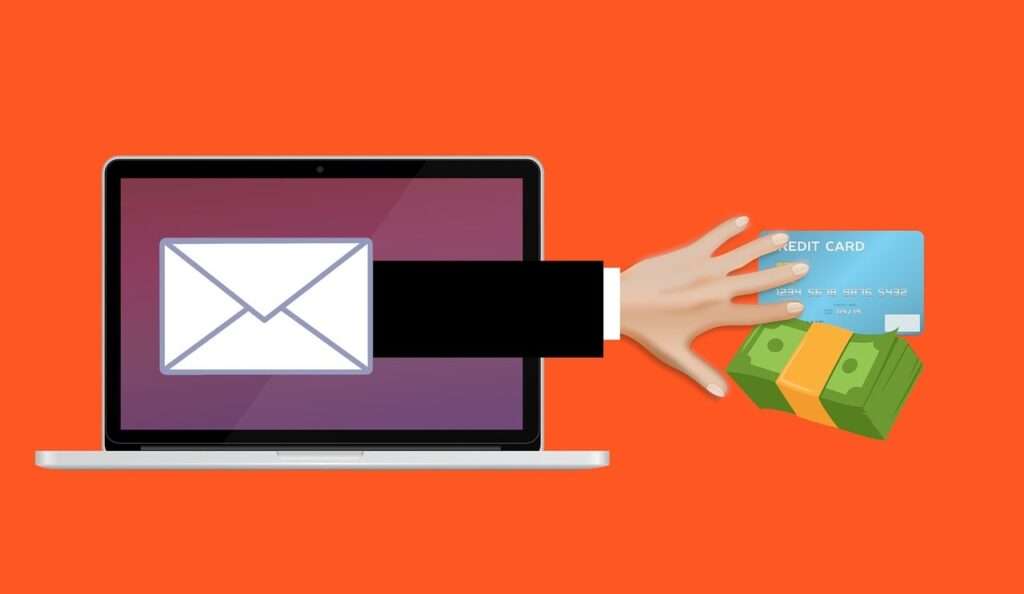
What Is the United Nations Funds and International Monetary Scam?
At its core, this scam leverages trust in globally recognized institutions—primarily the United Nations (UN) and the International Monetary Fund (IMF)—to manipulate victims into parting with money and personal information. The fraudulent email typically informs recipients they are entitled to receive a large sum of money (usually over $10 million), allegedly due to forgotten inheritance, unpaid refunds, contract payments, or long-delayed compensation.
A Modern Twist on the Classic Advance-Fee Fraud
This scheme is a modern iteration of the classic advance-fee fraud, often referred to as a “419 scam,” named after the Nigerian Criminal Code section that criminalizes it. What makes this scam even more convincing is the use of real institution names, logos, diplomatic language, and fake affiliations with trusted financial organizations.
In the example below, you can see how the fraudster mimics authority:
“This is to inform you that the United Nations and the International Monetary Fund, having resolved with Bank Negara…”
The language is formal and convincing. The tone is urgent yet friendly, offering a “final opportunity” to claim a massive financial windfall. This psychological tactic is known as scarcity marketing, and it plays directly into human tendencies to avoid missing out.
Anatomy of the Email
Let’s break down a real version of this scam email:
Subject: United Nations Funds
Sender: banknegara433@gmail.com
Message Highlights:
- References the UN, IMF, and “Bank Negara” (Malaysia’s central bank).
- Claims the recipient is owed $10.5 million.
- Requests a $570 NEC fee to “unlock” the funds.
- Requests personal details: name, phone, DOB, address, and occupation.
- Signed off by “Novita Widya Anggraini, Director – Finance.”
What makes this version especially deceptive is how it wraps fraudulent intent inside a veneer of officialdom. The names of real organizations are misused to establish fake credibility. Additionally, the small payment amount is deliberately chosen—just low enough not to raise alarm bells, but high enough to be profitable at scale when thousands fall for it.
How the Scam Works
Understanding the psychology and flow behind this scam can help prevent future losses. Here’s how it typically unfolds:
1. Initial Contact
You receive an unsolicited email, sometimes addressed as “Dear Beneficiary” or “Dear Friend.” The message informs you that the UN, IMF, or World Bank has approved a large payment in your name.
Key phrases to watch for:
- “Final notice”
- “You have been selected”
- “Your funds have been approved”
- “Urgent action required”
The scammers often create urgency to discourage you from thinking critically or doing proper research.
Here is how the scam emai might look:
Subject: Re: United Nations Funds
Dear Friend,
This is to inform you that the United Nations and the International Monetary Fund, having resolved with Bank Negara, which is now responsible for the payment of your long-awaited funds valued at US$10,500,000 only, have agreed that you pay a minimum fee of US$570 only for the Notarization of Encrypted Code (NEC) fee and receive your funds worth US$10,500,000 only as approved by the United Nations.
This is the best and final option for you to receive your long-awaited funds and be happy. Once I hear from you, I will send you the information on how to send the fee to me. I await your swift response. Please send me the information below to commence payment with immediate effect.
1. Full Name:
2. Phone Number/WhatsApp:
3. Date of Birth:
4. Your Full Address:
5: Occupation:
Congratulations, and God bless you.
Yours Truly,
Novita Widya Anggraini
Director – Finance
2. Building Trust
The scammer provides fake credentials, citing affiliations with global organizations like:
- United Nations (UN)
- International Monetary Fund (IMF)
- Bank Negara
- World Bank
- Federal Reserve
They may even copy logos and use email footers that mimic legitimate agencies. Some include fake documents or letters with forged UN headers to “verify” the claim.
3. Request for Personal Information
You’re asked to send the following:
- Full name
- Address
- Date of birth
- Phone number (often WhatsApp)
- Occupation
This step serves two purposes: to personalize future messages and harvest data that can be used for identity theft.
4. Advance Fee Request
You’re informed that you need to pay a minor fee—usually between $100 to $1000—for various fictitious services like:
- Notarization of Encrypted Code (NEC)
- Clearance Certificate
- Anti-Terrorism Certificate
- Bank Transfer Charges
- UN Diplomatic Dispatch Fee
This payment is usually requested via:
- Western Union
- MoneyGram
- Cryptocurrency (in more recent variants)
- Prepaid debit cards
Once this fee is paid, another fee request usually follows under the guise of “unforeseen complications.”
5. Prolonged Engagement
Some scammers stretch the interaction over weeks or even months. Each payment feels like it will be the last before the funds are released. Victims often don’t realize they’ve been scammed until they’ve paid multiple times and see no result.
6. Exit or Ghosting
Eventually, the scammer either:
- Disappears completely.
- Sends a final email claiming the funds were confiscated or delayed due to “non-compliance.”
- Reappears later with a new story to extract more money.
How to Spot a United Nations Funds Scam Email
Scam emails posing as messages from the United Nations, International Monetary Fund (IMF), or related financial bodies often follow specific patterns. While the wording may vary, there are several consistent warning signs that can help you quickly identify and avoid falling victim to these fraudulent messages.
1. Unsolicited Contact Claiming You’re Owed Money
If you receive an unexpected email saying you’re entitled to a large sum of money—often millions—from the UN, IMF, World Bank, or a foreign government, it’s almost certainly a scam. Legitimate institutions do not randomly choose individuals to receive funds or send surprise payouts.
2. Mentions of Unrealistic Dollar Amounts
Scammers commonly claim you are owed exact amounts like $10,500,000 or similarly large figures. These amounts are chosen to grab attention and entice victims with the illusion of financial transformation.
3. Requests for Personal Information
These emails usually ask you to provide:
- Full name
- Address
- Date of birth
- Phone number or WhatsApp contact
- Occupation
This personal information is used to either commit identity theft or make the scam feel more “official” in follow-up communications.
4. Upfront Payment Requirement
One of the most common features is a demand for a small “processing” fee, typically ranging from $100 to $1000, before the funds can be released. The reasons vary and may include:
- Notarization of Encrypted Code (NEC)
- Clearance certificate
- Tax or bank charges
- Anti-terrorism clearance
No legitimate organization asks for a fee to release funds to which you are entitled.
5. Suspicious Email Addresses
Scam messages often come from free or suspicious email accounts such as:
- Gmail (e.g., banknegara433@gmail.com)
- Yahoo
- Outlook
- Addresses with misspelled domains or numbers
A legitimate message from the United Nations or IMF would come from an official domain like @un.org or @imf.org, not a free or misspelled email provider.
6. Poor Grammar and Awkward Language
Many scam emails contain odd phrasing, grammar mistakes, inconsistent capitalization, and punctuation errors. These errors signal that the sender is likely not a professional organization but a scammer using a template.
7. Urgent or Pressuring Language
Scammers use urgency to pressure victims into quick decisions. Phrases like:
- “Final notice before cancellation”
- “Act immediately”
- “This is your last chance”
are designed to bypass logical thinking and create panic.
8. Too Good to Be True Promises
Be skeptical of any message offering life-changing money for minimal effort. If it sounds too good to be true—it is. No reputable organization offers millions of dollars without a legitimate legal and contractual process.
9. Use of Official Logos or Fake Documents
Some scam emails attach fake UN or IMF documents or embed logos to appear authentic. While these might look convincing at a glance, they are easily copied and often contain inconsistencies that a closer look can reveal.
10. Vague or Generic Language
Emails that start with “Dear Friend” or “Dear Beneficiary” and lack personalization are strong indicators of mass scams. Real institutions use your full name and provide specific context if they need to contact you.
What to Do If You’ve Fallen for the Scam
If you’ve shared information or sent money to one of these scammers, here’s how to respond quickly and effectively:
1. Stop All Communication Immediately
Do not respond further. Block the email address and report it as phishing.
2. Report the Scam
Notify the following organizations, depending on your country:
- United States:
- Federal Trade Commission (FTC): reportfraud.ftc.gov
- Internet Crime Complaint Center (IC3): ic3.gov
- United Kingdom:
- Action Fraud: actionfraud.police.uk
- Canada:
- Canadian Anti-Fraud Centre: antifraudcentre-centreantifraude.ca
- Australia:
- Scamwatch (ACCC): scamwatch.gov.au
- International:
- INTERPOL: interpol.int
- Report to your local cybercrime unit or police authority.
Also, inform your bank if any account details were shared.
3. Secure Your Identity
If you shared sensitive personal information, take immediate steps:
- Freeze your credit report.
- Monitor accounts for unauthorized activity.
- Enable two-factor authentication on email and financial accounts.
- Consider identity theft protection services.
4. Recover Lost Funds (If Possible)
If payment was made via a traceable method (credit card, PayPal, etc.), contact the provider immediately and dispute the charge.
Unfortunately, if the funds were sent through Western Union, MoneyGram, or cryptocurrency, recovery is far less likely. However, still report the scam—you may be helping authorities build a case.
5. Educate Others
Share your experience on:
- Scam warning forums (like Scambaiter or Reddit’s r/scams)
- With friends or family to prevent further victimization
- On social media, using caution not to share sensitive info
Common Red Flags to Watch For
To avoid similar scams in the future, stay alert to these warning signs:
- Unsolicited promises of money
- Requests for payment to claim “winnings”
- Poor grammar or awkward phrases
- Urgent language or “final notice” tone
- Sender addresses from Gmail, Yahoo, or other free email providers
- Use of real institutions’ names in suspicious contexts
Frequently Asked Questions (FAQ) About the United Nations Funds and International Monetary Scam
What is the United Nations Funds and International Monetary Scam?
This scam involves fraudulent emails claiming that the United Nations (UN), International Monetary Fund (IMF), or another global body has approved the release of a large fund (often millions of dollars) in your name. Victims are asked to pay a small “processing” or “notarization” fee to receive the funds, which are entirely fictitious.
Is this email actually from the United Nations or IMF?
No. The UN, IMF, and other international organizations do not send unsolicited emails offering individuals money. Any such email is fraudulent and part of a scam operation. These institutions also do not use Gmail or similar free email services to contact people.
Why do scammers use the names of global institutions like the UN or IMF?
They exploit the trust and legitimacy associated with these organizations to make their scam appear credible. By invoking high-profile names, they lower skepticism and increase the chances that a recipient will engage.
What is the Notarization of Encrypted Code (NEC) fee?
This is a fake fee invented by scammers to sound technical and official. It does not exist in any real financial or legal process. It’s designed to justify the request for money from the victim under the guise of “unlocking” or “authorizing” the release of funds.
What happens if I send them the fee?
Once you send money, the scammers will likely return with more fake fees, claiming additional costs have come up. They may continue requesting payments for new fabricated reasons until you stop responding. The promised funds will never arrive.
What should I do if I already gave them my personal information?
Immediately take steps to secure your identity. Contact your bank if you shared financial information, monitor your accounts for suspicious activity, and consider placing a credit freeze. Report the incident to your local cybercrime authority and any relevant fraud reporting platform.
Can I get my money back?
It depends on how the payment was made. If it was through a credit card or bank, contact your provider immediately to initiate a chargeback. If it was through wire transfer, money order, cryptocurrency, or gift cards, recovery is much more difficult, though you should still report it to authorities.
How can I tell if an email like this is a scam?
Look for these red flags:
- Unsolicited message promising large sums of money
- Requests for fees upfront
- Use of unofficial email addresses (like Gmail or Yahoo)
- Poor grammar or inconsistent formatting
- Urgency to respond quickly
- Requests for personal data without justification
Why do people fall for these scams?
Scammers are skilled at using psychological manipulation. They create a sense of urgency, use official-sounding language, and offer a reward that seems too good to pass up. Some victims may be emotionally vulnerable or financially desperate, making them more susceptible.
Are there legitimate United Nations payments to individuals?
No. The United Nations does not distribute personal financial payments to random individuals. Any communication claiming so should be treated as fraudulent. The UN has officially warned the public about such scams on its own website.
Who should I report this scam to?
Depending on your location:
- United States: FTC (reportfraud.ftc.gov) or IC3 (ic3.gov)
- United Kingdom: Action Fraud (actionfraud.police.uk)
- Canada: Canadian Anti-Fraud Centre
- Australia: Scamwatch
- International: Contact your national cybercrime unit or report to INTERPOL
Always forward scam emails to your local anti-fraud authorities and do not engage further with the scammers.
The Bottom Line
The United Nations Funds and International Monetary Scam is a global menace. By preying on hope, urgency, and institutional trust, scammers are exploiting thousands of victims each year. But awareness is a powerful defense. If you receive an email promising millions for a small fee—no matter how official it sounds—delete it. No legitimate international agency will contact you randomly for funds disbursement.
Understanding how these scams work, spotting red flags early, and knowing how to act if you’re targeted can save you time, money, and a great deal of stress.
Stay skeptical. Stay safe.

Join the discussion
0 commentsShare your experience or ask a question about this article.
Discussion
Start the conversation
Have a question or something useful to share? Add the first comment.