


WeFi calls what it builds a deobank. The site makes that sound like a familiar financial account with some new technology underneath it.
Before you move money into that account, find out what the paperwork says. Even parts of the same app can be handled by different companies.
Overview
The brand is short, but the contract is not
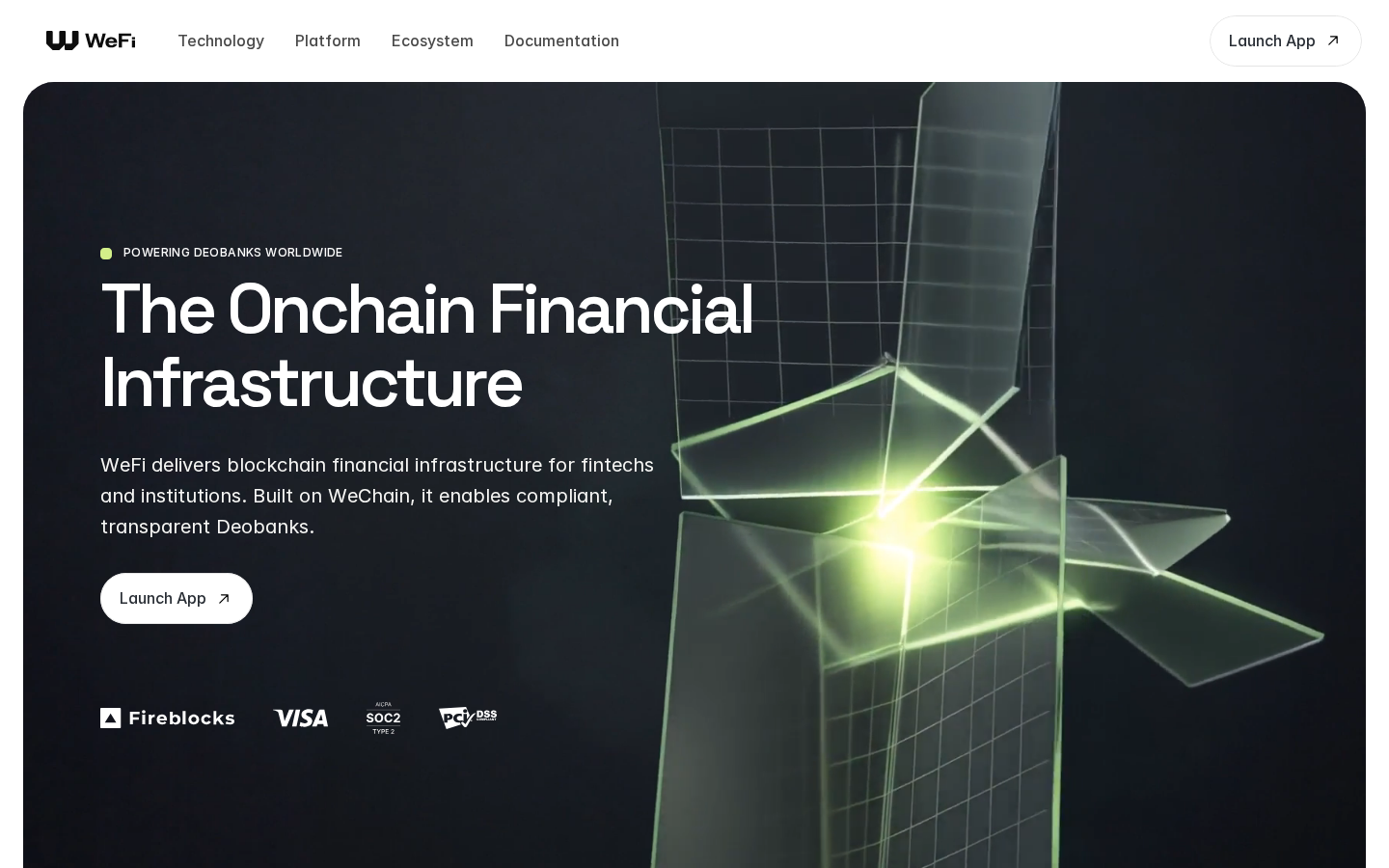
WeFi promotes a blockchain financial platform at wefi.co. The homepage describes its infrastructure as supporting compliant deobanks and shows a link to open the app.
The name describes a business model the site markets. It is not a category of banking permission that you can check by typing the word into a register.
WeFi’s September 2026 terms name a different company for payments than for operating the site. They also describe card services provided by partners.
The site’s footer says WeFi itself is not a bank. It says regulated third parties provide the banking services customers can access through the platform.
That matters if you want to dispute a payment or recover assets. Know the entity that accepted your money, not only the name shown beside the balance.
What the German warning covers
Germany’s financial regulator published a warning about wefi.co in February 2026. BaFin said the site offered banking and crypto asset services without the required permission.
In its May 15 update, BaFin also identified new.wefi.co. It described invitations sent via messaging services to join online presentations.
BaFin said it had not received an application for a German banking license as of that update. Treat a promise of future authorization accordingly.
That was a warning about the named website and services. It is not a finding that every WeFi customer lost money or that every card payment was fraudulent.
The warning also isn’t a ruling about every place where a company mentioned by WeFi is registered. Permission needs to be checked against the activity and country.
Three things the same website can mention
A home page can put custody technology, payment logos and a company name in the same view. They tell you different things and need to be checked separately.
- The provider: The company the terms identify as responsible for your payment, card or other specific service.
- The authority: The regulator and permission covering that company for the activity and location in question.
- The asset: What the balance represents, who can control it and whether you can get it out without starting another transaction.
Read the displayed claims alongside those distinctions. An attractive app, a payment brand and a foreign registration number cannot answer all three questions for you.
How the WeFi Offer Separates the App from the Provider
Step 1: The landing page presents one financial brand
To a visitor, the WeFi homepage feels like the beginning of one relationship. There is a logo, a menu and a clear button to open the app.
That can make the service sound like a single account even when the website presents multiple products. The public homepage itself describes financial infrastructure for other companies as well.
The logos under the homepage message are not permission to take deposits. A separate technical, payment or security arrangement does not substitute for authorization in the jurisdiction where you live.
Do not infer more from a logo than its issuer actually says. If it appears beside a description of the platform, it may refer only to one part.
Step 2: The published terms identify different roles
The September 2026 terms name Wefi Payments Limited in Canada for fiat services and for converting between traditional currencies and crypto. They don’t make it your bank.
They identify a Costa Rican entity, 3-102-939581 SRL, as the website operator and the provider named for crypto-to-crypto exchange and technical services.
WeFi says services can depend on the customer’s nationality. Check the terms supplied for your own account rather than assuming the same entity serves everyone.
If a payment receipt names a separate partner, don’t edit your records to make the names match. Ask which company received the money and which one signed the agreement.
Step 3: A Canadian registration number may sound broader than it is
WeFi’s contact page describes Wefi Payments Limited as a Canadian money services business and gives registration number M23563590. That is what the company publishes about its own status.
FINTRAC’s public registry explains that registration does not mean it endorses or licenses a business. Registration and a banking license answer separate questions.
Look up the exact name and number, and review the status and activities shown. Do not use details for one company as the credentials of a different company.
Then check the regulator responsible for the service where you are. A genuine Canadian registry entry would not answer whether the same company can offer that service in Germany.
Step 4: Funding adds a question the marketing cannot answer
Moving a balance into an app is not the same as being able to withdraw it. Before sending funds, identify whether you will hold fiat, a token or another claim.
Ask for the withdrawal conditions before you expose any money. In particular, ask what goes back to a bank account, what moves as crypto and what fees apply.
If a chat invitation mentions a German license, compare the claim with BaFin’s dated update. A promise to apply is not permission to operate.
No transfer or account opening is needed to evaluate this mismatch. If you can’t establish the provider and its permission without paying first, leave your money where it is.
Who Handles Your Money, Your Card and a Dispute?
A payment provider is not necessarily a card issuer
BaFin’s notice names Quantum Capital Holdings among multiple companies, but that does not identify the issuer of a particular card. Check the agreement for your card.
If you have a card, open its agreement and statement to identify the issuer and its direct support route. Compare the names with the provider on your funding receipt.
For a disputed purchase, start with the issuer shown on the card or statement. For a deposit that never arrived, contact the provider that initiated the funding transaction.
Different addresses belong to different contractual roles
The public terms give addresses in several countries. The address alongside a payments company does not identify where a token account or a card dispute will be handled.
Save the company and address on your own agreement. If the statement names a different company, mention that mismatch when you ask for help.
Do not assume numbers on a presentation identify a branch you can visit. Look up the business and its address independently before relying on what a promoter says.
Ask support a question with one verifiable answer
Instead of asking whether WeFi is regulated, name the service you mean. For example, ask which legal entity holds a fiat balance and which regulator authorizes that activity.
Request the record or license identifier for that exact entity. If you get only the registration number of another company, the answer does not verify the proposed service.
If you already have money at issue, ask for a response in writing. Keep the date and case reference so you can show what the provider actually told you.
The word custody still leaves room for different arrangements
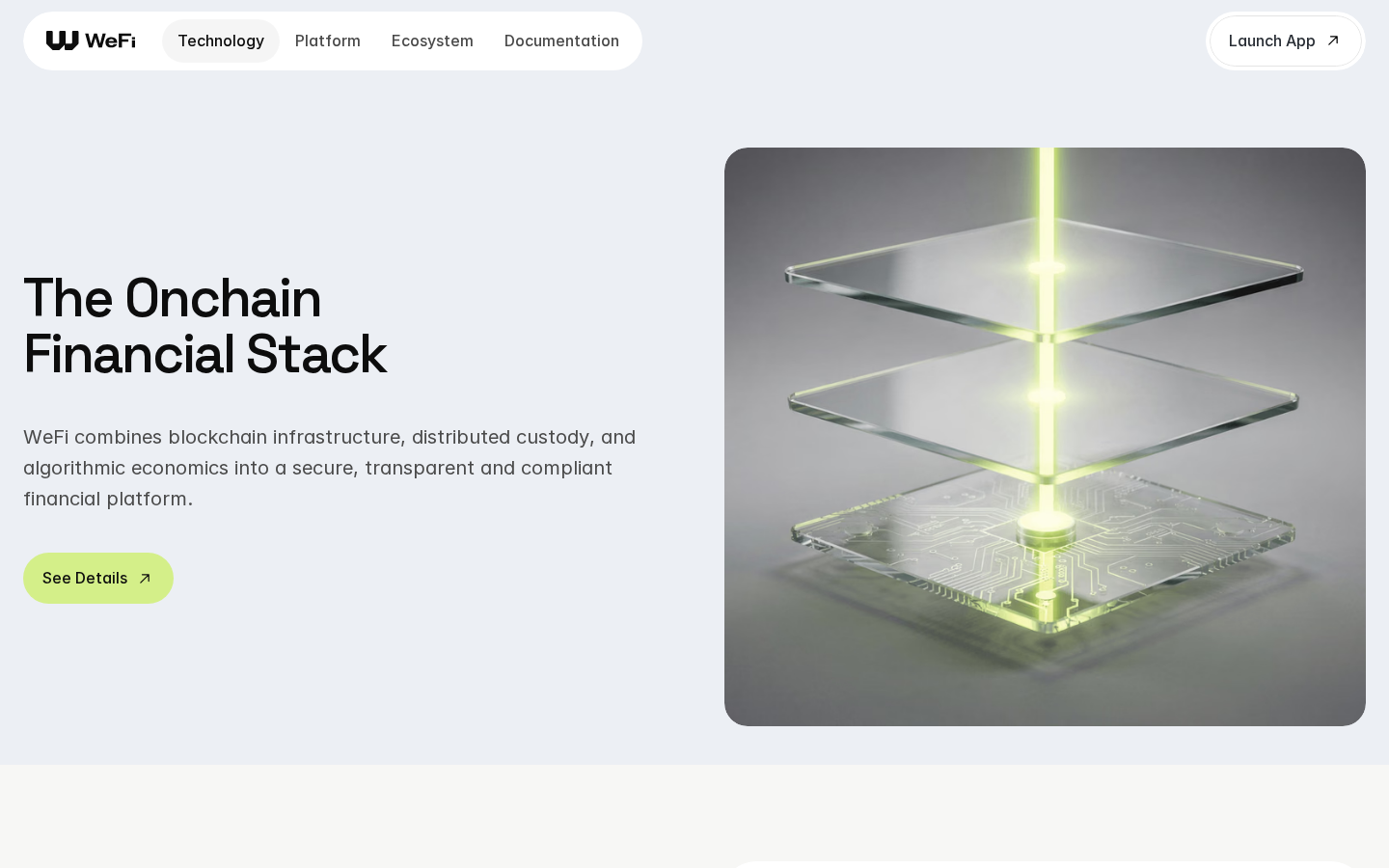
The Technology page describes distributed custody. For certain digital assets, the September terms name Fireblocks as an independent custodian. That’s what WeFi’s contract says, not a blanket endorsement.
Find out whether you hold keys, whether the provider controls transfers and which agreement governs any recovery. Do not hand your wallet’s backup words to support to prove ownership.
For an existing account, keep the transaction records that establish what you sent. Those records remain useful even if you cannot export an account balance.
What to Do If You Already Put Money Into WeFi
- Pause new transfers while you check the account. Do not pay a person in a group chat to activate a withdrawal or convert your balance for you.
- Keep your account and transaction records separately. Save the displayed balance, transfer reference, date, currency, exact beneficiary and any error that appeared when you tried to withdraw.
- Look up which company is responsible for the transaction. Compare the provider named on your contract with the receipt from the bank, card issuer or exchange.
- Contact the institution that sent the funds. Describe what you authorized and what happened next. Ask what information it needs and whether a transfer review is still possible.
- Challenge extra payment requests through a verified route. Save the message asking for another transfer. Do not pay a supposed release or tax charge on its word.
- Ask the regulator that covers your location. Give the actual entity and service, not only the app name. In Germany, use BaFin’s official site to find its consumer contact channels.
- Protect information you shared with an unofficial helper. If they saw a login or wallet recovery phrase, contact the affected provider directly and stop using its exposed credentials.
What You Can Verify Before Opening an Account
The public route ends before the financial terms of a transaction
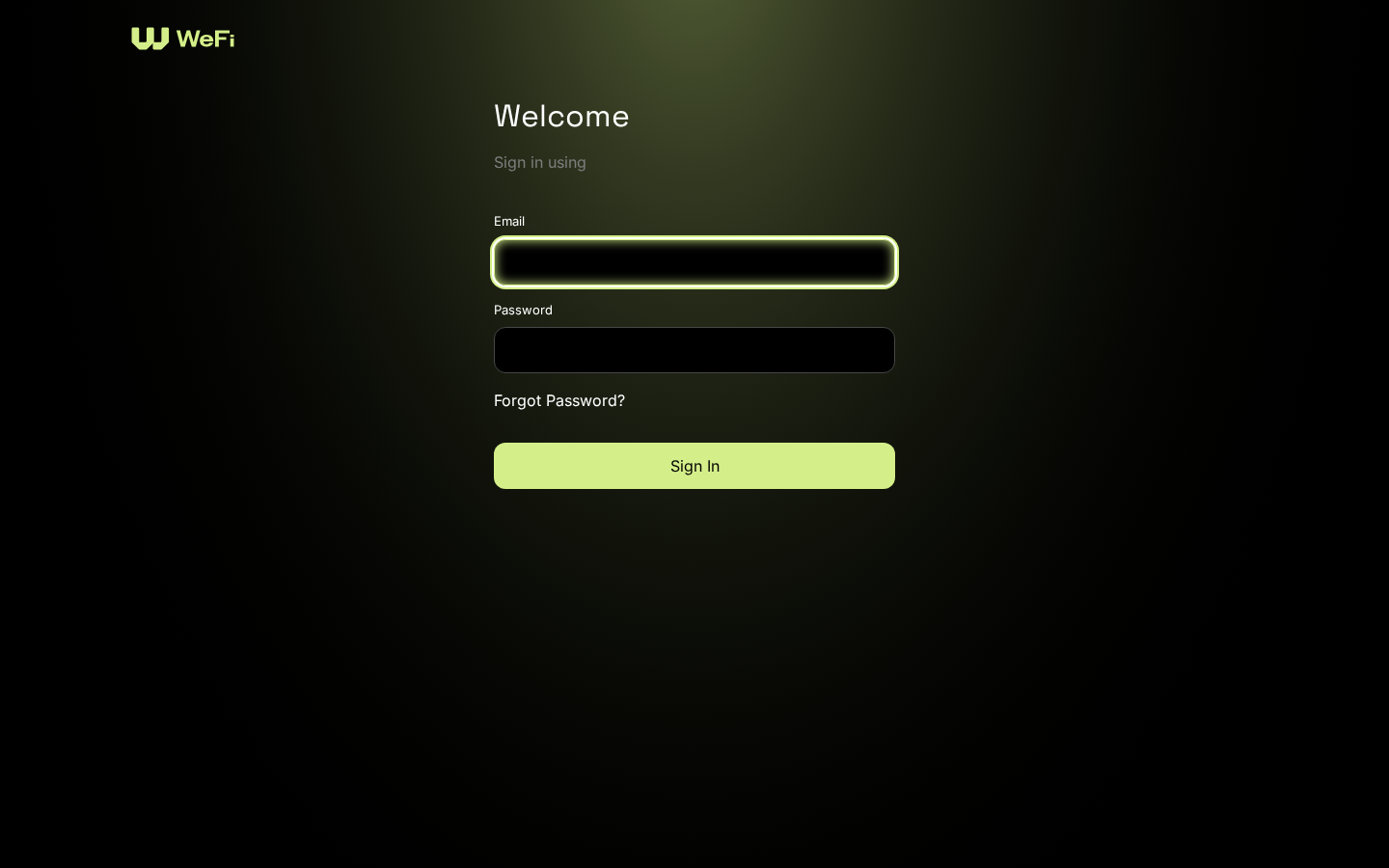
The button marked Launch App opened a sign-in screen asking for an email and password. It did not show a funding quote, withdrawal schedule or fee breakdown.
That screen is evidence of where the public button leads, not of what an existing customer sees after they sign in. No account or transfer was made for this article.
A working sign-in screen can tell you the site has an app. It cannot tell you which legal terms will apply once you choose a particular product.
If someone sends a personal signup link, ask for the service terms. A screenshot from another account won’t establish the offer made to you.
Ask how the provider determines which legal entity serves your location. The answer should identify who takes the payment, who holds it and who handles a complaint.
Match the authorization to the service, not the marketing name
Start with the name on the agreement in front of you. Copy the full name, including its legal suffix and the country on the contract.
On the FINTRAC registry page, look for Wefi Payments Limited using the number published by the company. Compare the legal name, stated status and services before relying on the entry.
If you are checking German authorization, open BaFin’s company database. Search the same legal entity, not just the short brand, and read the activities covered in any result.
If you find another business with a similar name, compare the address and legal suffix rather than assuming it is connected. Ask BaFin if you cannot match the record.
If the company says a partner holds the relevant permission, ask which party your agreement is with. A licensed partner’s status does not automatically cover a service someone else offers.
Don’t treat lists compiled by promoters as regulatory confirmation. Open the regulator’s result yourself from its own site and keep a copy with the date.
Check the path out before choosing a path in
Ask for the route back to the type of funds you started with. For example, a service that accepts a bank transfer may tell you to withdraw as crypto.
That is a material difference, even if both balances show the same estimated value on a particular day. Conversion costs and timing can change what you actually receive.
Find out whether the service can restrict access and which agreement applies if that happens. Read what the written terms actually say rather than accepting an invitation as the policy.
If you use an account for regular bills, consider what happens if you cannot access it for several days. A payment network logo does not answer that question.
If you already tried to withdraw, keep the exact error and timestamp. An error message can help support investigate, but it does not by itself prove funds were lost.
For EU users, a balance in points is not a euro account
Section 3.6 says balances for users classified as EU users appear exclusively in points. A currency equivalent may be displayed for information, not as the currency actually held.
The same terms describe those points as internal units rather than e-money, a deposit or a digital asset. The interface can show a value without holding that currency for you.
The terms list restricted uses: buying ITO Units or withdrawing to an external destination if the user decides not to buy those units.
That wording is worth reading before you commit funds. If you see a balance and expect a normal bank withdrawal, check the rules for your own classification and account.
Frequently Asked Questions
Did BaFin warn about the WeFi website?
BaFin originally named the main site, wefi.co. The May update added new.wefi.co and said BaFin had not received a German banking license application at that point.
Does Canadian MSB registration make WeFi a bank?
FINTRAC says being listed does not amount to a license or endorsement. It is a separate question whether the relevant provider holds banking permission.
Why do several companies appear in the WeFi terms?
The dated terms allocate different roles to the payments company, card distributor and other provider. Use the agreement and receipt for your transaction to determine which one matters.
Does a Visa logo tell me who holds my account balance?
A logo cannot identify who holds a particular balance or who licensed the activity. Find the card program issuer and the company named on the account paperwork.
Do WeFi points mean I hold the currency shown on screen?
The September terms say that an EU user’s displayed currency equivalent is informational. Check whether the balance is points before you count it as money held in that currency.
Should I send more money to release crypto already in an account?
Do not send funds on the strength of a message promising to unlock a balance. Check the provider’s actual written terms and ask your payment institution for help.
The Bottom Line
Do not fund a WeFi account on the strength of the deobank branding or a Canadian registration number. A foreign registration does not answer the concern BaFin raised.
If you sent money already, pause further transfers and identify the company on your receipt. Contact your payment provider directly, especially if someone asks for a release fee.

Join the discussion
0 commentsShare your experience or ask a question about this article.
Community experiences
Did this happen to you?
Your experience could help someone recognize the same scam. Submit a private report for our team to review.
I experienced this tooReports are reviewed before publication. Sharing publicly is always your choice.
Discussion
Start the conversation
Have a question or something useful to share? Add the first comment.