


Your YepBit withdrawal is stuck, and the explanation sounds official: a regulator has stepped in. You’re told to wait while the platform sorts things out.
Before you accept that answer, take a closer look at the name being used to justify the delay. There’s a serious problem with this story.
Overview
A trading account turns into a withdrawal problem
YepBit, also called YepBit Exchange, presents itself as a digital-assets and futures trading platform. The trouble begins when investors try to get their money back.
A growing account balance can make an investment feel successful. But a number on a screen isn’t money available for rent, bills, or another real-world expense.
For someone facing a blocked payout, the immediate question is simple: who can return the money, and why are they refusing?
The regulator named in the excuse has answered
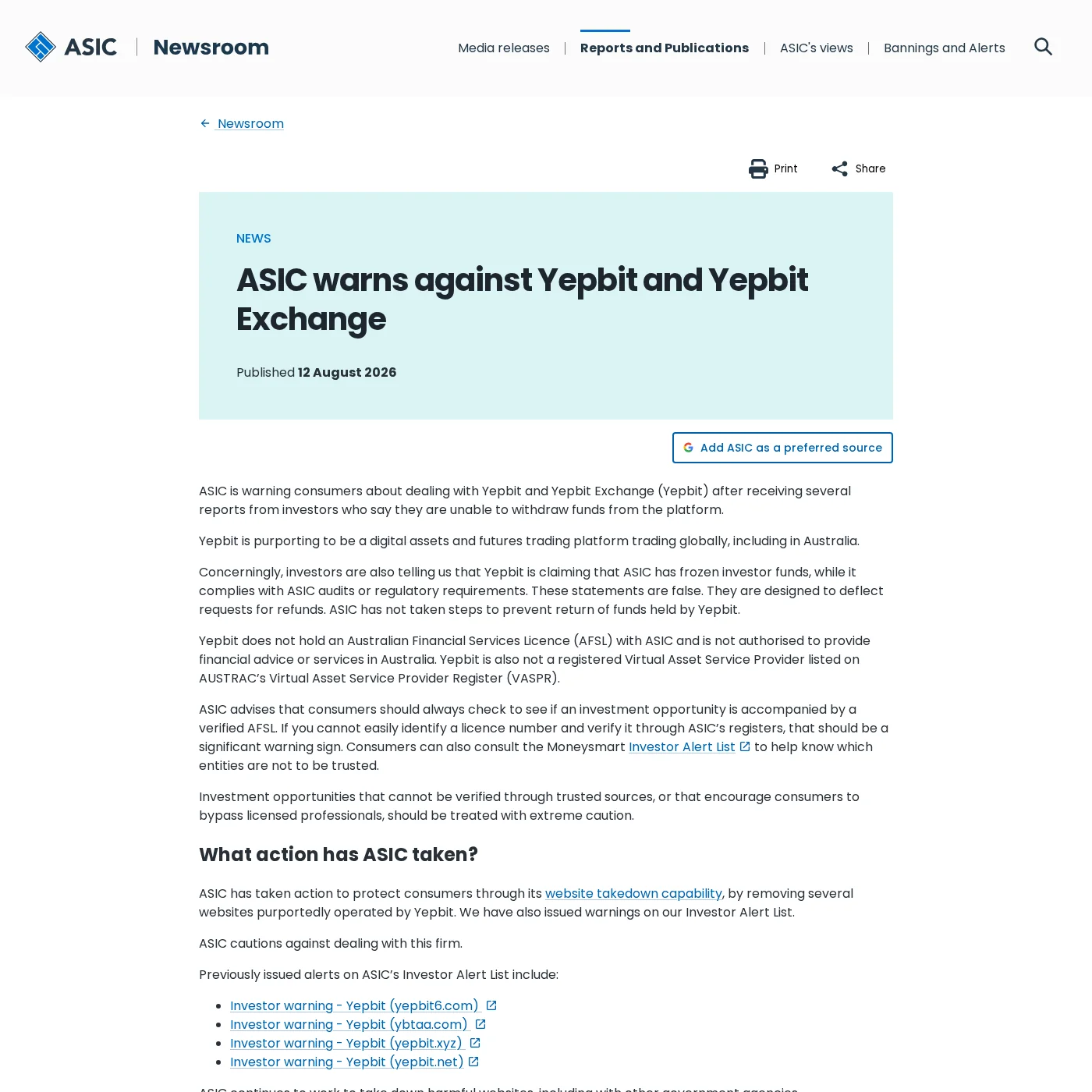
Australia’s financial regulator, ASIC, warns that YepBit falsely claimed ASIC had frozen investor funds. ASIC says it hasn’t prevented the return of those funds.
That makes this more than a dispute over slow customer service. The authority supposedly responsible for the delay has rejected the explanation.
- The pitch: A platform presented as a place to trade digital assets and futures.
- The problem: Investors report that they cannot withdraw their funds.
- The excuse: An alleged ASIC freeze while regulatory requirements are addressed.
- The contradiction: ASIC says that freeze story is false.
- The priority: Stop adding money and preserve the records needed to report the loss.
YepBit and Bonchat also appear in another official warning
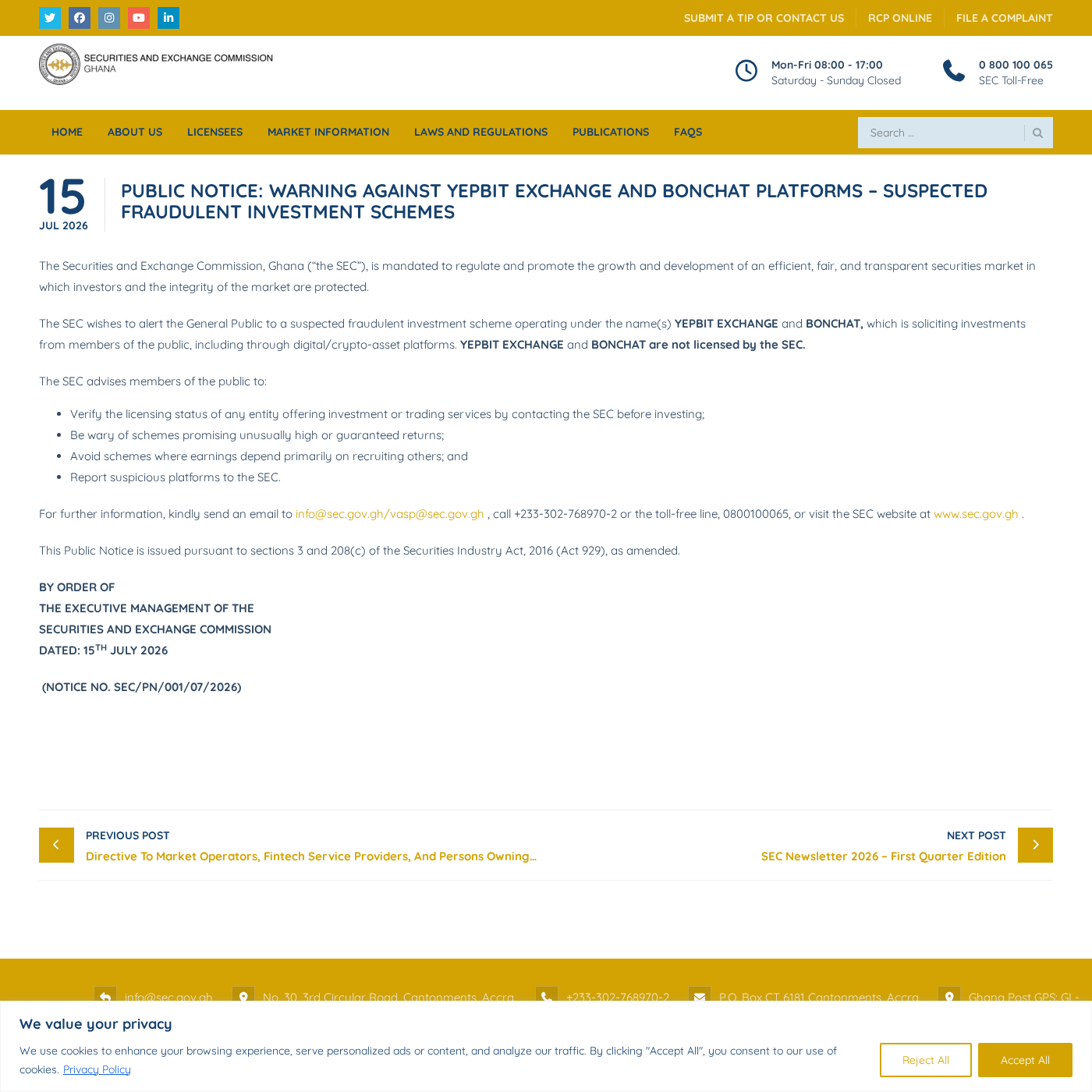
Ghana’s Securities and Exchange Commission names YepBit Exchange and Bonchat in a notice about suspected fraudulent investment schemes. It says neither is licensed by that regulator.
Its wording matters: suspected fraud isn’t a criminal conviction. The separate, directly contradicted ASIC-freeze claim is enough reason to reject this particular withdrawal explanation.
Why an Official-Sounding Delay Can Keep People Waiting
If an account shows savings you urgently need, a temporary delay can feel easier to accept than the possibility that the money is in danger.
A reference to a regulator adds another reason to hesitate. You may worry that pushing for a refund could interfere with an investigation or compliance process.
It also shifts the conversation away from the platform. Instead of asking YepBit to explain where your money is, you find yourself waiting for an outside authority.
That’s why the distinction between a real official notice and a support team’s explanation matters. The platform cannot establish government action simply by naming a government agency.
A genuine notice should be independently traceable. A logo pasted into a chat, an internal announcement, or a forwarded screenshot isn’t an independent route to the regulator.
You don’t have to solve the entire operation to act on that contradiction. You can stop new transfers while organizing the evidence about money already sent.
How the YepBit Scam Works
Step 1: The platform makes the investment feel like an ordinary account
The starting point is the trading platform itself. Familiar financial language can make a deposit feel like moving money between services you already use.
ASIC’s investor-alert records include the spaced alias Yep bit. Treat that spelling as part of the same warning when comparing a message with official records.
What matters before any deposit is the relationship you are entering. Who receives the payment? Which legal entity owes you the balance? What permissions cover its activities?
If those questions disappear behind a group administrator or recruiter, you may have no independently verified contact responsible for returning your money.
Keep the original invitation, exact website address, and payment instructions. They connect the friendly introduction to the destination that ultimately received the funds.
Step 2: Displayed results make leaving feel less urgent
An account interface can show a balance, a transaction history, or an apparent gain. None of those displays, by themselves, demonstrates that you can withdraw the amount.
Your own withdrawal history matters more than somebody else’s dashboard. Compare what left your bank or wallet with what actually came back.
If you received screenshots of someone else’s payout, keep them as promotional material. You cannot establish their authenticity or the source of the money from the screenshot alone.
Even a small transfer into your bank account answers only a narrow question: that payment arrived. It doesn’t guarantee that a larger balance remains accessible.
Don’t increase your deposit to test the platform’s reliability. That puts additional money at risk without independently checking who controls the account.
Step 3: A withdrawal request brings the explanation into focus
ASIC’s warning follows reports from investors unable to withdraw. This is the point where an investment pitch becomes a practical demand for the return of money.
Save the withdrawal request before an account or conversation becomes unavailable. Include its date, amount, status, and any reply explaining why it hasn’t been processed.
Separate the amount you actually deposited from any advertised profit. A displayed balance can include figures that were never paid into the platform by you.
That distinction helps a bank, exchange, or investigator follow the real transfers. It also prevents an inflated account figure from obscuring the amount you personally lost.
Step 4: The delay is blamed on an ASIC freeze
The specific YepBit story reported to ASIC was that investor funds were frozen while the platform dealt with audits or regulatory requirements.
ASIC calls those statements false and says they’re intended to deflect refund requests. That rebuttal removes the official backing from the excuse.
A platform’s explanation doesn’t become more reliable because other members repeat it. Ask whether each message traces back to the same administrator or announcement.
Nor should you treat an instruction to remain silent as protecting your interests. You can contact your own financial institution without seeking permission from a group organizer.
If a later message asks for an audit, release, or verification payment, preserve it. Don’t assume an additional transfer will resolve the blocked withdrawal.
Step 5: Waiting becomes the proposed solution
A story about outside intervention can leave investors repeatedly checking for updates instead of reporting what happened. Each new explanation may postpone the same unanswered withdrawal.
The practical danger is losing more time and evidence. Payment records may be harder to locate, chats can disappear, and a website may change its address.
Take action based on your existing records. You don’t need a final announcement from YepBit before telling your bank or exchange that you suspect investment fraud.
If you’ve recommended it to someone else, pass on the official warning promptly. Keep that message factual and avoid sharing another investor’s private account details.
Who Is Behind the Account, and Who Can Authorize It?
The app name doesn’t identify the party holding your money
YepBit, YepBit Exchange, and Bonchat may appear in messages about an investment. Record which name appeared where, rather than treating them as interchangeable companies.
Ghana’s warning names YepBit Exchange and Bonchat together. That doesn’t supply a complete ownership map for every related group, website, or person using those names.
A useful payment record identifies the receiving account or wallet. Preserve that destination even if the transaction memo, group name, and website use different branding.
Don’t accuse the owner of a same-name legitimate business based on a search result. Match the exact domain, contact details, and transaction before drawing connections.
A company number isn’t a financial-services permission
ASIC says YepBit lacks an Australian financial services licence and isn’t registered as a virtual asset service provider with AUSTRAC.
A certificate showing that a company exists answers a different question. It doesn’t establish permission for every investment activity advertised under a similar name.
If someone gives you a licence number, check the authorized activities and the firm’s official contact details. A valid number can belong to an entirely different business.
Contact that business through independently obtained details if necessary. Don’t rely on the phone number supplied by the person asking for your deposit.
Several website addresses have already been flagged
ASIC’s public investor-alert data lists YepBit addresses including yepbit6.com, ybtaa.com, yepbit.net, and yepbit.xyz. Additional entries include yepbtu.com and yepwsx.com.
ASIC also reports removing several websites purportedly operated by YepBit. A replacement address therefore shouldn’t be treated as a clean start for an existing investment.
Save the address you actually used, including the login path where available. A bare brand name can be less useful than the exact URL in a report.
You don’t need to revisit a flagged website to collect everything. Browser history, old messages, receipts, and screenshots may already preserve the relevant address.
The warning can be checked outside the investor group
The Ghana SEC notice is dated July 15, 2026. It names the platforms and advises checking licensing before investing.
Read the actual notice rather than a cropped image circulated by someone with an interest in the investment. Preserve the link alongside your own transaction records.
Keep your complaint focused on your own payments and replies. An official warning strengthens that record; it doesn’t identify every person who handled your funds.
What to Do if You Have Fallen Victim to This Scam
-
Stop further transfers. Don’t add money to preserve a membership, unlock a balance, or satisfy a new explanation about compliance.
If a payment is scheduled, contact the service handling it immediately. Ask whether it can still be stopped before completion.
-
Contact the bank or exchange you used. Explain the actual transfer and that the recipient investment platform isn’t returning funds.
Provide transaction references, dates, amounts, receiving details, and the withdrawal replies. Ask about its fraud-reporting process and any available intervention.
A completed cryptocurrency transfer can be difficult to recover. Reporting promptly still creates a record and may help the institution investigate the receiving destination.
-
Make a payment timeline. List deposits, money actually received back, attempted withdrawals, and each change in the explanation.
Keep original files separately from your summary. Include time zones where messages and transaction records use different clocks.
-
Preserve the ASIC-freeze message. Save the complete conversation around it, including the sender’s account identifier and the date.
Keep an unedited copy. If you share a warning publicly, redact account numbers, identification documents, and other people’s personal information.
-
Protect accounts linked to your identity. Change reused passwords on genuine email, banking, and exchange accounts. Use their official apps or independently located websites.
Enable multifactor authentication where available. If you supplied identity documents, tell the relevant institution what was exposed and ask about appropriate protective measures.
If someone also requested remote access or you noticed unusual device behavior, include those details when seeking help. That exposure needs separate attention from the missing payment.
-
Report through the appropriate authority. Include the exact website, payment destination, group identifiers, and the explanation given for refusing the withdrawal.
U.S. readers can report online investment fraud to the FBI’s Internet Crime Complaint Center. Elsewhere, use local police and your financial regulator’s official reporting route.
Keep the acknowledgment or report number. Give it to your financial institution if requested, and add later messages to the same factual record.
-
Warn people you introduced. Send the official notice and suggest they preserve their own transactions. Avoid promising that a collective request will guarantee refunds.
If you’re helping a relative, begin with their latest withdrawal reply. Work through the contradiction together before discussing how the investment first sounded convincing.
-
Reject recovery offers tied to another upfront payment. Someone who knows your platform name or loss amount hasn’t demonstrated an ability to recover it.
Don’t hand over a wallet recovery phrase, private key, banking code, or remote control of your device to obtain a supposed refund.
Verify any professional independently before hiring them. Be especially wary of a stranger promising a guaranteed result after seeing your public complaint.
Frequently Asked Questions
Did ASIC freeze YepBit investors’ funds?
No. ASIC explicitly rejects that explanation and says it hasn’t taken steps to prevent YepBit returning investor funds. Don’t treat a platform message as an official freeze notice.
Is YepBit the same name as YepBit Exchange?
ASIC uses both names in its warning. Preserve the exact website and payment details from your own experience, because the name alone doesn’t identify every participant.
Why does Bonchat appear in the warnings?
Ghana’s SEC names Bonchat alongside YepBit Exchange in its suspected-fraud notice. That connection doesn’t establish that every account using either name has the same owner.
Does a company registration make the platform safe?
No. Check the relevant financial authorization, permitted activities, and genuine contact details. Company registration alone doesn’t authorize an investment offer or guarantee repayment.
Should I pay a fee to release a blocked withdrawal?
Don’t send another payment based on the regulator-freeze story. Preserve the demand and contact the institution that handled your original transfer about possible next steps.
Can I get back the balance shown in my account?
Nobody can promise that. Keep proof of actual deposits and repayments separately from displayed profits. Report the transfer promptly and ask your payment provider what remains possible.
The Bottom Line
Don’t deposit money with YepBit or pay more to resolve its alleged ASIC freeze. The regulator itself has rejected that explanation for withholding investor funds.
If your withdrawal is stuck, save the messages and transaction records, then contact your bank or exchange and report the suspected fraud. Don’t wait for another group announcement.

Join the discussion
0 commentsShare your experience or ask a question about this article.
Discussion
Start the conversation
Have a question or something useful to share? Add the first comment.