

Recently, many users have reported receiving intrusive pop-up notifications on their computers and mobile devices, prompting them to “allow” notifications or enable push notifications from a website called Yourrottastudio.com.
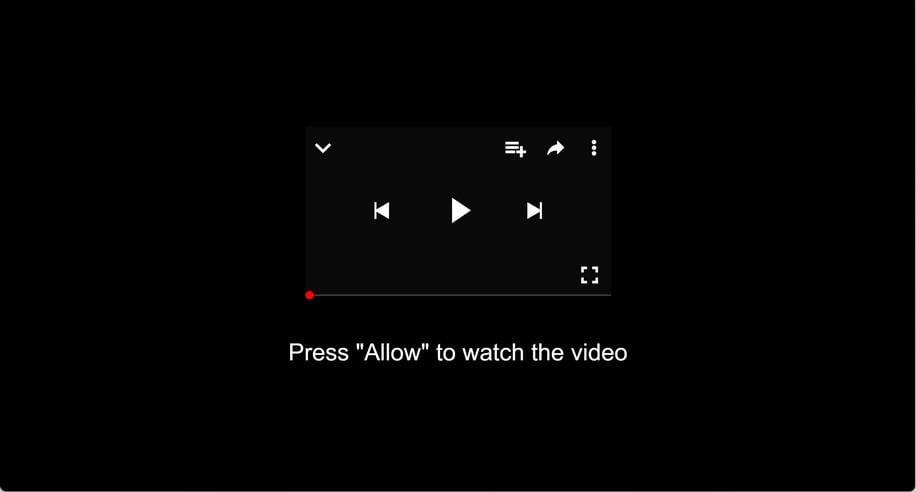
This website appears harmless at first glance, typically displaying a video player and a message asking the user to allow notifications to watch the video. However, allowing notifications from this site will bombard the user with a relentless stream of adult content, fake antivirus alerts, gambling ads, and other malicious pop-ups – even when the browser is closed.
Yourrottastudio.com is believed to be linked to various adware campaigns and scam networks aiming to expose users to unwanted content and steal their personal information. This article will provide an in-depth look at how the Yourrottastudio.com scam works, how to remove it from infected devices, and how to avoid falling victim in the first place.

Overview of the Yourrottastudio.com Scam
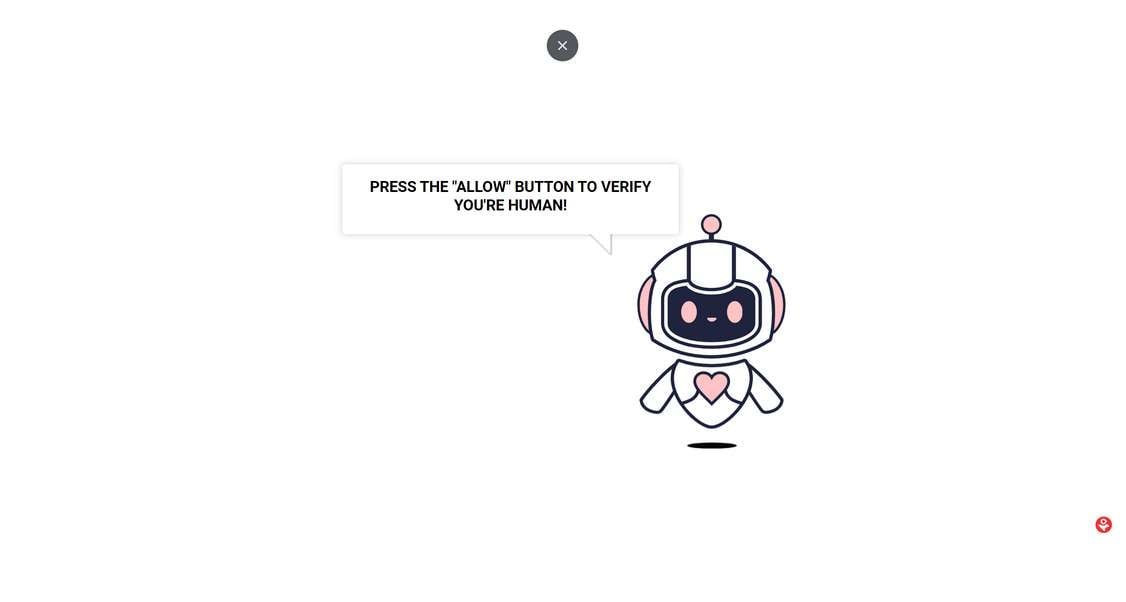
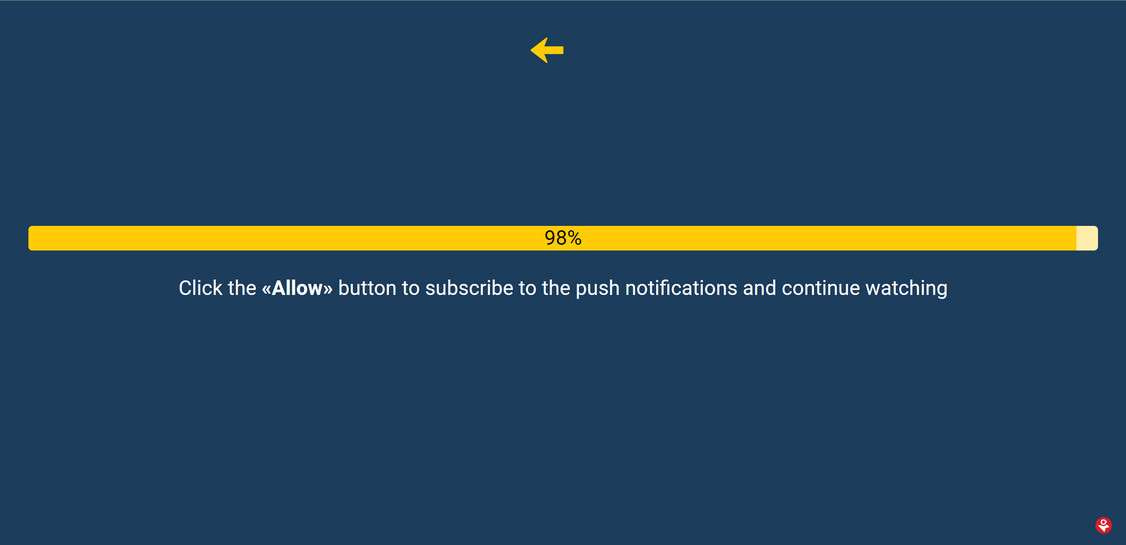
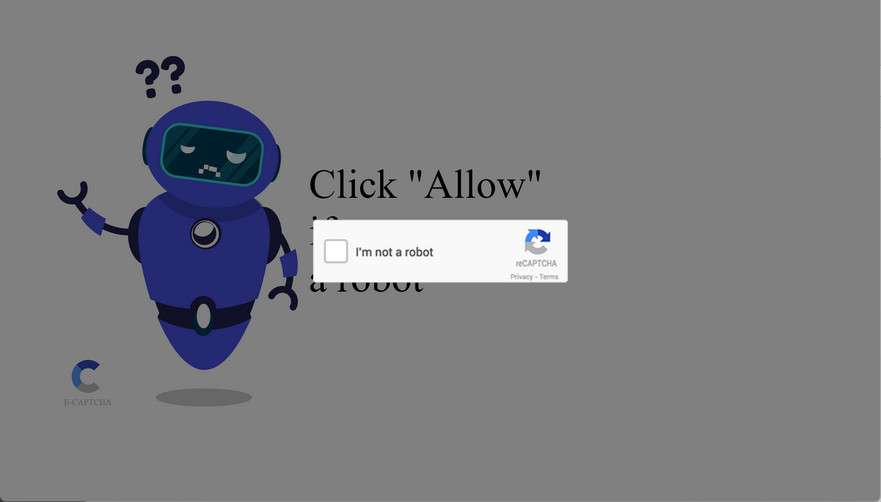
Yourrottastudio.com operates by tricking users into enabling push notifications, which allows the site to bypass browser pop-up blockers and directly display content on the user’s desktop. The website is not clear about what types of notifications the user would receive, making it seem like allowing notifications is necessary to view video content or that victims need to prove they are not robots.
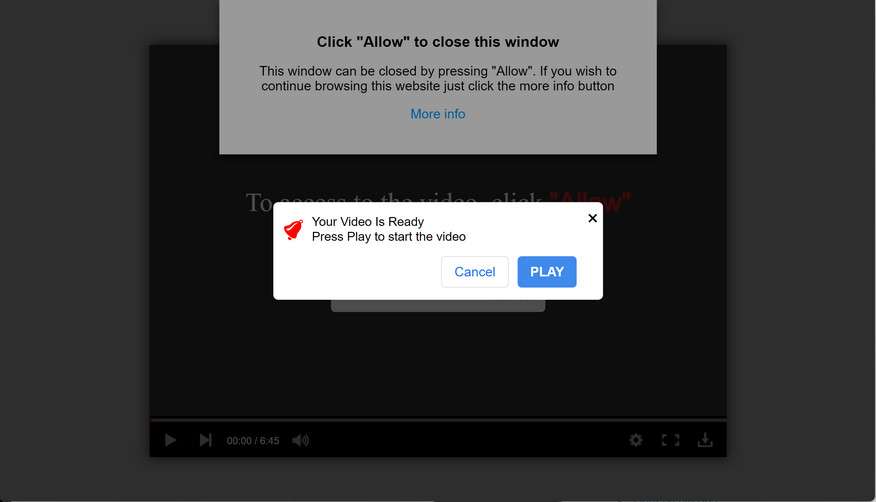
In reality, enabling notifications from Yourrottastudio.com signs up the user to receive a barrage of adult content, fake antivirus alerts, gambling and casino ads, and other malicious pop-ups. These unwanted notifications will continue to appear on the desktop even after closing the browser.
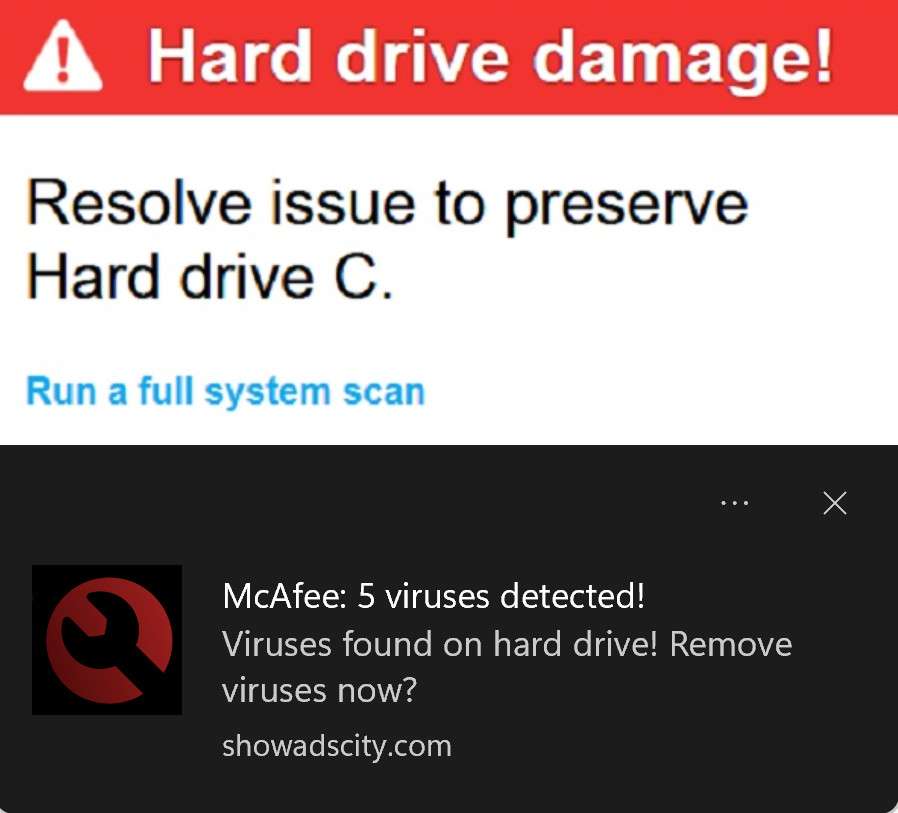
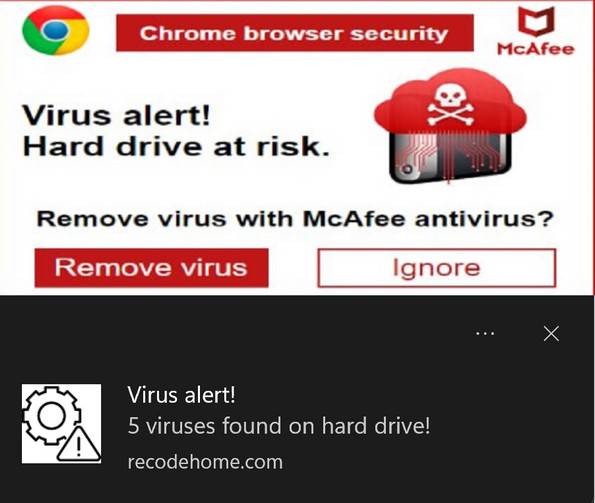
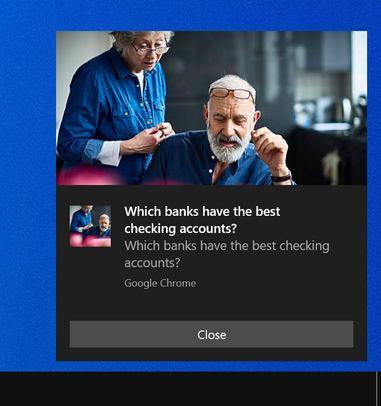
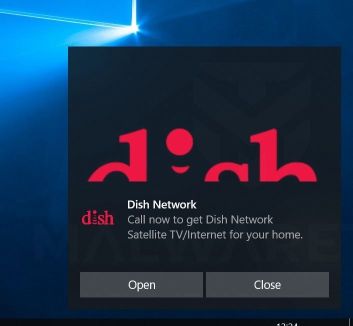
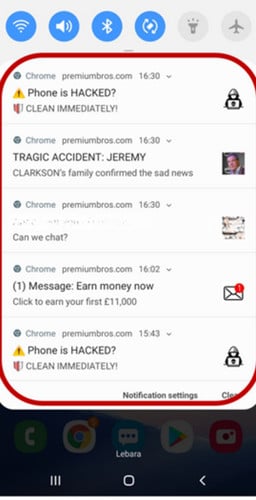
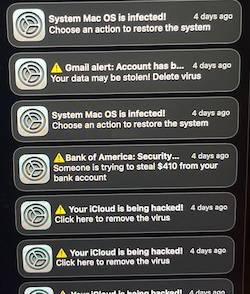
The website utilizes malicious redirects and social engineering tactics to expose unsuspecting users to the notification prompt. Users may land on the site after clicking links in spam emails, encountering pop-up or redirect ads on piracy sites, or downloading bundled software packages containing adware.
Once notifications are enabled, the user’s browsing experience will be severely impacted by intrusive pop-ups. The scam site may also collect personal information for tracking or fraud purposes.
Tactics Used to Spread Yourrottastudio.com
Cybercriminals behind Yourrottastudio.com leverage several tactics to infect users and propagate unwanted notifications, including:
- Compromised Advertising Networks – Cybercriminals pay to show malicious Yourrottastudio.com ads on legitimate ad platforms, redirecting users without consent.
- Malvertising Campaigns – Scammers purchase ad traffic and redirect to Yourrottastudio.com landing pages. These ads are displayed on many reputable sites.
- Social Engineering Tricks – The site manipulates users into enabling notifications under the false pretenses of watching a video.
- Software Bundling – Yourrottastudio.com ads and redirects may be bundled with free software downloads infected with adware.
- Spam Emails – Phishing emails containing links to Yourrottastudio.com are used to infect users.
- Affiliate Networks – Other scam sites and shady advertisers sign up to promote Yourrottastudio.com for a share of the profits.
By compromising ad platforms and legitimate websites, attackers can display Yourrottastudio.com ads to millions of users without raising red flags. Even security-conscious users may accidentally enable notifications if they land on the scam site.
Why the Scam Works
There are several reasons why the Yourrottastudio.com scam has been so effective at bombarding users with unwanted notifications:
- Redirects Appear Legitimate – When landing on the site from a trusted website, users assume Yourrottastudio.com is safe to interact with.
- Users Are Trained to Allow Notifications – Many sites legitimately ask for notification access, training users to enable them without much thought.
- Social Engineering Tricks Users – The scam manipulates users into thinking notifications are needed to watch video content.
- Difficult to Track Source of Infection – With many infection vectors, pinpointing how Yourrottastudio.com was enabled is challenging.
- Ads Persist Outside the Browser – Once enabled, ads appear constantly even after closing all browser windows.
- Disables Pop-up Blockers – Push notifications bypass standard pop-up blocking, forcing malicious content onto the desktop.
By preying on user tendencies to enable notifications and delivering disruptive pop-up ads outside the browser, Yourrottastudio.com found the perfect delivery mechanism for unwanted content.
How the Yourrottastudio.com Scam Works
Now that we have covered the scope of the Yourrottastudio.com scam, let’s take an in-depth look at how it actually works to bombard the user with intrusive advertisements.
Step 1: The User Lands on Yourrottastudio.com
The scam process begins when the user lands on the Yourrottastudio.com site prompting them to enable notifications. As covered previously, several tactics are utilized to redirect users including:
- Clicking on advertisements on streaming sites, file sharing platforms, adult sites, and other questionable sources
- Downloading and installing software bundled with browser hijackers and adware
- Clicks links in spam emails designed to mimic legitimate notifications
- Redirect chains that eventually land on the Yourrottastudio.com domain
In many cases, the user is unaware they have been redirected to a dubious website. The page appears harmless at first glance, tricking the visitor into thinking Yourrottastudio.com is the source they initially tried accessing.
Step 2: The User is Prompted to Allow Notifications
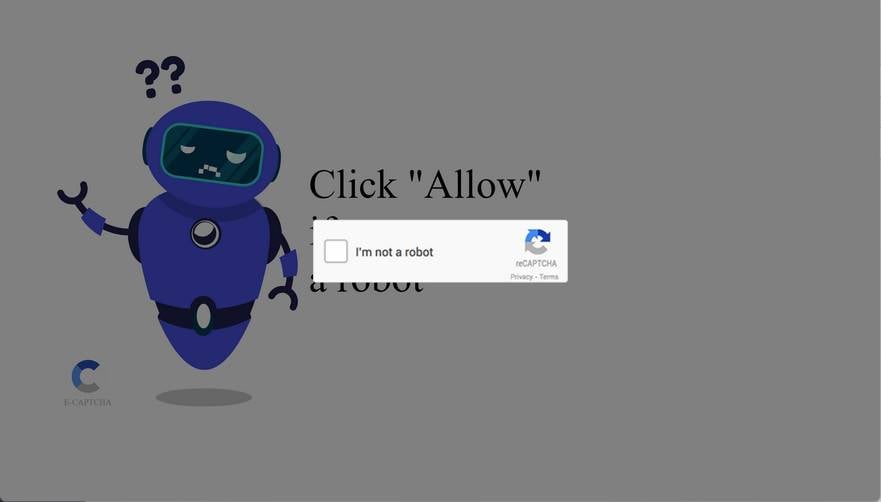
After landing on the page, the user is presented with a video player window and a message prompting them to click “Allow” or “Continue.” The message varies but usually explains that notifications must be enabled to view the content.
The website relies on dubious claims to persuade users to enable notifications:
- “Please ‘Allow’ to Watch Video”
- “Click ‘Allow’ to Verify You’re Not a Robot”
- “Enable Notifications to Continue”
- “Turn on Notifications to Prove You’re Human”
These messages prey on user tendencies to enable notifications without considering the implications. If the prompt seems legitimate, most users will instinctively allow notifications to progress.
Step 3: Notifications Permission Grants Access
Once the user clicks “Allow” on the browser notification prompt, the Yourrottastudio.com scam immediately has permission to display disruptive pop-up messages.
Even if the browser is closed, notifications will persist thanks to push notification access. This allows cybercriminals to barrage the user with adult advertising, gambling promotions, and dubious malware alerts.
Notifications enabled also allows the website to:
- Track browsing data for profiling and fraud purposes
- Install browser extensions and addons without the user’s consent
- Change the browser homepage and search engine defaults
- Override pop-up blockers and security settings
Granting this website notification access gives scam operators the keys to deliver virtually any type of disruptive or malicious content.
Step 4: Malicious Pop-up Barrage Commences
Once notification access is granted, the user can expect an onslaught of unwanted pop-up messages. These intrusive ads will display both in the browser and directly on the desktop.
Some examples of pop-up notification spam victims may encounter include:
- Adult dating and webcam model promotions
- Flashy gambling ads with unrealistic earnings promises
- Fake browser updates threatening to compromise security
- Browser lockers with dubious call-to-action buttons
- “Prize won” and “You are a winner” notification scams
The purpose is to expose users to high-risk advertising, collect browsing data, and redirect to affiliate offers. These pop-ups are very difficult to close and will bombard the victim with highly deceptive and inappropriate content.
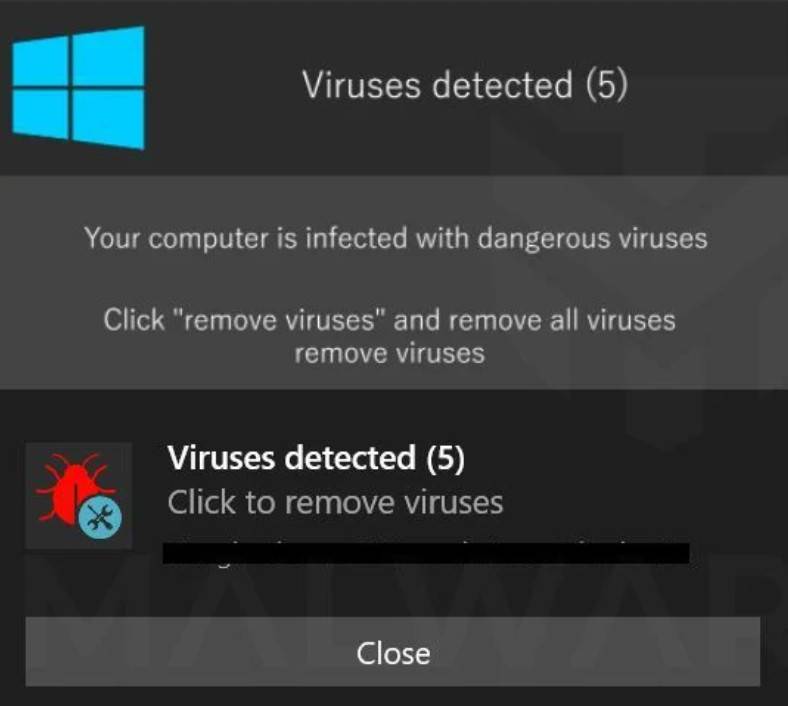
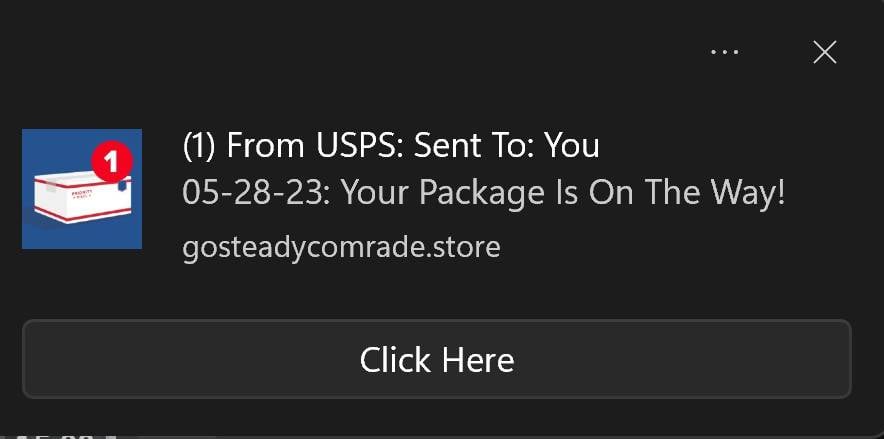
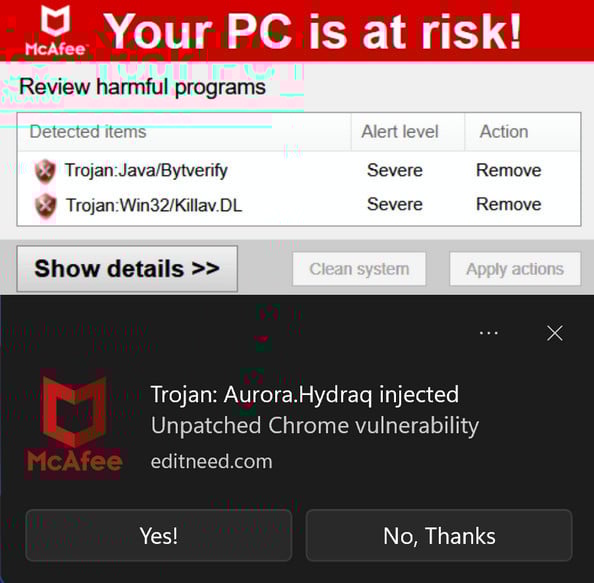
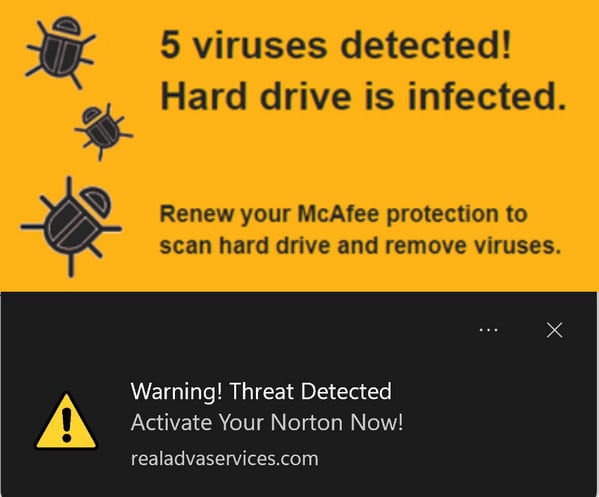
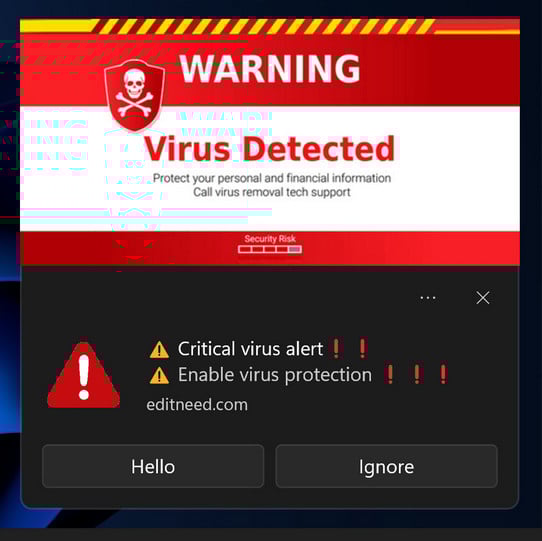
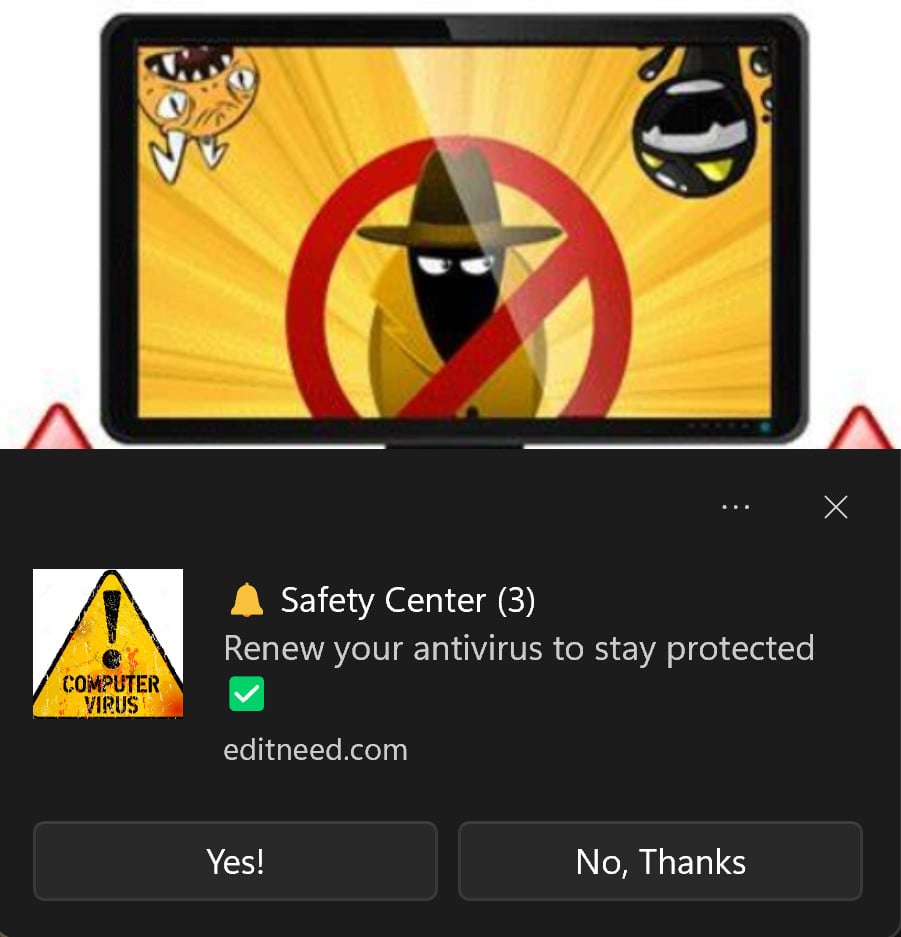
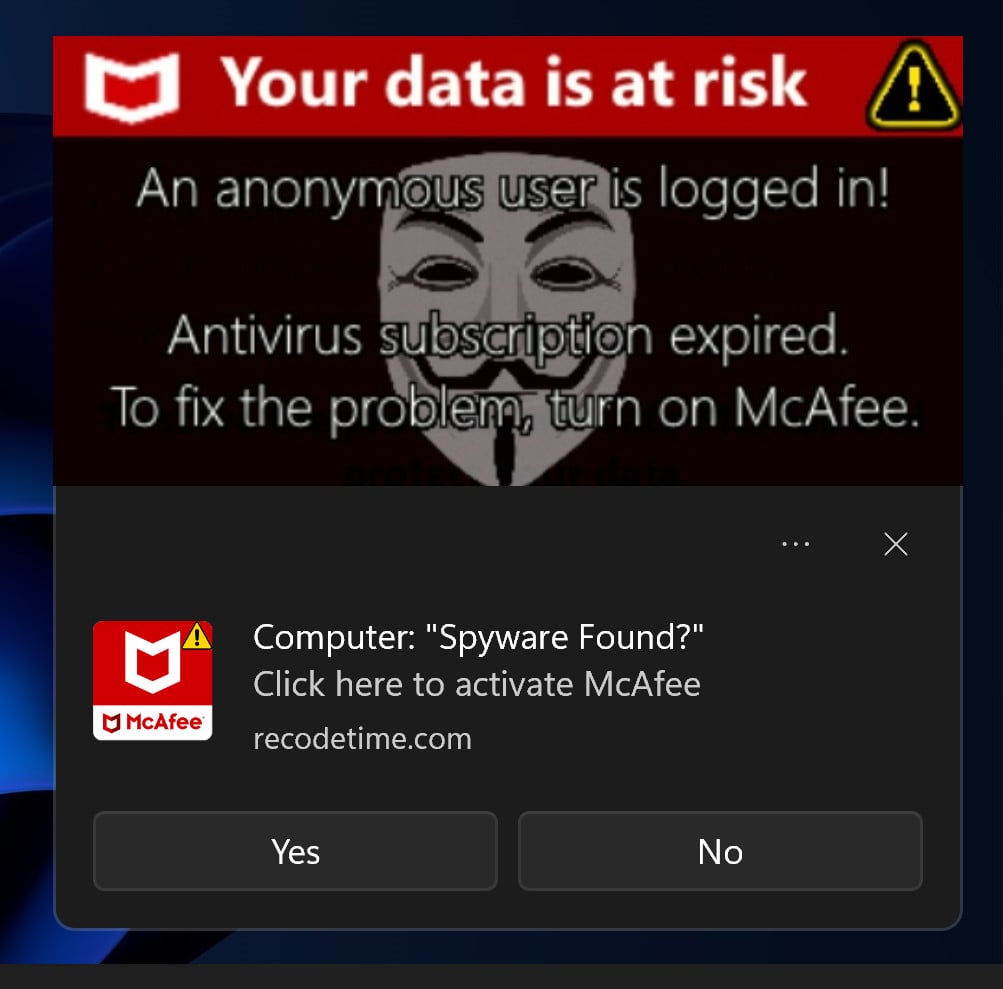
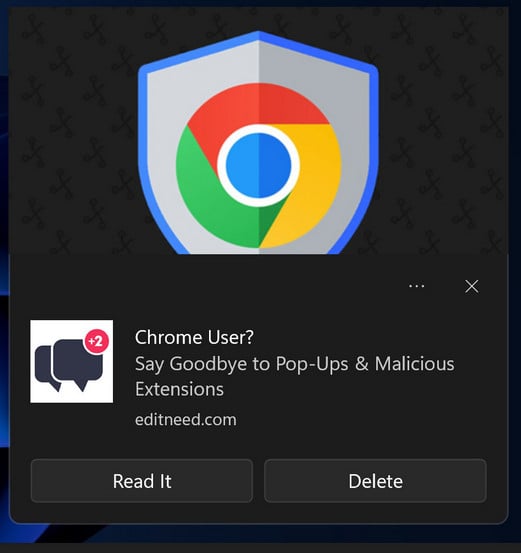
In addition to the disruptive pop-ups, victims may experience issues like default browser changes, new unknown extensions installed, and system instability. Without intervention, the notifications will continue endlessly.
What to Do If You Have Fallen Victim to Yourrottastudio.com
If you enabled notifications from the dubious Yourrottastudio.com website, you are most likely being bombarded by intrusive pop-up ads. Fortunately, these unwanted notifications can be disabled and removed with the proper approach.
Here are the recommended steps to stop Yourrottastudio.com ads and eliminate any malware installed by this scam campaign:
Please perform all the steps in the correct order. If you have any questions or doubts at any point, stop and ask for our assistance.
 Remove Yourrottastudio.com from Windows
-
 Remove Yourrottastudio.com from Mac
  Remove Yourrottastudio.com from Android
Remove Yourrottastudio.com from Windows
- STEP 1: Reset browsers back to default settings
- STEP 2: Use Malwarebytes Anti-Malware to remove malware and unwanted programs
- STEP 3: Use HitmanPro to scan for rootkits and other malware
STEP 1: Reset browsers back to default settings
First, we’ll reset your browser to its default settings — this removes the spam notification permissions, malicious extensions, and unwanted search engines in one go.
Don’t worry: the reset removes extensions, toolbars, and customizations, but your bookmarks and favorites stay intact.
For each browser installed on your computer, click its tab below and follow the steps to reset it.
Reset Chrome for Windows to default settings
We will now reset your Chrome browser settings to their original defaults. This will reset your startup page, new tab page, search engine, and pinned tabs. It will also disable all extensions and clear temporary data like cookies. Your favorites, history, and saved passwords will not be cleared.
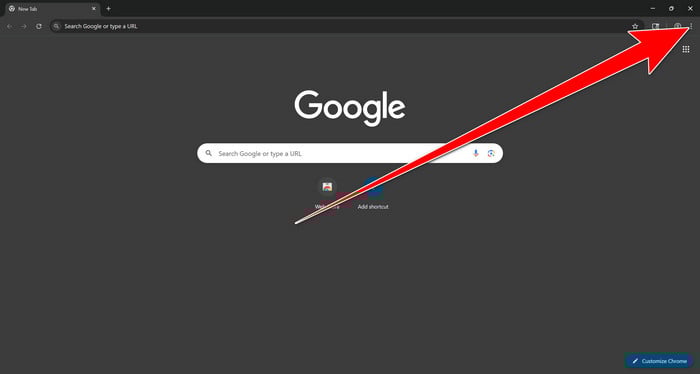
Open the Chrome menu
Open Google Chrome and click the three-dot (⋮) icon in the top-right corner.
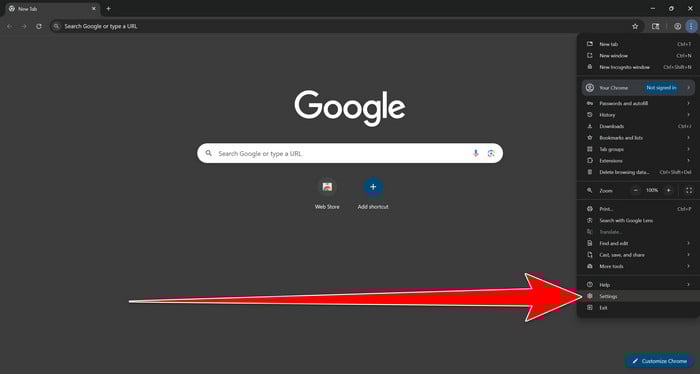
Open Chrome Settings
Select Settings from the Chrome menu.
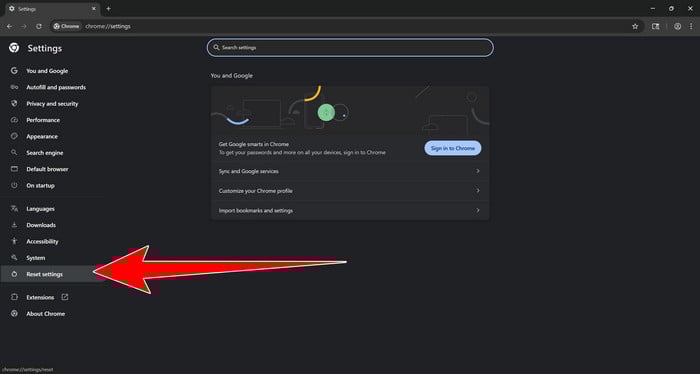
Select “Reset settings”
Look at the menu on the left side of the Settings page. Scroll down and click Reset settings.
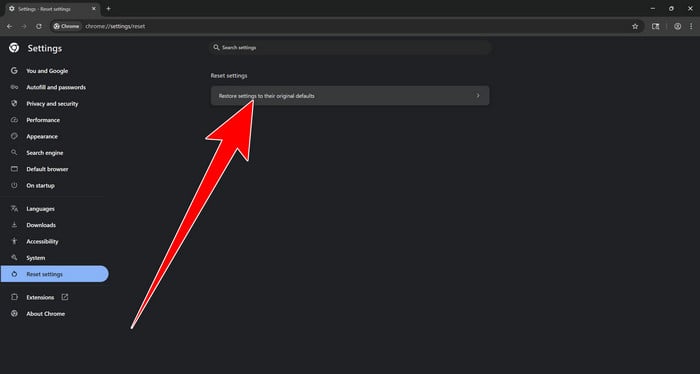
Restore Chrome’s original settings
Click Restore settings to their original defaults.
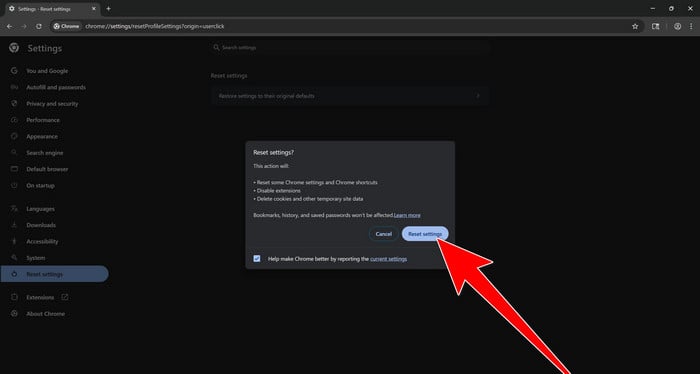
Confirm the Chrome reset
A confirmation window will appear. Click Reset settings.
This will:
- Restore the default search engine, homepage, and new tab page
- Reset startup pages and pinned tabs
- Disable installed extensions
- Clear temporary cookies and website data
Don’t worry: Chrome will not delete your bookmarks, browsing history, or saved passwords.
Restart Chrome and perform a test search. If your searches now open normally in Google, you can stop here.
If searches are still redirected through shady domains complete the additional step below.
Remove persistent search hijacker data
Only complete this step if the redirect continues after resetting Chrome.
Some browser hijackers hide inside Chrome’s local search-engine database. A standard Chrome reset may not remove this database, which is why searches can continue to pass through shady sites.
The following procedure creates a backup of the affected database and allows Chrome to build a new, clean version. This is safer and less disruptive than deleting the entire Chrome profile.
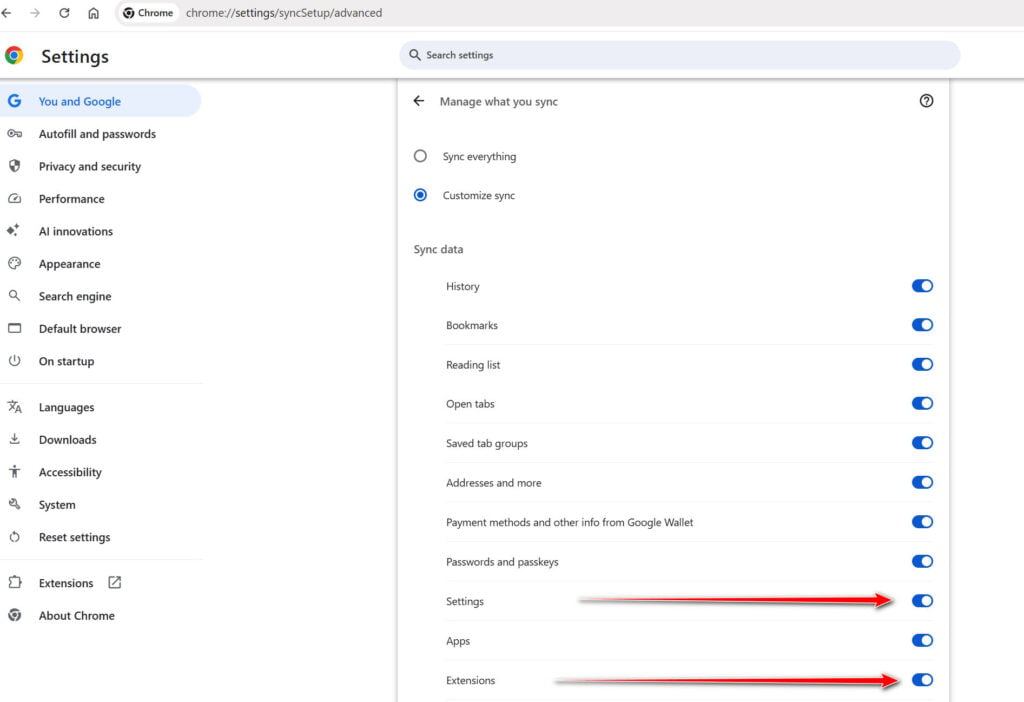
First, prevent Chrome Sync from restoring the hijacked settings:
- Open a new Chrome tab.
- Copy the following address, paste it into Chrome’s address bar, and press Enter:
chrome://settings/syncSetup/advanced - Under Manage what you sync, select Customize sync.
- Turn off Settings and Extensions.
- You can leave Bookmarks and Passwords enabled so your important data remains synchronized.
Note: Some newer Chrome versions may automatically redirect this address to the Google Account settings page. If that happens, locate the list of synchronized Chrome data and turn off Settings and Extensions there.
Now save anything you are working on and close every Chrome window.
Run the cleanup command:
- Press the Windows key on your keyboard.
- Type PowerShell.
- Open Windows PowerShell. Administrator access is not required.
- Copy the entire command shown below.
- Right-click inside the PowerShell window to paste the command, then press Enter.
- If Windows warns you about pasting multiple lines, select the option to continue.
$stamp = Get-Date -Format "yyyyMMdd-HHmmss"

Get-Process chrome -ErrorAction SilentlyContinue |
 Stop-Process -Force

$root = "$env:LOCALAPPDATA\Google\Chrome\User Data"

if (Test-Path $root) {
 $profiles = Get-ChildItem $root -Directory |
 Where-Object {
 $_.Name -eq "Default" -or
 $_.Name -match "^Profile \d+$"
 }

 foreach ($profile in $profiles) {
 foreach ($name in @(
 "Web Data",
 "Web Data-journal",
 "Web Data-wal",
 "Web Data-shm"
 )) {
 $file = Join-Path $profile.FullName $name

 if (Test-Path $file) {
 $backup = "$file.search-hijacker-backup-$stamp"
 Move-Item -LiteralPath $file -Destination $backup
 Write-Host "Backup created: $backup"
 }
 }
 }
}

Write-Host ""
Write-Host "Chrome search data has been cleaned."
Write-Host "You can now reopen Chrome."
Wait until PowerShell displays the following message:
Chrome search data has been cleaned.
You can now reopen Chrome.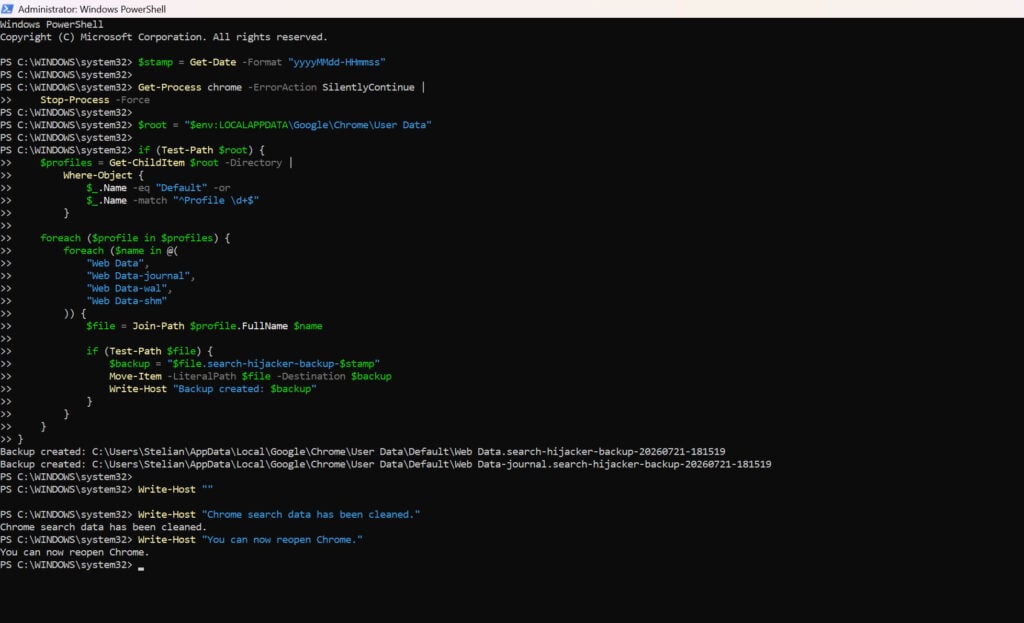
Close PowerShell and reopen Google Chrome. Chrome will automatically create a clean search database for every local profile.
Next, copy the following address, paste it into Chrome’s address bar, and press Enter:
chrome://settings/searchEnginesMake sure Google is selected as the default search engine. Test several searches from the address bar and confirm that they no longer pass through shady search engines.
Your important Chrome data is protected: the PowerShell cleanup does not remove bookmarks, saved passwords, browsing history, cookies, or installed extensions. However, it may reset locally stored Autofill addresses and form suggestions.
The original search database is not deleted. PowerShell renames it and adds
search-hijacker-backupto its filename so it can be recovered if necessary.Keep Settings and Extensions synchronization disabled while testing Chrome. Do not enable every extension at once. Enable only the extensions you recognize, one at a time, and test Chrome after each one.
If the redirect returns after enabling a particular extension, remove that extension immediately.
Reset Firefox for Windows to default settings
We will now reset your Firefox browser settings to their default. The reset feature fixes many issues by restoring Firefox to its factory default state while saving your essential information like bookmarks, passwords, web form auto-fill information, browsing history, and open tabs.
-
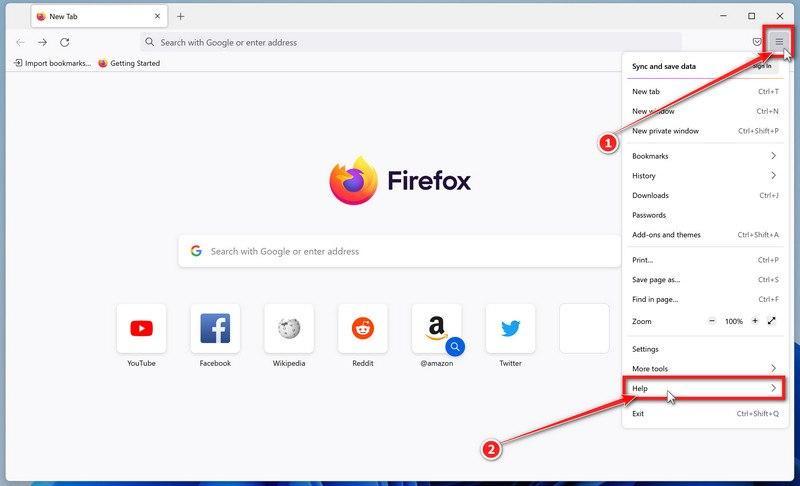
Open the Firefox menu and click “Help”
Click the three horizontal lines in the top-right corner of Firefox to open the main menu, then select “Help“.
-
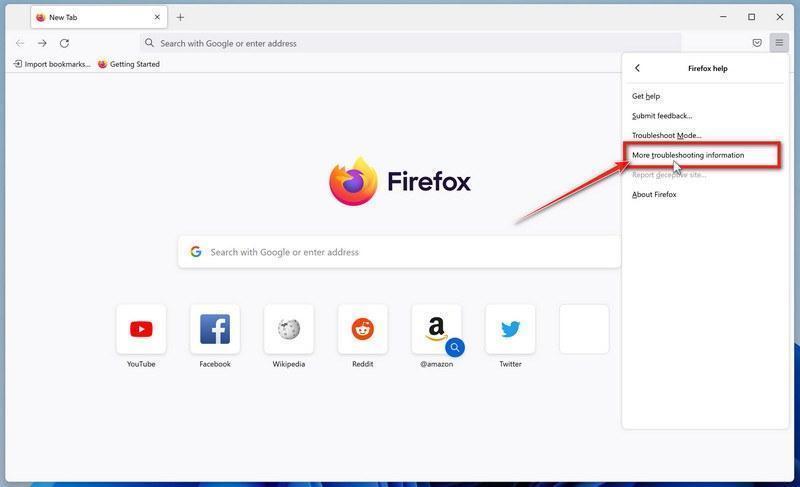
Click “More troubleshooting information”
In the Help menu, click “More troubleshooting information“.
-
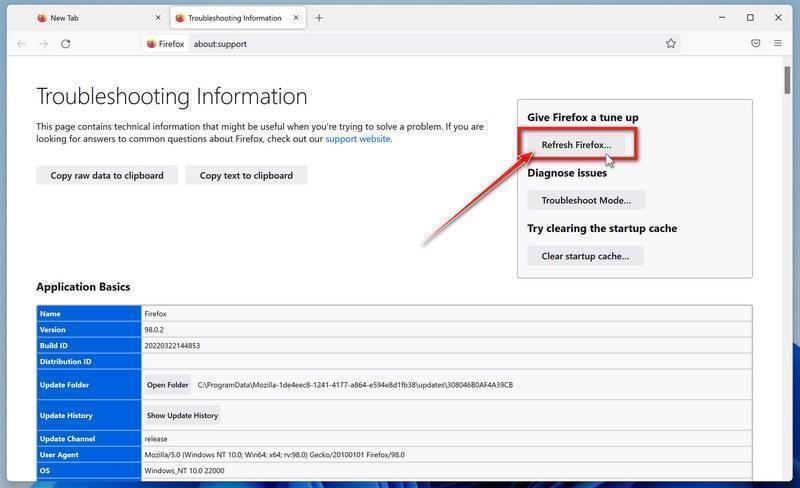
Click “Refresh Firefox”
On the “Troubleshooting Information” page, click the “Refresh Firefox” button in the top-right area of the page.
-
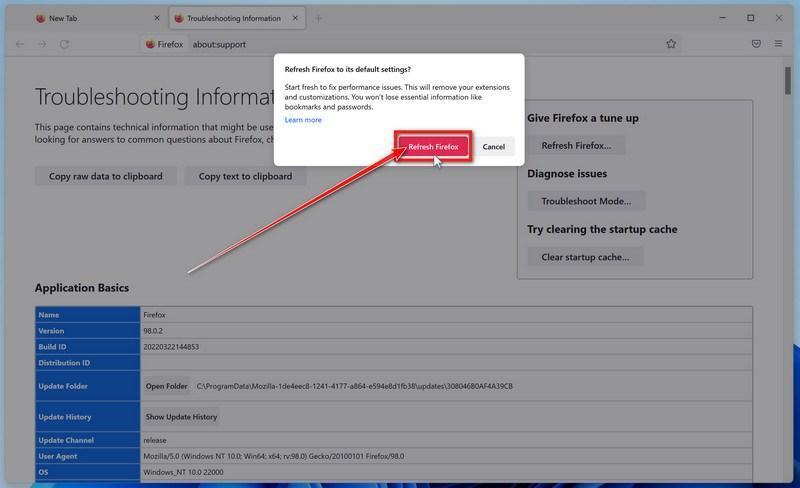
Confirm the refresh
In the confirmation window, click “Refresh Firefox” again. This removes extensions, themes, and customized settings — the usual hiding places for browser hijackers — while keeping your bookmarks, history, and saved passwords safe.
-
Click “Finish”
Firefox will close, reset itself to default settings, and reopen with a window listing the information that was restored. Click “Finish” — your Firefox is now clean.
About the “Old Firefox Data” folder: Firefox saves a copy of your old profile on your desktop. If something you need is missing after the reset, you can recover it from this folder. Otherwise, delete the folder — it contains sensitive data like passwords and cookies, and may also still hold the malicious files you just removed.
Reset Microsoft Edge to default settings
We will now reset your Microsoft Edge browser settings to their default. This will reset your startup page, new tab page, search engine, and pinned tabs. It will also disable all extensions and clear temporary data like cookies. Your favorites, history, and saved passwords will not be cleared.
Updated for Microsoft Edge on Windows 10 and Windows 11 — July 2026.
-
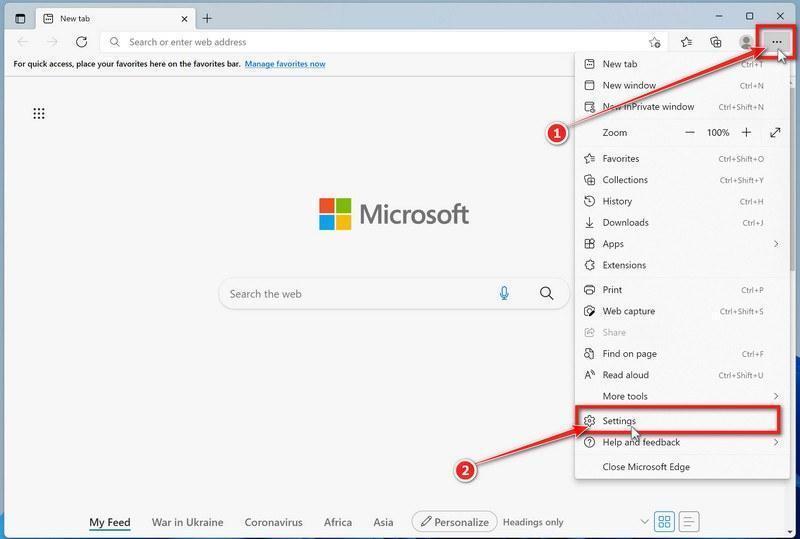
Open the Edge menu and click “Settings”
Open Microsoft Edge. In the top-right corner, click the three-dot (…) icon, then click Settings.
-
Prevent the unwanted settings from returning through Edge Sync
If you are signed in to Microsoft Edge, a bad setting or extension may be stored in your Microsoft account and return after the reset.
Copy the following address, paste it into the Edge address bar, and press Enter:
edge://settings/profiles/syncOn the Sync page, turn off these two options:
- Settings
- Extensions
You can leave Favorites and Passwords turned on.
If Edge says that sync is already off, simply continue to the next step.
Important: Edge Sync settings are separate for each profile. If you use more than one Edge profile, switch to each affected profile and repeat this step.
You do not need to sign out of your Microsoft account or delete the Edge profile.
-
Open “Reset settings”
In the left sidebar, click Reset settings.
You can also open the reset page directly. Copy the following address, paste it into the Edge address bar, and press Enter:
edge://settings/reset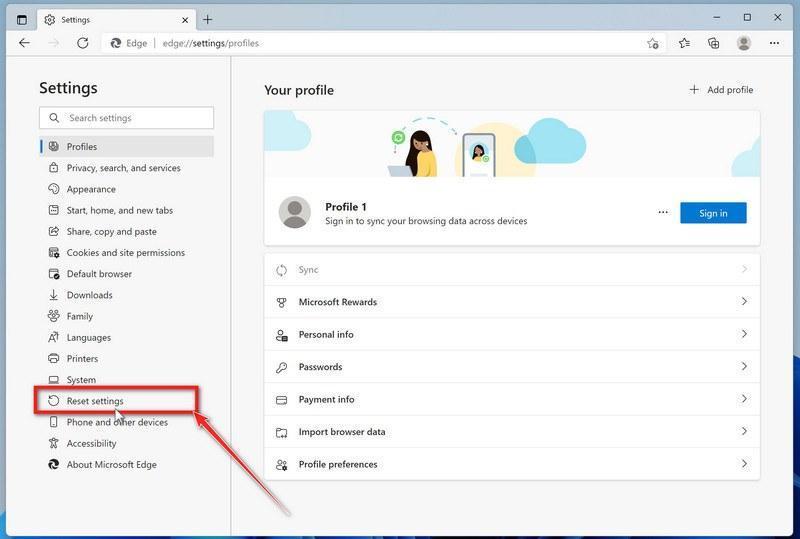
-
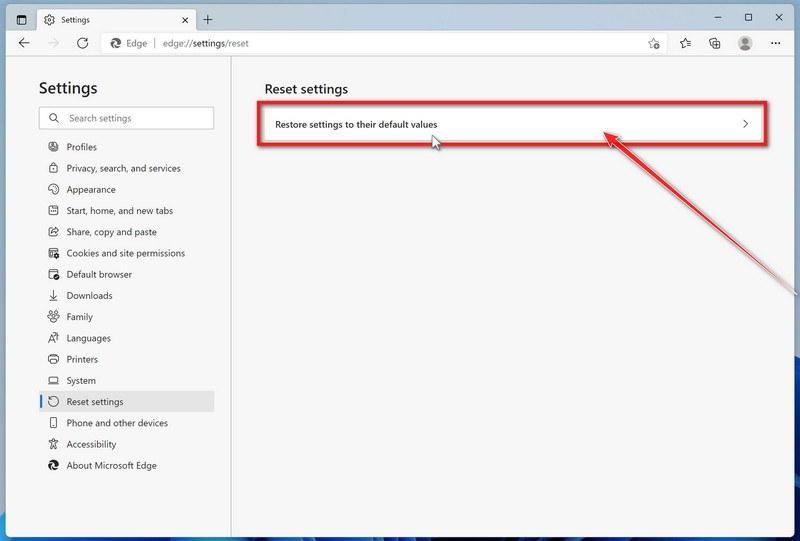
Click “Restore settings to their default values”
Click Restore settings to their default values.
-
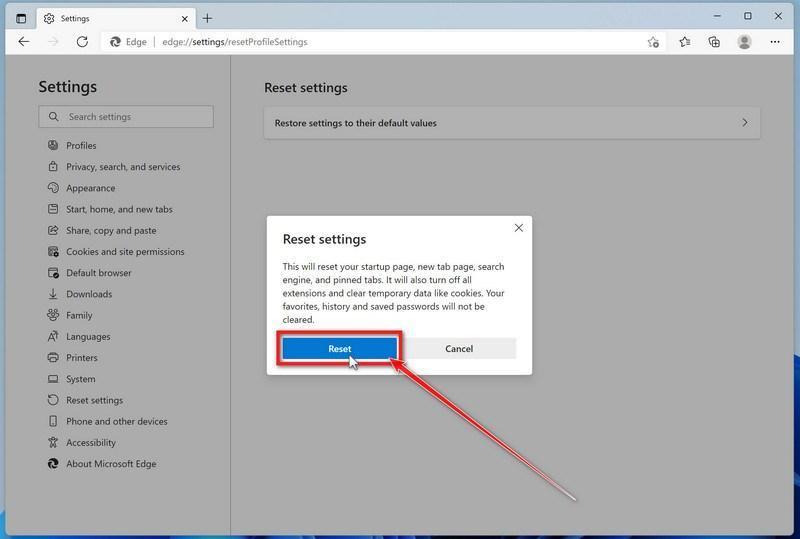
Confirm the reset
In the confirmation dialog, click Reset.
This resets the startup page, new tab page, search engine, and pinned tabs. It also disables all extensions and clears temporary site data, such as cookies.
Don’t worry: your favorites, browsing history, and saved passwords will not be deleted.
-
Check your extensions before turning them back on
Copy the following address, paste it into the Edge address bar, and press Enter:
edge://extensionsRemove any extension you do not recognize or no longer use. Pay particular attention to extensions related to search, coupons, shopping, PDF conversion, browser protection, new tabs, or video downloading.
Do not turn all extensions back on at the same time. Enable only the extensions you recognize and trust.
-
Select a trusted search engine
Copy the following address, paste it into the Edge address bar, and press Enter:
edge://settings/searchEnginesSelect Bing, Google, DuckDuckGo, or another search provider you trust and make it the default.
Remove any unknown search engines, especially providers with strange names or addresses that you did not add yourself.
Restart Edge and perform a search from the address bar. If searches are no longer redirected, you can stop here.
-
If the redirect remains, clean the corrupted search data without deleting the Edge profile
Use this additional step only if Edge continues to redirect searches after the normal reset.
This command cleans the search-engine database from every local Edge profile while keeping your favorites, saved passwords, browsing history, cookies, and profiles.
Before continuing: save anything you are working on because the command will close Microsoft Edge.
- Open the Windows Start menu.
- Type PowerShell.
- Open Windows PowerShell. Administrator access is not required.
- Copy the entire command below.
- Paste it into PowerShell and press Enter.
$stamp = Get-Date -Format "yyyyMMdd-HHmmss"
$root = Join-Path $env:LOCALAPPDATA "Microsoft\Edge\User Data"

Get-Process -Name msedge -ErrorAction SilentlyContinue |
    Stop-Process -Force -ErrorAction SilentlyContinue

Start-Sleep -Seconds 2

if (-not (Test-Path -LiteralPath $root)) {
    Write-Host "The Microsoft Edge profile folder was not found:"
    Write-Host $root
    return
}

$profiles = Get-ChildItem -LiteralPath $root -Directory |
    Where-Object {
        $_.Name -eq "Default" -or
        $_.Name -match "^Profile \d+$"
    }

$movedFiles = 0

foreach ($profile in $profiles) {
    foreach ($name in @(
        "Web Data",
        "Web Data-journal",
        "Web Data-wal",
        "Web Data-shm"
    )) {
        $file = Join-Path $profile.FullName $name

        if (Test-Path -LiteralPath $file) {
            $backup = "$file.search-reset-backup-$stamp"

            try {
                Move-Item -LiteralPath $file -Destination $backup -ErrorAction Stop
                Write-Host "Cleaned: $($profile.Name)\$name"
                $movedFiles++
            }
            catch {
                Write-Warning "Could not clean: $file"
            }
        }
    }
}

Write-Host ""

if ($movedFiles -gt 0) {
    Write-Host "Microsoft Edge search data has been cleaned." -ForegroundColor Green
    Write-Host "You can now reopen Microsoft Edge."
}
else {
    Write-Host "No Edge search database files were found." -ForegroundColor Yellow
}
The command does not permanently delete the original files. It renames them as backup files, and Edge creates a clean search database when it starts again.
Note: this additional cleanup may also reset saved form-fill suggestions, saved addresses, and manually added search engines. It does not delete favorites, passwords, or browsing history.
-
Reopen Edge and test the browser
Open Microsoft Edge again, visit edge://settings/searchEngines, and select your preferred search engine.
Perform several searches from the address bar to confirm that the redirect is gone.
Keep synchronization for Settings and Extensions turned off until you are certain that the computer and extensions are clean. If you enable them again, turn them on one at a time and test Edge after each change.
-
If Edge still redirects your searches
Open edge://policy. If this is your personal computer and Edge displays unknown policies such as ExtensionInstallForcelist or DefaultSearchProvider, the hijacker may be installed outside the browser profile.
In that situation, continue with the next malware-removal steps and run a complete antivirus scan. If the computer belongs to a company or school, contact its IT administrator before changing any policies.
Reset Internet Explorer to default settings
We will now reset your Internet Explorer browser settings to their default. You can reset Internet Explorer settings to return them to the state they were in when Internet Explorer was first installed on your computer.
-
Go to “Internet Options”.
Open Internet Explorer, click on the gear icon in the upper-right part of your browser, then select “Internet Options“.
-
Select the “Advanced” tab, then click “Reset”
In the “Internet Options” dialog box, select the “Advanced” tab, then click on the “Reset” button.
-
Click on “Reset”.
In the “Reset Internet Explorer settings” section, select the “Delete personal settings” checkbox, then click on the “Reset” button.
-
Click on “Close”.
When Internet Explorer has completed its task, click on the “Close” button in the confirmation dialogue box.
Close your browser and then you can open Internet Explorer again.
With the site’s permission to send push notifications removed, the pop-ups should stop. Next, we’ll scan your computer to make sure no adware or malicious program is behind them.
STEP 2: Use Malwarebytes Anti-Malware to remove malware and unwanted programs
Now we’ll install Malwarebytes and run a scan to detect and remove any infections, adware, or potentially unwanted programs on your computer.
Malwarebytes is one of the most popular and trusted anti-malware tools for Windows — and it’s completely free for removing infections. It catches threats that many antivirus programs miss, including adware, browser hijackers, and trojans. Follow the steps below to scan and clean your PC in just a few minutes.
Download Malwarebytes
Click the button below to download the latest version of Malwarebytes for Windows from the official source. The free version is all you need — it will scan your computer and remove adware, browser hijackers, and other malicious software at no cost.
Download MalwarebytesOfficial installer for Windows 11 and 10. Your download starts right away.Want real-time protection? See Malwarebytes Premium Malwarebytes Free for WindowsScans and removes malware at no cost
-
Install Malwarebytes
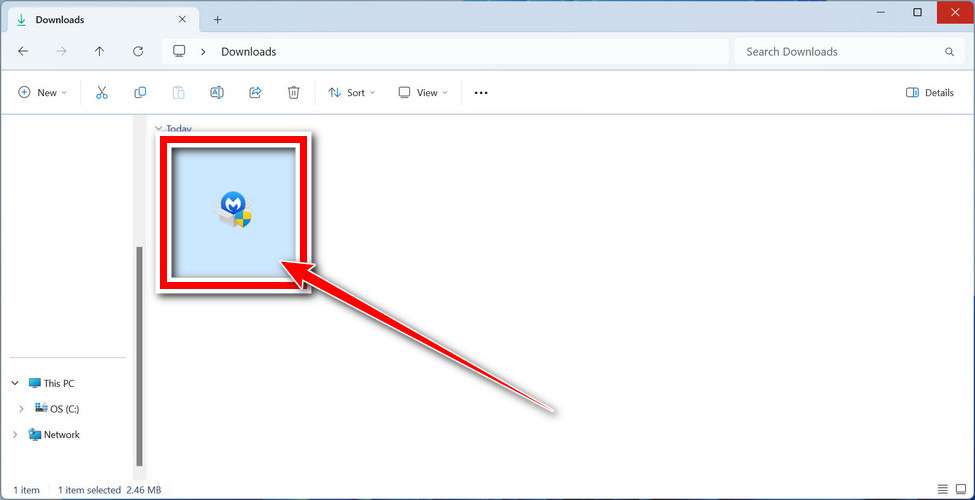
When the download finishes, open your Downloads folder and double-click the MBSetup file. If Windows shows a User Account Control pop-up, click “Yes” to allow the installation.
Follow the On-Screen Prompts to Install Malwarebytes
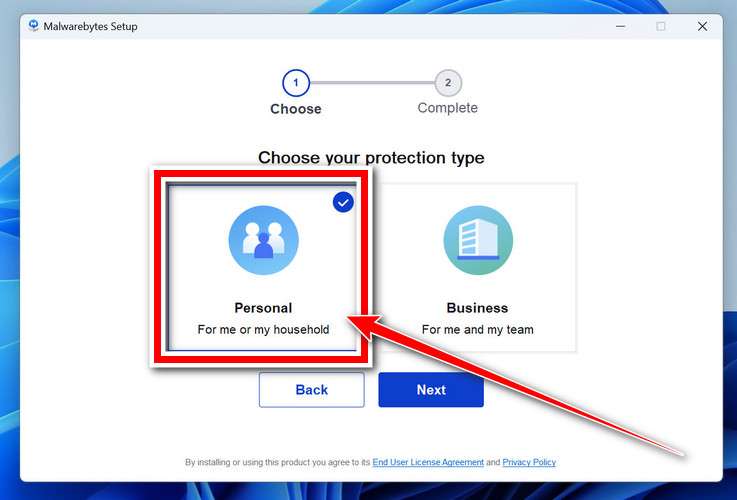
The setup wizard will walk you through a few quick screens:
-
Choose where you’re installing the program — “Personal Computer” or “Work Computer” — then click Next.
-
Malwarebytes will now install on your device. This usually takes under a minute.

-
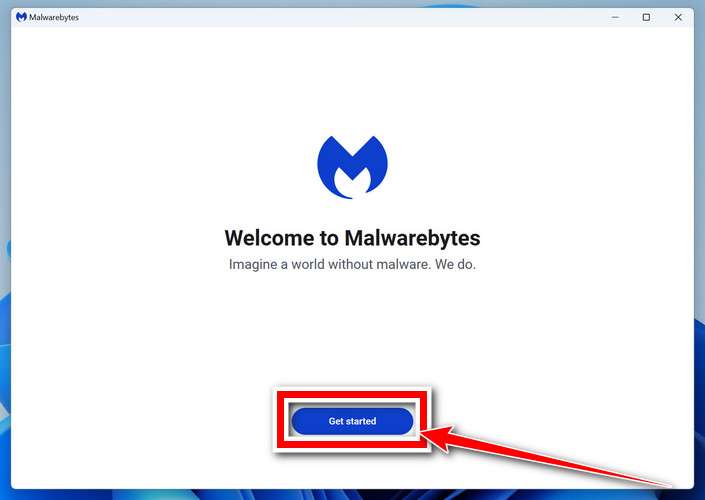
When installation is complete, the “Welcome to Malwarebytes” screen will open automatically.
-
On the final screen, click Open Malwarebytes to launch the program.

-
Enable “Scan for Rootkits”
Before scanning, turn on rootkit detection so Malwarebytes can find even the most hidden threats. Click the Settings gear icon on the left side of the screen.
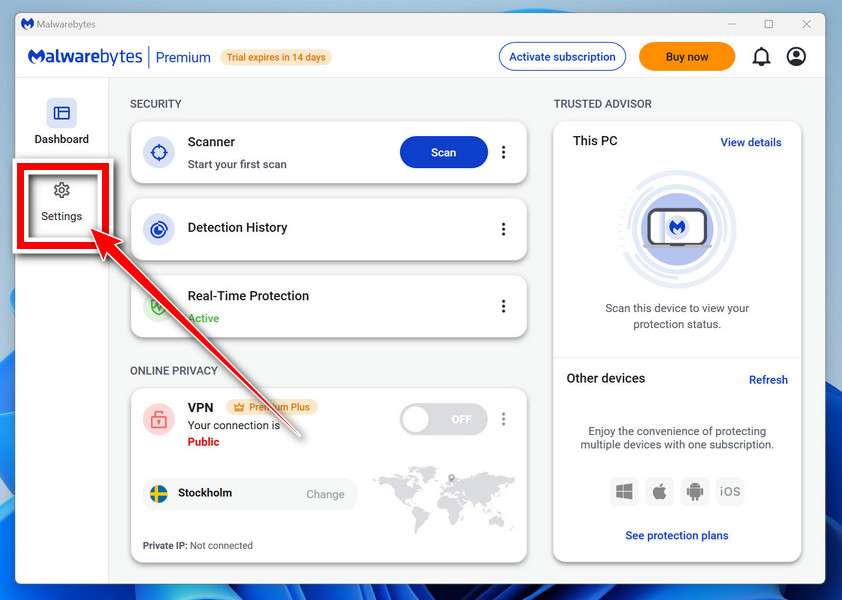
In the settings menu, find “Scan for rootkits” and click the toggle so it turns blue.

Done? Click “Dashboard” in the left pane to return to the main screen.
Start the Scan
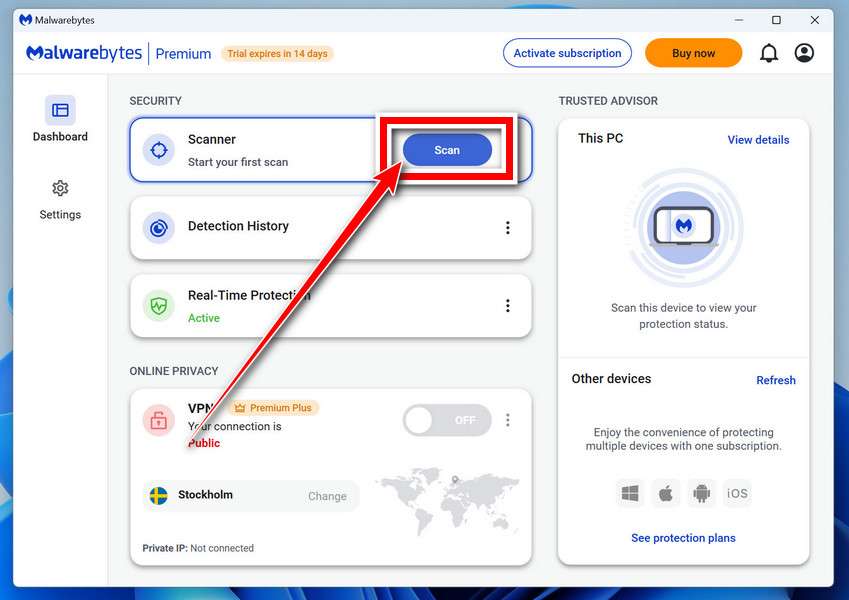
Click the blue Scan button. Malwarebytes will automatically update its virus database and start checking your computer for malware.
-
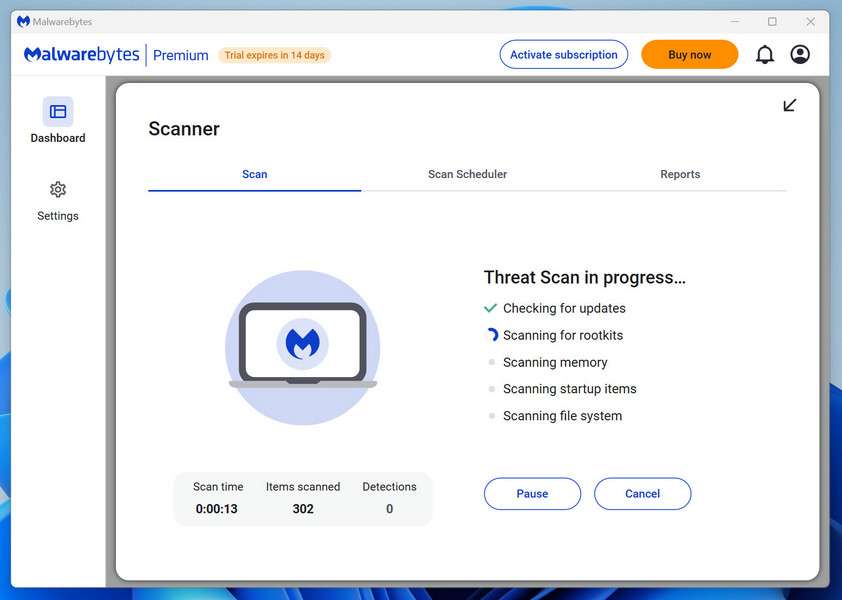
Wait for the Scan to Finish
The scan checks your entire system for browser hijackers and other malicious programs, so it can take 5 to 20 minutes depending on your computer. Feel free to do something else — just check back occasionally to see the progress.
-
Quarantine the Detected Threats
When the scan is done, you’ll see a list of everything Malwarebytes found — malware, adware, and potentially unwanted programs. Click the “Quarantine” button to remove all of them at once.
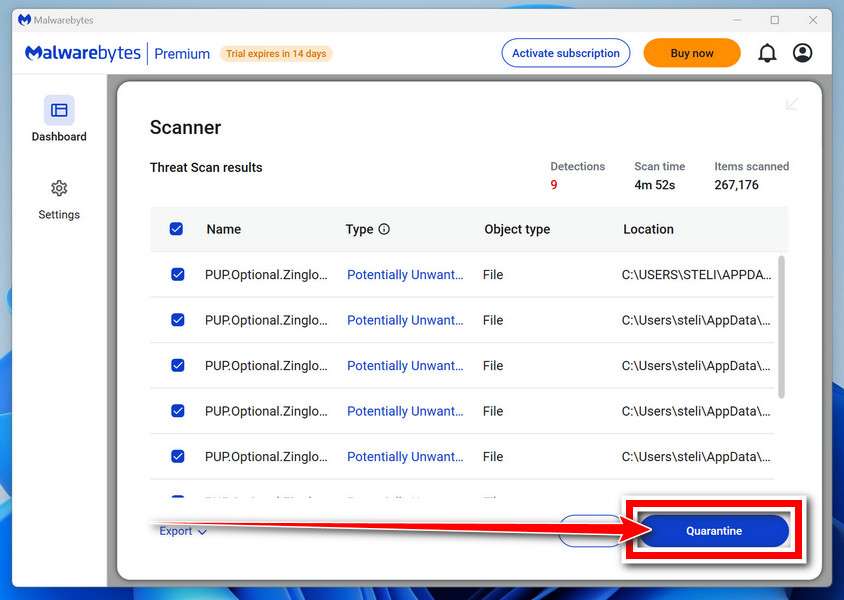
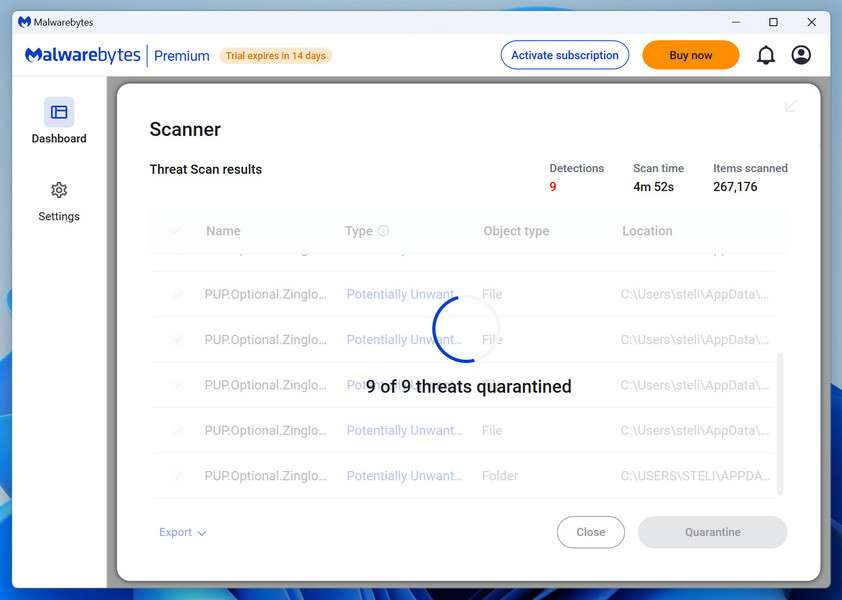
Malwarebytes will now remove the malicious files and registry entries and move them safely into quarantine.
-
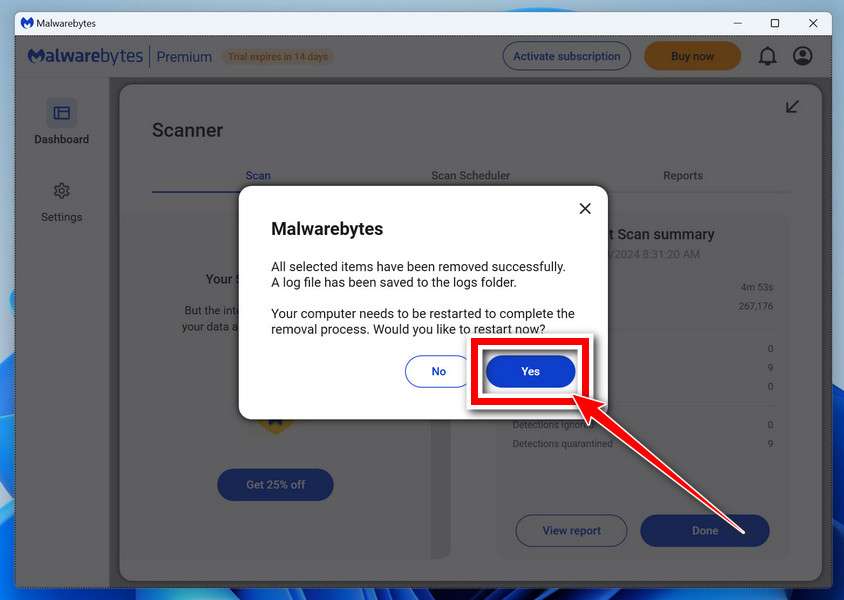
Restart Your Computer
Some threats can only be fully removed after a reboot. If Malwarebytes asks you to restart, click Yes. Once you’re logged back in, Malwarebytes has finished removing the threats it found.
STEP 3: Use HitmanPro to scan for rootkits and other malware
Finally, we’ll run a second-opinion scan with HitmanPro to confirm nothing was missed. If this scan comes back clean, your computer is malware-free.
HitmanPro is a second-opinion scanner — it’s designed to catch what your main antivirus might have missed. Instead of relying on a single detection engine, it checks the behavior of files in the locations where malware usually hides. Anything suspicious gets sent to the cloud, where it’s analyzed by two of the best antivirus engines available: Bitdefender and Kaspersky.
Good news: scanning is completely free, with no limits. You only need a license when it’s time to remove what was found — and even then, you can activate a free one-time 30-day trial to clean your PC at no cost. (A full license is $24.95 per year for 1 PC.)
-
Download HitmanPro
Click the button below to download HitmanPro. Remember — the scan is free, so you have nothing to lose by checking your PC.
Download HitmanProFree scan. Removing threats needs the free 30-day trial. Opens the official HitmanPro page in a new tab. HitmanProSecond-opinion malware scanner from Sophos
 -
Install HitmanPro
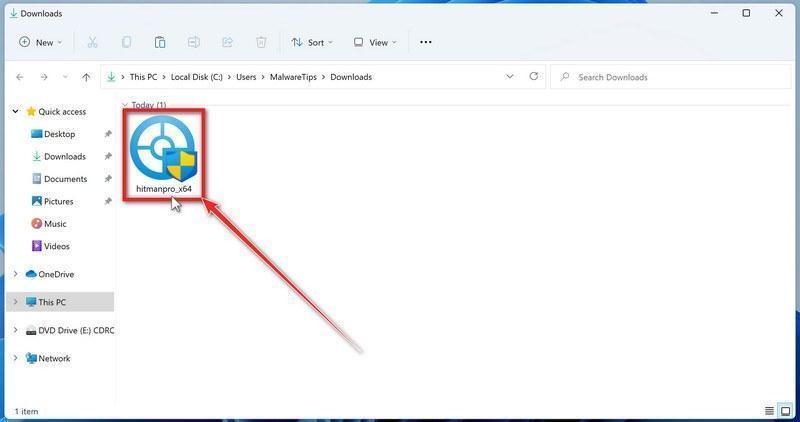
When the download finishes, open your Downloads folder and double-click the file: “hitmanpro.exe” on 32-bit Windows, or “hitmanpro_x64.exe” on 64-bit Windows.
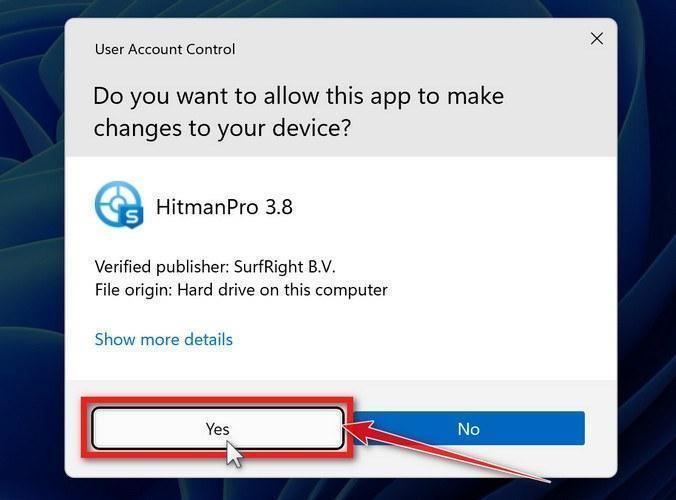
If a User Account Control pop-up asks whether HitmanPro can make changes to your device, click “Yes” to continue.
-
Follow the On-Screen Prompts
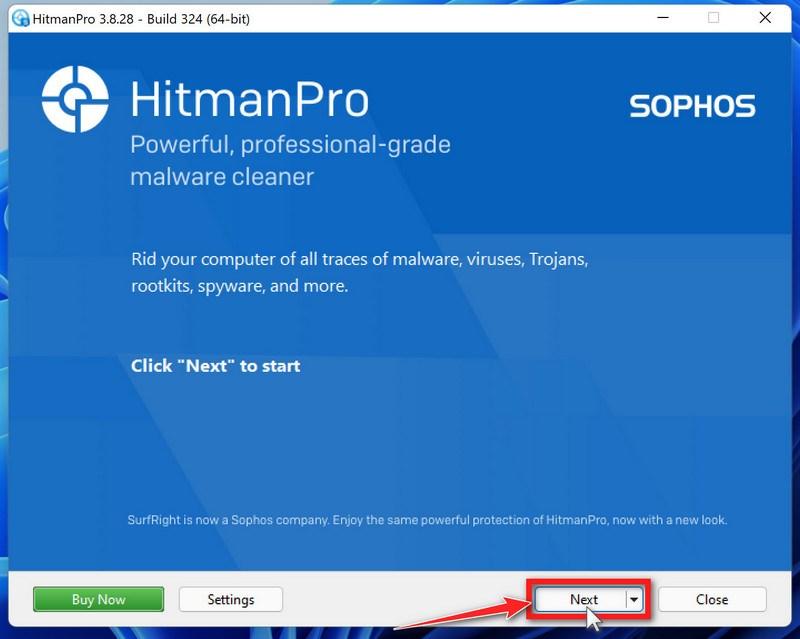
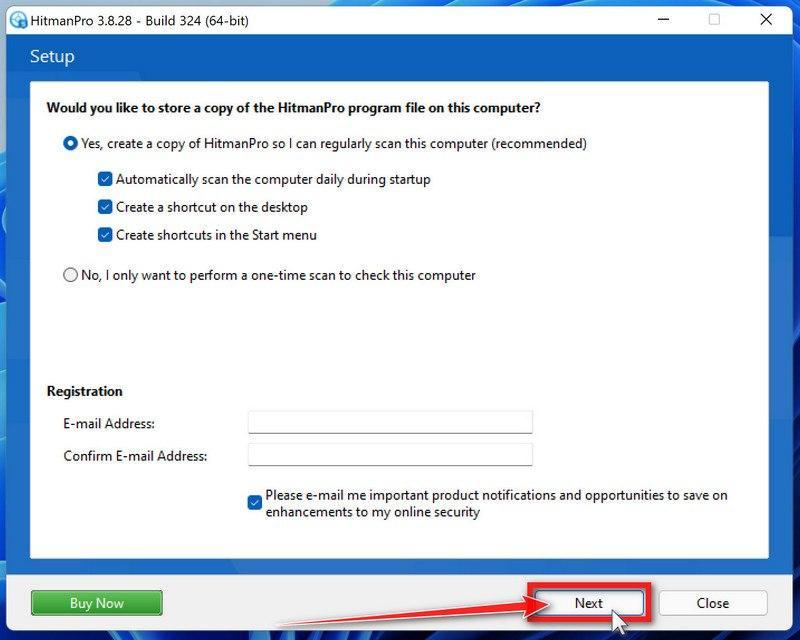
On the HitmanPro start screen, click “Next” to begin the system scan. No lengthy setup required — it goes straight to work.
-
Wait for the Scan to Finish
HitmanPro will now check your computer for malicious programs. This usually takes just a few minutes thanks to its cloud-based scanning.
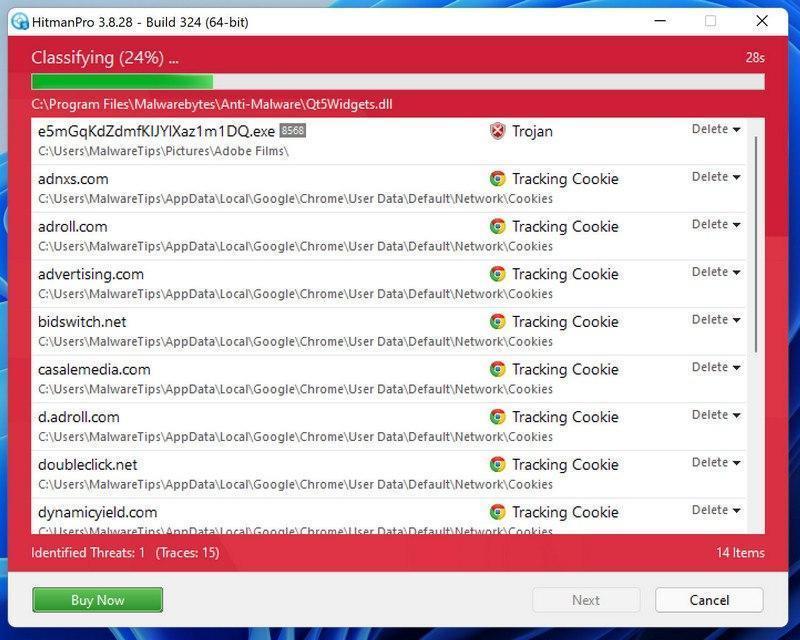
-
Review the Results and Click “Next”
When the scan is done, HitmanPro will show you everything it found. Click “Next” to remove the detected threats.
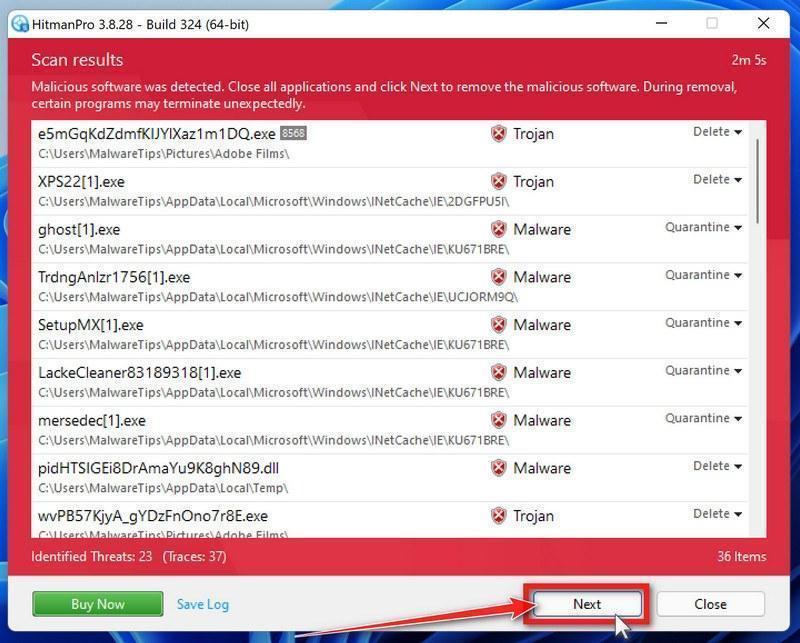
-
Click “Activate Free License”
To remove the malicious files, click the “Activate free license” button. This starts your free 30-day trial — no payment details needed — and unlocks the full cleanup.
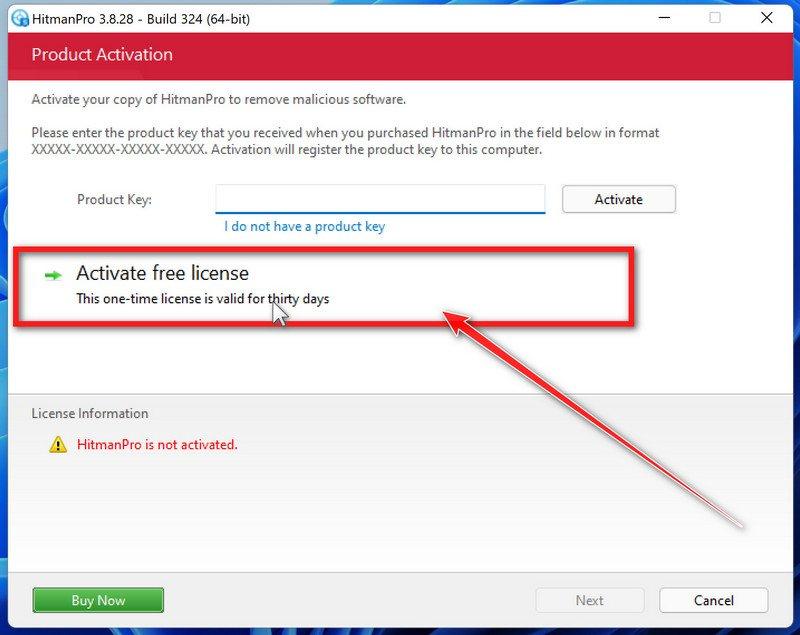
When the removal is complete, HitmanPro will show a summary of everything it cleaned. Click Next, then click Reboot if prompted. If there’s no reboot prompt, just click Close — your PC is clean.
Your computer should now be free of the Yourrottastudio.com push notifications ads and other malware.
If you are still having problems with your computer after completing these instructions, then please follow one of the steps:
- Run a computer scan with ESET Online Scanner
- Ask for help in our Windows Malware Removal Help & Support forum.
Remove Yourrottastudio.com from Mac
- STEP 1: Reset browsers back to default settings
- STEP 2: Use Malwarebytes for Mac to remove malware and unwanted programs
STEP 1: Reset browsers back to default settings
First, we’ll restore your browser to its default settings — this removes the spam notification permissions, malicious extensions, and unwanted browser settings in one go.
Don’t worry: the reset removes extensions, toolbars, and customizations, but your bookmarks and favorites stay intact.
For each browser installed on your Mac, click its tab below and follow the steps to reset it.
Remove Malware and Spam Push Notifications from Safari
To stop the spam notifications in Safari, we’ll check for malicious extensions and restore the browser settings to their defaults.
-
Go to Safari’s “Preferences”.
On the menu bar, click the “Safari” menu and select “Preferences”.
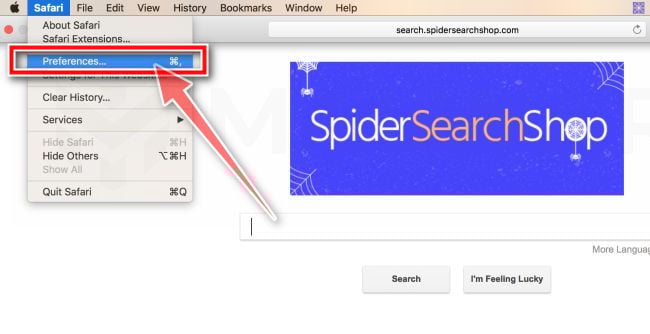
-
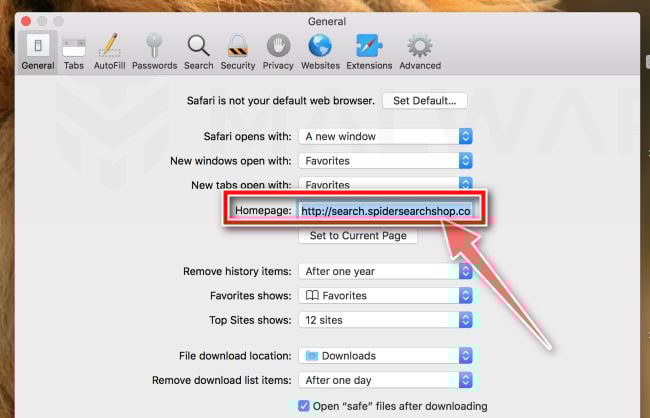
Check Homepage.
This will open a new window with your Safari preferences, opened to the “General” tab. Some browser hijackers may change your default homepage, so in the Homepage field make sure it’s a web page you want to use as your start-up page.
-
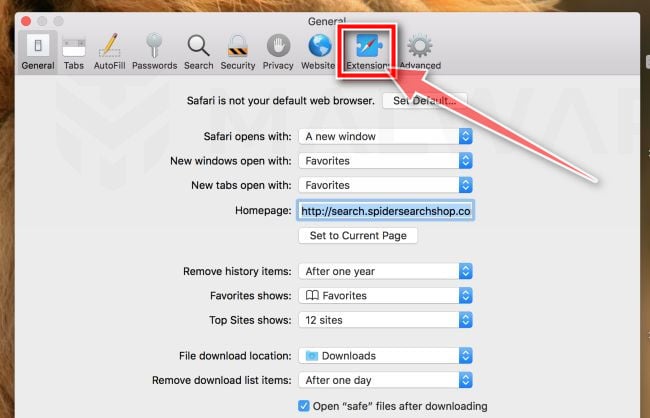
Click “Extensions”
Next, click on the “Extensions” tab.
-
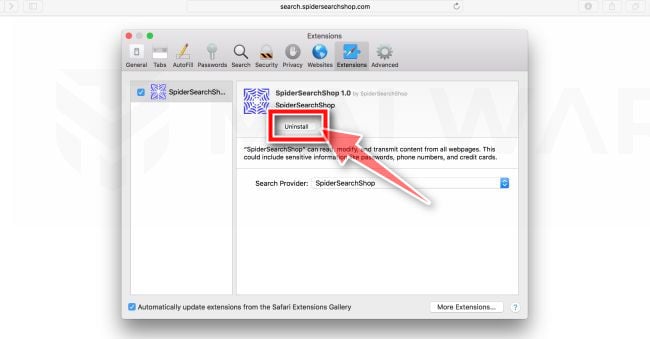
Find and uninstall malicious extensions.
The “Extensions” screen will be displayed with a list of all the extensions installed on Safari. Look out for any suspicious browser extension that could be behind all the drama – anything you don’t remember downloading or that doesn’t sound like a genuine extension. By default, there are no extensions installed on Safari so it’s safe to remove an extension
-
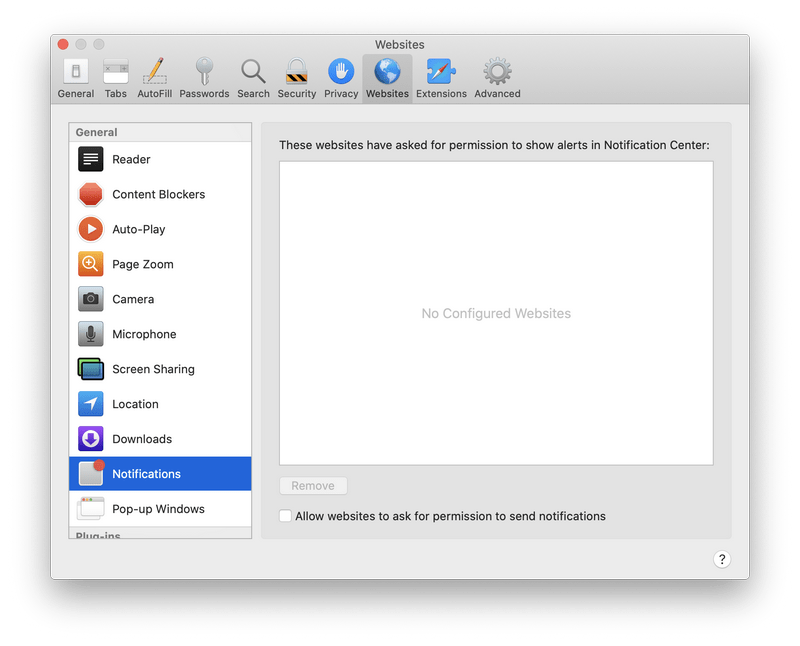
Remove spam notifications ads
Click Preferences, click Websites, then click Notifications. Deselect “Allow websites to ask for permission to send push notifications”.
-
Remove all data stored by websites on your computer.
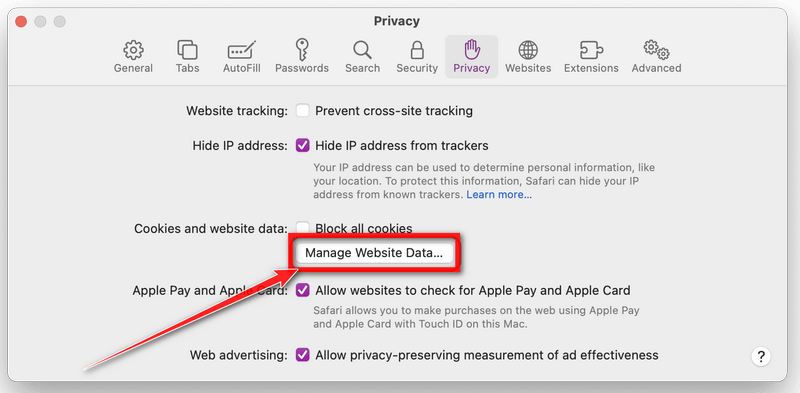
In the Safari menu, choose “Preferences…”, select “Privacy” at the top of the new window that appears, and then click the “Manage Website Data” button.
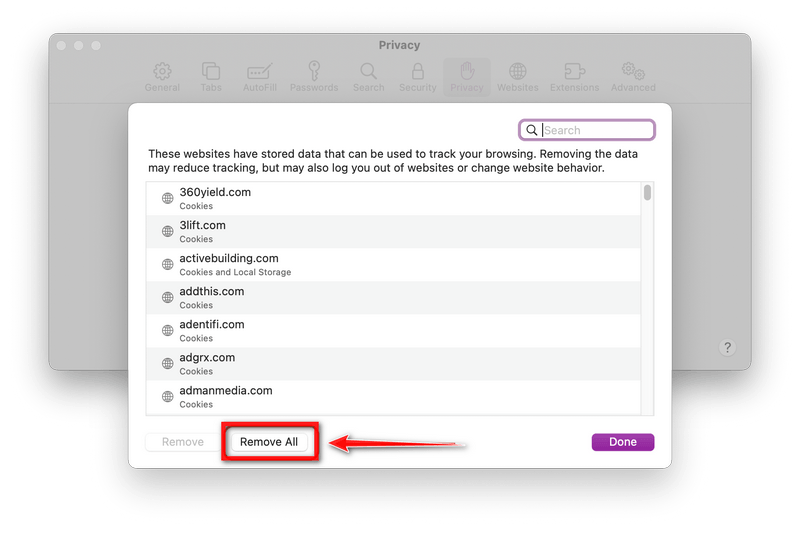
In the next dialog box, click “Remove All“. It will ask you if you are sure you want to remove all data stored by websites on your computer. Select “Remove Now” to clear data that could be used to track your browsing.
-
Empty Safari Caches.
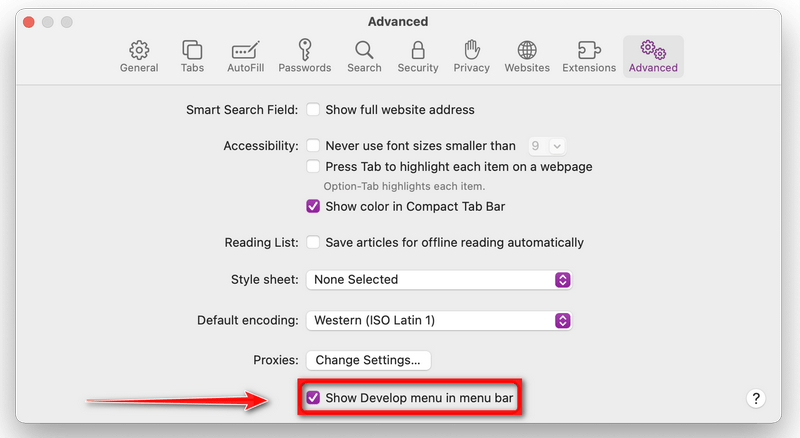
From your Safari menu bar, click Safari and select Preferences, then select the Advanced tab. Enable the checkbox to “Show Develop menu in menu bar“.
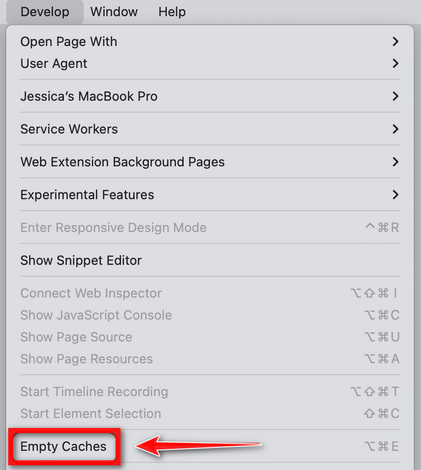
From the menu bar select Develop, then click on Empty Caches as seen in the image below.
Remove Malware and Spam Push Notifications from Chrome for Mac
To stop the spam notifications in Chrome, we’ll reset the browser to its default settings. This restores your homepage, tab settings, and saved form data, clears cookies and temporary data, and disables all extensions — undoing the changes the malware made. Your bookmarks will be preserved.
-
Click on the three dots at the top right and go to Settings.
Click on Chrome’s main menu button, represented by three dots at the top right corner. Now click on the menu option labeled Settings as shown by the arrow in the picture below, which will open the basic settings screen.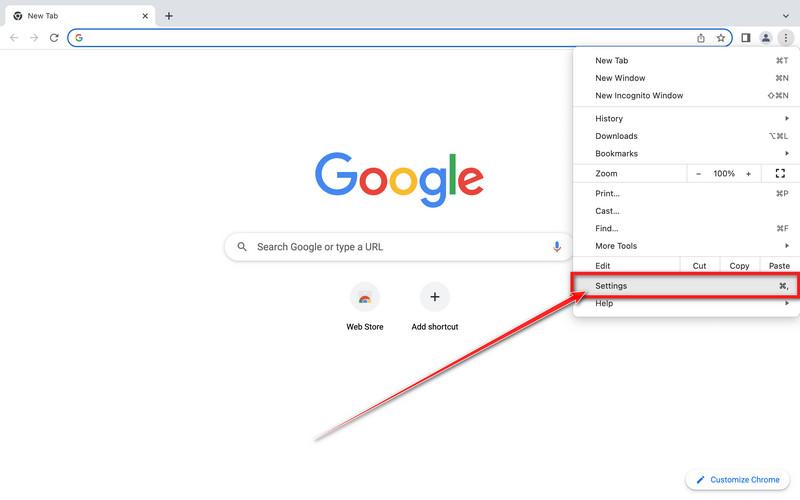
-
In the left sidebar, click on the “Reset and Cleanup” option.
In the left sidebar, click on “Reset and clean up“.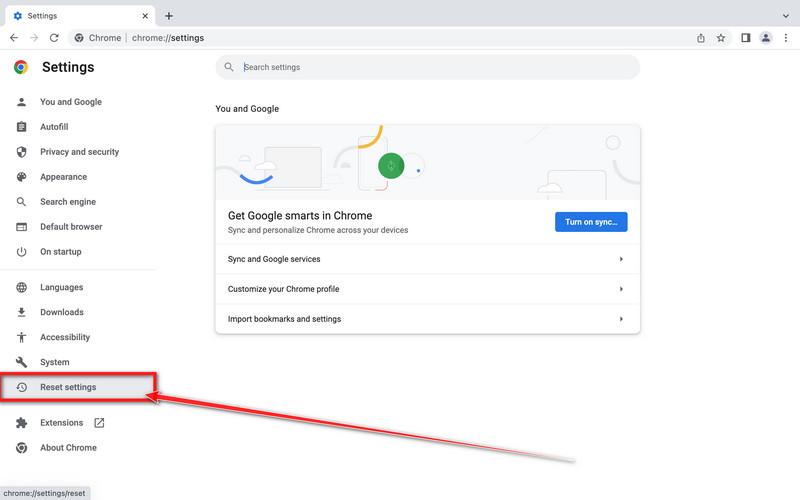
-
Click “Reset settings to their original defaults”.
Now click on the “Reset settings to their original defaults”. link as shown in the image below.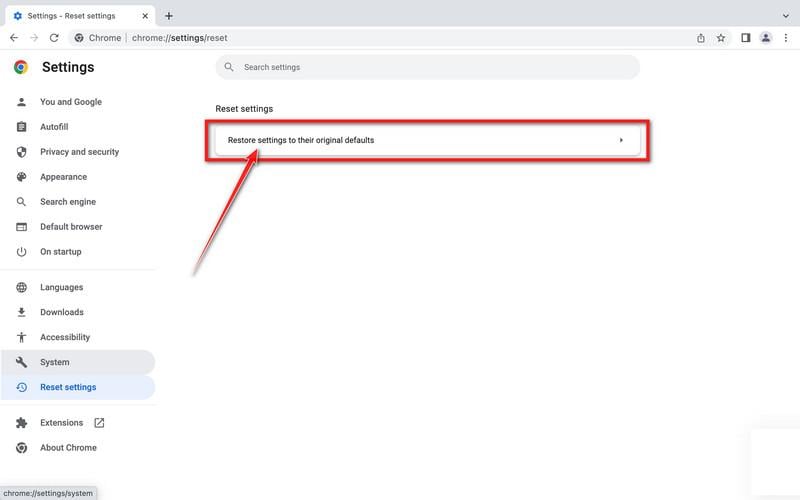
-
Click “Reset Settings” button.
A confirmation dialog should now be displayed, detailing the components that will be restored to their default state should you continue with the reset process. To complete the restoration process, click on the “Reset Settings” button.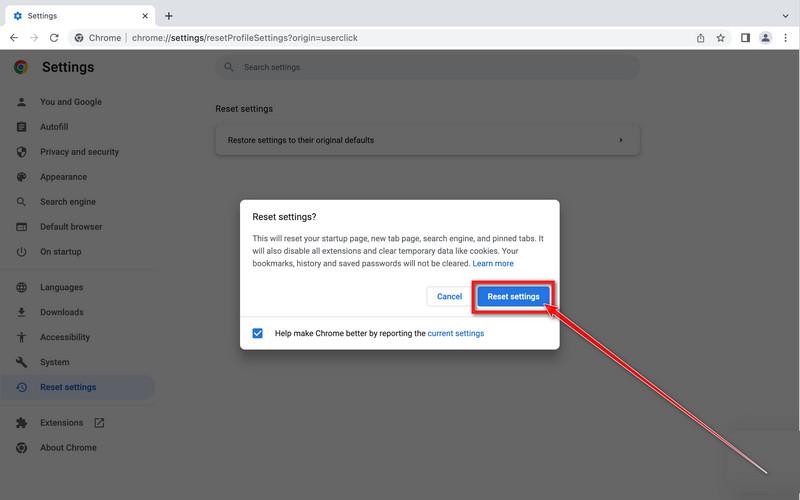
-
(Optional) Reset Chrome Data Sync.
In case a malicious extension reinstalls itself even after performing a browser reset, you have an additional option to reset the data sync for your browser. To do this, navigate to chrome.google.com/sync and click on the Clear Data button.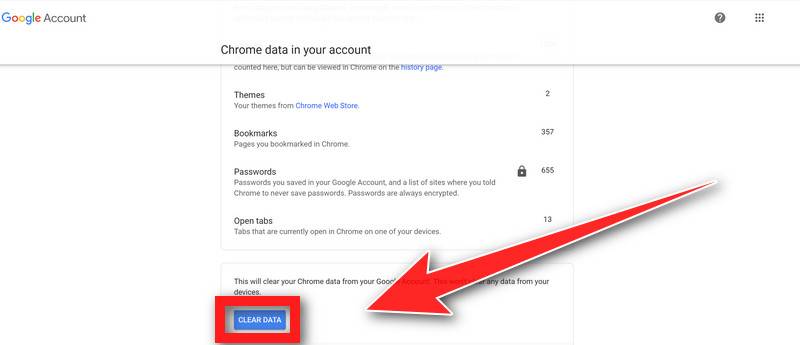
Remove Malware and Spam Push Notifications from Firefox for Mac
To stop the spam notifications in Firefox, we’ll use the built-in Refresh feature. It restores Firefox to its factory default state while keeping your essential data — bookmarks, passwords, web form auto-fill information, browsing history, and open tabs are all preserved.
-
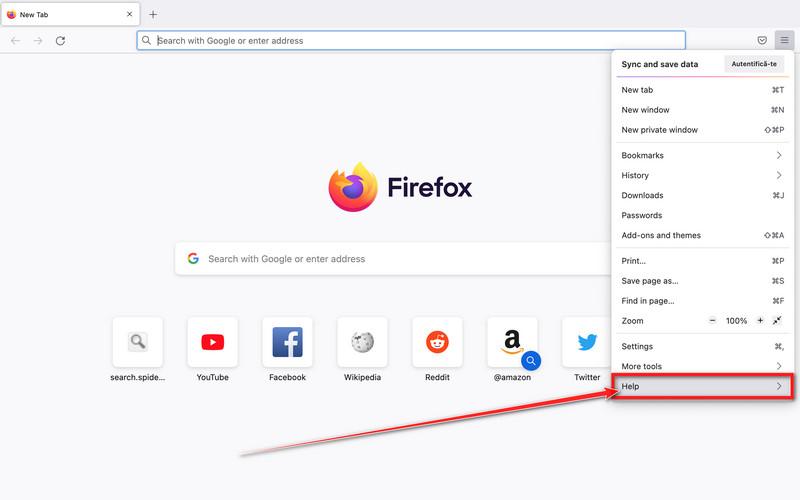
Go to the “Help” menu.
Click on Firefox’s main menu button, represented by three horizontal lines. When the drop-down menu appears, select the option labeled “Help“.
-
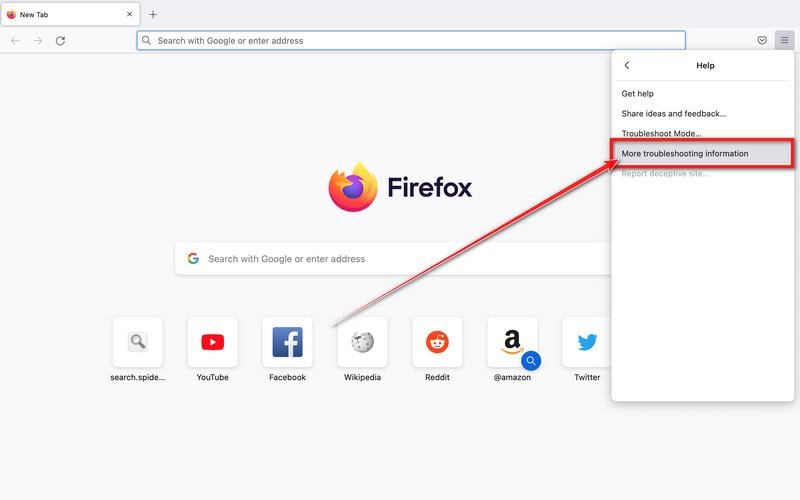
Click “Troubleshooting Information”.
Next click on the “Troubleshooting Information” option as indicated by the arrow in the image below. This will bring you to a Troubleshooting page.
-
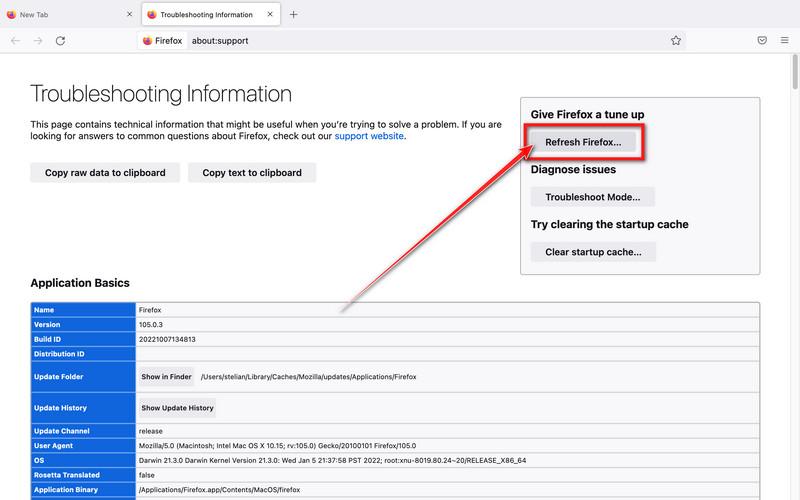
Click on “Refresh Firefox”
Click the “Refresh Firefox” button in the upper-right corner of the “Troubleshooting Information” page.
-
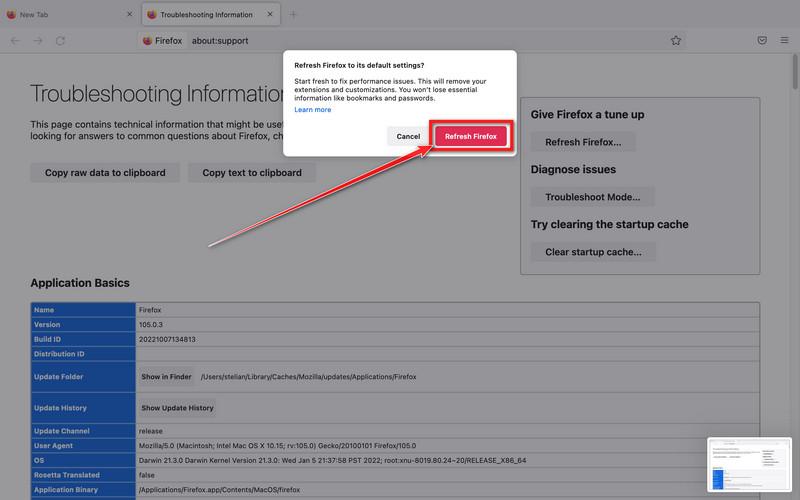
Confirm.
To continue, click on the “Refresh Firefox” button in the new confirmation window that opens.
-
Click on “Finish”.
Firefox will close itself and will revert to its default settings. When it’s done, a window will list the information that was imported. Click on the “Finish“.
STEP 2: Use Malwarebytes for Mac to remove malware and unwanted programs
Finally, we’ll download Malwarebytes for Mac and run a scan to find and remove browser hijackers, adware, malicious browser extensions, and any other malware on your Mac. If the scan comes back clean, your Mac is malware-free.
Malwarebytes for Mac is a free on-demand scanner that removes the malware other security software tends to miss — adware, browser hijackers, and unwanted programs included. Cleaning an infected Mac with Malwarebytes has always been completely free, and it’s our go-to recommendation. Follow the steps below to scan and clean your Mac in just a few minutes.
-
Download Malwarebytes for Mac
Click the button below to download the latest version of Malwarebytes for Mac.
Download MalwarebytesOfficial installer for macOS. Your download starts right away.Want real-time protection? See Malwarebytes PremiumMalwarebytes Free for MacScans and removes malware at no cost -
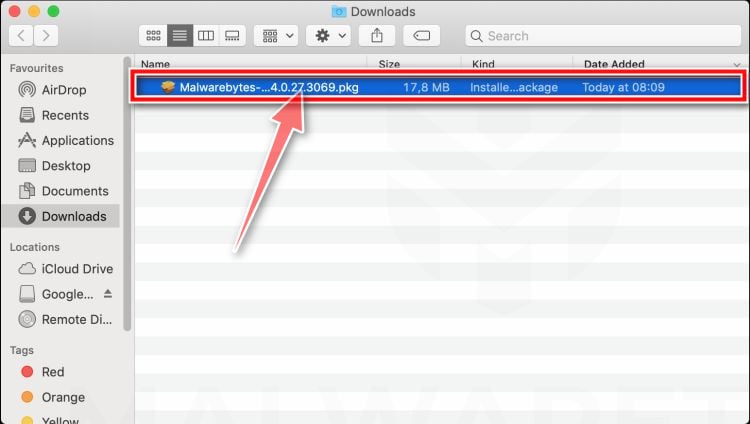
Open the Malwarebytes setup file
When the download finishes, open your Downloads folder and double-click the setup file to begin the installation.
-
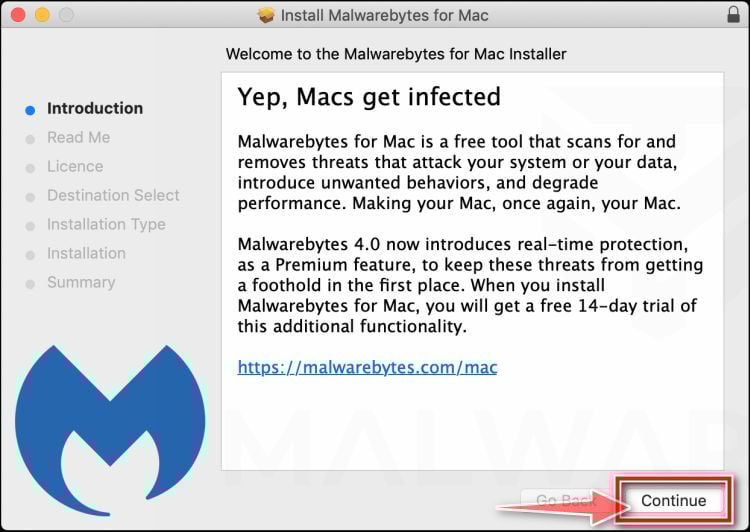
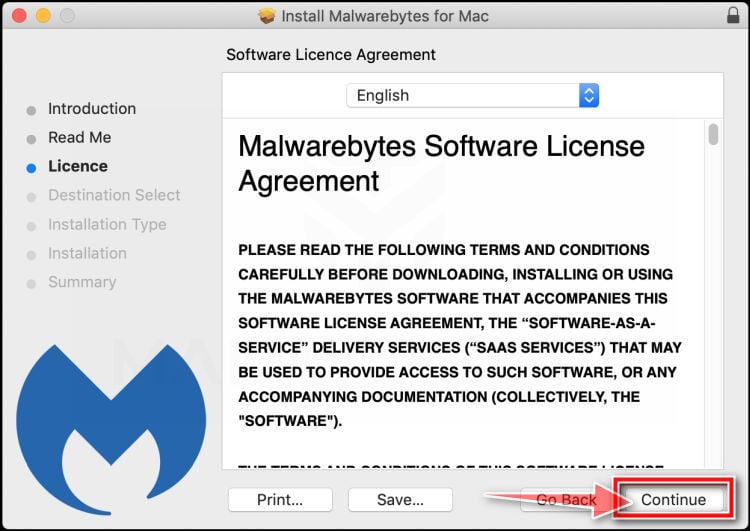
Follow the On-Screen Prompts to Install Malwarebytes
The Malwarebytes for Mac Installer will guide you through a few quick screens. Click “Continue” and keep following the prompts until the installation completes.
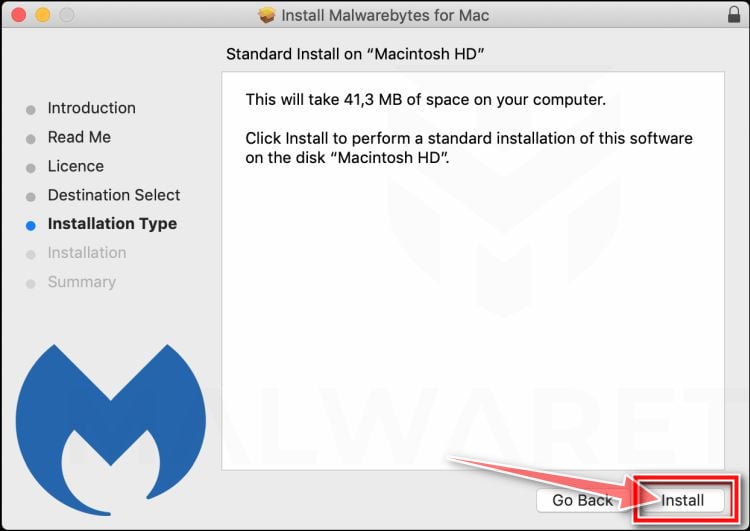
When the installation is complete, Malwarebytes opens to the Welcome to Malwarebytes screen. Click “Get started“.
-
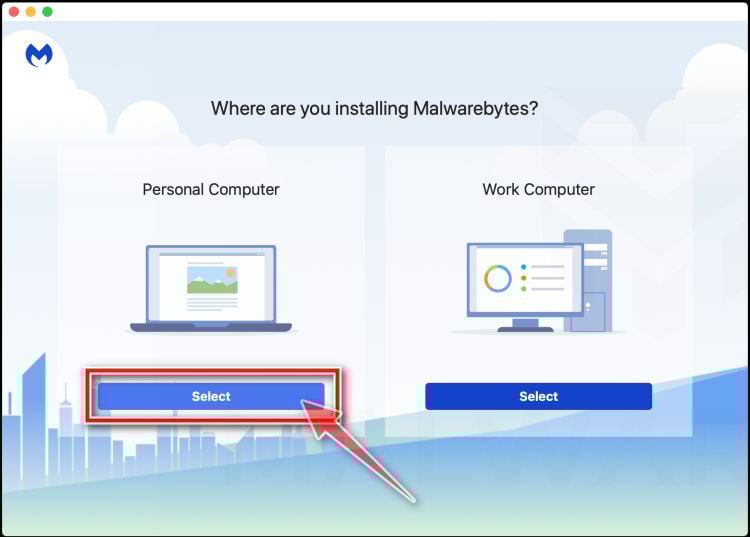
Select “Personal Computer” or “Work Computer”
Malwarebytes will ask what type of computer you’re installing it on. Click either Personal Computer or Work Computer, whichever applies.
-
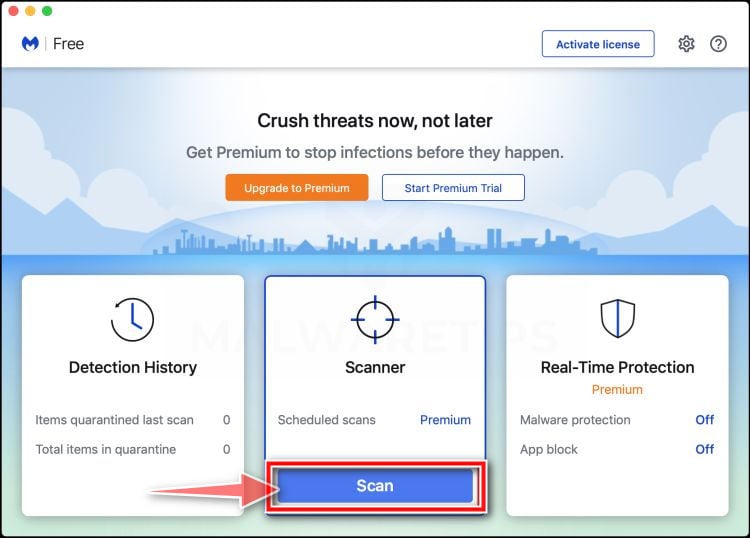
Start the Scan
Click the “Scan” button. Malwarebytes will automatically update its detection database and begin checking your Mac for malware.
-
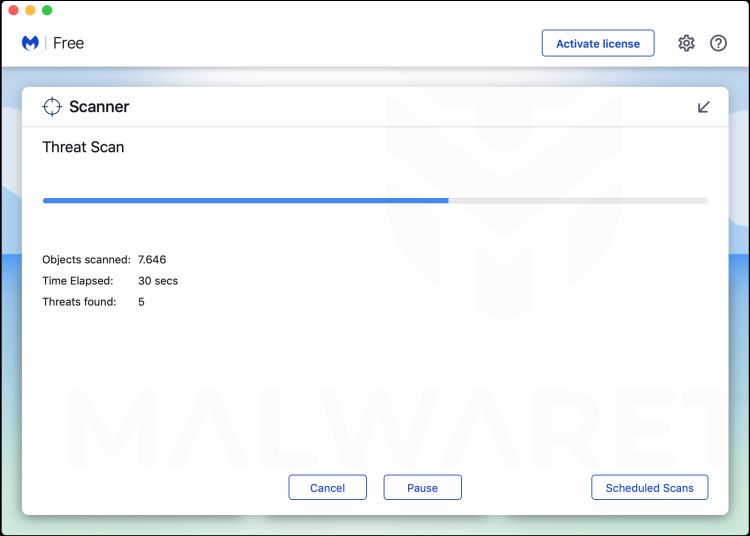
Wait for the Scan to Finish
Malwarebytes will scan your Mac for adware, browser hijackers, and other malicious programs. This can take a few minutes, so feel free to do something else — just check back occasionally to see the progress.
-
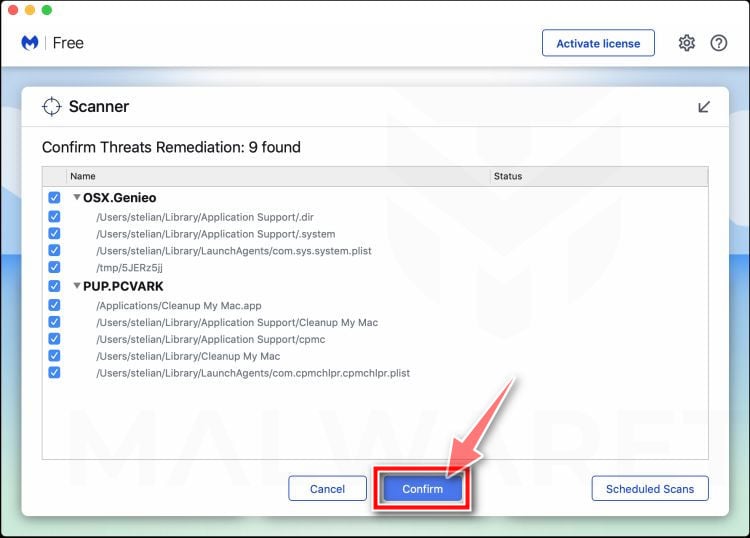
Quarantine the Detected Threats
When the scan is done, you’ll see a list of everything Malwarebytes found. Click the “Quarantine” button to remove all the threats at once.
-
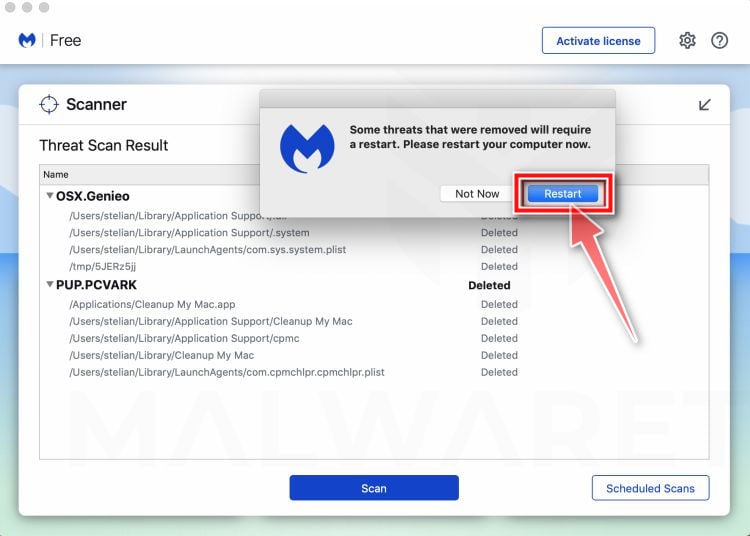
Restart Your Mac
Malwarebytes will now remove all the malicious files it found. Some threats can only be fully removed after a reboot — if Malwarebytes asks you to restart, allow it. Once you’re logged back in, your Mac is clean.
Your Mac should now be free of the Yourrottastudio.com push notifications ads and other malware.
If you are still experiencing problems while trying to remove a malicious program from your computer, please ask for help in our Mac Malware Removal Help & Support forum.
Remove Yourrottastudio.com from Android
- STEP 1: Reset browsers back to default settings
- STEP 2: Use Malwarebytes for Android to remove malware and malicious apps
STEP 1: Reset browsers back to default settings
First, we’ll remove the spam site’s permission to send push notifications to your browser — this is what stops the pop-ups from appearing. Select the browser you’re seeing the spam notifications in by clicking its tab below.
Remove Spam Notifications from Chrome for Android
Chrome lets you turn off the spam notifications directly, without losing any of your browsing data. Here’s how:
- On your Android phone, open Google Chrome.
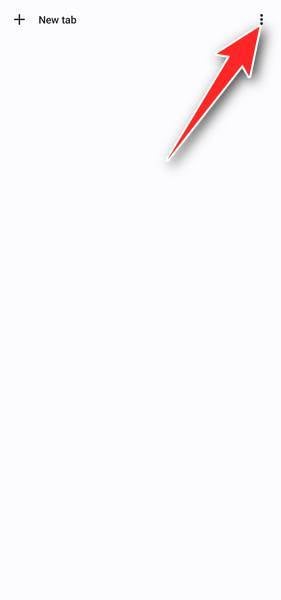
- Tap the More button (three vertical dots) in the top right corner.
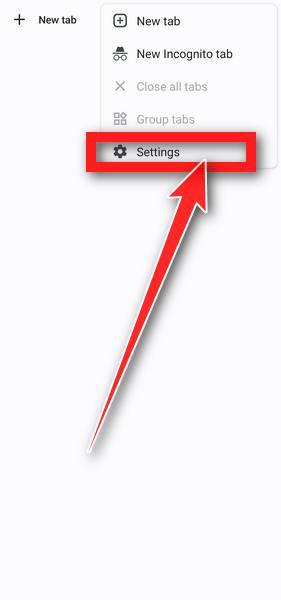
- In the menu that opens, tap Settings.
- In the Settings menu, tap Notifications.
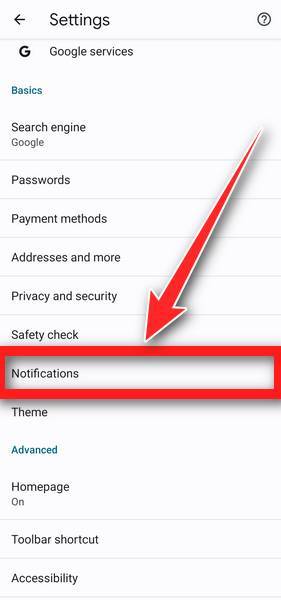
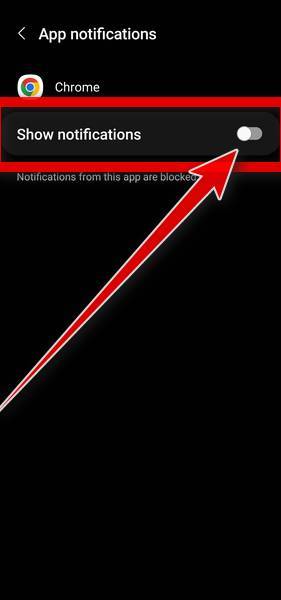
- In the “App notifications” menu, find the spam site under Sites and toggle it off. To block all browser notifications at once, turn off the main Show notifications switch instead.
Remove Spam Notifications from Firefox for Android
To stop the spam notifications, we’ll reset Firefox to its default settings. This clears the cookies, cache, and site permissions that allow the spam site to send notifications.
-
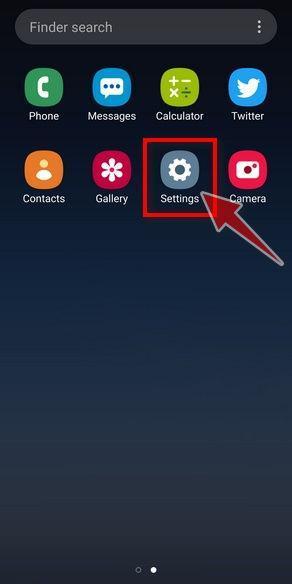
Open the Settings app
Tap the “Settings” app on your phone’s home screen or app menu.
-
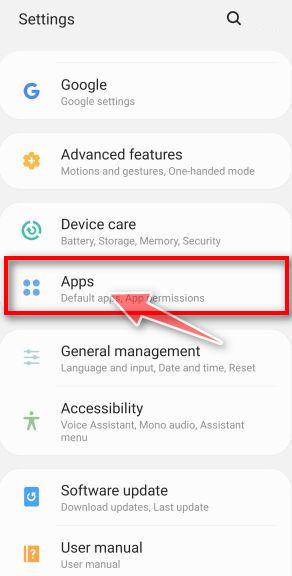
Tap on “Apps”
In the Settings menu, tap “Apps” (or “App Manager” on some phones) to see all your installed applications.
-
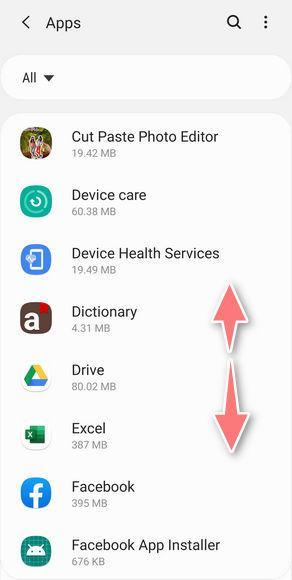
Find and tap on Firefox
Scroll through the list of apps until you find Firefox, then tap it to open the app’s details.
-
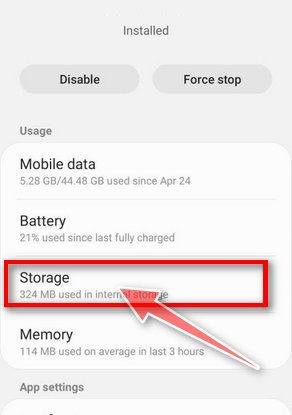
Tap “Storage”
On the Firefox app info screen, tap “Storage“.
-
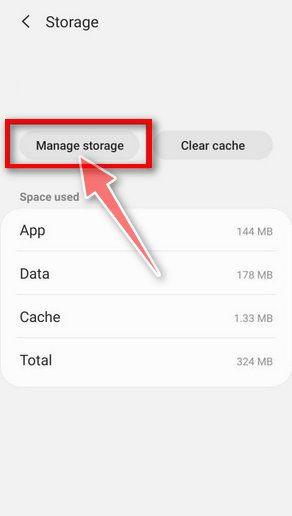
Tap “Manage Space”
You’ll see two options — Manage Space and Clear Cache. Tap “Manage Space“.
-
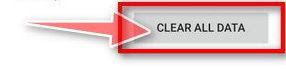
Tap “Clear all data”
Tap “Clear all data” to reset Firefox to its default settings.
-
Confirm by tapping “Ok”
A confirmation dialog will list what’s about to be reset. Tap “Ok” to finish. The spam notifications are now gone.
Remove Spam Notifications from Opera
To stop the spam notifications, we’ll reset Opera to its default settings. This clears the cookies, cache, and site permissions that allow the spam site to send notifications.
-
Open the Settings app
Tap the “Settings” app on your phone’s home screen or app menu.
-
Tap on “Apps”
In the Settings menu, tap “Apps” (or “App Manager” on some phones) to see all your installed applications.
-
Find and tap on Opera
Scroll through the list of apps until you find Opera, then tap it to open the app’s details.
-
Tap “Storage”
On the Opera app info screen, tap “Storage“.
-
Tap “Manage Space”
You’ll see two options — Manage Space and Clear Cache. Tap “Manage Space“.
-
Tap “Clear all data”
Tap “Clear all data” to reset Opera to its default settings.
-
Confirm by tapping “Ok”
A confirmation dialog will list what’s about to be reset. Tap “Ok” to finish. The spam notifications are now gone.
Remove Spam Notifications from Brave
To stop the spam notifications, we’ll reset Brave to its default settings. This clears the cookies, cache, and site permissions that allow the spam site to send notifications.
-
Open the Settings app
Tap the “Settings” app on your phone’s home screen or app menu.
-
Tap on “Apps”
In the Settings menu, tap “Apps” (or “App Manager” on some phones) to see all your installed applications.
-
Find and tap on Brave
Scroll through the list of apps until you find Brave, then tap it to open the app’s details.
-
Tap “Storage”
On the Brave app info screen, tap “Storage“.
-
Tap “Manage Space”
You’ll see two options — Manage Space and Clear Cache. Tap “Manage Space“.
-
Tap “Clear all data”
Tap “Clear all data” to reset Brave to its default settings.
-
Confirm by tapping “Ok”
A confirmation dialog will list what’s about to be reset. Tap “Ok” to finish. The spam notifications are now gone.
Remove Spam Notifications from Samsung Internet Browser
To stop the spam notifications, we’ll reset Samsung Internet to its default settings. This clears the cookies, cache, and site permissions that allow the spam site to send notifications.
-
Open the Settings app
Tap the “Settings” app on your phone’s home screen or app menu.
-
Tap on “Apps”
In the Settings menu, tap “Apps” (or “App Manager” on some phones) to see all your installed applications.
-
Find and tap on Samsung Internet Browser
Scroll through the list of apps until you find Samsung Internet Browser, then tap it to open the app’s details.
-
Tap “Storage”
On the Samsung Internet Browser app info screen, tap “Storage“.
-
Tap “Manage Space”
You’ll see two options — Manage Space and Clear Cache. Tap “Manage Space“.
-
Tap “Clear all data”
Tap “Clear all data” to reset Samsung Internet Browser to its default settings.
-
Confirm by tapping “Ok”
A confirmation dialog will list what’s about to be reset. Tap “Ok” to finish. The spam notifications are now gone.
Remove Spam Notifications from Microsoft Edge
To stop the spam notifications, we’ll reset Edge to its default settings. This clears the cookies, cache, and site permissions that allow the spam site to send notifications.
-
Open the Settings app
Tap the “Settings” app on your phone’s home screen or app menu.
-
Tap on “Apps”
In the Settings menu, tap “Apps” (or “App Manager” on some phones) to see all your installed applications.
-
Find and tap on Microsoft Edge
Scroll through the list of apps until you find Microsoft Edge, then tap it to open the app’s details.
-
Tap “Storage”
On the Microsoft Edge app info screen, tap “Storage“.
-
Tap “Manage Space”
You’ll see two options — Manage Space and Clear Cache. Tap “Manage Space“.
-
Tap “Clear all data”
Tap “Clear all data” to reset Microsoft Edge to its default settings.
-
Confirm by tapping “Ok”
A confirmation dialog will list what’s about to be reset. Tap “Ok” to finish. The spam notifications are now gone.
STEP 2: Use Malwarebytes for Android to remove malware and malicious apps
Next, we’ll install Malwarebytes for Android and run a scan to find and remove any adware or malicious apps hiding on your phone — the ones that may have triggered the spam notifications in the first place.
Malwarebytes for Android automatically detects and removes dangerous threats like malware and ransomware so you don’t have to worry about your most-used device being compromised. Aggressive detection of adware and potentially unwanted programs keeps your Android phone or tablet running smooth.
-
Download Malwarebytes for Android.
You can download Malwarebytes for Android by clicking the link below.
Get Malwarebytes for AndroidOpens Google Play in a new tab.Want real-time protection? See Malwarebytes Premium for AndroidMalwarebytes for AndroidScans your phone and removes malware at no cost -
Install Malwarebytes for Android on your phone.
In the Google Play Store, tap “Install” to install Malwarebytes for Android on your device.

When the installation process has finished, tap “Open” to begin using Malwarebytes for Android. You can also open Malwarebytes by tapping on its icon in your phone menu or home screen.

-
Follow the on-screen prompts to complete the setup process
When Malwarebytes will open, you will see the Malwarebytes Setup Wizard which will guide you through a series of permissions and other setup options.
This is the first of two screens that explain the difference between the Premium and Free versions. Swipe this screen to continue.
Tap on “Got it” to proceed to the next step.
Malwarebytes for Android will now ask for a set of permissions that are required to scan your device and protect it from malware. Tap on “Give permission” to continue.
Tap on “Allow” to permit Malwarebytes to access the files on your phone.
-
Update database and run a scan with Malwarebytes for Android
You will now be prompted to update the Malwarebytes database and run a full system scan.

Click on “Update database” to update the Malwarebytes for Android definitions to the latest version, then click on “Run full scan” to perform a system scan.

-
Wait for the Malwarebytes scan to complete.
Malwarebytes will now start scanning your phone for adware and other malicious apps. This process can take a few minutes, so we suggest you do something else and periodically check on the status of the scan to see when it is finished.

-
Click on “Remove Selected”.
When the scan has been completed, you will be presented with a screen showing the malware infections that Malwarebytes for Android has detected. To remove the malicious apps that Malwarebytes has found, tap on the “Remove Selected” button.

-
Restart your phone.
Malwarebytes for Android will now remove all the malicious apps that it has found. To complete the malware removal process, Malwarebytes may ask you to restart your device.
Your phone should now be free of the Yourrottastudio.com push notifications ads and other malware.
If you are still having problems with your phone after completing these instructions, then please follow one of the steps:
- Restore your phone to factory settings by going to Settings > General management > Reset > Factory data reset.
- Ask for help in our Mobile Malware Removal Help & Support forum.
Frequently Asked Questions About the Yourrottastudio.com Scam
What is Yourrottastudio.com?
Yourrottastudio.com is a malicious website that bombards visitors with disruptive pop-up spam notifications. After tricking users into enabling browser notifications, unwanted pop-up ads persistently appear promoting adult content, gambling sites, fake antivirus alerts and other questionable products even when the browser is closed.
How does the Yourrottastudio.com scam work?
The website relies on social engineering tactics to manipulate users into enabling browser notifications. After landing on the page during a redirect or while accessing questionable content online, visitors are prompted with messages stating notifications must be allowed to watch a video or “prove you’re not a robot.” Once enabled, persistent desktop pop-up ads ensue.
Why is Yourrottastudio.com so difficult to remove?
The website utilizes browser push notifications to bypass pop-up blockers and send content directly to a user’s desktop. Even after closing out of the browser, notifications continue appearing. Disabling notifications for the site and scanning for adware/malware infections is required to stop disruptive pop-up spam.
What types of pop-ups does Yourrottastudio.com send?
Those infected report intrusive pop-up ads promoting adult webcam shows, gambling sites suggesting guaranteed earnings, fake browser updates threatening device security, AdultFriendFinder spam, and “prize winner” scams. The spam clicks lead to dangerous affiliate offers and malware.
How did Yourrottastudio.com infect my computer?
Potential infection vectors include clicking compromised ads on streaming sites, torrent platforms or adult tubes, opening email spam links, installing adware-laden software bundles, or visiting sites already infected with browser hijackers. The redirects eventually land on the Yourrottastudio.com notification prompt.
How do I disable notifications from Yourrottastudio.com?
Open browser settings, navigate to the Notifications or Site Permissions menu, click Manage for notifications access, and search for Yourrottastudio.com to block/disable notifications from the domain directly through these browser controls. This prevents more pop-ups without removing previous infections.
How do I fully remove Yourrottastudio.com spam from my system?
In addition to disabling notifications in browser settings, run anti-malware scans with Malwarebytes and HitmanPro to find and eliminate infections responsible for persistent pop-up spam outside the browser. Reset the browser to factory defaults afterward and clear Temporary Internet Files/cache to erase tracking cookies.
How do I avoid the Yourrottastudio.com scam in the future?
Be extremely cautious before enabling browser notifications for unfamiliar domains. Look for manipulation tactics surrounding notification access prompts suggesting it’s mandatory to watch videos or “prove you’re human.” Legitimate websites will never demand notification access under false pretenses or badger users. Avoid viewing questionable content prone to abusive advertising tactics overall.
The Bottom Line
The Yourrottastudio.com website exemplifies malicious actors manipulating browser notification prompts to bombard victims with disruptive pop-up ads. By social engineering users into allowing notifications under false pretenses, scam operators grant themselves limitless access for spam delivery.
If you encounter a browser pop-up asking you to enable notifications, exercise extreme caution – no matter how harmless the website seems. Look for red flags like claims that notifications are needed to watch video content or “prove you are human”. Legitimate sites will not demand access or misrepresent why notifications are required.
Should you fall victim to this prolific scam campaign, immediately disable notifications directly in your browser settings for the site in question. Be sure to scan for malware, reset the browser to factory defaults, and clear Temporary Internet Files to eliminate intrusive ads entirely.
Stay vigilant for notification prompt manipulation on unfamiliar websites – and think twice before clicking “Allow” without understanding the implications. Following safe browsing practices will help users avoid falling into the trap of relentless Yourrottastudio.com pop-up spam.








