
Security News Crypto investment scam sends couriers to collect victims' cash, FBI warns

Brownie2019

Level 23
Thread author
Verified
Well-known
Forum Veteran
Mar 9, 2019
1,035
5,297
2,168
Germany
Online investment scams have evolved beyond fake websites and fraudulent trading apps.
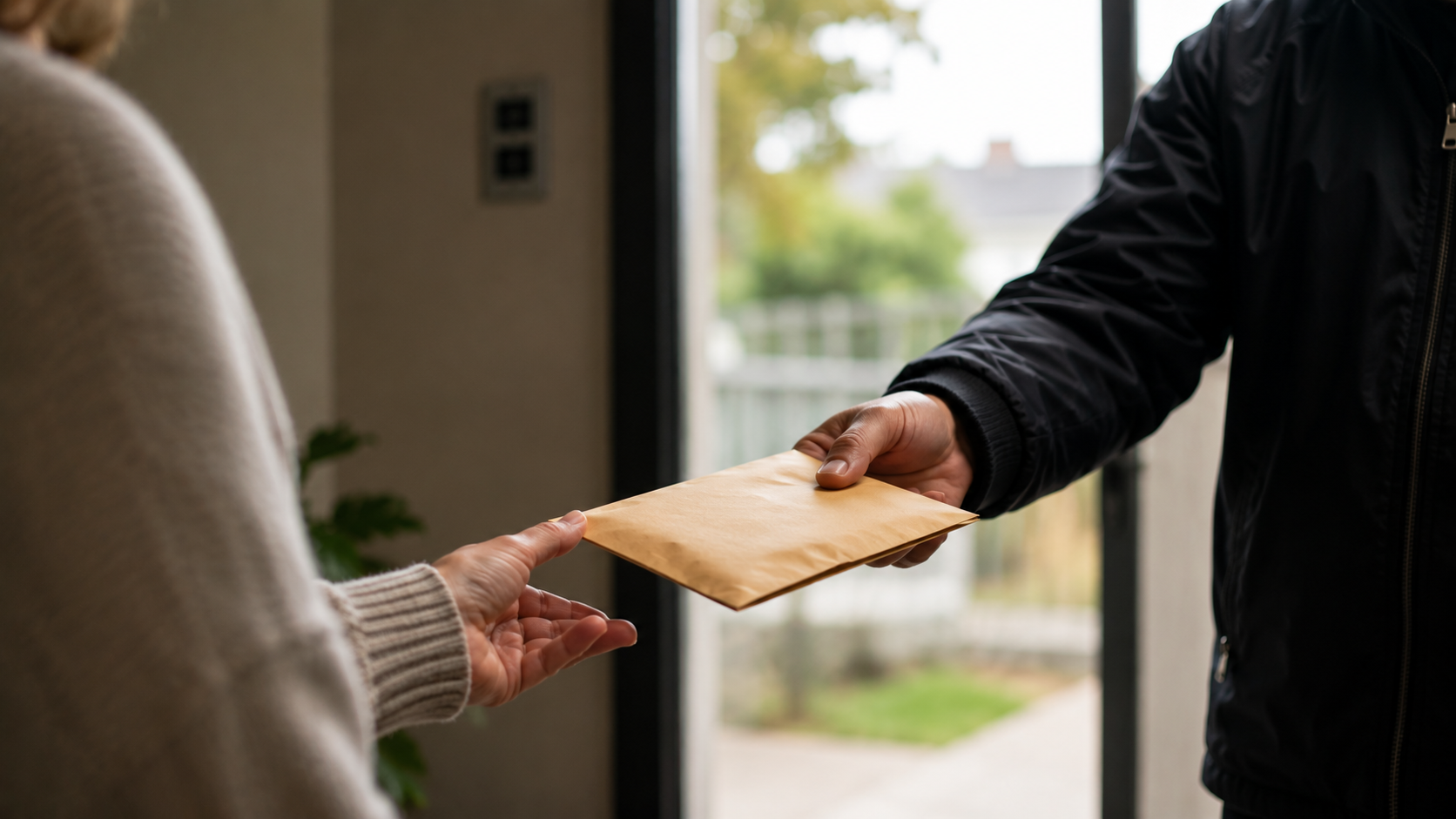
According to a warning from the FBI's Internet Crime Complaint Center (IC3), scammers are increasingly dispatching real-world couriers to collect cash directly from victims' homes and public meeting locations as part of cryptocurrency investment scams.

The tactic adds a troubling offline component to a scam category that already costs victims billions of dollars each year.

Key takeaways
The FBI warns that cryptocurrency investment scammers are using couriers to collect cash from victims in person
The interaction typically starts on social media
Victims are often persuaded to invest via fake crypto platforms that display fabricated profits
Criminals may claim cash pickups are necessary because banks blocked transfers or because additional fees are required to unlock funds
Older adults are frequent targets
Data from the Bitdefender 2025 Consumer Cybersecurity Survey shows that social media is fraudsters’ preferred scam-delivery system
Victims are urged to report incidents to IC3 and preserve all evidence
How the scam works
Read the full Story:
 
Online investment scams have evolved beyond fake websites and fraudulent trading apps.


Read the full Story:
This is a significant (and unfortunately growing) shift: scammers are blending online “crypto investment” fraud with an offline cash-collection step to bypass bank controls and make the scam feel more “real.”

Why the courier tactic is effective (and dangerous)
  • It avoids bank transfer friction and fraud warnings, because the victim is handing over physical cash.
  • It increases psychological pressure: a “pickup” appointment feels like a legitimate process step.
  • It creates urgency with excuses like “bank transfer blocked,” “tax/fee required,” or “verification needed to unlock profits.”
  • It adds personal-safety risk, because the victim is meeting (or being visited by) a criminal courier.

Common red flags to highlight in the discussion
  • “Guaranteed” or unusually consistent profits shown on a platform/app you can’t independently verify.
  • Pressure to move the conversation off-platform (social media/DMs to WhatsApp/Telegram).
  • Requests for “fees,” “tax,” “upgrade,” or “unlock” payments before you can withdraw.
  • Instructions to buy crypto/gift cards, use ATMs/kiosks, or hand cash to a courier.
  • A “support agent” who insists the only solution is cash pickup or secrecy (“don’t tell your bank/family”).

What to do if someone is asked to hand cash to a courier
  • Do not meet the courier and do not hand over cash. Treat it as fraud and a personal-safety issue.
  • Stop all communication with the scammers immediately.
  • Preserve evidence: screenshots of chats, phone numbers, emails, wallet addresses, platform URLs, transaction records, and any “instructions” for the pickup.
  • Report promptly to IC3 and local law enforcement (the in-person courier element can make local reporting more actionable).
  • If any money was sent via bank/wire/card/crypto exchange, contact the provider immediately and ask about fraud holds/recall options (timing matters).

Extra safety notes (especially for older adults and families)
  • Warn about “recovery scams”: after reporting or posting online, a second scammer may claim they can “recover your funds” for a fee. That is almost always another fraud attempt.
  • Consider a simple family rule: no investment decisions or transfers under time pressure; verify using a trusted, independent channel first.
  • If personal data was shared, consider credit freeze/monitoring and password resets (starting with email accounts).

Best next step for victims
File a report with the FBI IC3 and include every detail you have (dates, amounts, platform names, courier instructions, descriptions, wallet addresses). Keeping the evidence organized increases the chances your report can be correlated with other cases.

Sources
 
  • Like
Reactions: Zero Knowledge