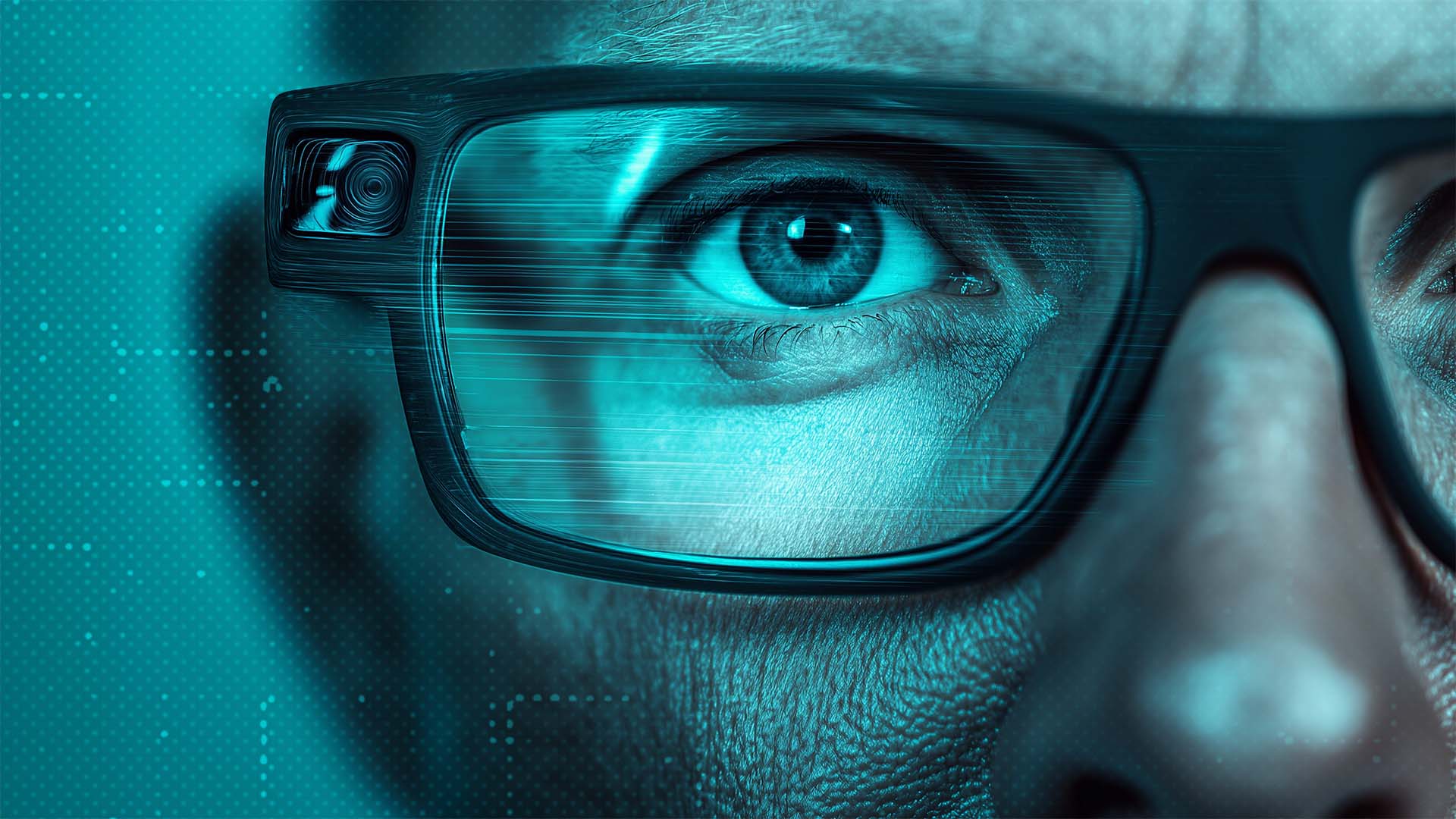
Privacy News Eyes wide open: How to mitigate the security and privacy risks of smart glasses

Khushal

Level 15
Thread author
Verified
Top Poster
Well-known
Apr 4, 2024
731
4,573
1,369
Fashion and many other trends have a way of reappearing every few years. So we probably shouldn’t be surprised that smart glasses are doing the rounds once more, after a failed attempt by Google to popularize them over a decade ago. The difference this time round is that they’re not just more stylish – and arguably harder to tell from regular shades. They’re also packed with far more powerful technology, capable of tracking and recording their surroundings, and allowing the user to ask AI about the things they can see around them.

This presents significant security and privacy risks for both smart glasses users and the people they interact with.

 
Smart glasses do raise real privacy concerns, but the risk depends a lot on how the device is designed and how it is used.

Main concerns
  • Passive recording: Small cameras and microphones can make it difficult for bystanders to tell when recording is happening.
  • AI-assisted analysis: If the glasses can identify objects, text, locations, or possibly faces, that increases the amount of data being processed about the environment.
  • Cloud dependency: Some features may send audio, images, or queries to remote servers, which creates additional privacy and data retention concerns.
  • Account compromise: If the linked account is weakly protected, stored media and connected services could be exposed.
  • Workplace or public-space misuse: These devices may create legal or policy issues in offices, schools, medical settings, and other sensitive locations.

Practical mitigation steps
  • Review the vendor’s privacy policy and documentation before enabling AI or cloud features.
  • Use a strong unique password and enable two-factor authentication on the associated account.
  • Disable features you do not need, especially always-on voice activation, cloud uploads, and location history if those options exist.
  • Keep firmware and companion apps updated.
  • Be cautious about wearing them in places where recording could expose private or regulated information.
  • If you are around someone using them, assume that audio or video capture may be possible unless the device clearly indicates otherwise.

Broader point

The biggest issue is not only the hardware itself, but the combination of discreet sensors, AI interpretation, and cloud services. That can turn ordinary day-to-day interactions into a privacy problem very quickly.

Conclusion

So yes, the concerns in the quoted article are reasonable. Smart glasses are not automatically dangerous, but they do deserve the same kind of scrutiny people already apply to smartphones, smart speakers, and other always-connected devices.
 
😧
Meta isn’t the only tech giant rolling out smart glasses. Google, Apple, Amazon and a host of Chinese players are said to be developing similar products. Unfortunately, many prioritize competitive advantage over users’ rights. Keep a close eye on developments to ensure your security and privacy don’t suffer as a result.