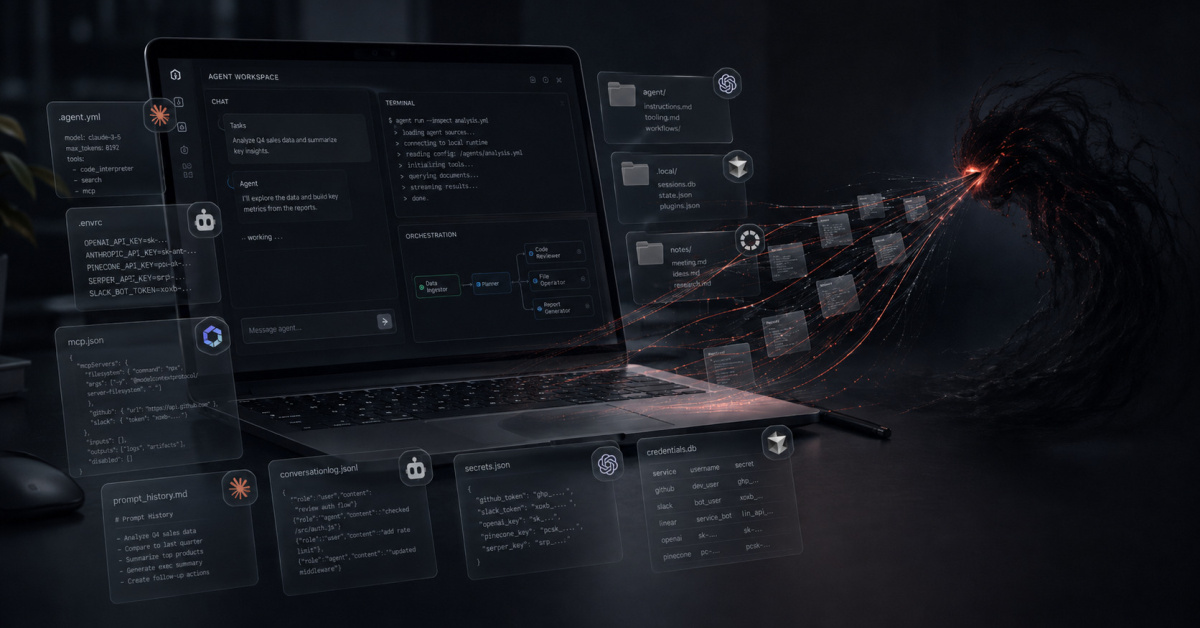
Our analysis of recent information-stealer collection rules found a much newer category alongside the familiar browser, wallet, and credential targets: local data associated with Claude, Cline, Codex, Continue, Cursor, OpenCode, and other AI-assisted development tools.
This was not an isolated experiment: over a three-month period, our Windows telemetry recorded Amatera and Remus detections among tens of thousands of protected users.
Amatera targets data associated with Cline and Continue, while
Remus targets Claude, Cursor, and OpenCode. The figures may overlap and describe detections rather than successful infections, but they show that AI agent data has already entered the information-stealer economy.
What the malware is collecting goes far beyond harmless preferences. Depending on the agent and its configuration, local files may contain access and refresh tokens, credentials stored in MCP configurations, prompt histories, conversation databases, account details, and traces of the projects a developer has been working on. In one archive, an attacker may obtain both the means to access an account and the context needed to understand what is valuable behind it.
Malware operators are expanding beyond browser passwords and crypto wallets to collect access tokens, MCP configurations, prompt histories and project data stored by AI tools.

www.gendigital.com
Our findings focus primarily on locally installed coding agents and agentic developer tools, and they do not point to a new way of compromising the device or to a vulnerability in an AI model or agent. The information stealer is already running; what has changed is the concentration of valuable information in predictable locations, sometimes in plaintext, and the ease with which those locations can be added to an existing collection list.