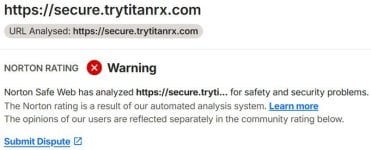
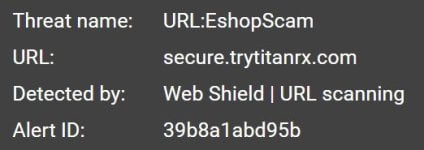
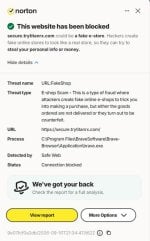
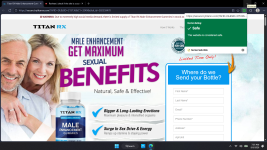
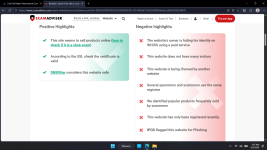
It is extremely concerning and unacceptable for a well-known security product like Norton Safe Web to classify websites as “Safe” when those same websites are already identified as phishing or fraudulent by other security providers.The website in question is fraudulent, yet Norton’s product is telling consumers that it is safe to visit. This creates a serious security risk because users may reasonably trust Norton’s rating and proceed to a website that could potentially steal their personal information, credentials, or financial data.If Norton has not yet tested or determined the reputation of a website, it would be far more responsible to classify it as “Unknown,” “Not Tested,” or “Unrated” rather than incorrectly labeling it as “Safe.” There is a significant difference between not knowing whether a website is dangerous and confirming that a website is safe. Norton should not give consumers a false sense of security.
This is an issue that Norton needs to address, particularly if the Safe Web extension is not being maintained with the same level of attention and up-to-date threat intelligence that users expect from a major security company. If Norton cannot reliably maintain the extension and its threat feeds, continuing to present potentially fraudulent websites as “Safe” puts users at unnecessary risk.There was a time when Symantec operated Safe Web and its threat intelligence was more closely integrated with its security infrastructure. At that time, the service appeared to be much more effective at keeping website reputation information current and accurately identifying threats. Norton should seriously review how Safe Web determines website reputation, how frequently its threat intelligence is updated, and how it handles websites that have already been identified as malicious by other reputable security providers.
A security product should err on the side of protecting its users not reassuring them that a potentially fraudulent website is safe when it has not been adequately evaluated Thoughts on this?
This is an issue that Norton needs to address, particularly if the Safe Web extension is not being maintained with the same level of attention and up-to-date threat intelligence that users expect from a major security company. If Norton cannot reliably maintain the extension and its threat feeds, continuing to present potentially fraudulent websites as “Safe” puts users at unnecessary risk.There was a time when Symantec operated Safe Web and its threat intelligence was more closely integrated with its security infrastructure. At that time, the service appeared to be much more effective at keeping website reputation information current and accurately identifying threats. Norton should seriously review how Safe Web determines website reputation, how frequently its threat intelligence is updated, and how it handles websites that have already been identified as malicious by other reputable security providers.
A security product should err on the side of protecting its users not reassuring them that a potentially fraudulent website is safe when it has not been adequately evaluated Thoughts on this?