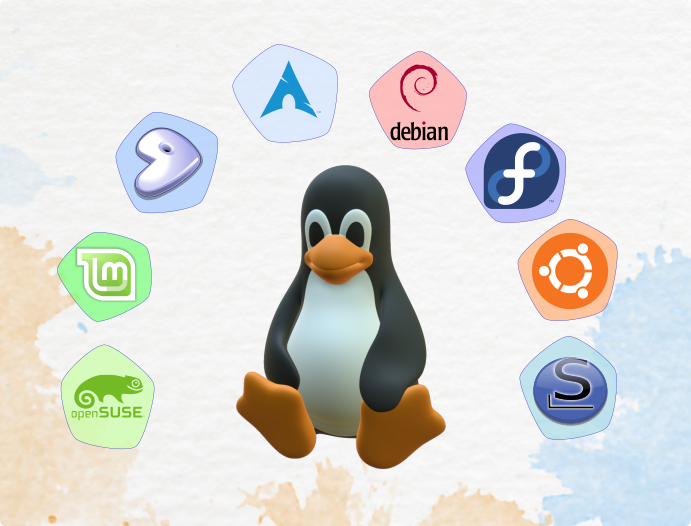
That's basically the situation today. The "big three" distros are Debian, Arch Linux, and Fedora. Otherwise, there are a few other lone wolves with unique package managers and philosophies: openSUSE, Gentoo, Slackware, NixOS.
Everything else is just a minor fork of these. Building a real, independent distro is out of reach for most projects. It's like reinventing the wheel. Amazon, for example, based Amazon Linux on Fedora. SteamOS is based on Arch Linux.
There's a small handful of "real" distros, while the dozens of other options are just forks of the main distros. Why the small forks? There are several motivations:
- Usability and app curation: This is the biggest. You just want a major distro to look different and come with a different selection of default apps, which can make it friendlier and more accessible.
- Philosophical splits: Sometimes you don't like a new decision by a major distro, e.g. systemd migration. Then you might fork it without systemd.
- Optimization: A good example is CachyOS. Major distros want to maintain broad CPU support and stability, so they don't tap modern CPU instructions/optimizations like they could.
- Security or update cycles: A minor fork can apply niche hardening that doesn't work in the mainstream. They may either want faster package updates, or conversely, slower and better tested package updates.




 OT is you new FZ avatar from the period he talked in the Johhny Carson show (when I recall right about copy right and privacy)?