artichokedelics
New Member
I want to use it to bypass geo-blockings. Traditional VPNs get flagged easily now. Any recommendations?


Open MalwareTips from your Home Screen or desktop. Follow discussions, find answers and pick up where you left off.
If you cannot find an install option, update your browser or use its bookmark option to keep MalwareTips close.
After installation, open the app and sign in. Enable push notifications in Preferences if you want alerts. On iPhone and iPad, push requires a Home Screen web app and iOS or iPadOS 16.4 or later.
Sign in to manage notificationsInstallation is optional. Your notification settings stay under your control.

For legitimate access, use a service supported by the content provider rather than trying to evade VPN detection.I want to use it to bypass geo-blockings. Traditional VPNs get flagged easily now. Any recommendations?

Just curious what other's experience.LOL Okay..... Is it to hard to Google now? What about A.I? Honestly just search residential proxy + .RU + hacking forum. That should do you good.
Mate it's not hard, just browse reddit or google for reseller bots & residential proxies and you will get the best results.Just curious what other's experience.
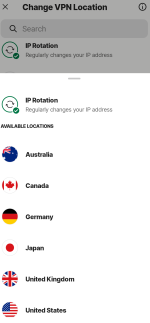
Thanks for the recommendation. Are you currently using it? Also curious that I saw on Reddit that people mentioned the DPN App provides residential IPs as well. Might give both a try.MysteriumVPN offers residential IP addresses.
As for speed, it all depends on the node (the bandwidth allocated by the person hosting the node on their connection).

Thanks for the recommendation. Are you currently using it? Also curious that I saw on Reddit that people mentioned the DPN App provides residential IPs as well. Might give both a try.

Because he probably wants to do something dodgy or illegal. The only reason you would want to use residential proxies is for hacking or bots.why not just get Dedicated IP or residential IP from someone like surfshark NordVPN or PureVPN
Actually no, it's just I travel a lot for work, regular(?) / typical VPNs get blocked in highly censorship countries and sometimes I need it to tunnel my home country for bank stuff. That's why want to hear from the community's experience.Because he probably wants to do something dodgy or illegal. The only reason you would want to use residential proxies is for hacking or bots.
Members who viewed this thread in the last 5 minutes