

With summer heatwaves becoming more intense each year, cooling devices like portable air coolers are in high demand. AiraBreeze Air Cooler is one such product that has exploded in popularity recently. But is it truly as effective as advertised or just another dropshipping operation? This article provides an in-depth investigation into AiraBreeze to determine if it’s worth your money.
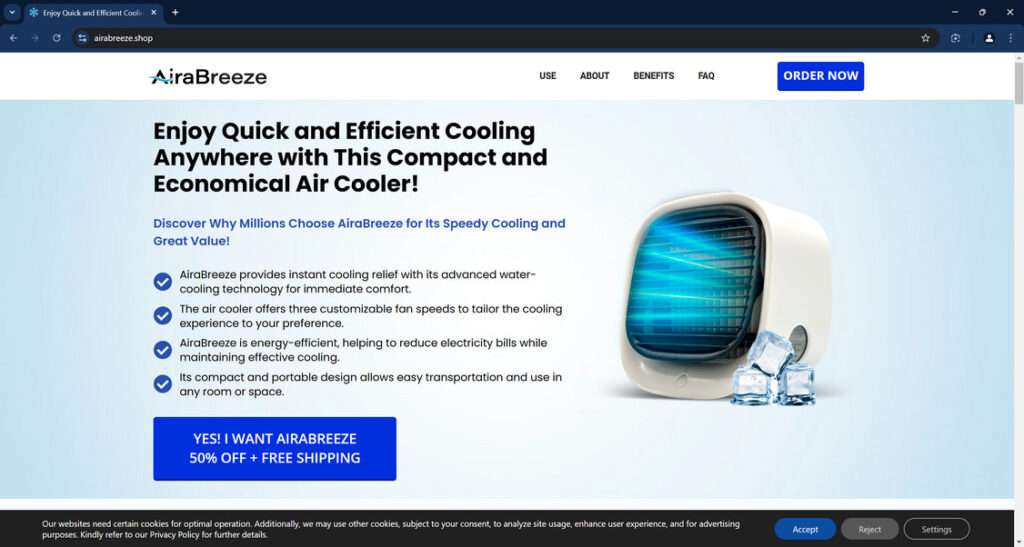
Overview of AiraBreeze Air Cooler
AiraBreeze Air Cooler is marketed as a compact, portable evaporative cooler that uses water to cool the surrounding air. The company claims it provides instant cooling relief, helps reduce electricity bills, and can be used anywhere thanks to its portable design.
Some of the advertised key features and benefits include:
- Advanced water cooling technology for rapid cooling
- Quiet operation without noisy compressor
- Portable and lightweight design
- Lower energy consumption than traditional ACs
- Customizable fan speeds
- Tip-over protection for safety
The device is priced at around $100 on different websites, with additional discounts and free shipping offered.
Digging into the AiraBreeze Company
First, we need to look at who is behind the AiraBreeze brand. The official website provides limited information about the company itself. There is no “About Us” page or company history.
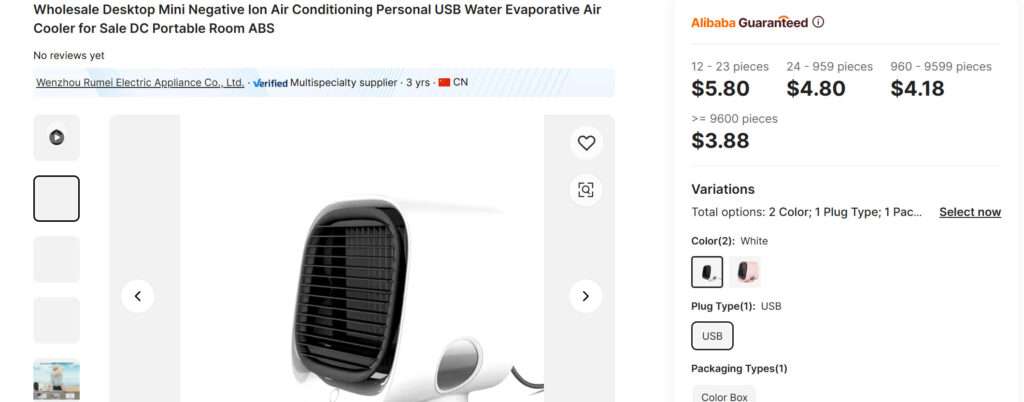
Searching online reveals that AiraBreeze Air Cooler is sold through numerous websites with different domain names. Many of these sites have identical web pages, text, images, and pricing.
This indicates that AiraBreeze is likely a white label product that is dropshipped by various third-party sellers. The actual manufacturer remains unclear.
The website registration details for AiraBreeze show it was registered very recently in November 2024 through a domain privacy service. This short history makes the company difficult to evaluate.
Questionable Marketing Tactics
A closer examination of the AiraBreeze sales page reveals some questionable marketing tactics that are often red flags of an unreliable product.
- Lack of customer reviews – There are no reviews, testimonials or ratings from past customers. For a product that claims to be very popular, this is suspicious.
- False scarcity – The site claims “limited quantity available” and uses countdown timers to create a false sense of scarcity. This pressurizes customers to buy before stock runs out.
- Unsubstantiated claims – Many claims about the cooler’s performance are not backed by any data or certification specs. There’s no evidence given for them.
- Affiliate disclaimer – At the bottom, a disclaimer reveals the site earns commission for directing sales traffic to the product. This suggests motivations to exaggerate claims.
These tactics aim to hurry visitors into purchasing before properly evaluating the product. They are common tricks of untrustworthy brands.
Product Details Raise More Doubts
Looking closer at the product itself and how it works also uncovers some issues:
- No spec details are provided about cooling power, tank capacity, airflow, or other performance metrics.
- Evaporative cooling requires continuous water refills which may be inconvenient for practical use.
- Cooling large spaces is unrealistic but the ads exaggerate the coverage. Real-world testing would not achieve the claims.
- Noise level is another key factor but is not addressed. Most evaporative coolers have loud fans.
Without transparency about real product capabilities or independent testing, it’s impossible to verify whether it can deliver the advertised cooling performance.
Lack of Customer Service and Warranties
If a product develops issues or faults, customer service and warranties become crucial. Yet AiraBreeze offers minimal support channels:
- No phone number or live chat is available – only an email address. Slow responses are likely.
- The website has no mentioned warranties or return policy mentioned. Consumer protections are unclear.
- No refund policy is listed. Returns appear difficult or impossible based on other customer reports.
This lack of support should be a major warning for potential buyers. If the device fails or underperforms, customers may have no recourse.
The Verdict: Avoid AiraBreeze Air Cooler
With exaggerated ad claims, no real proof of effectiveness, shady marketing tactics, lack of transparency, and increasing negative customer experiences, the evidence overwhelmingly points to the AiraBreeze Air Cooler being an unreliable purchase at best or an outright scam at worst.
The risk of receiving a cheap, ineffective product with no customer support simply seems too high for the price. Customers are better off avoiding these questionable portable coolers and considering proven quality alternatives from reputable brands.
Portable air coolers can provide an affordable way to stay comfortable in hot weather. But models from unknown companies like AiraBreeze require thorough scrutiny before buying to avoid disappointment. We recommend sticking with trusted and established manufacturers with a proven performance track record if you want a product that actually works as advertised.
Beware of These Red Flags When Air Cooler Shopping:
- No real customer reviews anywhere
- Only available on suspicious websites
- Vague or exaggerated performance claims
- No phone support or clear returns policy
- False scarcity and countdown timers
- Misleading celebrity endorsements
- Affiliate disclaimers and incentives to sell
Do your own thorough research before purchasing any air cooler online. Vet the company reputation, production capabilities, and real-world customer experiences to make sure your purchase decision is based on fact, not fiction. Avoid wasting money on products that seem too good to be true.








