

In recent months, a growing number of consumers across the United States, Europe, and other regions have fallen victim to fraudulent online shopping websites registered or operating out of Limassol, Cyprus. These websites appear professional, offer massive discounts, and mimic legitimate e-commerce platforms. But behind the glossy storefront is a sophisticated subscription scam network designed to quietly drain consumers’ bank accounts through recurring unauthorized charges.
If you’ve encountered a suspicious shopping site with a Cyprus address, you’re not alone. This article takes a deep look at this international subscription fraud operation, showing exactly how it works, why Limassol has become a common hub, what red flags to look for, and—crucially—what to do if you’ve already fallen victim.
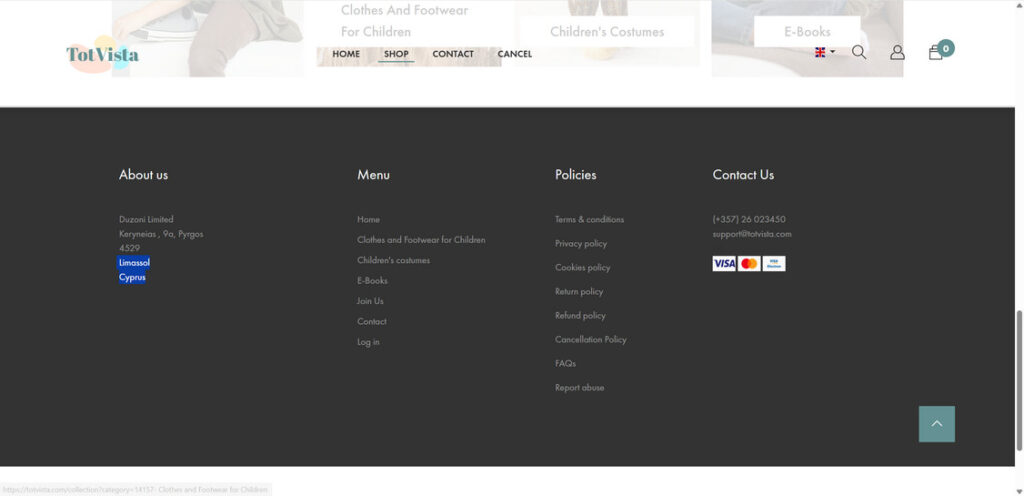
Scam Overview: The Rise of the Limassol, Cyprus Subscription Trap
A Global Scam Network Hiding Behind Local Addresses
The fraudulent shopping websites connected to Limassol, Cyprus are not typical one-off scam shops. Instead, they form part of a large, structured network that launches, operates, and abandons dozens (sometimes hundreds) of websites every month.
These sites are typically fronts for subscription billing schemes. A user thinks they are buying a one-time product—perhaps a trendy gadget, fashion item, or “free” trial. In reality, they are agreeing (often through fine print) to be billed monthly for hidden subscriptions that have nothing to do with the product itself.
Investigations by consumer watchdogs, security researchers, and major banks reveal common patterns:
- The websites use Limassol, Cyprus addresses (sometimes real business centers, sometimes virtual mailboxes) in their Terms of Service or Contact pages.
- Payments are processed through international payment gateways, often routing through Cyprus or other low-regulation jurisdictions.
- Merchant descriptors on victims’ credit card statements include vague labels—sometimes an abbreviation or random code—making it hard to identify the source of the charge.
The end result: a scam that looks legal on paper but is structured to extract recurring payments from unsuspecting consumers for as long as possible.
Why Limassol, Cyprus?
Cyprus has gained attention in recent years as a registration hotspot for online businesses, particularly in industries like finance, marketing, and e-commerce.
This happens for several reasons:
- Favorable tax structures and regulations that make it easy and cheap to register a company remotely.
- Availability of virtual office services, allowing scammers to list a legitimate address without ever stepping foot in the country.
- Limited cross-border enforcement capacity, making it harder for international victims to recover losses.
- Access to European payment networks, which helps scammers look more legitimate to banks and card issuers.
Legitimate companies do operate out of Limassol, but scammers exploit this jurisdiction to add a veneer of credibility. A Cyprus address may reassure a shopper, who thinks, “At least this is an EU company.” Unfortunately, that false sense of security often leads to financial loss.
The Typical Fake Storefront
Most of these fraudulent Cyprus-linked sites follow the same visual and functional blueprint:
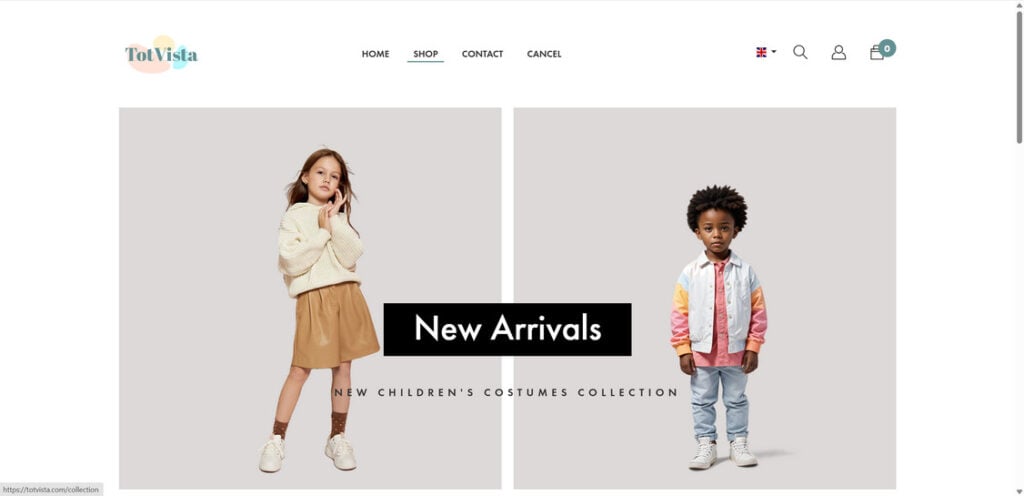
- Slick, modern-looking design with trendy product categories like electronics, clothing, kitchen gadgets, or “mystery boxes.”
- Massive discounts of 70–90% off normal prices.
- Promises of “free shipping,” “warehouse clearance,” or “last chance” deals.
- Poorly written Terms and Conditions with vague language about subscription charges.
- Minimal or fake contact information, often a Limassol address and a single email.
To the untrained eye, they look legitimate. But subtle inconsistencies—such as grammar errors, mismatched brand names, or suspiciously low pricing—hint at the underlying deception.
The Subscription Trap Model
The key feature of this scam is the subscription trap:
- A user thinks they are making a one-time purchase.
- Somewhere in the checkout process (often buried in tiny print), they “agree” to ongoing billing.
- After the first charge, recurring payments begin—usually $50 to $100 monthly.
- Cancellation is made intentionally difficult or impossible.
- Many users don’t even notice the charges until months later.
This model allows scammers to profit long after the first transaction and makes tracking them down harder, since they often abandon the domain and launch new ones every few weeks.
Real-World Consumer Reports
Reports from forums, consumer protection websites, and Reddit show consistent patterns:
- Victims receive vague merchant charges on their bank statements, often traced back to a Cyprus merchant account.
- The product ordered never arrives, or a cheap, unrelated item is shipped to make it harder to dispute the charge.
- Refund requests are ignored or bounced between fake “customer service” emails.
- Even when a victim manages to cancel, charges continue.
This kind of large-scale subscription fraud preys on trust and speed. Victims often act fast to get a “great deal” and only realize weeks later that they’ve been enrolled in an unwanted program.
How the Scam Works
Understanding the mechanics of this scam can help consumers recognize and avoid it early. Here’s a step-by-step breakdown of how the Limassol, Cyprus subscription scam typically unfolds.
Step 1: Aggressive Advertising and Impulse Targeting
The scam begins with attention-grabbing ads on platforms like Facebook, Instagram, Google Display Network, or TikTok. These ads often feature:
- Huge discounts (“90% OFF Today Only!”)
- Urgency triggers (“Limited stock!” “Flash sale ends at midnight!”)
- Fake endorsements from celebrities or influencers
- Images of popular gadgets, clothing, or beauty products
These ads are designed to bypass rational decision-making. The low prices and fake urgency push consumers to click without researching the company.
Scammers often use ad accounts that are burner accounts or stolen profiles. If one gets banned, they simply launch another.
Step 2: Fake but Convincing Online Storefront
Once the user clicks the ad, they land on a well-designed e-commerce site. This is where the operation starts to look legitimate:
- Professional-looking design (often a Shopify or WooCommerce clone)
- Stock product images taken from real stores
- Fake customer reviews and star ratings
- Trust badges like “McAfee Secure,” “Norton Secured,” or “Verified by Visa” (which are just images, not active security measures)
- “Free shipping” or “final clearance” messages to encourage instant checkout
Many of these sites are built using automated templates. It takes scammers only a few hours to launch a new one.
Step 3: Harvesting Personal and Financial Data
When a customer proceeds to checkout, they are prompted to enter:
- Full name and address
- Phone number and email
- Credit or debit card information
Some sites also request unnecessary personal details like birth date—information that could later be used for phishing or identity theft.
The payment page often uses a legitimate-looking payment processor interface, but behind the scenes, it may be linked to offshore merchant accounts.
Step 4: Hidden Subscription Agreement
The critical part of the scam happens during or after checkout:
- Somewhere in the Terms of Service or in a tiny checkbox (pre-ticked in some cases), there’s language about a recurring subscription.
- The victim unknowingly agrees to be charged a monthly fee after an initial “trial” or “one-time” purchase.
- No clear confirmation email is sent.
- In many cases, the subscription is not related to the product itself—it’s just a billing mechanism.
This deceptive technique is known as a “negative option trap”, which is illegal in many jurisdictions but still widely used by international scam networks.
Step 5: First Charge Goes Through
The victim’s card is charged for the initial amount, which may be:
- A small shipping fee (e.g., $5–$10)
- A discounted price for the product
- A hidden trial fee
This transaction serves two purposes:
- It tests the validity of the card.
- It establishes a recurring billing relationship with the payment processor.
Step 6: Recurring Charges Begin
A few days or weeks later, the second (and much larger) charge hits the victim’s account. Common characteristics of these charges include:
- Amounts between $50 and $100
- Vague or coded merchant descriptors
- No email notification
- No invoice or receipt
By the time most victims notice, multiple payments have already been processed.
Step 7: Nonexistent or Hostile Customer Service
When victims try to contact the website:
- Emails bounce back or are ignored.
- Support replies with generic scripted responses, designed to stall.
- Refunds are refused or contingent on impossible conditions (e.g., returning an item to an overseas warehouse at the victim’s expense).
- In some cases, victims are told the subscription is “non-refundable.”
This is an intentional strategy to exhaust and frustrate customers into giving up.
Step 8: Domain Shutdown and Rebranding
Once enough victims file chargebacks or the domain gets reported, the scammers simply:
- Abandon the domain
- Launch a new storefront with a different name but the same infrastructure
This is why tracking the scammers is difficult. Many domains are disposable, and they share the same Limassol, Cyprus company address.
Step 9: Expanding Through Affiliate Networks
To scale faster, these scam operators often partner with affiliate marketers who drive traffic to the fake stores in exchange for commissions. This gives them:
- Global reach
- Constant flow of new victims
- Layered operational anonymity
These affiliates may also use fake news articles, “as seen on TV” ads, or celebrity deepfakes to boost credibility.
What to Do If You Have Fallen Victim
If you’ve realized you’ve purchased something from a suspicious Cyprus-based shopping website or noticed unauthorized recurring charges, act quickly. The faster you respond, the better your chances of stopping future withdrawals and recovering your money.
Below is a detailed step-by-step action plan.
1. Contact Your Bank or Card Issuer Immediately
- Call the customer service number on the back of your card.
- Explain that the charge came from a fraudulent subscription.
- Request to block the merchant and cancel any recurring payment authorization.
- File a chargeback for unauthorized transactions.
- Consider freezing or replacing your card if the scammers have your details.
Banks and credit card networks often side with consumers in these cases, especially if you act quickly.
2. Look for and Cancel Hidden Subscriptions
Check:
- Online banking or card management apps for active recurring charges
- Payment gateways like PayPal (if used)
- Your email for any confirmation messages
Even if the subscription is not visible in your regular transactions, ask your bank to search for merchant IDs associated with Cyprus-based processors.
3. Document Everything
Gather and save:
- Screenshots of the website
- Checkout or confirmation pages
- Transaction details
- Emails exchanged with the merchant
- Notes from your bank conversation
This documentation will strengthen your chargeback claim and help if you report the scam to authorities.
4. Report the Fraud to Consumer Protection Agencies
Reporting is crucial—not just for your case but to help shut down the larger network. Depending on your location, you can contact:
- United States: Federal Trade Commission (FTC) – ReportFraud.ftc.gov
- European Union: European Consumer Centres Network (ECC-Net)
- United Kingdom: Action Fraud
- Global: econsumer.gov (cross-border complaint platform)
- Cyprus: Cyprus Consumers’ Association or the Consumer Protection Service of the Ministry of Energy, Commerce, and Industry
Include as much detail as possible, including merchant descriptor codes, URLs, and amounts charged.
5. Secure Your Personal Information
Since these scams also harvest personal data:
- Change your email password and enable two-factor authentication.
- Monitor your inbox for phishing attempts disguised as customer support.
- Be alert for identity theft warnings or suspicious account activity.
Consider using an identity monitoring service if your credit card, address, or phone number were exposed.
6. Share Your Experience to Warn Others
Post your story on:
- Consumer review platforms like Trustpilot or SiteJabber
- Scam reporting sites
- Forums or social media
When scam victims speak up, it increases the visibility of the fraud, making it easier for others to identify the danger before buying.
7. File a Police Report If Necessary
If the amount lost is significant or if your identity was compromised:
- File a local police report.
- Request a copy of the report to share with your bank or credit bureau.
- Depending on your country, this can also help support insurance or fraud claims.
Even if law enforcement can’t immediately recover the funds, reports help build cases against the operators over time.
8. Monitor Your Statements for Months
Scammers may attempt to bill you again, even months later. Keep a close eye on your:
- Credit and debit card statements
- Bank app transaction lists
- Email for any suspicious billing notifications
If new charges appear, report them to your bank immediately.
9. Educate Friends and Family
Many victims discover these scams through shared ads or group chats. Warn people close to you:
- Not to trust “too good to be true” deals from unknown stores
- To verify the legitimacy of shopping sites before entering card information
- To use payment methods with strong buyer protection
This helps prevent secondary victimization through social media shares.
How to Spot and Avoid Fake Limassol, Cyprus Shopping Websites
Identifying scam websites early is the best defense. Here are practical signs that a shopping site may be linked to the Limassol subscription scam:
Check Domain Age
- Use WHOIS or domain age tools.
- Scam sites are typically less than 6 months old.
Verify Company Details
- Search the listed Cyprus address on Google Maps.
- If it points to a virtual office or mailbox, it’s a red flag.
- Check for a legitimate company registration number.
Analyze Payment Options
- Legitimate sites offer multiple, secure payment options.
- Scams often push only credit cards, sometimes cryptocurrency.
- Lack of PayPal or clear refund policies is suspicious.
Examine Refund and Return Policies
- If the policy is vague, contradictory, or hidden, avoid the site.
- Watch for language that includes non-refundable subscriptions.
Look for Authentic Reviews
- Check Trustpilot, SiteJabber, or BBB.
- Lack of external reviews or only 5-star generic testimonials indicates manipulation.
Search for the Site Name + “Scam”
- A quick search like:
[site name] scam
[site name] reviews
[site name] complaints
often reveals existing victim reports.
Don’t Fall for Fake Urgency
- Countdown timers and “last chance” banners are common manipulation tactics.
- Real retailers rarely pressure customers like this.
Broader Impact: Why This Scam Is So Widespread
The Limassol Cyprus subscription scam isn’t a few bad actors—it’s an entire business model operating across multiple countries.
Several factors contribute to its persistence:
1. Jurisdictional Gaps
Cross-border e-commerce fraud is notoriously difficult to prosecute. Cyprus’s regulatory environment, combined with the global nature of online payments, creates jurisdictional gray zones that scammers exploit.
2. Automation
Scammers use automated storefront builders, allowing them to launch new domains in hours. This makes it hard for authorities to keep up.
3. Affiliate Marketing
By using affiliates to drive traffic, scammers distribute risk and make the operation harder to trace back to a single entity.
4. Delayed Discovery
Victims often don’t notice charges until weeks or months later, giving scammers a head start to profit and disappear.
5. Psychological Manipulation
These scams exploit impulse buying behavior and the false security consumers feel when they see a European address.
Frequently Asked Questions (FAQ)
Why are so many scam sites using Limassol, Cyprus addresses?
Because Cyprus offers low-barrier company registration, virtual office services, and access to EU payment networks, scammers use Limassol addresses to appear legitimate while avoiding easy accountability.
Is every site with a Cyprus address a scam?
No. Many legitimate companies are based in Cyprus. However, if a site is new, offers unrealistic deals, or lacks transparency, it should be treated with extreme caution.
How much money do victims typically lose?
Losses vary widely. Some victims lose $50–$100, others several hundred over multiple months. Because the scam relies on recurring charges, losses accumulate quickly.
How do scammers continue after sites are reported?
They shut down and rebrand. Using disposable domains and offshore processing, they relaunch under new names before authorities can act.
Can banks recover my money?
Many banks offer chargeback protection, especially for unauthorized recurring charges. Acting fast improves your chances significantly.
Can law enforcement shut these scams down?
Yes, but it requires international cooperation. Large networks have been taken down in the past, but the ecosystem adapts quickly, which is why consumer awareness is crucial.
The Bottom Line
Fake Limassol, Cyprus shopping websites are part of a global subscription scam network. These operations are slick, fast-moving, and deliberately structured to make recovery difficult.
The hallmarks are clear:
- New domains with slick storefronts and fake urgency
- Massive discounts that seem too good to be true
- A Limassol, Cyprus address to create a false sense of trust
- Hidden subscription terms buried in fine print
- Recurring unauthorized charges that are hard to cancel
The best defense is awareness and swift action:
- Avoid impulse purchases from unknown sites.
- Research the domain before buying.
- If you’re already a victim, contact your bank immediately and file reports with consumer protection agencies.
- Share your experience to help others avoid the same trap.








