


The next update is supposed to be the important one. A technology company is nearing a spectacular sale, and early supporters are waiting for their payout.
CoinDeal kept thousands of people following that story through emails and conference calls. The closer the promised finish seemed, the harder walking away could feel.
Overview
A billionaire buyout was the promised source of wealth
CoinDeal, also called the Mike G Deal, promised extraordinary returns when technology businesses associated with Neil Chandran were supposedly purchased by wealthy buyers.
Michael Glaspie marketed that opportunity through updates and calls. The story gave investors a specific event to anticipate, rather than an ordinary investment they could independently evaluate.
The missing event was not merely a delayed transaction. The Justice Department says the buyer consortium and extraordinary acquisition story were false.
Criminal outcomes established the underlying fraud
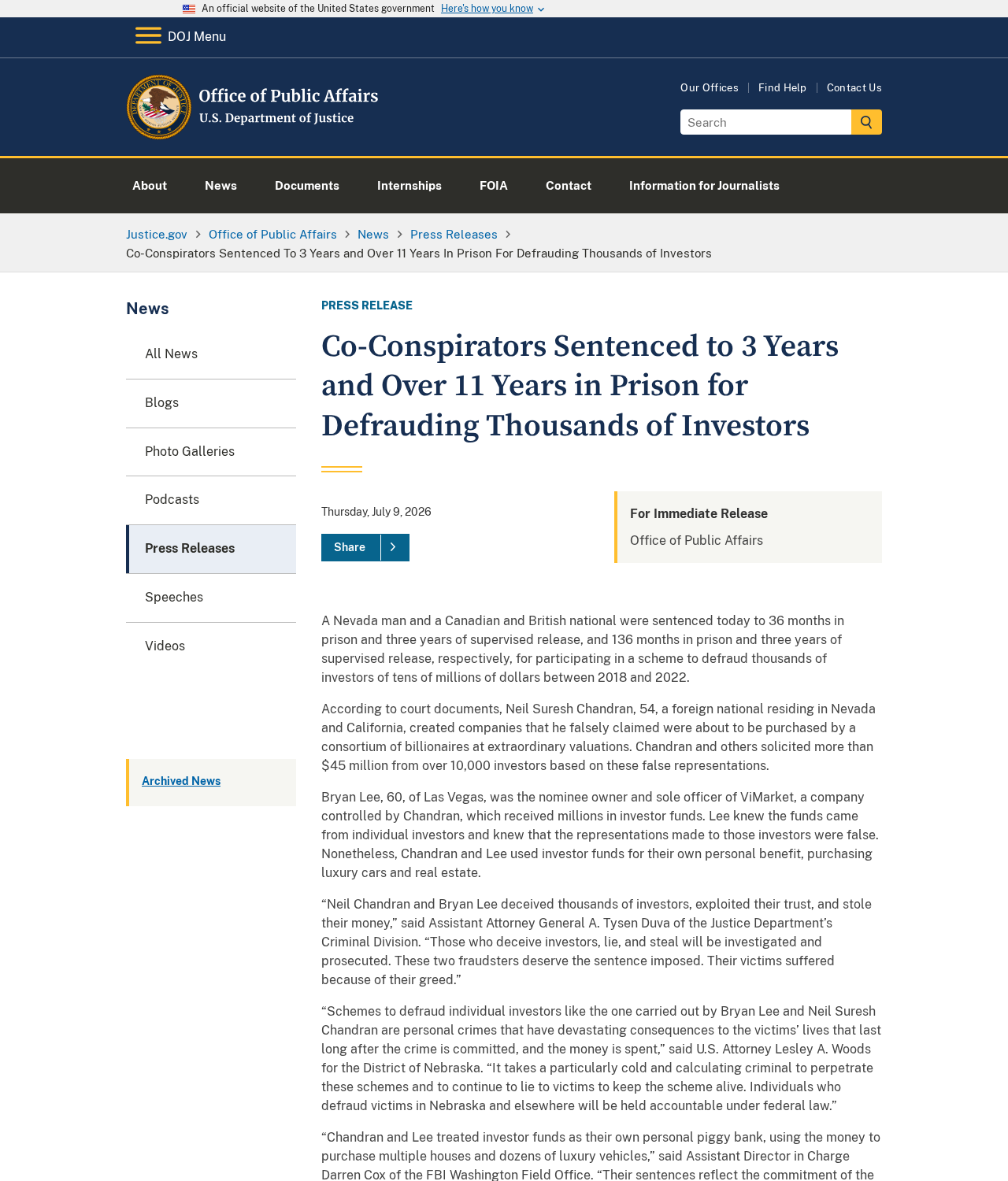
Chandran and Bryan Lee pleaded guilty in April 2026. Their July 2026 sentencing announcement describes more than $45 million solicited from over 10,000 investors.
Glaspie, known as Mike G, had already received a six-year prison sentence in October 2023. Together, the criminal outcomes establish the fraud behind the promised buyout.
- The promised exit depended on an acquisition by a supposed billionaire buyer group.
- Emails and calls kept investors following developments toward that imagined transaction.
- Investor money also financed personal purchases, including luxury cars and real estate.
- Restitution obligations belong to the court process, rather than a revived buyout opportunity.
Real case updates require a different response
The Justice Department’s case page lists a $22,152,227.38 restitution obligation shared by Chandran, Lee, and Glaspie. That figure is not an individual award.
It also does not establish that everyone reading the page can immediately collect money. Existing records and the applicable court procedure still matter.
If someone approaches you with a fresh payment request, keep it separate from the genuine proceedings. Familiar case details cannot authenticate a stranger’s instructions.
Why Another Update Could Feel Like Progress
A promised company sale gives an investment pitch a natural storyline. There are buyers, negotiations, an anticipated closing, and a large amount supposedly waiting afterward.
That storyline can turn delay into something reassuring. Instead of questioning whether the transaction exists, participants start asking which final condition remains unresolved.
Regular communication can reinforce the impression that work is happening. A new call or detailed email feels informative, even when no independent evidence of the acquisition appears.
For someone who has already paid, leaving becomes emotionally difficult. Walking away can feel like abandoning the return just before the event that would justify waiting.
CoinDeal exploited that tension between commitment and verification. Investors were following a narrative controlled by the people who needed them to keep believing it.
An update is only useful when it adds something verifiable. More explanations from the same promoter cannot independently establish a buyer’s identity, agreement, or ability to close.
How the CoinDeal Scam Works
Step 1: Put an extraordinary acquisition at the center of the pitch
The supposed opportunity involved technology companies operating under the ViRSE banner. Investors were told an approaching acquisition would produce exceptionally large returns.
That is a different story from buying an ordinary product or receiving a clearly explained ownership interest. The hoped-for value depended on another party purchasing the companies.
Names associated with great wealth helped make that outcome sound credible. The Justice Department says the notable billionaires invoked in the story were not involved as represented.
For the prospective investor, those names could substitute for an actual transaction record. Supposed interest from powerful buyers seemed to validate the opportunity.
However, a promoter describing someone else’s involvement is still making a claim. The claimed buyer’s independent confirmation would answer a question another promotional call cannot.
In this case, the acquisition story supplied the reason to contribute while concealing the absence of the event that supposedly made the investment worthwhile.
Step 2: Collect money to keep the promised deal moving
The case materials describe representations that investor funds would cover normal operating expenses until the acquisition occurred. Participants were therefore funding a bridge to the anticipated payout.
A bridge explanation can make another contribution seem temporary and practical. The focus shifts toward getting through the remaining stage rather than evaluating the original premise.
Payment records in the case include accounts associated with AEO Publishing, Banner Co-Op, and BannersGo. Those names could appear separately from CoinDeal in a participant’s paperwork.
That is useful when reconstructing your own involvement. Search your records for the recipient actually paid, rather than assuming the promotional name appears on every statement.
Retain the message connecting that recipient to the opportunity. A payment descriptor shows where money moved, while the surrounding correspondence explains why you sent it.
No amount of additional bridge funding could create the buyer consortium described to investors. The story’s central premise was already false.
Step 3: Reinforce confidence with a repayment promise
Glaspie also promised to repay investors with 7% annual interest over three years if the expected returns did not arrive, according to the Justice Department.
That assurance offered a second reason to feel protected. Someone worried about the buyout could believe the repayment promise covered the possibility of failure.
The case page explains that Glaspie knew he lacked the means to make those repayments. The apparent fallback therefore did not provide the protection being advertised.
He supported it with false claims about an AT&T phone-distribution contract and an app arrangement involving the Better Business Bureau. Those organizations’ names supplied borrowed credibility.
Their appearance in the pitch did not make them responsible for CoinDeal. The deception concerned the claimed business relationships, not a finding that those legitimate organizations ran the scheme.
A guarantee needs an identifiable, credible source of payment. Adding another impressive business claim does not establish that source when the relationship itself is fabricated.
Step 4: Keep the audience waiting while money serves other purposes
The acquisition never delivered what investors were promised. Meanwhile, the confirmed case describes investor funds used for personal benefit, including purchases of luxury property and vehicles.
A participant following updates could be watching for a closing date while the actual financial story involved money moving away from the promised purpose.
That is why a missed date should trigger a request for evidence, rather than automatic acceptance of the next explanation or another contribution.
The useful questions concern the actual agreement, the actual recipient, and the actual use of funds. A more elaborate forecast does not answer them.
Once the criminal proceedings began, the relevant updates became court events and victim information. They should not be confused with another installment of the original sales story.
Do not fund a supposed final stage now. A demand linked to an old CoinDeal balance requires independent authentication before you provide money or sensitive documents.
The CoinDeal Names and Proceedings Investors Need to Separate
CoinDeal was the pitch, not every name on the paperwork
The promotion involved CoinDeal, Coin Deal, Mike G, ViRSE, and several companies. Different names can describe different parts of the same documented transaction history.
Keep them with the records where they appear. Avoid replacing an original payee name with the best-known label when preparing a report.
Investigators need the actual account, receipt, or message. Your explanation can connect it to CoinDeal without altering the underlying evidence.
Each defendant has a particular criminal outcome
Chandran received 136 months in prison, while Lee received 36 months in July 2026. Glaspie’s earlier sentence was 72 months.
Those are separate sentences following the individuals’ proceedings. They should not be combined into a single outcome attributed to everyone who discussed the opportunity.
A person who forwarded an update may have a different role from the people convicted. Describe their actual representations instead of assuming identical knowledge.
A civil case does not replace the criminal record
Reporting continued in 2026 about separate SEC proceedings. A request to reopen a civil case concerns that proceeding, rather than undoing the established criminal outcomes.
It also does not establish a new distribution or prove that money is immediately available. Read what the particular filing requests before drawing conclusions.
Keep a copy of any notice about your own loss. Its case number and requested action matter more than commentary about another proceeding.
Restitution is a shared obligation rather than three separate funds
The case page says the restitution amount is owed jointly and severally with Glaspie. That describes responsibility for an obligation, rather than three identical pools of cash.
Do not multiply that amount by the number of defendants. Nor should you treat a court-ordered obligation as evidence that all required assets have been recovered.
For an individual loss, follow the responsible victim-assistance process and preserve prior filing information. A general announcement cannot decide your personal entitlement.
What to Keep From Old Calls, Emails, and Payments
Start with messages you received directly. Preserve the original email, including its sender details and date, instead of keeping only a copied paragraph.
For a call, save any existing recording or written notes you lawfully possess. Record when it occurred and which payment or promise it concerned.
Organize documents around transactions rather than every update you ever saw. That makes it easier to connect a particular representation with a particular contribution.
Keep amounts paid, amounts received, promised profits, and claimed account balances in separate columns. They answer different questions and should not silently become one total.
If cryptocurrency was used, retain the asset quantity and transaction identifier. A later market price should not replace the original record of what moved.
Do not publish those records in an investment group while seeking help. Publicly shared documents can expose information that an unrelated recovery impostor could reuse.
What to Do if You Have Fallen Victim to This Scam
-
Decline requests for another contribution toward the old deal. Save the demand, sender account, payment destination, and the explanation offered before ending contact.
Do not pay to activate restitution or prove you are a serious claimant. An additional deposit cannot authenticate the person requesting it.
-
Assemble your own short financial timeline. List the date, recipient, payment method, asset or currency, and amount for each contribution, then add actual money returned separately.
Attach the corresponding receipt and message to each entry. Mark missing records plainly and request archived statements through your established bank or exchange.
This produces a usable account of your experience without treating the projected buyout payment as money you actually contributed.
-
Check the genuine case before answering correspondence. Open the Justice Department case page and confirm the Nebraska docket numbers associated with Chandran, Lee, and Glaspie.
Its published victim-assistance email is VictimAssistance.fraud@usdoj.gov. Verify that address on the page yourself before using it to ask about your existing records.
Identify the case, provide your contact details, and ask what information is needed. A sent inquiry does not itself establish a claim or guarantee a response.
-
Use the correct purpose for a victim statement. The case page provides a statement form and permits submission by email or through its listed mailing route.
If you submit one, identify the case, explain your financial and personal impact, retain a copy, and use only the independently verified contact.
An impact statement describes the harm caused. Do not assume it functions as a new application for an immediately payable refund.
-
Report a fresh online recovery approach separately. At IC3.gov, choose File A Complaint, read the conditions, and select Accept if you agree.
Enter contact and transaction details, describe the demand in your own words, and identify its connection to your earlier CoinDeal loss.
Review the answers, provide the digital signature, and select Submit Complaint. Save the successful-submission page before closing the window.
If an error appears instead, correct the indicated fields before assuming submission succeeded. Keep original evidence securely because the report does not accept attachments.
-
Contact your provider promptly about a recent payment. Use your current bank statement or established exchange account to reach genuine support, rather than the recovery message.
Give the transaction reference, explain the deception, and ask whether intervention remains possible. Retain the case number even when reversal is unavailable.
That practical response addresses money actually sent. Paying a different stranger who promises guaranteed recovery would expose you to another unsupported claim.
Frequently Asked Questions
Was the promised billionaire acquisition genuine?
The Justice Department says the supposed buyer consortium and acquisition representations were false. Guilty pleas and sentences establish that this was more than a deal that disappointed investors.
Are CoinDeal and the Mike G Deal connected?
Yes, the case materials use those names for the opportunity marketed by Michael Glaspie. Keep the particular names appearing on your own documents when reporting transactions.
Did the repayment guarantee protect investors?
The case page says Glaspie knew he lacked the means to honor his repayment promise. Claimed business relationships used to support that assurance were also false.
Does the restitution order establish my individual payment?
No, it describes a shared legal obligation. Individual eligibility and distributions depend on the responsible process, rather than the amount appearing in a general case announcement.
Should I submit every conference-call update publicly?
Preserve original material privately and provide relevant records through an authenticated reporting route. Public posting can expose personal information without establishing a claim.
Can a recovery agent charge to unlock CoinDeal money?
Do not pay merely because someone mentions the court case or your old balance. Independently verify the claimed authority and contact before considering the request.
The Bottom Line
Do not fund another CoinDeal closing story or pay to release supposed profits. The billionaire-buyout premise concealed a confirmed investment fraud.
If you contributed money, reconstruct actual transactions and use the Justice Department’s verified victim-assistance route. Treat any new payment demand as a separate potential deception.

Join the discussion
0 commentsShare your experience or ask a question about this article.
Community experiences
Did this happen to you?
Your experience could help someone recognize the same scam. Submit a private report for our team to review.
I experienced this tooReports are reviewed before publication. Sharing publicly is always your choice.
Discussion
Start the conversation
Have a question or something useful to share? Add the first comment.