

The Copy Paste Profit System is one of the newest offerings in a long line of online “easy money” systems promising fast results with almost no effort. It promotes the idea that anyone can start an online referral business and earn consistent daily commissions just by copying and pasting links or simple content. The video presentation claims that users can start earning quickly without building a website, creating a product, or having previous experience. On the surface, the pitch sounds simple, attractive, and almost effortless. That is exactly why so many people fall for it.
But when you look past the polished landing page, animated graphics, and emotional storytelling, the Copy Paste Profit System reveals itself to be another cleverly packaged scheme designed to lure beginners into a funnel of unrealistic promises, upsells, and misleading marketing. This article takes an in-depth look at the truth behind the system, how it really operates, and the many red flags showing why this is not the legitimate opportunity it claims to be.
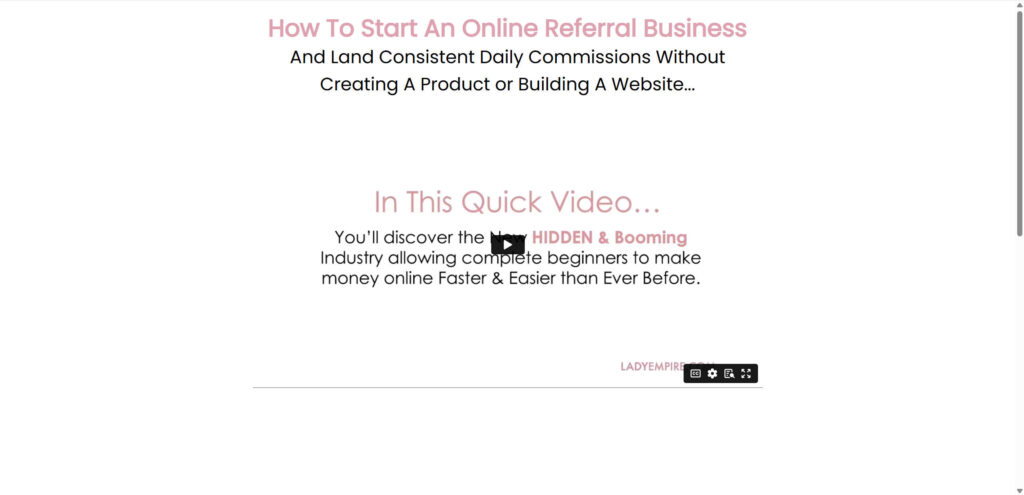
Scam Overview
The Copy Paste Profit System is presented as a beginner-friendly, low-effort referral business that supposedly allows users to earn daily commissions without selling anything themselves. According to the promotional video, the system automates the most difficult parts of online marketing. It claims to deliver website visitors to your referral links, handle all “selling,” and generate consistent commissions on autopilot. It also uses simple language and step-by-step animated demonstrations to create the illusion that the process requires little more than placing orders for traffic and letting the automated system take care of the rest.
The marketing message positions the system as a breakthrough solution in a “hidden booming industry.” It deliberately targets complete beginners—people who do not have experience in affiliate marketing, traffic generation, or sales funnels. By focusing on individuals who lack the expertise to evaluate the system critically, the Copy Paste Profit System sets the stage for manipulation. The consistent theme is that this is a shortcut, a fast track, and a proven method that avoids the complexity of traditional online business.
However, several red flags immediately appear once you look closer at the claims:
1. The business model is deliberately vague.
Throughout the presentation, the system talks about “referring website visitors” but never discloses which companies are involved, what products are being promoted, or how commissions are actually earned. A legitimate referral or affiliate program always identifies the brand, the payout structure, and the requirements for earning. Here, everything is intentionally generic.
2. The system relies heavily on emotional storytelling.
Rather than providing concrete details, the presentation uses emotional triggers designed to influence viewers. It references financial struggles, fear of missing out, desire for freedom, and the appeal of simplicity. These storytelling techniques are classic components of scam marketing and are used to override a viewer’s critical thinking.
3. The promise of automation is unrealistic.
No legitimate online business is fully automated. Traffic generation requires strategy, optimization, and ongoing maintenance. Sales conversions require quality content, testing, and nurturing. The idea that beginners can simply activate a system and let it earn commissions automatically contradicts how online business works.
4. No real evidence is provided.
The video claims that the system delivers consistent daily commissions but provides no proof. No screenshots, no real dashboards, no verifiable user results, and no independent reviews. Instead, generic animations and vague statements are used to simulate success.
5. The system closely resembles other exposed scams.
Several well-known scam systems over the past decade have used almost identical structures, scripts, and marketing tactics. The Copy Paste Profit System is simply a rebranded variation of these older schemes. The pitch, video format, and promised results all match the pattern.
6. The creators of the system are not disclosed.
No one behind the system uses their real name. No company details are provided beyond the domain name. There is no customer service phone number, no physical address, and no public background on the people supposedly responsible for the system’s creation. Lack of transparency is a hallmark of fraudulent operations.
7. The landing page uses psychological manipulation.
The design of the landing page is intentionally simple, using friendly fonts and minimal text to make the system appear harmless. Scam creators often use simplicity to disarm viewers and prevent them from questioning the legitimacy of the opportunity.
8. The system promises speed and ease without risk.
The presentation repeatedly emphasizes how quickly users can start earning, how there is no learning curve, and how everything is “done for you.” These are all hallmark scam promises that contradict the realities of affiliate marketing and online business.
9. The system does not explain costs.
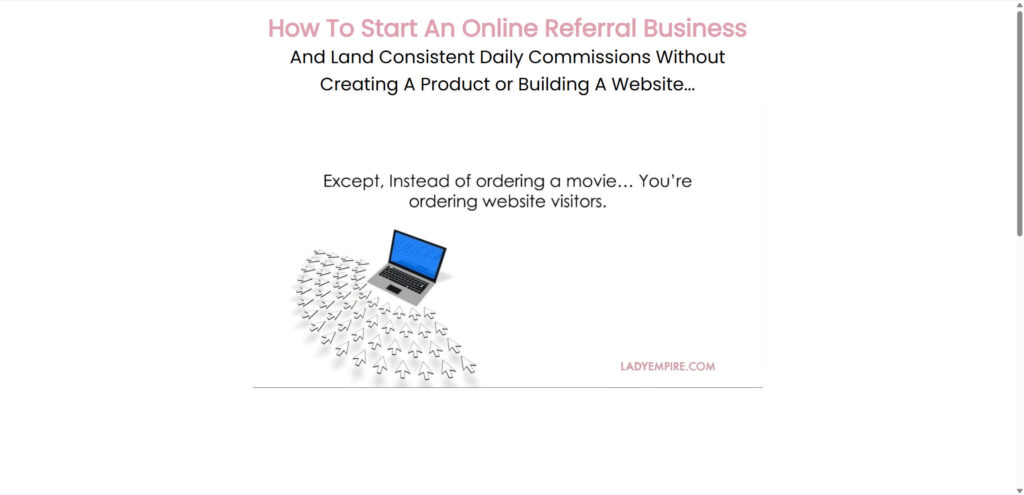
Traffic generation is not free. If the system truly “orders website visitors” on behalf of users, it must be paid for. The presentation avoids discussing this entirely, which suggests hidden upsells, subscriptions, or unexpected fees once the user enters the funnel.
10. No independent verification exists.
Reputable platforms or affiliates do not endorse the system. The only available information comes from the system’s own promotional materials, which are designed to persuade—not inform.
Taken together, these red flags create a comprehensive picture. The Copy Paste Profit System is not a legitimate, sustainable, or transparent online business model. Instead, it is a cleverly scripted sales funnel designed to convince beginners to pay for a system that offers nothing of real value.
How the Scam Works
The Copy Paste Profit System operates using a step-by-step process that has been refined through years of repeating similar schemes in different forms. By understanding how the scam works from start to finish, you can avoid falling for it and also recognize similar systems in the future. Here is the detailed breakdown.
Step 1: Social Media Ads and Promotional Videos
Most people first encounter the Copy Paste Profit System through short-form videos circulating on platforms like Instagram, TikTok, and Facebook. These videos use stock footage or animated characters to explain that people are earning daily commissions simply by copying and pasting or following a “simple referral trick.”
These ads often use scripts like:
- “I started making daily commissions without selling anything.”
- “The system does all the work for you.”
- “Complete beginners are earning consistent income.”
The ads are designed to blend in with normal social media content, making users feel like they stumbled upon a secret opportunity rather than a paid advertisement.
Step 2: Landing Page With Minimal Information
Clicking the ad leads to a landing page that continues the vague promises. The design is intentionally clean, with minimal text and strong emotional hooks. Typical elements include:
- A headline about starting an “online referral business.”
- Claims about consistent daily commissions.
- Animated graphics depicting money flowing into a laptop.
- Statements about a booming industry.
- A video player with a friendly narrator.
The lack of details is intentional. Scam creators avoid revealing specifics, knowing that details would invite scrutiny.
Step 3: The Video Presentation
The presentation is the heart of the scam. It typically lasts 10 to 20 minutes and uses a script written to appear educational, friendly, and convincing. The narrator explains the concept of “ordering website visitors like you order a movie” and makes it sound like the system handles all the heavy lifting.
The video uses several manipulative tactics:
A. Simplifying complex concepts
Affiliate marketing and traffic generation are complex. The video reframes them as something incredibly simple to lure beginners.
B. Hiding the real business model
Viewers are told they can earn commissions without ever learning what those commissions are tied to. The system never identifies the products involved.
C. Emotional storytelling
Many videos reference people who were “struggling financially” before finding the system, only to become successful afterward.
D. Urgency and scarcity
Phrases like “limited spots” and “don’t miss out” are used to pressure viewers into acting quickly.
E. “Proof” without proof
The video may show cartoon illustrations of earnings or vague numbers but never reveals real accounts or actual user data.
Step 4: The Initial Payment
After the video, users are asked to pay a fee. The cost varies depending on the version of the system or the sales page used. It often ranges from $17 to $47.
The pitch claims:
- The fee is a one-time payment.
- It grants access to the complete system.
- It includes automated tools.
- It comes with a money-back guarantee.
However, these claims are misleading.
Step 5: Upsells and Hidden Costs
Once inside the system, users are bombarded with upsells—additional offers marketed as “critical” for success. These may include:
- Traffic packages
- Done-for-you campaigns
- “Advanced” automation tools
- Priority support
- Exclusive “income boosters”
- Higher-tier programs
Each upsell ranges from $47 to $297 or more.
The system is intentionally designed to make buyers believe they must purchase the upsells to succeed. This is where the real profit occurs—not for the user but for the scam creators.
Step 6: No Real Value Provided
After buying the initial product and possibly several upsells, users receive basic PDF files, outdated training, or vague instructions about posting referral links. There is no actual automation, no proprietary software, and no legitimate traffic system. Some users receive instructions to purchase paid traffic through external platforms, making them spend even more money.
Step 7: No Results
People who follow the instructions quickly discover that:
- They are not earning commissions.
- Their referral links generate no traffic.
- The “automated selling system” does not exist.
- The training is either generic or entirely useless.
- Customer support is slow or unresponsive.
Many victims realize they were misled only after they attempt to contact support or request a refund.
Step 8: Refunds Are Rarely Honored
Although the system claims to offer a money-back guarantee, victims often face:
- Delayed or ignored responses
- No actual refund processing
- Cancellation notices without reimbursement
- Blame-shifting (“You didn’t follow the system”)
This tactic is common among scams using low entry fees followed by upsells.
Step 9: Recurring Charges
Some users report recurring billing, even though they believed they made a one-time purchase. Scam systems often hide recurring charges in fine print or disguise them as “tools” or “traffic subscriptions.”
Step 10: Rebranding and Relaunching
When complaints increase or negative reviews spread, scammers simply rename the system and relaunch it under another domain. Many past systems—such as automated referral machines, passive income push-button systems, and outdated CPA funnels—have been rebranded repeatedly in this way.
What to Do If You Have Fallen Victim to This Scam
If you purchased the Copy Paste Profit System or provided any personal or financial information, you should act quickly. Follow these steps in order:
1. Contact Your Bank or Card Provider Immediately
Explain that you paid for a misleading or fraudulent digital product. Ask to dispute the charge and request a chargeback. Banks often reverse payments for scam-related transactions.
2. Cancel Any Recurring Payments
Check your card statements for subscriptions linked to the system. Cancel anything associated with the merchant or seller immediately.
3. Document All Communication
Take screenshots of emails, receipts, and the landing page. This documentation strengthens your claim during dispute processing.
4. Request a Refund Directly from the Seller
Even if they refuse, your attempt shows good faith and may help with bank disputes.
5. Monitor Your Accounts
Scam systems often share or resell customer information. Watch for unfamiliar charges, emails, or subscription notices.
6. Change Your Passwords
If you created an account using a password you use elsewhere, change it immediately to prevent unauthorized access.
7. Report the Scam
You can report the system to agencies such as:
- The Federal Trade Commission (FTC)
- Internet Crime Complaint Center (IC3)
- Better Business Bureau (BBB)
This helps prevent further victims from falling into the same trap.
8. Avoid Further Upsells or Contact
Scam operators often contact previous victims with “special offers” or “recovery programs.” These are designed to extract even more money. Do not engage with them further.
The Bottom Line
The Copy Paste Profit System is not a legitimate online business, referral opportunity, or automated income system. It is a carefully scripted scam designed to appeal to beginners who are unfamiliar with online marketing. The system uses emotional storytelling, vague claims, fake urgency, hidden costs, and misleading automation promises to extract money from buyers without offering real value.
If you want to make money online ethically and sustainably, it requires real work, real skills, and real business models. There are no shortcuts or push-button solutions that generate guaranteed daily commissions. Systems like the Copy Paste Profit System prey on people’s hopes and frustrations, offering illusions instead of legitimate opportunities.
By understanding how the scam works and recognizing the warning signs, you can protect yourself and others from falling victim to the same deceptive tactics. If you have already purchased the system, act quickly to secure refunds, stop charges, and report the fraud.
Frequently Asked Questions
Is the Copy Paste Profit System a scam?
Yes. The Copy Paste Profit System is a deceptive online scheme disguised as an “easy” referral business. It promises daily commissions without creating a product or building a website, but the system provides no real automation, no legitimate training, and no verifiable results. Users are lured into paying for a low-cost entry product and then pushed toward expensive upsells that offer little to no value. The lack of transparency, fake success claims, and vague business model make this system a scam.
How does the Copy Paste Profit System actually work?
The system works like a typical get-rich-quick funnel. It begins with social media ads that lead to a vague landing page. A long video presentation claims you can earn money by copying and pasting referral links, but offers no legitimate proof. After paying the initial fee, users are exposed to a series of upsells for traffic, tools, and “upgraded” features. In reality, there is no automated system that sends referrals or commissions. Most users receive generic PDFs or outdated affiliate marketing content that does not generate real income.
Are the testimonials and earnings claims real?
No. The testimonials used in the Copy Paste Profit System are not verifiable, and many are likely fabricated or AI-generated. The earnings claims shown in the promotional video—such as “consistent daily commissions” or “effortless selling”—have no documented proof. Legitimate programs show real dashboards, time-stamped income, and transparent case studies. This system provides none of those.
Why is the business model considered misleading?
The system claims you can earn commissions without selling anything or understanding affiliate marketing, but legitimate referral programs always require effort. You must generate traffic, gain clicks, convert visitors, and optimize your content. The Copy Paste Profit System hides all this and pretends everything is automated. The model is intentionally vague to prevent users from questioning how the business actually works.
Does the Copy Paste Profit System provide any real tools?
No. Instead of real tools or functional software, users often receive low-quality PDF downloads, generic videos, or outdated marketing instructions. There is no automation, no actual referral engine, and no proprietary technology. Everything in the system has been recycled from previous online scams that simply rebrand themselves under new names.
Why does the system use emotional stories in its video?
The video presentation strategically uses emotional storytelling to influence vulnerable users. It includes narratives about struggling financially, needing hope, and finding an “easy path” to income. These emotional hooks are designed to bypass critical thinking and push viewers toward purchasing impulsively. This marketing strategy is common in deceptive online income schemes.
Are there hidden fees after buying the initial product?
Yes. The initial fee usually serves as the entry point into a long list of upsells. Once inside, users are encouraged to buy additional training, traffic packages, done-for-you campaigns, and upgraded systems. Many buyers end up spending far more than expected, often totaling hundreds of dollars. Some users also report recurring billing that was not clearly disclosed.
Can I really earn money with the Copy Paste Profit System?
No. The system does not provide the tools, training, or support necessary to create real income. The model lacks transparency, does not identify the companies or products being promoted, and provides no legitimate traffic sources. Those who buy it often discover that they are responsible for generating their own traffic manually, which requires real skill and real advertising costs. The promised “automation” simply does not exist.
Is the Copy Paste Profit System related to other online scams?
Yes. The scripts, graphics, and marketing materials match the pattern of past scams such as “Copy and Paste Cash,” “Referral Cash Machine,” “Done-For-You Commission System,” and other rebranded schemes. Many of these scams reuse identical video presentations and upsell funnels, simply changing the name and website address to avoid public scrutiny. The Copy Paste Profit System is the latest rebranding in this long-running scam cycle.
What should I do if I already paid for the Copy Paste Profit System?
Act immediately. Contact your bank or credit card provider and request a chargeback for a deceptive digital product. Cancel any recurring subscriptions associated with the seller, document all communication, and attempt to request a refund directly from the system’s support email. You should also monitor your accounts for suspicious charges and report the scam to the Federal Trade Commission (FTC) or the Internet Crime Complaint Center (IC3). These steps help protect your financial information and may prevent future unauthorized charges.
Does the system offer a real money-back guarantee?
No. Although the sales page displays a bold “100% money-back guarantee,” these guarantees are usually meaningless. Scam operators use refund promises to create trust, but once you attempt to claim a refund, you may encounter delays, ignored messages, or denials. Many victims report never receiving a refund despite following the refund instructions exactly.
Why does the system claim that “spots are limited”?
The claim that “spots are limited” is a pressure tactic. Scam marketers use fake scarcity to push viewers into making impulsive decisions before they can research the offer. There is no real limit to how many people can purchase the system. This scarcity messaging is a psychological trigger—not an actual business constraint.
Is the Copy Paste Profit System safe to sign up for?
No. In addition to wasting money, signing up may expose users to privacy risks. Scam operators often sell or share customer information with other fraudulent services, leading to more spam, upsell offers, and potential identity theft attempts. Users have reported receiving additional scam offers shortly after purchasing programs like this, which suggests their data is being circulated.

Join the discussion
0 commentsShare your experience or ask a question about this article.
Community experiences
Did this happen to you?
Your experience could help someone recognize the same scam. Submit a private report for our team to review.
I experienced this tooReports are reviewed before publication. Sharing publicly is always your choice.
Discussion
Start the conversation
Have a question or something useful to share? Add the first comment.