

If you have seen a “Dr. Oz reveals” gelatin trick video promising rapid weight loss from a simple gelatin recipe, you are looking at a familiar scam pattern wearing a fresh costume.
It usually starts with urgency, a bold headline, and a video that feels like it is about to reveal something life-changing.
Then the “recipe” drifts out of reach, the pressure ramps up, and the page quietly pivots into a supplement sale built to rush your decision.
This guide breaks down what the Dr. Oz gelatin trick scam typically looks like, why it keeps resurfacing under new product names, and how to protect yourself if you already clicked or bought.
Scam Overview
The “Dr. Oz Gelatin Trick Recipe” weight loss scam is not one brand.
It is a reusable funnel that can be deployed in days, then abandoned and relaunched under a new name when complaints pile up.
The easiest way to understand it is to stop thinking of it as a product and start thinking of it as a scripted sales engine.
The engine has a few consistent parts:
- A viral hook that sounds simple and specific (the gelatin trick, a pink gelatin recipe, a bedtime gelatin ritual)
- A trust shortcut (Dr. Oz’s name, doctor imagery, fake news-style pages, “academic” references)
- A pressure system (timers, limited stock claims, “watch before it’s taken down” warnings)
- A bait-and-switch pivot (the recipe becomes a supplement, often “drops,” sold in bundles)
When you see that structure, it becomes obvious why the product name changes so often.
The brand is disposable.
The funnel is the asset.
What the “Dr. Oz gelatin trick” pitch usually looks like
Most people first encounter this through an ad that feels urgent and dramatic.
It may say things like:
- “Dr. Oz reveals: watch this video before they take it down”
- “Unusual gelatin trick behind rapid weight loss”
- “A secret gelatin recipe that resets metabolism”
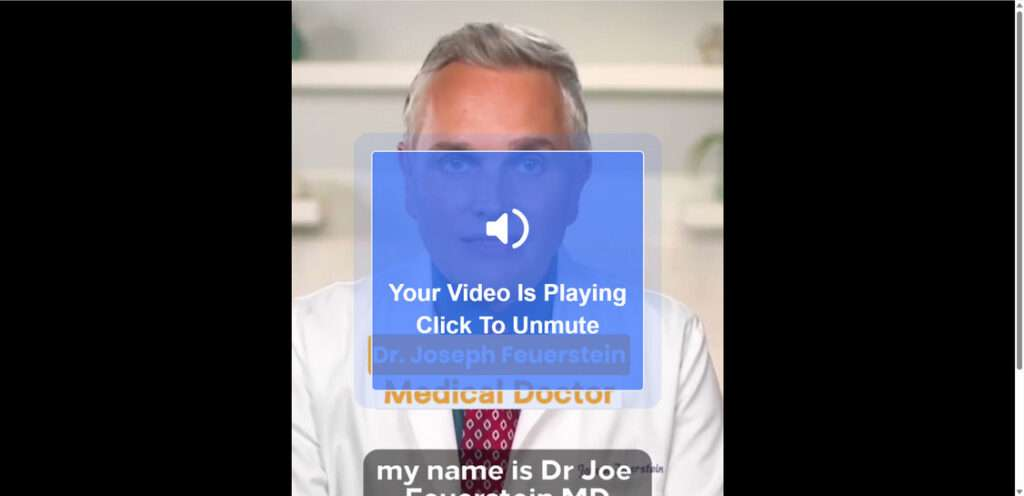
- “Tap to listen” or “click to play sound”
The headline is designed to hit two buttons at once: curiosity and fear.
Curiosity says, “What is the trick?”
Fear says, “If I don’t watch now, I’ll miss it.”
That urgency framing is a known tactic in scam-style health advertising, where the goal is to shorten the time between interest and purchase.
Why gelatin is the perfect bait for a scam funnel
Gelatin is ordinary.
That is what makes it so useful to scammers.
It is cheap, familiar, and tied to real things people already believe:
- protein can help with fullness
- desserts can be “diet-friendly” if you pick the right ingredients
- some people like structured recipes because they feel actionable
So the scam starts on a realistic foundation.
Then it takes a hard turn into fantasy.
Instead of “this might help you feel fuller,” the pitch becomes:
- “melt fat fast”
- “reset your metabolism”
- “activate fat-burning pathways”
- “works for everyone”
The Federal Trade Commission explicitly warns consumers that weight loss ads often rely on false promises like “lose weight without diet or exercise” or claims that the product works for everyone. (Consumer Advice)
That warning matters here, because the gelatin trick pitch is often written to sound like a universal override switch for the body.
Real biology does not work that way.
The Dr. Oz name is used as borrowed credibility, not proof
Dr. Oz’s name has long been used by online marketers because it signals health authority instantly.
In many cases, it is used without permission.
Dr. Oz has publicly stated that he does not endorse products and that ads using his name or likeness are fake, encouraging people to report them.
That is the key point to keep in mind.
A headline can claim “Dr. Oz reveals.”
That does not mean Dr. Oz is involved.
It often means the funnel is using name recognition as a shortcut to trust.
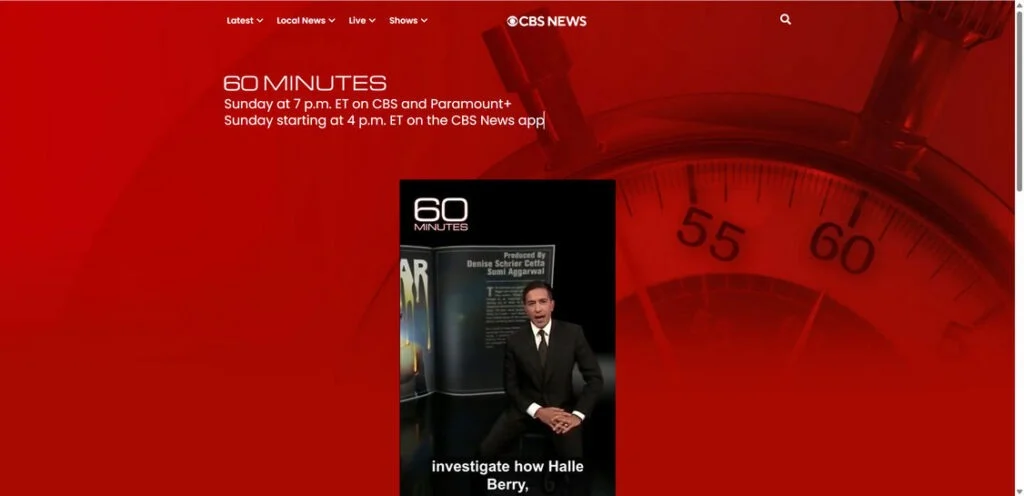
Fake news logos and “as seen on” banners are part of the costume
Another common feature is a page that looks like news.
It might include:
- a masthead that resembles a media outlet
- “breaking” language
- a date stamp to appear current
- a byline that sounds official
- “as seen on” logos
- a page layout that mimics a health blog or network site
The FTC specifically warns about scammers placing false stories online through fake news websites and blogs to sell weight loss products.
So when a gelatin trick page looks like reporting but behaves like a sales page, that is not an accident.
It is a designed deception.
Deepfakes and AI are making these scams harder to spot
In the newest versions of these funnels, the content can feel more “real” than older scams.
That is because operators are increasingly using:
- AI-generated voiceovers that mimic news narration
- manipulated clips that appear to feature public figures
- synthetic testimonials
- edited “expert” interviews
This is not a theoretical risk.
Investigations have documented deepfake videos impersonating health professionals to promote supplements, with experts warning that people could be misled into making dangerous health decisions.
Even if a gelatin trick funnel is “only” about weight loss, the same ecosystem and techniques are used across diabetes, memory, and other medical niches.
“FDA registered” and “lab tested” badges are often used as trust shortcuts
Many gelatin weight loss scam pages add official-sounding badges to reduce buyer hesitation.
You might see claims like:
- “FDA approved”
- “FDA registered facility”
- “GMP certified”
- “clinically proven”
- “lab tested”
Here is the problem.
These phrases are frequently used in ways that confuse consumers.
A badge on a sales page is not verification.
And in the weight loss supplement space specifically, the FDA warns that many products marketed for weight loss are contaminated with hidden drug ingredients and are a form of medication health fraud.
That means the risk is not only wasted money.
The risk can include unknown ingredients and unpredictable effects.
Why “drops reviews” searches spike after people see these ads
The funnel is designed to create a very specific emotional arc:
- Shock and hope from the headline
- Curiosity from the “secret trick”
- Urgency from “watch before it’s removed”
- Doubt right before the purchase
- A last-minute search for reviews
That is why people end up searching phrases like:
- gelatin trick drops reviews
- gelatide drops reviews
- Dr. Oz gelatin trick scam
Scam reporting sites have documented the same gelatin recipe hook being used to push drops-style products, where the “trick” is teased but never delivered in a practical, transparent way.
The funnel expects your doubt.
It is built to keep you emotionally invested anyway.
Why this is a classic bait-and-switch
The bait is the recipe.
The switch is the supplement.
In a legitimate health article, a recipe would be presented clearly:
- exact ingredients
- exact quantities
- preparation steps
- realistic expectations
- limitations and safety notes
In scam funnels, the “recipe” is treated like a carrot on a string.
It gets mentioned repeatedly, but it stays vague.
And the longer you watch, the more the page positions the supplement as the real answer.
That is the trap.
Why these operations keep resurfacing under new names
When complaints rise, the operators can quickly:
- register a new domain
- rename the product
- change the bottle label
- swap the video voiceover
- relaunch the same campaign
This pattern is so established that the FTC has taken action in cases involving fake celebrity endorsements, counterfeit media sites, and deceptive billing practices used to sell diet products.
So if you feel like you have “seen this before,” you probably have.
The details change.
The machine stays the same.
The real risks are bigger than a disappointing purchase
These scams can cause damage in several ways:
- Financial loss from overpriced bundles and upsells
- Subscription or continuity billing that triggers repeat charges
- Personal data exposure from questionable checkout flows
- Health risks if people replace real care with a sales pitch
- Added harm if products contain hidden ingredients, as the FDA warns can happen in weight loss supplements
The most important takeaway from the overview is simple:
If a page claims “Dr. Oz gelatin trick recipe,” but the “recipe” never arrives cleanly and the page pushes you into a timed checkout, you are not learning a health trick.
You are being converted.
How The Scam Works
The Dr. Oz gelatin trick scam usually follows a predictable, step-by-step funnel.
Once you know the steps, you can spot it quickly even when the domain and product name change.
Step 1: The ad stops your scroll with urgency and authority
It starts with a bold claim and a familiar name.
The ad often includes:
- “Dr. Oz reveals” language
- a warning that the video will be removed
- a claim that the trick is “unusual” or “secret”
- short, punchy subtitles designed for mobile
This is attention engineering.
The goal is not to inform you.
The goal is to make you click before you think.
Step 2: You land on a single-purpose page built to keep you watching
The landing page typically has one job: keep you engaged until the product appears.
That is why it often features:
- a giant play button
- “click to play sound” overlays
- minimal navigation
- repeated calls to “watch now”
- a design that works smoothly on mobile
Some pages add “people watching” counters or “live” indicators.
Those signals are meant to increase urgency and social proof, not provide evidence.
Step 3: The video opens with a story, not transparent proof
The first minutes usually feel like a reveal.
You might hear:
- “Doctors don’t want you to know this”
- “This is why nothing worked before”
- “A simple kitchen ingredient changes everything”
- “It only takes seconds”
This is a persuasion structure.
A real health explanation would lead with clear claims and credible sourcing.
A scam funnel leads with emotion and suspense.
Step 4: The promised gelatin recipe is teased, delayed, and kept vague
This is where the bait becomes obvious.
The viewer expects a recipe.
Instead, the funnel does things like:
- mentions the gelatin trick repeatedly without clear steps
- adds “context” that drags on
- suggests that the trick is dangerous for “the wrong people”
- claims you must “understand the science first”
This is a classic retention tactic.
You keep watching because you feel you are close to the answer.
Step 5: A “hidden cause” narrative reframes your weight struggles
Next, the script often introduces a villain and a root cause.
Common themes include:
- metabolism sabotage
- hormone disruption
- a “switch” that keeps you in fat storage mode
- gut issues or toxins
- a modern ingredient that “blocks fat burning”
This story does two things:
- It relieves personal blame, which feels comforting.
- It sets up a single product as the solution, which is profitable.
Step 6: Borrowed credibility gets layered in
This is where many pages add credibility theater, such as:
- references to universities or “researchers” without links
- graphs with no citations
- “clinical” language without published studies
- official-looking seals
The FTC warns that scammers use fake stories and fake news-style content to sell weight loss products.
So when the page looks like reporting but avoids independent verification, that is a signal, not a coincidence.
Step 7: The “Dr. Oz” angle intensifies, even when it is unauthorized
Many versions lean harder into the Dr. Oz framing right before the product appears.
This is done to convert trust into action.
But again, Dr. Oz has publicly warned that ads using his name or likeness are fake and that he does not endorse products.
That matters because the funnel is using the appearance of endorsement as a sales tool.
Step 8: The recipe gets swapped for a supplement, usually “drops”
At some point, the reveal happens.
Not a clean recipe.
A bottle.
Often a drops-style supplement with claims like:
- “supports GLP-1 naturally”
- “boosts metabolism”
- “targets stubborn fat”
- “activates fat-burning signals”
The page implies the gelatin trick works because this supplement “unlocks” it.
That is the bait-and-switch in plain form.
You came for a recipe.
You are now being sold a product.
Step 9: The page stacks badges and safety language to reduce resistance
Now the funnel tries to remove hesitation by adding:
- “manufactured in the USA”
- “GMP certified”
- “lab tested”
- “FDA registered facility”
- “safe and natural”
These claims are designed to reassure you quickly.
But in the weight loss category, the FDA warns that many products marketed for weight loss are contaminated with dangerous hidden ingredients.
So “natural” and “official-sounding” are not proof of safety.
Step 10: Urgency tactics push you into a fast purchase
Now the conversion pressure spikes.
Common tactics include:
- countdown timers
- limited stock warnings
- “today only” discounts
- popups showing purchases
- “people watching” counters
This is the moment the funnel tries to prevent you from opening a second tab.
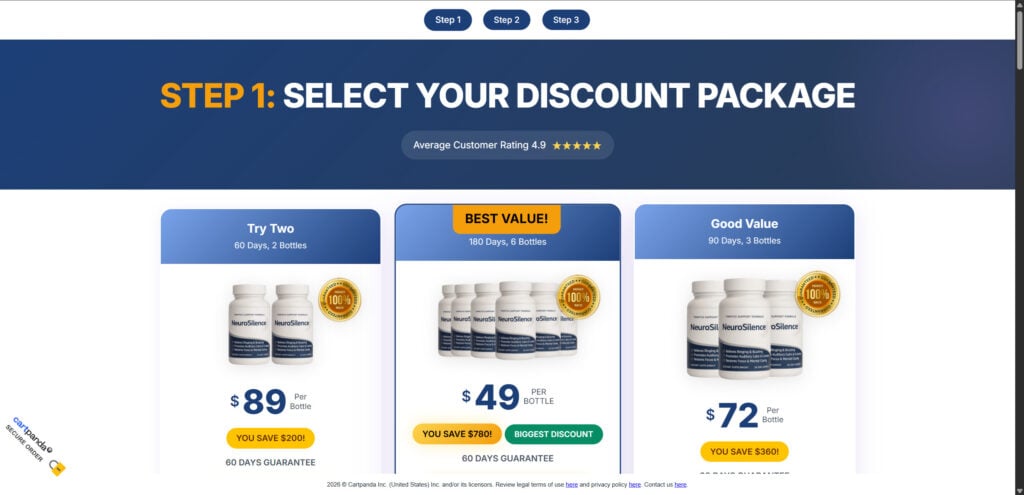
Step 11: Bundles and “protocol” framing increase the total spend
Most funnels offer tiers like:
- 1 bottle for a high price
- 3 bottles as the “recommended” path
- 6 bottles as the “best value”
Some add a “treatment protocol” story to push longer commitments.
This is designed to extract more money up front, before you can evaluate results.
Step 12: Checkout traps and fine print create billing risk
This is where many victims get blindsided.
Common issues include:
- pre-selected quantities
- upsells that look mandatory
- add-ons that appear after payment details are entered
- continuity billing hidden in fine print
- merchant names on statements that do not match what you thought you bought
The FTC has brought cases involving deceptive diet product marketing paired with unauthorized charges and misleading “free trial” style billing.
That history matters because these funnels often follow the same playbook: sell the dream, then complicate the cancellation.
Step 13: Support friction makes refunds hard
After purchase, many of these operations rely on friction:
- slow email-only support
- vague return instructions
- strict conditions
- delays that wear people down
Even if a product arrives, the business practices can still be deceptive.
Step 14: The funnel gets rebooted under a new name
When enough people complain or payment processors push back, the funnel can vanish and reappear under a new name.
That is why you see waves of gelatin trick ads that feel identical, but lead to different bottles.
The pattern is the fingerprint.
What To Do If You Have Fallen Victim to This Scam
If you bought through a Dr. Oz gelatin trick page, or any gelatin trick weight loss funnel, here is a calm, practical checklist.
1) Save evidence immediately
Create a folder and save:
- the ad link or screenshots (if possible)
- the landing page URL
- screenshots of the pricing and bundle selection
- your confirmation email
- your receipt and order number
- screenshots of your bank or card statement
Documentation is leverage if you need a dispute.
2) Check your statement for extra or pending charges
Look for:
- multiple charges close together
- small “test” charges
- charges that do not match the total you expected
3) Look for recurring billing or continuity terms
Search your confirmation email for words like:
- autoship
- membership
- monthly
- continuity
- next shipment
Then watch your statements for at least 60 days for repeat billing.
4) Email the seller and make your request unambiguous
Send a short message that includes:
- your full name
- the email used for the purchase
- your order number
- “Cancel any subscription or autoship and do not charge me again”
- request written confirmation
Save what you send and any reply.
5) Contact your bank or card provider if anything looks unauthorized
Ask:
- whether you can dispute the charge
- how to block future charges from the merchant
- whether replacing your card is recommended if repeat charges appear
If you see recurring charges you did not agree to, a card replacement can stop the bleeding.
6) Do not rely on a sales video for medical decisions
If you have a health condition or take medications, do not treat a gelatin trick funnel as medical guidance.
If you experienced side effects, stop using the product and seek advice from a qualified healthcare professional.
7) Watch for follow-up scams pretending to be “support”
After scam purchases, some people receive:
- fake refund offers
- “verification” emails
- phone calls claiming to resolve the issue
Be cautious with links and attachments.
8) Report the ad on the platform where you saw it
Report it on Facebook, Instagram, YouTube, TikTok, or the network that served it.
If the ad used a public figure’s name or looked like a deepfake, include that in the report.
9) Consider filing a consumer complaint
If you believe the advertising was deceptive or the billing was unfair, you can report it to consumer protection authorities, including the FTC. (Consumer Advice)
10) Tighten your account security
If you reused passwords or entered personal details into a questionable site:
- change your email password
- enable 2-factor authentication
- watch for phishing emails
11) If a package arrives, document it before doing anything else
Take photos of:
- the label
- the packaging
- any inserts or return instructions
This helps with disputes and chargebacks.
12) If you were misled by a fake endorsement, treat that as a strong dispute point
If the page strongly implied Dr. Oz endorsement, that is relevant context.
Dr. Oz has publicly stated that ads using his name or likeness are fake and that he does not endorse products.
The Bottom Line
The “Dr. Oz gelatin trick recipe” weight loss scam is a polished, high-pressure funnel that uses borrowed credibility, fake urgency, and a viral recipe hook to push people into buying supplements, often expensive drops sold in bundles.
The promise is a simple gelatin trick.
The reality is a conversion script designed to rush your decision and reduce verification.
If you already bought, focus on protection: save evidence, watch for recurring charges, cancel in writing, and escalate through your card provider when billing looks deceptive.
Most importantly, learn the pattern. The names change. The funnel stays the same.
FAQ
What is the Dr. Oz Gelatin Trick scam?
It is a weight loss ad funnel that uses a “gelatin trick” or “gelatin recipe” hook to grab attention, then pushes a supplement sale through urgency and misleading credibility signals.
Is Dr. Oz actually endorsing these gelatin trick products?
In many cases, no. These campaigns often use his name or likeness without permission to make the ad look trustworthy.
Is there a real gelatin recipe that causes rapid weight loss?
No recipe can safely guarantee rapid weight loss for everyone. Claims like “secret trick,” “instant metabolism reset,” or “works for anyone” are major red flags.
Why do these pages say “watch before they take it down”?
That is a pressure tactic. It is meant to stop you from researching and push you toward a fast purchase.
What are the biggest red flags on these gelatin trick pages?
Fake news-style layouts, celebrity name drops, countdown timers, “limited stock” warnings, vague science claims, and upsells during checkout.
Why do they keep talking about a recipe but then sell drops?
That is the bait-and-switch. The recipe creates curiosity, and the funnel uses that attention to sell a supplement instead.
Are “FDA registered” or “GMP certified” badges proof the product works?
No. Those phrases do not prove the product is effective for weight loss, and they are often used to create trust quickly.
What should I do if I was charged more than expected?
Save screenshots and receipts, email the seller to cancel any autoship, and contact your card provider to dispute unauthorized charges.
How do I know if I accidentally signed up for a subscription?
Check your confirmation email and statement for words like autoship, monthly, continuity, membership, or repeat charges around the same date.
Where can I report these ads?
Report them on the platform where you saw them, such as Facebook, Instagram, YouTube, or TikTok, and also consider filing a complaint with consumer protection agencies.









My case was closed with Click-bank and my Paypal case was closed because they gave me .05 cents for settlement. Now more than ever, this is a scam! They know how to get around giving you a guarantee to refund your money. 😡
Hi Cynthia, thank you for posting this update.
That makes the situation even more troubling. A token payment used to close out a case while the buyer is still missing nearly all of the money is exactly the kind of thing that leaves people feeling trapped. Your comment helps show other readers that a so-called refund process may not be meaningful in practice.
Go to Clickbank.com with your order # and all info. I went thru Paypal and was instructed to do this. You have 60 days to return all your bottles and info to:
P.O. Box 90129
Lakeland, FL 33804
I fell for this video with Dr. oz. Yes, it is a scam to relieve you of your money.
Hi Cynthia, thank you for posting those details.
That is useful for readers who paid through ClickBank or PayPal and are trying to understand what return path may apply in their case. The bigger warning sign remains the same: fake celebrity-style marketing, exaggerated claims, and a refund process that many buyers only discover after the money is already gone.
I appreciate you sharing the steps that were given to you.
I first got a reply offering of 5% of the cost. I rejected that.
The second offer was 10%. I rejected that offer. I will turn this matter over to Paypal and see what happens.
That escalating sequence – 5%, then 10%, and it will go higher if you keep refusing – is a script, not a negotiation, and its only purpose is to get you to accept something. A buyer who agrees a partial refund has effectively settled, which makes a dispute much harder to win afterwards. So rejecting both was exactly right.
With PayPal, a few things to get right. File it as “significantly not as described” rather than item not received, and upload the listing photograph next to a photo of what actually arrived – that comparison decides most of these cases. You have 180 days from payment, which is longer than a card chargeback allows. Mention the partial-refund offers in the case notes: an offer of 5% is an implicit admission that the item was not as described, and PayPal’s reviewers read it that way. If they ask you to return the item, respond that no prepaid label was provided and that return shipping exceeds the value of the goods – PayPal frequently rules without a return in these cases – and if you have their Return Shipping on Us benefit, activate it. If the case is closed against you, there is an appeal step, and the card behind your PayPal account remains available for a chargeback afterwards.
Do let us know how it turns out; the outcomes readers report are the most useful thing on these pages.
Yes I fell victim to Dr.Oz Gelatin too. Can’t find who to contact. Never again. Don’t trust these online tactics. The FAKE Gelatin weight loss product but worst are AI generated ads.
Hi Linda, I’m sorry this happened to you.
That is another common pattern with these scam-style supplement offers: fake celebrity endorsements, hard-to-trace sellers, and no real customer support once the sale is made. If you cannot find any legitimate contact information, keep your receipt, any emails, and the packaging, and check your bank statement for the merchant name.
If you paid by card or PayPal, it may still be worth disputing the charge as item not as described or seller misrepresentation.
I feel victim to this. I’ve been trying to get a refund. They are giving me the run around and offer 15% one day and 10% refund the next day. Not sure where to go from here ???
Where to go from here is your card issuer, today – and stop the email exchange, because that is the answer to the run-around.
The offers moving between 10% and 15% are a script, not a negotiation. Its purpose is to get you to accept anything at all, because a buyer who agrees a partial refund has effectively settled and cannot easily raise a chargeback afterwards. The inconsistency is deliberate too: it keeps you replying, and every reply spends part of your dispute window.
So: ring the number on the back of your card, dispute the charge as not as described, and mention that the seller has offered partial refunds – which is an implicit admission that the goods were misrepresented, and banks read it exactly that way. Send them the emails if they ask; a trail of you requesting a refund and being fobbed off is excellent evidence. You generally have up to 120 days from the charge. Ask them in the same call to revoke the merchant’s recurring authorisation, block the merchant and issue a new card number, since these sellers often bill again a month later. If you paid through PayPal, open a “significantly not as described” case instead, where you have 180 days.
Do not accept the 15%. And do not post the item back at your own expense; only with a prepaid label and tracking. Then five minutes at reportfraud.ftc.gov and a complaint to your state Attorney General.