

The portable electric citrus juicer looks almost irresistible in a short video. An orange disappears inside, juice pours out, and cleanup seems effortless.
That neat demonstration leaves several practical questions unanswered. The machine may work, but the advertisement, seller, warranty, and actual product can tell different stories.
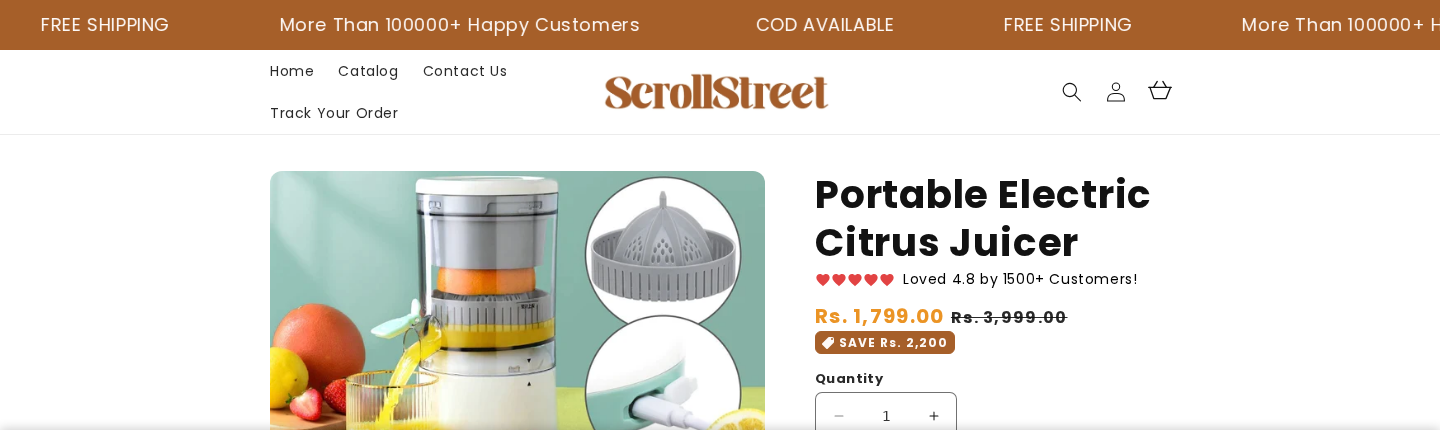
Overview
The appliance is real, but it is not a unique invention
Portable rechargeable citrus presses are genuine products. They use a small motor to press fruit against a cone inside a clear chamber.
The same white and mint-green design appears across independent stores, marketplaces, import listings, and instruction manuals.
That broad footprint strongly suggests a generic appliance sold under changing names rather than an exclusive breakthrough created by one viral advertiser.
The marketing often stretches convenience into perfection
Ads promise one-button operation, cordless freedom, quick extraction, high yield, clean pouring, and easy washing.
Some demonstrations also suggest the machine handles citrus, grapes, watermelon, tomatoes, apples, and other produce with equal ease.
Actual performance depends on fruit size, preparation, charge level, motor strength, assembly, pulp buildup, and how carefully the outlet is opened.
The seller matters more than the viral product name
A generic item can be acceptable when the price, specifications, delivery, and return rights are transparent.
Risk increases when a store shows enormous review counts, vague support, short guarantees, contradictory policies, or no identifiable manufacturer.
The central question is not whether an electric juicer can squeeze an orange. It is whether this seller will deliver the represented item and honor problems.
- The appliance category is real and widely available.
- The design is sold by many unrelated retailers.
- Specifications vary across listings that use similar pictures.
- Short viral clips may omit preparation, jams, charging, and cleanup.
- Review totals displayed on a store page need independent confirmation.
- Return conditions can matter more than the headline discount.
The appliance exists, but Scrollstreet carries a longer complaint trail involving wrong goods, poor-quality products, unreachable support, and failed return requests.
Those reports make the seller risk more than theoretical. Buyers should not confuse delivery of a generic appliance with proof that the advertising was honest.
What the Electric Citrus Juicer Is Supposed to Do
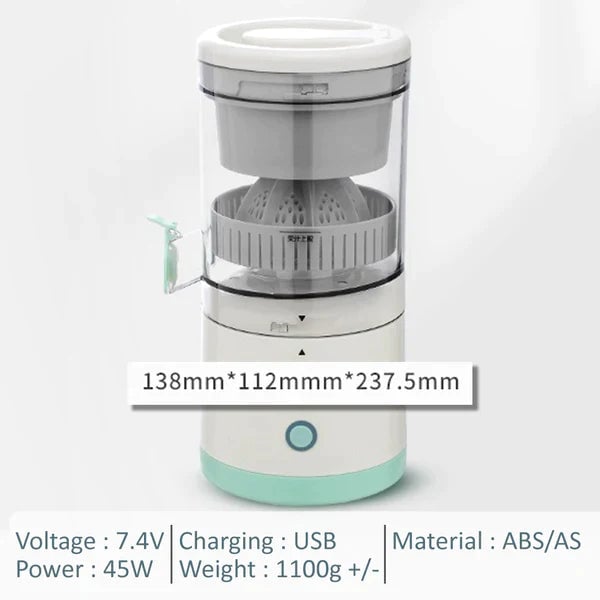
The common design has a motorized base, transparent collection chamber, ridged pressing cone, strainer, lid, outlet, and rechargeable battery.
A user cuts citrus in half, places it on the cone, locks the top, and starts the pressing cycle.
The motor moves the cone or pressing mechanism until juice and pulp separate. A small spout then directs liquid into a glass.
Typical listings describe USB-C charging, 45W power, one-button control, and a cycle lasting roughly 15 seconds.
However, online specifications are not perfectly consistent. Capacity, battery size, materials, dimensions, and claimed yield can change between sellers.
That inconsistency is another sign that the storefront may not control manufacturing or technical documentation.
What Viral Demonstrations Commonly Leave Out
A carefully edited video begins with a prepared fruit half and ends before the buyer sees disassembly.
It may exclude failed starts, weak batteries, uneven fruit, overflowing pulp, blocked outlets, and the time required to wash each removable part.
Large fruit may not fit properly. Small lemons may sit awkwardly. Hard produce can exceed what a citrus press was designed to handle.
Claims involving apples, watermelon, tomatoes, or grapes deserve extra caution because these foods behave differently from halved citrus.
A press can release juice without producing the smooth, waste-free result shown in advertising.
The device also contains a motor base that should not be submerged. Easy to clean does not mean every component belongs in a dishwasher.
Read the manual supplied with the exact unit. Similar-looking products can use different batteries, seals, and locking mechanisms.
How Misleading Electric Juicer Ads and Storefronts Work
Step 1: A perfect demonstration stops the scroll
The advertisement shows bright fruit, a spotless appliance, and a smooth stream of juice appearing within seconds.
Nothing spills, stalls, or needs scrubbing. The clip turns an ordinary kitchen task into a satisfying transformation.
The simplicity is the sales hook. The viewer is encouraged to imagine using it every morning before asking who makes it.
Step 2: The store frames a generic item as a special discovery
The landing page may describe an innovative design, powerful motor, advanced extraction, or viral must-have gadget.
Yet reverse searching the shape reveals visually identical units across marketplaces and wholesale channels.
The product can be real while the exclusivity story is exaggerated.
Step 3: A large crossed-out price creates artificial value
The page often places a steep comparison price beside a much lower sale price.
A countdown, stock warning, or seasonal label makes the discount feel temporary, even when the same promotion returns daily.
The buyer evaluates the apparent savings instead of comparing the identical device elsewhere.
Step 4: Review widgets supply instant social proof
Thousands of positive reviews can appear next to the product, although the page may not explain collection, moderation, or verified-purchase standards.
Scrollstreet displayed more than 7,500 reviews on the listing and a separate claim of over 100,000 happy customers.
Numbers that large deserve outside verification. A widget controlled by the seller is not an independent audit.
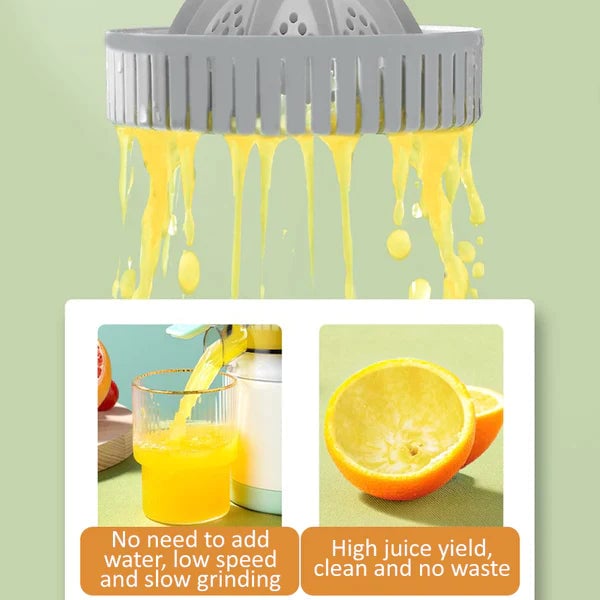
Step 5: Broad claims blur the product’s real limits
A basic citrus press can become a universal fruit machine in the sales copy.
Phrases such as all-round motor, no waste, twice the juice, safe materials, and overheat protection sound comprehensive.
Without model-specific testing or certification records, those statements remain seller claims rather than independently established performance.
Step 6: The checkout hides the seller behind the product
Shoppers may reach payment without seeing a manufacturer name, model number, legal business name, or service address.
Cash on delivery can reduce card exposure, but it does not guarantee that the parcel matches the video.
A generic box and unfamiliar sender may be the first time the buyer learns who fulfilled the order.
Step 7: A short return window shifts the risk
The product page promotes a three-day money-back guarantee. Other material on the same store describes different periods and additional conditions.
Some return instructions require an unboxing video, proof of defect, original packaging, prior approval, and buyer-paid transportation.
A customer who tests late or discards packaging can lose practical leverage before discovering a weak motor or leaking seal.
Is the Juicer Dropshipped?
Dropshipping means the store sells an item that another supplier holds and ships, often without the retailer handling the product.
The repeated design, matching graphics, and similar technical copy across unrelated sites are consistent with a generic supply chain.
That pattern does not prove which logistics arrangement Scrollstreet uses for every order.
It does show that buyers should not pay a large premium merely because one advertisement presents the juicer as exclusive.
Compare dimensions, wattage, battery specification, accessories, plug requirements, return period, and replacement support across several established retailers.
A lower marketplace price is not automatically better. A reliable warranty and clear seller identity may justify paying more.
Does the Electric Citrus Juicer Actually Work?
The mechanism can work for halved oranges, lemons, limes, and similar fruit when the unit is charged and assembled correctly.
Expect convenience, not industrial performance. A small rechargeable motor has less power and endurance than a full-size mains appliance.
Yield depends on fruit ripeness, cone contact, pressure, cycle time, and pulp buildup. A claim of almost complete extraction needs controlled testing.
The advertised device is a press, not a blender. Claims about hard or uncut produce should be checked against the manual.
Noise, battery deterioration, replacement parts, seal quality, and outlet drips rarely appear in a short social clip.
Read low-rated reviews for recurring mechanical issues. Positive summaries reveal less than detailed complaints about the same failure point.
What to Inspect When the Juicer Arrives
Start with the packaging before throwing anything away. Photograph the shipping label, product box, included parts, instructions, and condition of the machine.
Compare the model number and electrical markings with the listing. A missing manufacturer, voltage label, or charging specification makes future support more difficult.
Check food-contact components for cracks, rough edges, loose coatings, chemical odors, or residue. Do not prepare a drink if the materials appear damaged.
Wash removable parts according to the instructions. The motor base and charging port should never be submerged unless the manufacturer explicitly permits immersion.
Charge the device on a nonflammable surface using the specified input. Stop if the battery area becomes excessively hot, swells, leaks, or smells unusual.
Test one small orange first. Record how long the cycle takes, whether the lid locks, and how much pulp remains compared with the advertisement.
Then test cleaning. Pulp trapped near seals, gears, or the spout can become a hygiene problem even when the first glass looks acceptable.
Do not force oversized fruit into the cup. Cut pieces to the documented capacity, remove hard pits, and keep fingers away from moving components.
If the unit stalls repeatedly, stop rather than restarting it continuously. A small motor can overheat when the demonstration expects more pressure than it delivers.
Complete these checks while the return period remains open. Waiting several weeks can eliminate options under a short or restrictive policy.
Company, Address, and Fulfillment Checks
The store describes itself broadly, not the manufacturer
Scrollstreet’s About page calls the site a source for unusual household commodities serving customers across India.
It does not identify the portable juicer’s original factory or establish that Scrollstreet designed the appliance.
The page also warns that actual products may differ from photos while functionality remains the same.
The catalog footprint resembles a general-product seller
The site’s catalog contains hundreds of unrelated items across home, beauty, toys, wellness, tools, and electronics.
That range is more consistent with a broad reseller than a specialist appliance company.
A general store can deliver legitimate goods, but it may depend on outside suppliers for documentation, parts, and replacements.
Support details are not consistently product-specific
Some store pages direct refund questions to a Gmail address. Other listings mention separate brands, emails, or support language.
Before ordering, ask which legal seller will appear on the invoice and which address handles returns for this exact juicer.
If support cannot answer a model-specific question, warranty assistance may be equally limited.
Return promises vary across the storefront
The juicer listing highlights a three-day guarantee, while other Scrollstreet pages describe seven, ten, or thirty-day arrangements.
Different products can legitimately have different policies. The applicable terms must still be obvious before checkout.
Save the exact juicer page and order confirmation because a general policy may not resolve a later disagreement.
How to Shop for This Device More Safely
Search the image rather than only the advertised name. The same casing can appear under many titles.
Match the model’s dimensions and power, not simply its color. Sellers sometimes reuse images across different specifications.
Prefer a merchant that names the importer, manufacturer, model, warranty provider, and service address.
Confirm whether the battery and charging cable meet local electrical and transport rules.
Read the return policy for opened electrical goods. A guarantee that applies only before testing offers little protection against performance problems.
Pay with a method that supports disputes. Avoid bank transfer, gift cards, cryptocurrency, or payment links sent privately after checkout.
Record the unboxing and first test when the seller requires video evidence. Show the sealed parcel label and any visible damage.
What to Do if the Juicer Was Misrepresented or Never Arrived
- Preserve the advertisement. Save the video, product page, specifications, order confirmation, policy, and promised delivery date.
- Document the received unit. Photograph the parcel label, model markings, accessories, damage, leaks, and first operational test.
- Contact the seller promptly. Use the published channel, describe the defect precisely, and request the remedy allowed by the saved policy.
- Keep all packaging. A short return process may require the box, inserts, cable, manual, and untouched labels.
- Open a payment dispute when justified. Give the issuer evidence of non-delivery, misrepresentation, duplication, or an unhonored refund.
- Check for unexpected software. If the ad made you install an app or extension, remove it and scan with Malwarebytes.
- Limit repeat advertising. AdGuard can reduce aggressive redirects and tracking, although it cannot assess appliance quality.
- Report the listing. Send the advertising platform clear comparisons between the promise, delivered model, and seller response.
Frequently Asked Questions
Is the portable electric citrus juicer fake?
No. The appliance category is real, and visually similar models are widely sold. Quality and specifications vary by supplier.
Is the Scrollstreet juicer definitely a scam?
The appliance is real, but Scrollstreet complaints describe wrong items, poor quality, unreachable support, and failed returns. That makes this specific offer high risk.
Can it squeeze fruit other than oranges?
Similar presses can handle several citrus sizes. Claims involving hard fruit or produce unlike citrus should be checked against the exact manual.
Why does the same juicer appear on many websites?
It appears to be a generic design distributed through multiple wholesalers, importers, marketplaces, and direct-response stores.
Does USB charging mean it runs while plugged in?
Not necessarily. Some rechargeable appliances must charge first and should not operate during charging. Follow the supplied model instructions.
What is the biggest buying risk?
The main risk is receiving a weaker or different generic unit while facing a short, conditional, or poorly supported return process.
The Bottom Line
The juicer is real. The risky part is a generic appliance sold through exaggerated videos, unverifiable review totals, a three-day guarantee, and a poorly supported storefront.
Scrollstreet has enough complaint history to justify avoiding this offer. Buy the same device only through a traceable seller with usable returns and model-specific support.

Join the discussion
0 commentsShare your experience or ask a question about this article.
Discussion
Start the conversation
Have a question or something useful to share? Add the first comment.