


A buyer tells a small business that a check is already on the way. There’s just one problem. They say they wrote it for too much.
A message that appears to be from the bank arrives shortly afterward.
Overview
The buyer talked about a check the seller never received
The contact began on a small business’s Facebook page. The supposed buyer said a check was coming and blamed an extra zero for the overpayment.
A family member who described the incident said there was no check to deposit. Even so, the buyer’s story gave the next caller a transaction to talk about.
A text purported to be from Wells Fargo and mentioned a Zelle withdrawal. A caller then claimed to be tied to the bank or Zelle security.
The bank impersonation made the seller’s own money sound like collateral
The caller said a payment would release a hold on the supposed check. The seller was persuaded to initiate a Zelle transfer of about $300.
A separate $500 request followed, with an alleged business account upgrade as the explanation. The seller stopped before sending that additional payment, according to the family member.
That makes three different amounts or claims worth separating:
- The price of the business’s goods was part of the Facebook conversation.
- The check amount was a claim made by the buyer.
- The Zelle payment of about $300 was money the seller said she sent.
- The later $500 was a demand that the family said it interrupted.
A real business account does not work like the caller said
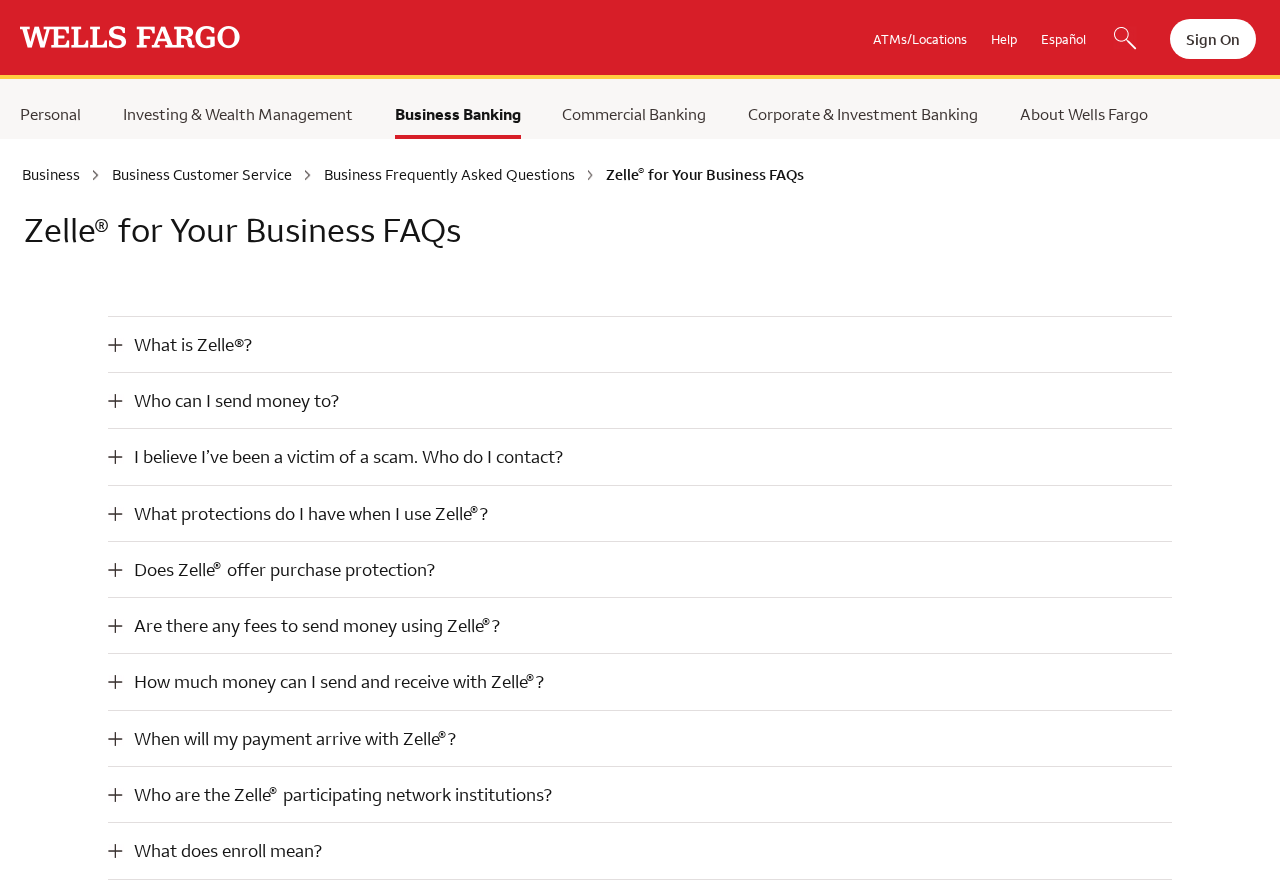
Wells Fargo’s Zelle business FAQs explain how an eligible business enrolls and receives a payment in its linked account. Enrollment does not require sending a buyer a release fee.
A paper check and a Zelle payment have their own records. When a caller says one can only clear after you approve the other, stop and verify both.
The published account leaves the reimbursement outcome open. It also gives no way to tell whether the person on Facebook and the caller were the same individual.
How the Fake Check and Wells Fargo Call Scam Works
Step 1: The buyer introduces a payment problem before the sale
A new business inquiry is welcome, especially when the buyer says they have already arranged payment. In this case the complication appeared before anything came into the seller’s hands.
The extra zero gives the seller a reason to anticipate a correction. It can also make a stranger sound like someone who made a believable mistake.
Before doing anything, check the contract or invoice you actually sent. If the buyer says there was an error, ask them to correct it on their side.
Step 2: A bank-branded alert makes the story sound independent
The text followed the Facebook conversation and used Wells Fargo’s name. The family member said it also mentioned a Zelle withdrawal.
A notice can appear to confirm something a buyer just told you. Open your banking app and see whether it actually lists a withdrawal, deposit, or transfer waiting for action.
If there is activity in your account, the bank can identify it through an official support channel. If the ledger is empty, keep the text as evidence of the claim.
Step 3: The caller gives the seller a reason to send money
The impersonator said the seller had to send money to release a hold. The seller authorized a transfer through Zelle while the check the buyer described was absent.
Follow the direction of the money on the app screen. You may have started by expecting a buyer to pay you, but the confirmation may say you are paying them.
Ask your own bank about any real deposit hold. A person you reached through a text or unsolicited call cannot release a check by receiving a transfer from you.
Step 4: A second demand claims the account needs an upgrade
The first payment did not settle the problem. The family member said the caller returned with a $500 demand and a story about upgrading the business account.
When the family challenged the caller, the buyer and the supposed security contact sent threats. They used alleged consequences involving court orders, credit and garnishment to add pressure.
Save those threats and stop contact. Handle the real transfer through your own bank, and tell the platform about the buyer profile and original conversation.
Which Record Can Prove the Buyer Paid?
An expected check remains an expected check
If someone says a check is coming, write down the expected payment method on the invoice. Wait until you actually have a payment before you discuss returning part of it.
If the check eventually arrives for too much, contact your bank before depositing it. The FTC’s fake-check guide explains why available funds can disappear when a check is returned.
If you already deposited a document, tell the bank. Ask about the status of that deposit and whether any spending or outgoing payment relied on it.
In the reported incident, there was no confirmed check in the ledger. That makes the real Zelle transfer the immediate reporting priority.
Read the Zelle entry from your side of the sale
Use the bank’s activity view to see the amount, direction, recipient and status. A text saying there was a withdrawal may have nothing to do with that record.
Keep pending and completed entries distinct when talking to support. If the bank offers a cancellation option, ask which transaction it applies to before you do anything unrelated.
Save the account that funded the payment and the date it went out. If more than one seller had access to the business account, confirm who actually pressed Send.
Give every team a useful account of what happened
The bank needs transaction facts and details about the impersonation. The platform needs the business page, message history and profile that started the conversation.
The family member said the transfer was made during the call. If yours was too, describe what you believed the security payment would do when you approved it.
If someone used your credentials to make a separate transfer, report that activity distinctly. The bank may need to investigate who initiated each payment before deciding how to handle it.
Zelle’s reporting guidance explains the distinction and says certain impostor scams may qualify for reimbursement. Ask the participating financial institution to review the specific transaction.
Use the bank’s case reference when you follow up. If a new person calls about a refund, use the number on your card or the app to check that update.
Make sense of two people contacting you at once
In the reported case, the buyer and the purported bank contact used separate channels. The timing was persuasive because the bank seemed to know a dispute was already unfolding.
When that happens, put the conversation on hold on both channels. Contacting the bank yourself gives you a third conversation based on the transactions it actually sees.
Record the order of events before deleting or blocking messages. Start with the first business inquiry, then place the text, call and actual transfer in the order they occurred.
Note how each person identified themselves. Save the number displayed on the incoming call and any separate number they told you to use. Mark both as unverified.
If support wants a description, the simplest wording is often enough. Say a buyer told you they had overpaid, and a caller posing as bank staff asked for money.
If the story involves a seller who took messages and a different employee who sent the payment, get both accounts. The bank may need to speak with an authorized user.
Keep a customer order open only while its payment is verifiable
Do not mark an invoice paid just because someone forwarded a receipt. Check the transaction from the account that should receive the money and record what you actually see there.
If you promised to ship something, hold the shipment while the bank verifies payment. Keep the hold in your own order records so a coworker does not fulfill it.
If a real customer made a mistake, wait for the bank’s answer. Then agree with the customer on a payment method that works for both of you.
Decide who can approve a refund when other people work on the business page. Use the original invoice and payment history so a message cannot substitute for a real authorization.
If an incoming payment eventually appears, ask the bank how to handle it. Sending a fresh transfer to a different identifier can leave both transactions on your account.
Do not accept the threat of a bad review as a reason to move money. Keep the original conversation and follow the platform’s process for dealing with harassment.
Check if more than one transaction needs a report
If you only initiated the $300 payment discussed here, ask the bank to confirm its status. A requested $500 upgrade is a separate event even if no money changed hands.
If bank activity shows a withdrawal predating the phone call, flag it independently. The seller in this case received a text about a withdrawal, which is different from verifying one.
Tell the bank what came from its own ledger and what the caller claimed. That distinction keeps a fake alert from being confused with a second disputed payment.
If support asks for documents, ask for its secure channel. Keep card numbers, verification codes and business account credentials out of messages to the supposed buyer.
What to Do if You Have Fallen Victim to This Scam
-
Stop the conversation. Save the Facebook messages, the purported bank text and the call times. Do not send the fee described as an account upgrade.
-
Call your bank directly. Use the number on your card, statement or app. Ask for the team that handles the Zelle transfer from your account.
-
Give the bank the transaction details. Tell it the amount, time, recipient and how the caller presented the payment. Ask what review is available.
-
Report a check separately if there is one. Bring the actual deposit details to your bank. Explain any promised check that never turned up.
-
Secure exposed account information. Tell the bank if you gave away a code, password, account number or screen access. Ask which accounts and devices it can review.
-
Report the buyer and threats. Use the platform’s reporting controls. In the US, you can also send an account of the incident to FTC ReportFraud.
If another employee handles business messages, tell that person what happened and share the bank’s official fraud contact internally. Let them know an apparent buyer may return under another account.
If you accepted an order you are now canceling, keep the cancellation in the original business records. Avoid promising a refund for a payment the bank cannot verify.
If you receive new threats, save them where they will not be lost if the message thread is blocked. Describe what was said when you file a report.
Review other information that was shared in the sale
Ask who answered the buyer and what they provided. An invoice can contain ordinary contact details. An app sign-in or code, if shared, needs a faster call to the bank.
If the buyer was sent a payment identifier for another person in the business, let that person know.
They may receive a separate message and have a different account to check.
If a bank alert arrives later, open the official app to verify it. A follow-up may mention a different amount or recipient while referring to the same supposed check.
Tell coworkers which account can confirm a real deposit. That gives them somewhere to check before they ship goods in response to a screenshot.
Frequently Asked Questions
Can a Zelle transfer release a paper check?
Ask your bank about any real deposit hold. Do not send a payment to a buyer or caller who claims it will release a different transaction.
Does Zelle ask sellers to pay for a business upgrade?
Check enrollment through your bank. An incoming payment does not require sending a buyer or bank impersonator $500 to upgrade an account.
What if the check never showed up?
Tell the fraud team there was a claim about a check and no actual deposit. Give priority to reporting the transfer you can see in your own history.
Why did I get a bank text just after the buyer’s message?
The timing made the texts sound connected. Check the bank’s activity to verify the claim independently and save both messages for the bank if a transfer was made.
Could I get the $300 back?
Your bank can review the payment and impersonation facts. Ask which reimbursement process applies. Neither the caller nor any recovery service can promise the result.
What if the buyer says they will take me to court?
Preserve the threat and stop negotiating through chat. If you receive something that purports to be real legal paperwork, verify it with the named court independently.
The Bottom Line
Do not send Zelle money to release a check or finish a bank upgrade. Ask your own bank whether either transaction exists.
If you paid the caller, report that transfer with its recipient and amount. Keep the check story, fake bank text and second fee demand as supporting evidence.

Join the discussion
0 commentsShare your experience or ask a question about this article.
Discussion
Start the conversation
Have a question or something useful to share? Add the first comment.