

If you’ve recently seen an ad on Facebook, TikTok, or Instagram claiming that JOANN Fabrics is hosting a massive clearance or “going out of business” sale, you’re not alone. With eye-popping discounts like 90% off fabric, sewing machines, and craft supplies, it’s easy to see why so many shoppers are lured in. Unfortunately, many of these ads lead to scam websites designed to steal your money and personal information.
This article explores everything you need to know about the JOANN Fabric clearance sale scam websites. From how these scams operate to what to do if you’ve been affected, we’ll cover every detail to help you stay safe online.
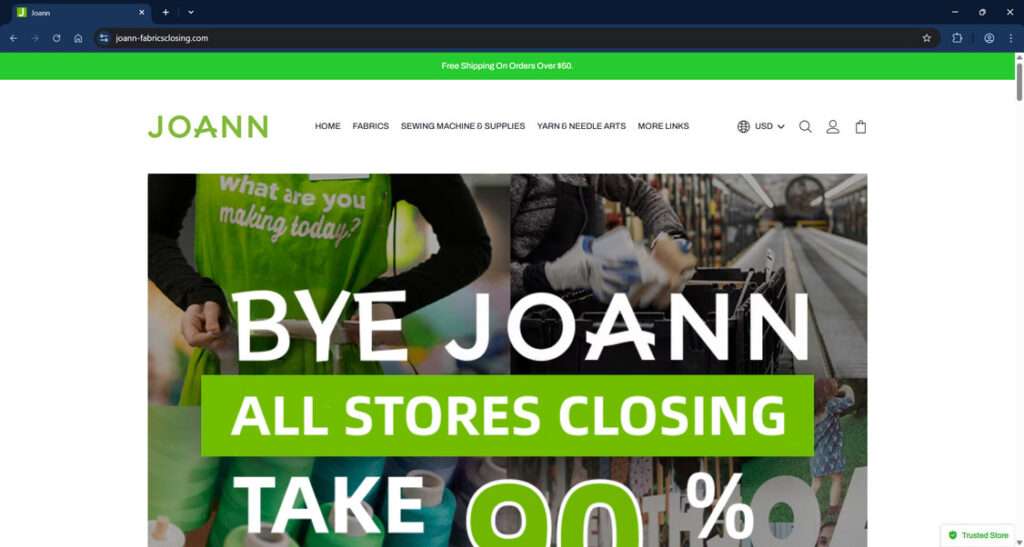
Scam Overview: The Rise of Fake JOANN Clearance Sale Websites
Scammers are capitalizing on the widespread news that JOANN Fabrics is closing multiple stores across the country. By exploiting this reality, they make their fake sales appear legitimate. Their strategy is simple: set up fraudulent e-commerce websites using JOANN’s branding, promote the sites through paid social media ads, and wait for unsuspecting shoppers to click, shop, and pay.
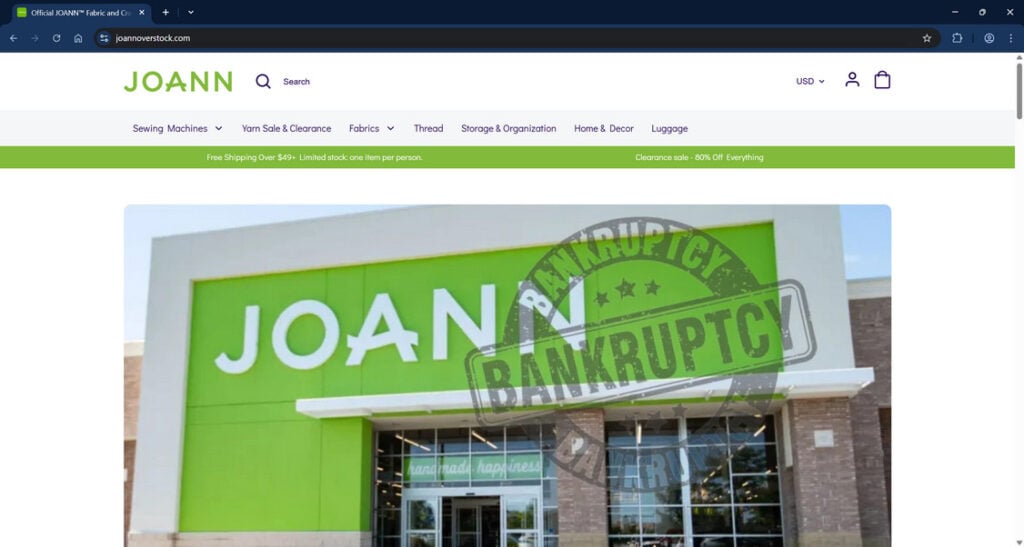
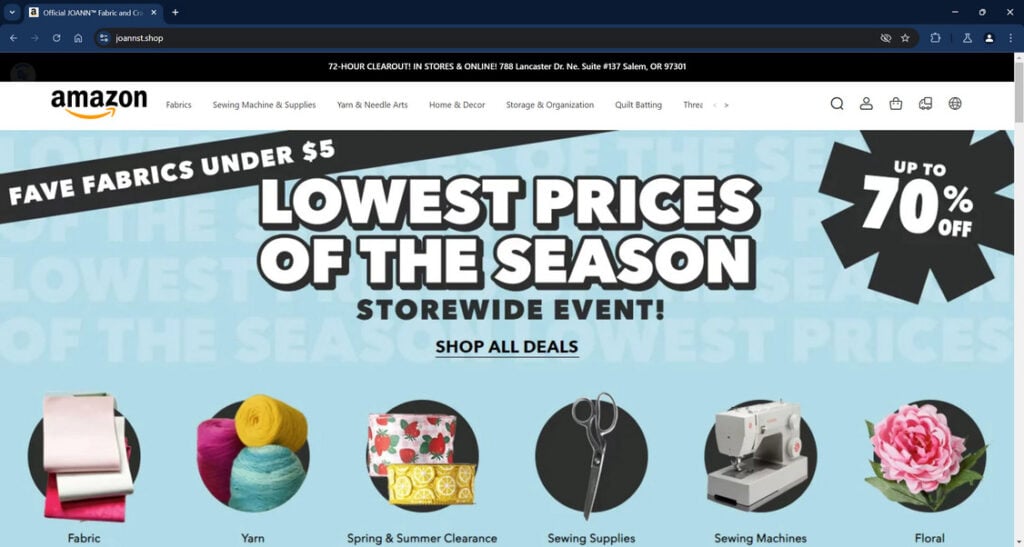
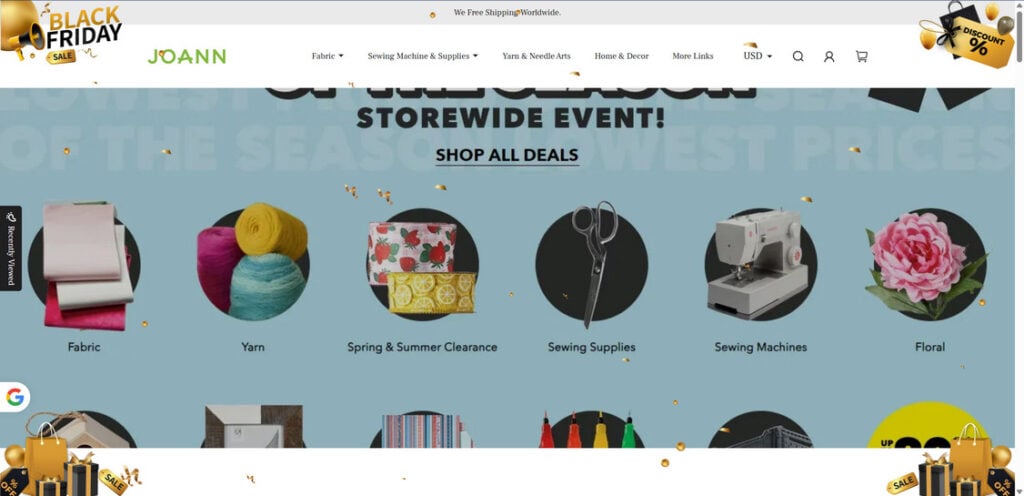
The Lure of Fake Discounts
The scam begins with the promise of incredible deals. Common phrases used in these ads include:
- “Warehouse Clearance Sale”
- “Everything Must Go”
- “90% Off JOANN Fabric Products”
- “Going Out of Business – Final Sale”
- “Store Closing – Limited Time Only”
- “Free Shipping on All Orders”
These are attention-grabbing statements, especially to loyal JOANN customers who might think they’re catching a final opportunity to save big.
Sophisticated Phishing Techniques
What makes these scams so dangerous is their level of detail. The fake websites are often well-designed, mirroring JOANN’s actual site in layout, branding, colors, fonts, and product images. These details are often plagiarized directly from JOANN’s official website. The scammers may even use legitimate-looking URLs that include the word “joann” or “outlet,” such as:
- joann-clearancesale.shop
- joannclosingstore.com
- joannoutlet-store.site
- joannfabricdeals.com
These domains are often newly registered, and their registration details are usually masked or point to foreign countries.
Fake Contact Information and Customer Service
Once shoppers make a purchase, they quickly realize there’s no way to reach the company. The only contact option is often a generic or suspicious-looking email address, such as support@joannoutlet-shop.com. If a physical address or phone number is listed, it’s typically fake. Attempts to reach out for refunds or delivery updates go unanswered. In some cases, users receive bizarre products unrelated to their order, like plastic bracelets, cheap sunglasses, or toy items, which serve only as a cover for fraudulent transactions.
Common Red Flags
Here are some of the most common red flags found across these fake websites:
- Recently created domain names
- Absence of company information or clearly fake contact details
- Poor grammar and awkward phrasing in product descriptions and policies
- Extreme discounts not matched by any reputable retailer
- Stolen images and descriptions from JOANN’s official website
- No customer reviews or fake testimonials
- No social media presence or links to real company profiles
Real Victims, Real Consequences
Reports from victims have surfaced on Reddit, Facebook, and consumer watchdog sites like the Better Business Bureau (BBB) and Trustpilot. Victims share stories of spending $50 to $300 or more, only to receive nothing in return or be sent completely unrelated items. Even worse, some notice additional unauthorized charges appearing on their credit cards after the initial purchase.
The scam doesn’t only cause financial loss. It also exposes victims to potential identity theft and phishing attacks since scammers now possess their personal and payment details.
Understanding how this scam works is the first step in protecting yourself and your loved ones.
How the Scam Works
To protect yourself from these deceptive schemes, it’s essential to understand the mechanics behind them. Here’s how the JOANN clearance scam typically unfolds.
Step 1: Ad Creation and Targeting
Scammers invest in creating high-quality image and video ads, often stolen from JOANN’s official promotions or completely fabricated. These ads are then run on social media platforms like Facebook, TikTok, and Instagram using paid promotion tools.
The ads are often geo-targeted to U.S. audiences and crafted to appeal to people interested in crafting, DIY projects, or fabric arts. Scammers take advantage of platform algorithms to push these ads in front of likely buyers, including followers of JOANN’s official pages.
Step 2: Redirect to Fake Website
Once someone clicks on the ad, they are redirected to a fake website. This site is meticulously crafted to look authentic. Common traits include:
- Copycat JOANN logo and branding
- Product listings identical to JOANN’s actual catalog
- High-resolution images
- Discount banners such as “Save 90%” or “Free Shipping Today Only”
- Popups that simulate recent sales to create urgency
The goal is to build trust and nudge the visitor into making a quick decision.
Step 3: Add to Cart and Checkout
Shoppers can browse products, add them to their cart, and proceed to checkout just as they would on any legitimate site. During checkout, the site collects sensitive personal data, including:
- Full name
- Email address
- Shipping address
- Phone number
- Credit card information
Some sites may also ask users to create an account, further increasing the risk of identity theft.
Step 4: Order Confirmation and False Reassurance
After completing the purchase, users receive a confirmation email. However, this email often lacks details such as a tracking number or customer service link. The site may show a fake order history page or promise shipping within 5–7 days.
Step 5: Delayed Realization
Most victims begin to realize something is wrong when:
- No shipping confirmation arrives after a week
- The site goes offline or becomes inaccessible
- Customer service emails bounce or go unanswered
- A package arrives with an item completely different from what was ordered
In some cases, the scam site will claim delays due to “high demand,” stringing victims along until chargeback windows close.
Step 6: Credit Card Abuse or Identity Theft
Beyond the initial purchase, some victims report:
- Unfamiliar charges on their credit card statement
- Increased spam emails and phishing attempts
- Unauthorized subscription services billed monthly
This is because the scam doesn’t end with one fraudulent transaction. Once scammers have your data, they can sell it or use it for other criminal activity.
Understanding these steps helps you recognize warning signs before you click and enter sensitive data on a fraudulent website.
What to Do If You’ve Fallen Victim to the JOANN Scam
If you’ve already made a purchase or shared personal information with a fake JOANN clearance site, act quickly to minimize the damage.
1. Contact Your Bank or Credit Card Company
Report the transaction as fraudulent immediately. Most banks and credit card companies offer buyer protection and can reverse charges. Ask about canceling your current card and issuing a new one to prevent further unauthorized transactions.
2. File a Report with the FTC
Go to reportfraud.ftc.gov and submit a detailed report. This helps the Federal Trade Commission track patterns and potentially shut down fraudulent operations.
3. Notify the Better Business Bureau (BBB)
Use the BBB Scam Tracker to report the incident. Sharing your experience helps warn other consumers.
4. Monitor Your Credit
Consider placing a fraud alert or credit freeze through one of the major credit bureaus: Experian, Equifax, or TransUnion. This helps protect your identity and makes it more difficult for scammers to open new accounts in your name.
5. Change Your Passwords
If you created an account or used a password you use elsewhere, change it immediately. Use strong, unique passwords for each online account and consider using a password manager to keep them secure.
6. Report the Ad to the Platform
If you saw the ad on Facebook, Instagram, or TikTok, report it directly through the platform’s tools. Social media companies rely on user reports to remove fraudulent content.
7. Share Your Story
Warn your friends and family by sharing your experience. Post on community forums, Facebook groups, and relevant subreddits. Your story might prevent someone else from falling into the same trap.
8. Be Cautious Going Forward
Be skeptical of deals that seem too good to be true, especially from websites you’ve never heard of. Always verify the site’s URL, check for an SSL certificate (https), and look for reviews before making a purchase.
Frequently Asked Questions About the JOANN Fabric Clearance Sale Scam
Is JOANN Fabrics really going out of business?
JOANN Fabrics is closing some store locations but is not going entirely out of business. Official sales are conducted only through their verified website or in physical store locations. Any third-party website claiming a massive clearance sale with 90% off deals should be approached with caution.
How can I tell if a JOANN clearance website is fake?
There are several red flags to watch out for:
- Extremely steep discounts (such as 80–90% off)
- Poorly written website content or broken English
- Recently created domains with suspicious URLs
- No real customer service contact (only an email address)
- Lack of social media links or presence
- No secure HTTPS protocol
- Stolen product photos and logos
Always verify the URL and check for reviews before making a purchase.
What happens if I purchase from a scam website?
Most victims report receiving no product at all, or receiving a random item such as sunglasses or a toy. Some also experience additional unauthorized charges. There is usually no way to contact the seller or get a refund, and any personal or payment information entered may be compromised.
Can I get my money back after being scammed?
Yes, but it depends on how quickly you act. Contact your bank or credit card company immediately to dispute the charge. Most banks offer some form of buyer protection and can initiate a chargeback if reported within a certain time frame.
Should I report the scam to authorities?
Absolutely. Report the scam to:
- The Federal Trade Commission (FTC) at reportfraud.ftc.gov
- The Better Business Bureau (BBB) via their Scam Tracker
- The Internet Crime Complaint Center (IC3) at ic3.gov
Reporting helps stop these operations and protect others from falling victim.
Is it safe to click on JOANN ads on Facebook or Instagram?
Exercise extreme caution. While some ads may be legitimate, many fake ones are running paid promotions that look very real. Instead of clicking on the ad, go directly to JOANN’s official website at joann.com to verify any sale.
What should I do if I gave my personal information to a scam website?
If you entered personal details like your name, address, or credit card number, take these steps:
- Contact your bank and cancel your card
- Monitor your bank statements for unauthorized activity
- Change any reused passwords
- Consider placing a fraud alert on your credit report
- Report the incident to the FTC and BBB
Can I get help recovering from identity theft?
Yes. If you believe your identity has been compromised, visit IdentityTheft.gov to create a personalized recovery plan. You can also contact one of the major credit bureaus—Experian, Equifax, or TransUnion—to place a fraud alert or credit freeze.
How do I verify if a sale is officially from JOANN?
Always shop directly at joann.com or check their verified social media accounts for announcements. JOANN’s real clearance or going-out-of-business sales will never require you to click a suspicious third-party URL or enter sensitive information on an unfamiliar site.
The Bottom Line
The JOANN Fabric clearance sale scam is a sophisticated and widespread scheme that preys on unsuspecting consumers through fake websites and misleading social media ads. These scams offer unbelievable discounts and mimic legitimate retail sites to trick shoppers into handing over their money and personal information.
While JOANN Fabrics is indeed closing some locations, the official sales are only conducted through their physical stores and verified website. Never trust a site that seems suspicious, lacks contact information, or pushes you to buy immediately.
If you believe you’ve been scammed, don’t wait. Act quickly to protect your finances, secure your identity, and report the fraud to help others avoid becoming victims. Stay alert, verify before you buy, and share this information with others so we can stop these scams from spreading further.

Join the discussion
0 commentsShare your experience or ask a question about this article.
Discussion
Start the conversation
Have a question or something useful to share? Add the first comment.