

Before ordering from Globestill.shop, separate the promise in the listing from the protections you would have if something went wrong. An attractive photograph, a large discount and a checkout page do not answer the practical questions: who will fulfill the order, what exactly will arrive, and how would you resolve a problem?
This guide explains common online shopping fraud patterns and the checks to make when assessing Globestill.shop. The examples below are warning signs to look for, not claims that particular customers have experienced them at this store. Treat each sign as a question to investigate before spending money.
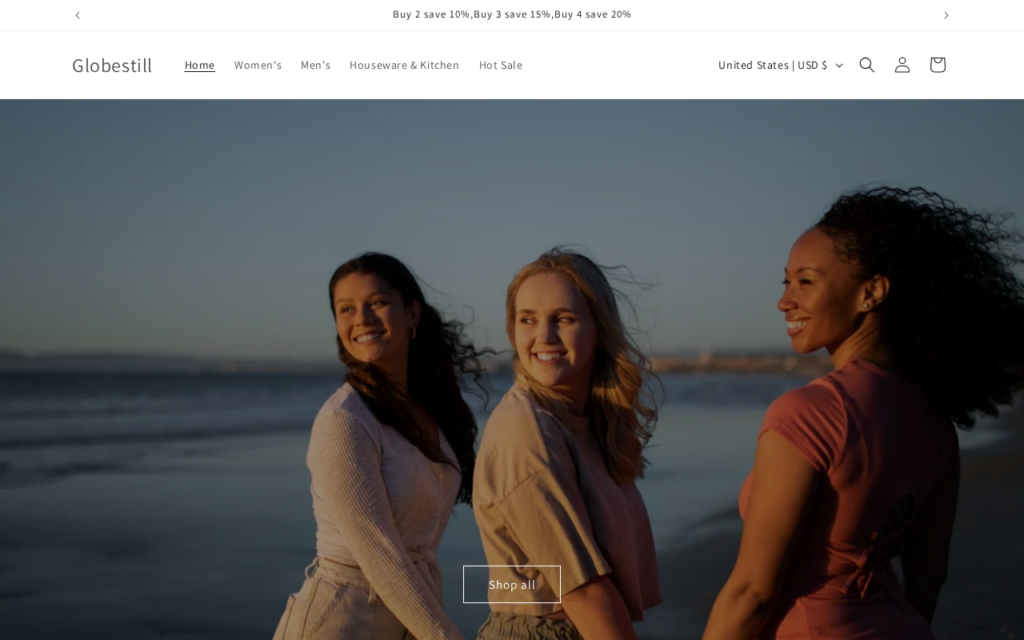
Overview
Check the exact website and who is responsible
Start with the exact website address. A familiar-looking name may belong to a different business, and a link in an advertisement may lead somewhere other than the brand you expected. Read the hostname in your browser, then compare it with the address used by the business through an independently located contact channel.
Next, identify the seller. Look for a legal business name, a working contact method and a clear explanation of where orders ship from. These details should fit together across the product page, checkout, contact page and policies. If different names appear, ask the seller to explain their relationship before paying.
Match the product promise to the actual order
A website may legitimately use a trading name or a separate payment processor. The useful test is whether the connection is clear and independently checkable. A mismatch is a reason to pause and investigate; it is not enough on its own to prove that a business is dishonest.
Also check what the payment buys. The main picture might show several items while the selected option includes only one accessory. A demonstration may feature a different size or model. Save the description and your chosen options so there is a record of the promise attached to the order.
Keep uncertainty separate from an accusation
Use the information available for Globestill.shop to answer three practical questions. If an answer is missing, that is a gap to resolve before checkout, not permission to invent a customer complaint or an explanation for the gap.
- Who accepts responsibility for the goods and the payment?
- Does the selected product match the description and final price?
- What clear remedy applies if the delivery or item differs from the promise?
How a Shopping Scam Can Work
Step 1: An attractive offer creates a reason to hurry
A shopping trap can begin with an offer that makes comparison feel unnecessary: a clearance price, a closing-down sale, a dramatic demonstration or a product presented as difficult to find elsewhere. The risk increases when the page pressures you to act before you have checked the seller and the terms.
Step 2: Checkout changes the practical terms
The next stage may be a checkout that introduces new information. Shipping charges can appear late, the quantity can differ from the advertisement, or an optional add-on can already be selected. Read the final order summary slowly. Do not assume that the amount shown beside the first Buy button is the complete cost.
Step 3: The delivery fails to match the promise
Problems after payment can take several forms. An order might not arrive, a delivered item might differ materially from its description, or the seller might be difficult to contact. These are possible outcomes to protect against, not a substitute for evidence about any particular shop.
Step 4: The remedy becomes the next obstacle
If a dispute arises, the practical issue is often the gap between a broad promise such as “easy returns” and the specific conditions required to use it. Understanding those conditions before purchase gives you a better chance of avoiding an order that would be expensive or impractical to return.
Check the Seller, Address and Order Support
The store name should connect to an accountable business
Compare the business named in the terms with the name at checkout and on the receipt. If they differ, ask what connects them. A payment processor may handle the charge, but you still need to know which seller is responsible for supplying the goods.
A return address is not necessarily the headquarters
Ask whether a published address is an office, a dispatch warehouse or a returns facility. A shared fulfillment address does not by itself connect two shops or prove misconduct. Its practical importance is whether you can use the stated return process at a reasonable cost.
Support should answer the question you actually asked
A useful reply identifies the order and addresses the delivery, product or refund issue. Keep the original response. If a contact method fails, record what happened and when instead of assuming that every customer has had the same experience.
Trace the item to its specification and supplier
Look for a manufacturer or model where that information matters to compatibility, maintenance or warranty support. A generic description leaves you with less to compare. Do not infer a product’s country of origin or condition from another store’s similar photograph.
Check the product rather than trusting the presentation
Compare the model number, measurements, materials and included parts with other listings. A product described only with broad praise gives you little to assess. For a powered item, look for relevant specifications and compatibility information. For clothing or furniture, check actual dimensions instead of relying solely on a photograph.
Look at photographs closely. If you find the same image elsewhere, compare the surrounding description and seller identity. Shared images may come from a manufacturer, a wholesaler or unauthorized copying. The image match alone does not tell you which explanation applies, so avoid treating it as a complete answer.
Video demonstrations also deserve careful reading. Consider whether the demonstrated item matches the item listed for sale, whether the clip identifies its source, and whether important limitations are disclosed. A persuasive demonstration cannot replace a clear written description of the product you are actually buying.
Ask a specific question if a detail matters to your decision. For example, ask whether the listed price includes the complete device or only a replacement part. Keep the answer with your order records. A vague reply that simply repeats marketing language leaves the original uncertainty unresolved.
Read discounts, timers and social advertisements carefully
A large percentage discount is useful only when the comparison price has meaning. Compare the final price with other sellers of the same product and specification. An impressive crossed-out number does not, by itself, show what the item normally sells for or whether you are receiving unusual value.
If a countdown or low-stock message is pushing you to hurry, step away long enough to check the offer. A real purchase decision should survive a few minutes of scrutiny. Pressure can make people overlook a different model, an unclear delivery promise or a return condition that would otherwise matter.
An advertisement appearing on a familiar social platform should not be treated as a guarantee of the advertiser’s reliability. Open the destination address yourself and investigate the seller separately. Comments, reaction counts and polished creative material can influence how an offer feels without answering who is responsible for the order.
When checking a promotion involving a known brand, use that brand’s independently located website or customer service channel. Ask whether the offer and seller are authorized if the relationship is unclear. Avoid using only contact details supplied by the advertisement to verify the advertisement’s own claims.
Review delivery and return terms before checkout
Separate processing time from transit time. A statement about dispatch does not necessarily promise delivery by the same date. If you need an item for a particular occasion, look for a clear delivery commitment and consider what you would do if the shipment arrived too late.
Check the return destination, who pays postage and whether the seller requires advance authorization. A return address in another country can materially change the cost of resolving a problem. That fact is not proof of fraud, but it may make a purchase unsuitable for your needs or budget.
Look for exclusions that affect the product you intend to buy. Hygiene rules, customization, clearance conditions or packaging requirements may limit returns. The important question is whether the relevant conditions are clear before payment and consistent with the promises on the product page.
Save a copy of the policy that applied when you ordered. If a later reply introduces a new condition, you will have a record to compare with it. Keep the product description, order confirmation and seller correspondence together rather than relying on pages remaining available indefinitely.
Look for useful evidence about the seller
Search for information that identifies the exact domain and transaction, rather than treating every mention of a similar shop name as relevant. Different businesses can share common words. A complaint about another hostname or an unrelated seller should not be transferred to Globestill.shop without a clear connection.
When reading a review, consider whether it describes a particular item, order date and attempt to contact the seller. Specific details can help you understand what the writer experienced. Repeated praise with little substance, or an accusation without identifying details, may provide less useful information for your decision.
Pay attention to how the seller responds to an actual problem. A helpful response should address the issue and explain the proposed remedy. Generic reassurance is not the same as a resolved order. At the same time, one delayed reply does not establish the overall conduct of a business.
If credible independent information is scarce, keep that uncertainty in your decision. A new or small shop may have little history, but you are not obliged to take that risk. Choosing an established alternative can be sensible when you cannot verify details that would matter if the purchase went wrong.
Protect the payment and your account details
Before paying, check the amount, currency and seller name in the final payment screen. Review any recurring-charge language and optional purchases. If the screen does not match the order you intended to place, stop and ask for clarification before submitting your payment details.
Consider what protections and dispute options your payment provider offers for the proposed transaction. Those options vary with the payment method and circumstances. Contact the provider directly if you are unsure; do not rely on the seller’s description of what your bank or payment service will do.
Use a unique password if the shop requires an account. Reusing a password can turn a problem with one website into a problem with other accounts. Be cautious about requests for identity documents or extra personal information that are difficult to connect to the goods you are purchasing.
Do not install software, share a one-time login code or give someone remote access to your device simply because they say it is necessary to complete a refund. Pause and contact your payment provider through a channel you locate independently if a proposed remedy requires unusual access.
What to Do if You Have Fallen Victim to This Scam
If your interaction with Globestill.shop has led to a payment or account problem, work through the steps that apply to what actually happened. You do not need to solve every uncertainty at once.
-
Begin with the order confirmation. Record the date, amount, payment method, product options and delivery promise. Check whether the seller supplied a meaningful order number and a contact method. Keeping these details in one place will make subsequent conversations clearer.
-
If the stated delivery period has not passed, follow the shipment information while remaining alert to inconsistencies. If it has passed, write to the seller with a specific request: a verifiable delivery update, a replacement where appropriate, or an explanation of the refund process. Keep the reply.
-
A tracking number should be checked on the carrier’s own website when possible. Compare the destination and shipment details available there with your order. If something does not fit, describe the discrepancy precisely when contacting the seller or payment provider rather than relying only on a broad allegation.
-
If a parcel arrives and the goods differ from the listing, photograph the packaging, shipping label and item before discarding anything. Record the differences in size, model, contents or condition. Specific comparisons are more useful than saying the product is disappointing without explaining why.
-
Contact your payment provider promptly if the seller cannot resolve the issue or if you suspect unauthorized activity. Explain what happened and ask which options apply to your transaction. Provide the records requested, keep reference numbers and follow the provider’s instructions about further communication or evidence.
-
Do not assume that a partial refund offer is your only possible option, or that refusing it automatically produces a better outcome. Read the terms carefully and ask your payment provider how accepting an offer could affect an existing dispute before making a decision.
-
If you downloaded a file or installed software during the interaction, run a device scan with Malwarebytes and review unfamiliar browser extensions. A scan can help identify malicious software; it cannot resolve an order dispute or recover a cryptocurrency transfer.
-
If repeated ads or redirects keep bringing you back to suspicious offers, consider AdGuard to reduce advertising and block listed harmful destinations. No blocker recognizes every new page, so keep checking the seller or operator independently before sending money.
Keep a clear record and avoid a second problem
Useful records include the exact domain, the advertisement or message that led you there, the product page, payment confirmation, tracking information and correspondence. Take screenshots that show the relevant wording and date where available. Store originals so you can distinguish what you saw from later changes.
If you report the matter to a platform, consumer authority or police reporting service, describe your own experience accurately. Separate what you directly observed from what you suspect. Avoid publishing other people’s personal details or transferring allegations from a different seller just because the websites look similar.
Be cautious if someone contacts you offering guaranteed recovery in exchange for an upfront payment. An unsolicited promise to recover money does not establish that the person has the authority or ability to do so. Verify any proposed service independently before sharing documents or paying another fee.
If you used the same password elsewhere, change it on those other accounts through their official websites. Review account activity and payment statements for unfamiliar actions. A problem with an order does not automatically mean your information was stolen, but unusual activity deserves a prompt response.
Frequently Asked Questions
Does a secure connection mean the store is trustworthy?
A secure browser connection protects information while it travels to the website. It does not establish that the seller will deliver the advertised product or honor a refund. Treat connection security as one requirement, not a complete assessment.
Is a low price enough to identify a scam?
No. Discounts can be legitimate. The useful question is whether the price, product description, seller identity and purchase conditions form a coherent offer. A low price combined with unanswered practical questions gives you a reason to pause.
Should I make a small order to test the seller?
You do not need to spend money to investigate an uncertain shop. A small transaction can still expose account or payment information and does not prove that a later, larger order will be handled the same way.
What if customer service promises that everything is fine?
Ask for information that addresses the specific issue: an identifiable carrier, a clear delivery date, the correct model, or written return instructions. Reassurance is useful only when it resolves the point that prompted your concern.
Does a delivery prove that every part of the offer was accurate?
Receiving a parcel establishes that something was delivered. Compare its contents with the exact listing and options you selected. If the item differs, document the specific discrepancy and ask the seller for the applicable remedy rather than assuming delivery settles the issue.
Can a refund promise justify another payment?
Do not pay an unexplained release or processing charge merely to receive a promised refund. Ask your payment provider to assess the request through its official channel. Keep the proposed refund conditions with the records of the original purchase.
The Bottom Line
Do not order while important questions about the seller, product or remedy remain unanswered. Use the checks above to evaluate what Globestill.shop actually shows you, and keep any conclusion tied to that evidence. Common shopping-scam patterns help you ask better questions; they do not establish the facts of every individual store.
If you have already paid and encountered a problem, concentrate on preserving records, contacting the seller and asking your payment provider about the options available. Avoid additional payments made solely to obtain a promised refund. A clear account of the transaction is more useful than rushing into another offer or an unsupported accusation.








