


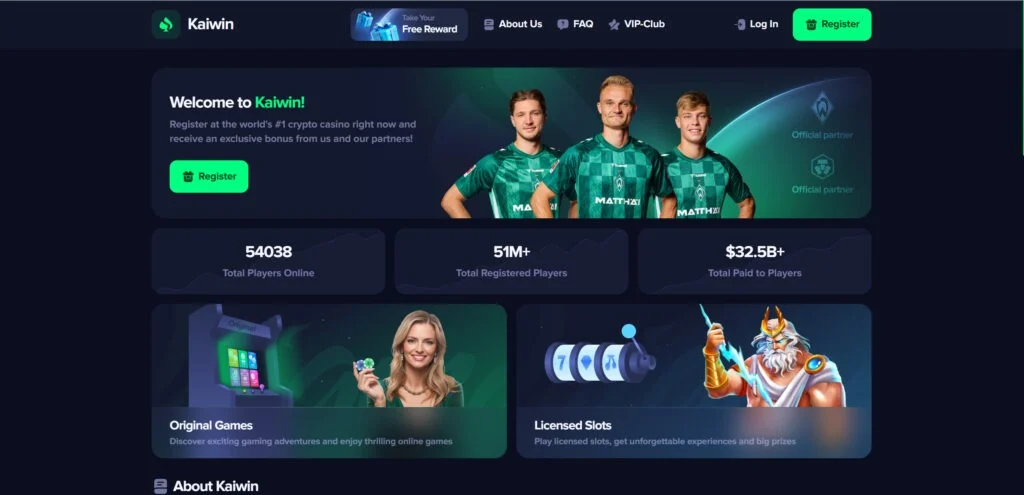
Nothing about Kakowin.com looks amateur at first. It’s built like a modern crypto casino, with a slick lobby, familiar games and a signup promo code that delivers a big bonus.
None of that generosity survives a withdrawal attempt. The moment you try to cash out, Kakowin.com shows you what it was really built for.



Overview
Built to look like a crypto casino you can trust
Kakowin.com describes itself as a decentralized gaming platform. To make that believable, it relies on cues you’d normally connect with a legitimate crypto casino:
- A self-awarded “#1” ranking that no source ever backs up.
- The usual crypto vocabulary: “blockchain,” “decentralized” and “provably fair.”
- Clean, professional design copied from well-known crypto casinos.
- Well-known game types such as slots, Crash, Mines and Plinko.
- A big bonus that pops up as soon as you register.
- A live ticker of “recent wins” and “withdrawals” that keeps on scrolling.
First impressions are strong: busy, modern, well funded. Hold it to the standard you’d use for any service that keeps your money, and the gaps come into view.

Getting money out is the real problem
Nothing gets in your way at sign-up or while you play. Then you try your first withdrawal, and the site asks for a new crypto deposit to “verify” your account.
That’s the scam, right there in the deposit request. Pay it and the site asks for more. Turn it down and your on-screen balance stays exactly as it is.
The site usually gives the demand an official-sounding name, such as:
- Verification deposit
- Activation fee
- Network fee
- Security deposit
- Wallet validation
The fee gets renamed, never redesigned. It always comes down to paying extra to reach money you supposedly already have.

Kakowin.com is a fake crypto casino. If it asks for a “verification” or “activation” fee to unlock your withdrawal, don’t pay it, and don’t deposit at all.
What Our Investigation Found on Kakowin.com
Here’s what we noticed when we looked at Kakowin.com:
- Kakowin.com was registered on September 30, 2026, only 48 days ago.
- Kakowin.com is built from the same site kit as namowin.com, dehawin.com, fumopex.com and cuzwin.com, which MalwareTips has already exposed as scams.
How the Kakowin.com Scam Works
Every step in this funnel has one job: get you to that first withdrawal, where the real ask begins. It’s the same on every site running the scam.
Step 1: An ad or chat group offers a promo code
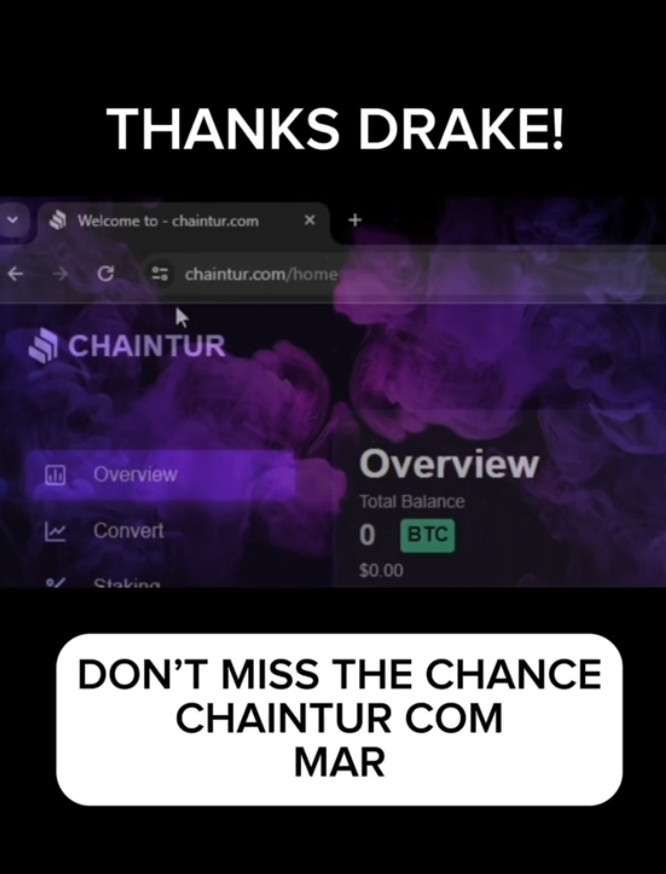
How do people end up on Kakowin.com? Rarely by searching. Sites like it are pushed through TikTok clips, YouTube ads, Facebook and Instagram posts, or Discord and Telegram groups.
The script hardly varies. There’s a promo code, a bonus worth thousands, a “limited time” warning and a set of screenshots showing huge payouts or balances.
On these platforms, speed beats checking. You watch a clip for a few seconds, the code looks like an insider deal, and commenters keep claiming they’ve been paid out.




Step 2: You can sign up in seconds
You won’t be asked for much. Identity checks are missing, proof of address isn’t required, and often your email isn’t even confirmed.
None of that speed is accidental. The less time you spend on the site before your first game, the lower the chance you’ll search for reviews and warnings.
Some sites ask you to connect a crypto wallet. That’s where you stop. One approval of wallet permissions on a site like this can let it drain your wallet.
Step 3: Bonus credit you can gamble with
You redeem the code and get a large bonus, often anywhere from $2,000 to $10,000. Then you play with money that was never really yours to begin with.
It’s common to see early wins. They grow your balance and your confidence, so cashing out feels like a simple formality.
The games play smoothly, from Crash and Plinko to Mines, dice and slots. Don’t read anything into that polish; its job is to convince you a withdrawal will go through.

Step 4: The payout stops before it starts
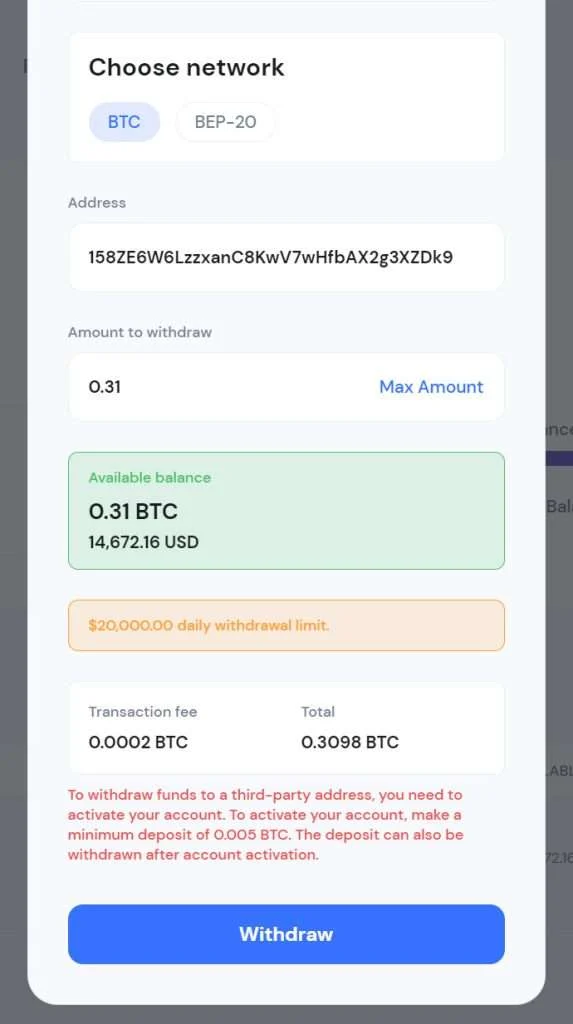
Things feel different once you request a withdrawal. In place of a payout, you see a message citing verification, a locked wallet or a minimum deposit:
- “Withdrawals are locked until verification is complete”
- “Minimum deposit required to withdraw”
- “You must verify your wallet before payout”
- “Security check in progress”
You won’t see a flat “you can’t withdraw” here. Every message says you can, once you finish one more step. That keeps your hope going.
Step 5: Money in before money out
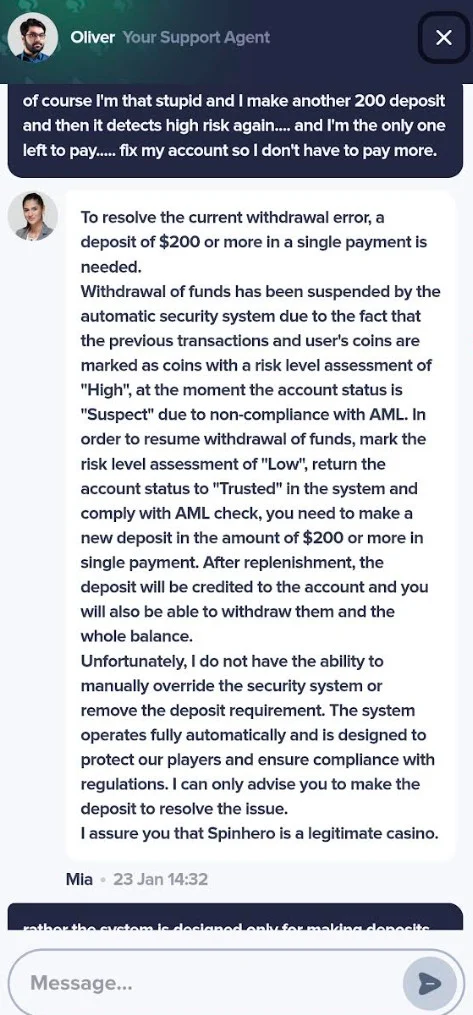
This step is where the site extracts money. Either the page or its support chat tells you to send a new crypto deposit, commonly $100 to $500, to “activate” withdrawals.
Some sites dress the request up with a countdown or a “pending” payout, so paying feels urgent. The payout never reaches you, no matter how much you send.
Step 6: Fee after fee, then no reply
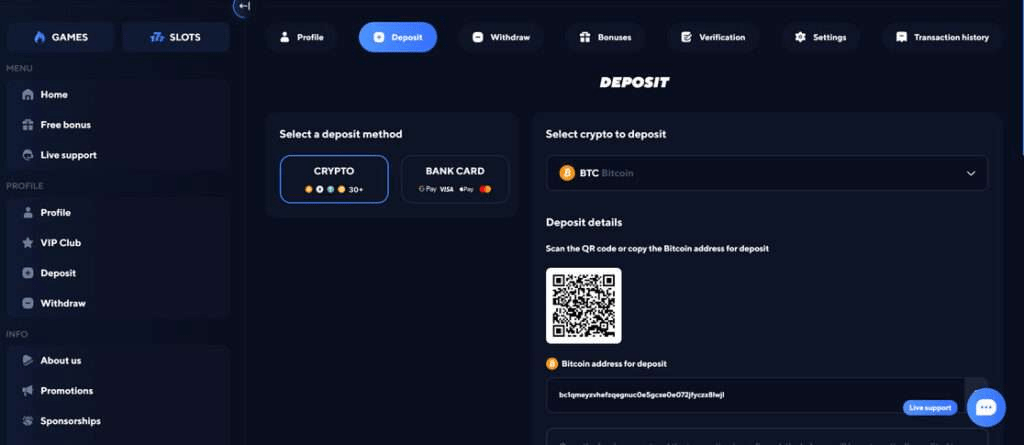
The withdrawal doesn’t follow your payment. A fresh requirement does, in the shape of a higher verification tier, a VIP upgrade, a tax on your winnings or a bigger deposit.
A lot of replies simply stall: “try again later,” “your withdrawal is pending,” “you chose the wrong network.”
Keep paying and the support agents stay pleasant. Once they see you won’t send more, the answers slow, get fuzzy, and stop entirely.
Red Flags at Kakowin.com
Most of these signs can appear in isolation. The first one is enough on its own. As a cluster, they point to the crypto casino scam kit behind Kakowin.com.
A new deposit stands between you and your withdrawal
Here’s where the question gets settled for good. If the site won’t release a balance you’ve supposedly won until you deposit again, there is no payout.
Genuine charges are taken straight from the money you’re withdrawing. Paying separately to “unlock” your balance makes no sense for you. It only makes sense for the scammer.
A sign-up reward too big to trust
Real casinos aren’t shy about the conditions on their welcome offers, from limits to wagering rules. A bonus in the thousands with no strings isn’t a promotion. It’s bait.
Click through to the bonus terms, if there’s anything to click. On sites like this they’re usually blank, vague or copied, and how you’d withdraw the bonus is never explained.
Endless player and win counters
Watch the feed for a minute. Wins, withdrawals and the online player count roll past endlessly, and on sites like this they’re usually scripted animations instead of real activity.
Refresh a few times and the cast tends to repeat: same usernames, same amounts. That points to a looping feed, not live data.
No operator, license or dispute route you can check
Any real gambling site lists three things: its operator, its license and a dispute route. Fake casinos such as Kakowin.com usually omit them entirely or invent them.
Copy the license number into the regulator’s register search. When the site offers no number or the number fails to match, treat it as unlicensed.
Quick to sign up, impossible to withdraw
No checks, just a sign-up that takes seconds. Then, the moment you want your money, “verification” is suddenly required. That’s the reversal the trap depends on.
Real verification means documents. A legitimate casino asks for them when you register or before it pays you out the first time, and it doesn’t ask for crypto instead.
Support agents who only bring up deposits
Ask a clear question about your withdrawal and the reply still returns to paying. Real support would explain the delay instead of asking for another payment.
Only crypto deposits, no card payments
Sites like this insist on crypto deposits, and the reason is that crypto payments are almost impossible to reverse.
Same Scam Playbook, Different Domains
There’s nothing unique about Kakowin.com. Domains come and go, but a long list of them reuse its layout, games, bonus pitch and withdrawal message.
Viewed side by side, these sites carry identical fingerprints:
- Repeated headline wording in the style of “Decentralized Crypto Gaming Platform #1”
- Identical layouts with a matching game carousel and game list
- An identical, oversized bonus offer
- The same deposit-first message standing between you and any payout
Here are lookalike domains running the same kit:
- Bunodex.com
- TryGamb.cc
- Olympus-games.net
- KaiWin.cc
- Betaras.com
- Bezhope.bet
- Acegam.com
- 8BitWin.com
- 7Spiny.com
- Nexusball.com
- Germibet.cc
- Telaxplay.com
- EnyBex.com
- Roarax.com
- Siodex.com
- RuseWin.cc
- Epicdrops.life
Each domain puts a different name on the lobby. The withdrawal message never changes, and that’s what gives the scam away.
If you recognize these fingerprints, don’t pay a single coin to prove the site is honest. For any casino you’re unsure about, use the free test below.
The reason behind all the new domain names
The operators get several benefits from hopping between domains:
- Complaints and bad reviews don’t follow them to the new domain.
- The ads carry on, now pointing to a “clean” new address.
- A search for the new domain doesn’t bring up any warnings yet.
- More domains, same funnel, bigger reach.
Don’t judge these sites by their names. Judge them by what they do: each new domain still hits the same withdrawal wall.
The Withdrawal Wall Test
Doubtful about a crypto casino? Give it this quick test before your first deposit.
Try this two-minute check
- Open an account with a spare email address and a password you’ve never used elsewhere, and make the withdrawal page your first stop.
- Enter a small withdrawal from the bonus, even $10, and submit it.
- Study the message the site shows you.
- If a deposit, a fee, a wallet connection or a “wallet verification” transfer is required at any step, you’re at the wall. Don’t deposit.
It costs nothing to learn this before depositing. Learning it later can cost you every payment you made.
Warning phrases that expose the scam
The same playbook leaves fingerprints. Watch for wording like this:
- “Verification deposit required to withdraw”
- “Activate withdrawals by making a deposit”
- “Pay the network fee to process your withdrawal”
- “One final step to unlock your funds”
The single question that exposes the trap
Tell support you’ll accept the fee if it’s deducted from the withdrawal. If nothing reaches your wallet, don’t pay. Save the transcript and walk away.
What to Do If You Have Fallen Victim to This Scam
Sent a deposit already? From here, it’s about cutting your losses, keeping your accounts safe and saving the evidence investigators will want.
- Stop the payments now. Refuse the next verification deposit, activation fee or network fee. Each one you pay only leads to another demand.
- Document what happened. Grab screenshots of your balance, the withdrawal prompts and your support conversations. Then list the promo code, each deposit address and every transaction hash.
- Alert the exchange you used. If your payment went out through an exchange, give them the recipient address, transaction hash, amount and date so they may flag the wallet.
- Lock down your accounts. Set new passwords for your email and exchange, switch on two-factor authentication, and revoke every wallet permission you approved on the site.
- Scan your device. Remove any app or extension you installed for the casino, then check everything with Malwarebytes Free.
- Say no to recovery services. Those who ask for an upfront fee to get your crypto back are running a second scam. This is exactly what the FBI warns about.
- Report it. US residents can file with ReportFraud.ftc.gov and the FBI’s Internet Crime Complaint Center (IC3). Outside the US, go to your national cybercrime unit or local police.
- Flag the source. The platform where the ad appeared should hear about it. Report the ad, the account that published it and the promo code.
- Block ads in your browser. Ads and fake posts are how these casinos find players. AdGuard blocks many of the malicious ads and pop-ups, so fewer of them reach you.
- Share what you know. Keep it short and factual: the bonus, the deposit demand and the wallet address. That helps others recognize the same trap.
With crypto, a transfer is hard to pull back. That makes speed the top priority: the sooner the exchange and the authorities have the details, the better.
Frequently Asked Questions
Is Kakowin.com a legitimate crypto casino?
No. Kakowin.com is a fake crypto casino. It’s happy to let you play with a bonus balance, but it meets every withdrawal with the same demand: make a new deposit.
Expect to see the same layout and withdrawal trap on many other domains. A site can have a new name and zero warnings online and still not be safe.
Is the sign-up bonus real money?
No. That balance is a number on a screen, nothing more. It’s there to get you playing, and no deposit you make will ever convert it into a payout.
Can I withdraw my winnings from Kakowin.com?
No. The withdrawal is locked behind a “verification” deposit. Paying that deposit just opens the door to more demands, and the payout never comes.
Why does Kakowin.com want a deposit to verify my account?
Because the deposit is what the scam is after. Identity checks on real platforms rely on documents, not crypto payments.
It’s an advance fee with a friendlier name. “Verification” makes the deposit sound routine, yet you’re paying to release money that doesn’t exist.
I already paid the verification deposit. Should I pay again?
Don’t pay again. Each payment brings a new requirement and leaves your money where it was. Save your evidence, then report the transactions to your exchange.
Can someone recover my crypto for a fee?
Be very cautious. When a recovery offer wants money upfront, you’re looking at a common second scam built for people who just lost funds.
If a recovery service wants payment first, remember that the FBI’s IC3 warns about exactly that. Take your report to the authorities instead. It won’t cost you anything.
The Bottom Line
Kakowin.com is a fake crypto casino. The bonus, the busy lobby and the promises on the page all lead to one place: a deposit demand at the first withdrawal.
Send nothing to Kakowin.com, and treat any payment to unlock a withdrawal as a hard no. For crypto gambling, look for a licensed platform that tells you who operates it.
Already paid? Send no more. Every transaction hash and screenshot should be saved, and the wallet addresses reported to your exchange and the authorities today.

Reviews & discussion
0 commentsShare a firsthand experience, or ask a question.
Community reviews
kakowin.com
Moderated reader experiences, not an editorial verdict.
Start the conversation
Have a question or something useful to share? Add the first comment.