

The proposal is presented as an arrangement, not a love story. Someone says a wedding and a little paperwork could solve an immigration problem.
A marriage scam can sound surprisingly organized. Before signing anything, look closely at what the organizer wants you to say, pay, and take responsibility for.
Overview
A paid arrangement can disguise false immigration paperwork
The scheme covered here packages a sham marriage as a safe route to immigration benefits. A broker recruits participants, coordinates payment, and promotes a false relationship.
It is different from a genuine couple seeking immigration help. It is also different from an ordinary relationship that later ends unhappily.
The warning centers on deliberate deception: being paid or charged to participate in a marriage arrangement that requires misrepresenting the relationship.
Some participants may be knowingly involved; others may be misled or pressured. Don’t assume everyone who receives an approach has already committed wrongdoing.
An official case shows how organized the offer can appear
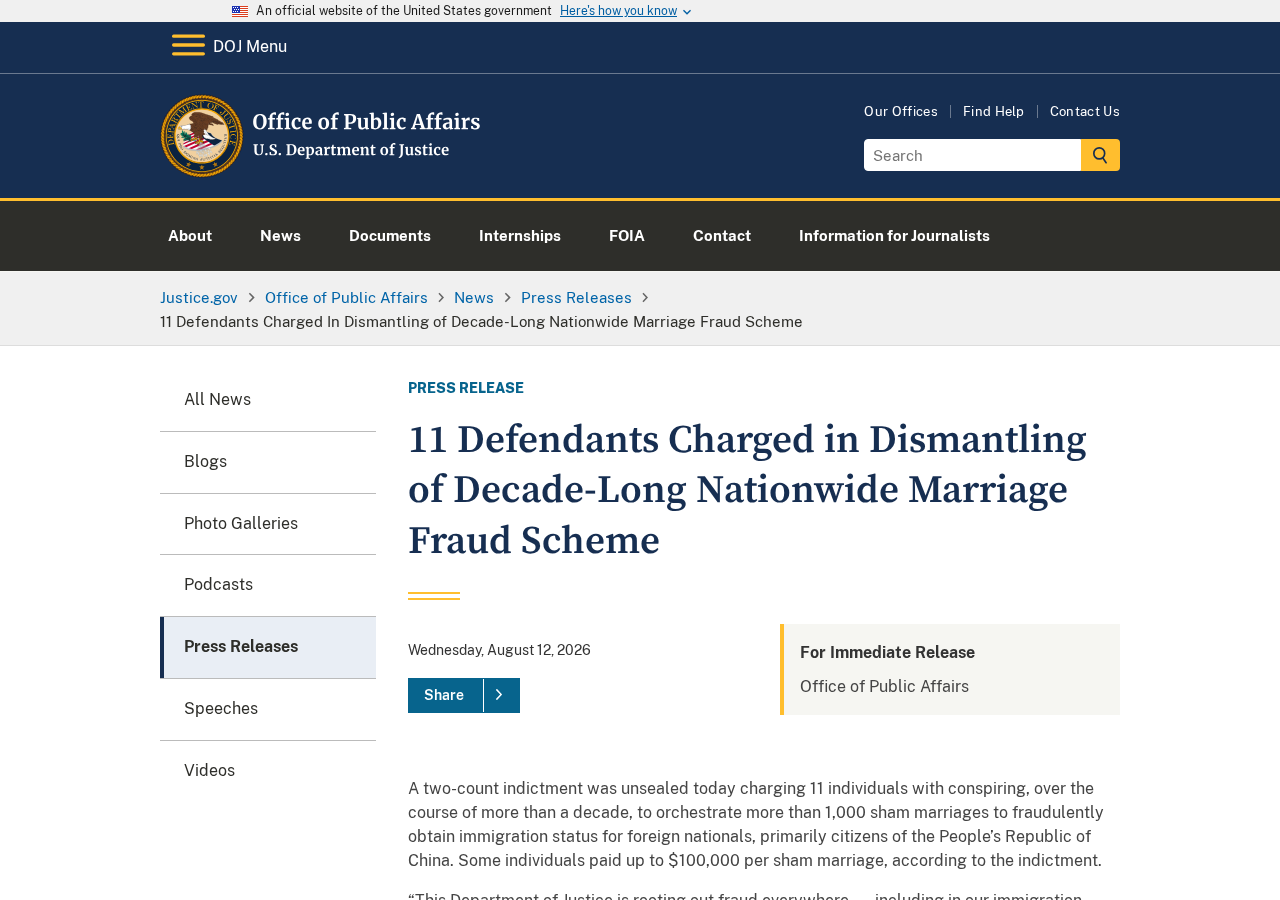
The Justice Department announced charges against 11 people on August 12, 2026 over an alleged network arranging more than 1,000 sham marriages.
Prosecutors described brokers, recruiters, payment arrangements, staged relationship evidence, and false immigration applications. An indictment contains allegations, not a finding that the defendants are guilty.
The case demonstrates the danger of an organized process being presented as routine. A coordinator’s confidence does not make a dishonest arrangement lawful.
This guide explains the recruitment pattern and practical precautions. It does not assess an individual marriage, application, immigration status, or criminal case.
The most important warning is a request to misrepresent reality
Focus on what you are being asked to do, not the person’s nationality, accent, income, or family background.
- Payment offered in exchange for marrying someone without a genuine relationship.
- A guaranteed immigration outcome attributed to the organizer’s connections.
- Instructions to sign information you know is untrue.
- Pressure to create a false account of the relationship.
- Discouragement from consulting an independently chosen legal representative.
- Threats or changing demands after documents or money have been supplied.
A wedding certificate is not an all-purpose answer to those concerns. The question is what the arrangement and accompanying representations actually involve.
Don’t Confuse a Difficult Relationship With Proven Fraud
Ordinary differences are not a fraud checklist
Couples can live apart for work, marry quickly, come from different countries, or have unconventional celebrations. Those facts alone do not establish deception.
A relationship can also break down after paperwork is submitted. Hurt feelings do not tell you what someone intended when the relationship began.
Using cultural expectations as proof can lead to unfair accusations. Focus instead on specific representations, payment requests, instructions, and documents you actually observed.
If you are worried about your own relationship, seek confidential, qualified advice. An internet warning cannot responsibly decide your partner’s motives.
A sham-marriage broker is not simply a dating service
A matchmaking service may charge for introductions. A broker offering a paid marriage and false statements is proposing something materially different.
Likewise, legitimate legal professionals can charge for immigration work. A fee does not itself prove fraud, and professional help is not the same as purchased eligibility.
Ask what the service actually provides. If the answer involves a spouse selected for paperwork rather than a genuine relationship, don’t treat it as ordinary administration.
A disclosed service contract cannot make false statements true. The label attached to the arrangement matters less than the conduct it asks you to participate in.
How the Paid Marriage Scam Works
Step 1: A broker presents a shortcut or easy payment
The approach starts with an alleged solution: an arranged marriage will resolve a status problem, or participating in a wedding will earn you money.
The message may reach someone through an acquaintance or recruiter rather than an obvious spam account. That connection can make the offer feel familiar.
A recruiter may emphasize convenience and minimize responsibility. Hearing that other people have participated does not establish that the arrangement is safe.
Ask yourself what makes the promised result possible. If it depends on describing a relationship differently from reality, the central problem is already visible.
Don’t provide identity documents just to hear more. You can refuse an unverified approach without establishing your eligibility, citizenship, finances, or home address.
If someone calls it a private favor, keep the actual request in view. A friendly introduction does not remove the consequences of documents signed in your name.
Step 2: Organization makes the proposal look professional
Appointments, a coordinator, formal-looking papers, and a payment schedule can give the arrangement a sense of legitimacy. Each piece may look ordinary in isolation.
A scheduled appointment and a tidy folder can feel reassuring. Neither changes a request to describe a marriage differently from the relationship you actually have.
The organizer may offer to select every adviser and handle every question. That convenience leaves little room for someone independent to evaluate what you’re agreeing to.
Choose your own qualified advice before paying or signing. An adviser whose instructions come entirely from the broker may not resolve your concerns independently.
Ask for understandable explanations, including translations when needed. Being unable to read a document is a reason to pause, not a reason to trust verbal reassurance.
Don’t accept assurances that a signature is merely a formality. Find out what the paper says and what actions it authorizes before adding your name.
Step 3: Documents and money create continuing leverage
The arrangement can involve identity records, payments, signatures, or access to personal financial information. Giving those up can make withdrawal feel more complicated.
You may worry about losing a deposit, disappointing someone, or having private documents used against you. Those worries can keep a doubtful process moving.
Separate what you’ve already supplied from what is now requested. An earlier payment is not a reason to sign a statement you know is false.
Don’t open shared accounts or provide access simply because someone describes it as standard paperwork. Ask an independent professional about the specific obligation.
If you cannot get your own copy of a document, stop and address that concern. You need to understand records bearing your identity.
Pressure can become more serious when someone holds documents or controls communications. Preserve what you have and get advice without relying on their permission.
Step 4: The arrangement requires an invented relationship story
The decisive point is an instruction to represent something untrue. That might concern the relationship, a living arrangement, a document, or an answer to an official question.
Ordinary preparation means understanding a truthful application. Coaching someone to conceal the actual arrangement is different.
You don’t need to learn every immigration rule to recognize a direct request to lie. Don’t participate while hoping the organizer’s confidence makes it acceptable.
If information is inaccurate, point it out before submission and seek independent advice about correcting it. Never let a coordinator decide truthfulness for you.
Don’t sign blank forms that someone else will complete later. Keep your own readable copies of anything already signed or submitted.
If an application is already pending, don’t improvise a replacement story. The safest next step is qualified advice based on the actual records.
If the organizer’s solution requires you to lie, don’t look for a more convincing answer. Step away from the proposal and get independent advice.
Step 5: Follow-up demands keep you tied to the scheme
An organizer may say your payment, cooperation, or silence is needed until the process finishes. A promised endpoint can keep moving.
A person expecting payment may be told to complete another stage first. Someone who already paid may face new charges to preserve the supposed opportunity.
Don’t assume that receiving one payment removes future responsibility. Money received and documents signed are separate facts that an independent adviser needs to understand.
Threats about immigration status or authorities can make help feel dangerous. Don’t accept the broker’s version of your options as independent legal advice.
If you are unsafe, prioritize personal safety. A financial arrangement does not justify intimidation, control over your documents, or pressure to make further false statements.
What to Check Before Any Marriage-Related Paperwork
Choose help outside the organizer’s network
Look for a qualified immigration attorney or appropriately accredited representative through official channels. Check the person’s actual credentials instead of relying on a business card.
The Justice Department’s legal-representation resources provide routes to recognized services and information about representatives.
Explain the proposal plainly, including promised money and any instructions about your relationship. Leaving out uncomfortable details makes useful advice harder to obtain.
Ask whom the professional represents and how fees work. You should know whether they are advising you or someone else involved in the arrangement.
Read the record, not just the reassurance
Review names, addresses, relationship descriptions, signatures, and authorizations in documents bearing your identity. Keep copies in a location you can access independently.
Ask which documents are official applications and which are private agreements. A broker’s receipt is not evidence that an agency approved the proposal.
If language is a barrier, arrange an understandable explanation from someone independent. Don’t let the organizer insist that reading the documents is unnecessary.
Keep official correspondence separate from messages sent by the broker. That helps you distinguish an agency request from a privately invented deadline.
Protect safety without making public accusations
Don’t publish someone’s identity records or start a campaign against a partner based on suspicion. Reporting concerns requires facts, not a public verdict.
Describe what you saw: an offered payment, a false instruction, or a document. Distinguish those observations from conclusions about another person’s motives.
If someone threatens you, save the threatening communication when safe. Avoid a confrontation designed to force an admission or provoke additional evidence.
A trusted person can help you reach independent assistance. Choose support that won’t relay your concerns back to the person pressuring you.
What to Do if You Have Fallen Victim to This Scam
-
Pause the proposed arrangement. Don’t send another fee, sign further papers, or repeat instructions you believe are false.
If a real appointment or deadline exists, get independent advice promptly. Ignoring official correspondence is not the same as refusing a broker’s request.
Receiving an approach doesn’t establish that you committed wrongdoing. Focus on stopping additional exposure while you clarify the actual position.
-
Get qualified advice about your particular records. Explain whether you paid, received money, signed documents, attended a ceremony, or submitted an application.
Immigration, family, and possible criminal-law questions may require different expertise. Ask the adviser to identify which issues need attention.
Don’t assume this article can tell you how to withdraw a filing or what happens to a spouse’s status. Those decisions depend on individual facts.
-
Preserve the original communications. Keep recruiter details, proposed terms, payment instructions, receipts, documents, and any messages requesting false information.
Make a timeline that distinguishes what was proposed from what actually happened. Keep records unchanged and note where each item came from.
Don’t destroy embarrassing messages or rewrite documents to improve the story. An adviser needs an accurate record, including details that concern you.
-
Secure documents and financial access. Note which identity records, accounts, or signatures the organizer received. Protect copies without taking someone else’s property.
If account credentials were shared, change them through genuine settings and inspect access. Discuss joint-account obligations with appropriate professional help before making consequential changes.
If identity information is misused in the U.S., IdentityTheft.gov provides recovery guidance. Sharing a document alone does not prove misuse occurred.
-
Ask the payment provider about money sent. Explain the transaction honestly, including what the recipient promised and what you understood at the time.
Request the applicable dispute or recall options and keep the reference. If you received money, seek advice before deciding how to handle it.
FTC guidance covers payment-specific recovery steps, but cannot determine responsibility for a particular marriage arrangement.
-
Use official reporting routes for specific concerns. The USCIS Tip Form is a route for suspected immigration-benefit fraud.
Provide direct observations accurately, distinguishing allegations from facts. A tip is not an application correction, legal advice, or proof that another person committed fraud.
If your own conduct or pending case raises legal concerns, discuss the reporting process with your independently chosen adviser.
-
Seek safety assistance for threats or coercion. If there is immediate danger, contact local emergency services rather than negotiating with the organizer.
Tell a trusted person what help you need. Consider whether communications and stored records are safe from anyone controlling your device or living situation.
You don’t have to confront the recruiter to prove you’re serious. A safe exit and independent assistance matter more than obtaining an admission.
-
Be wary of another guaranteed fix. Someone offering to erase the paperwork, guarantee approval, or prevent every consequence for a new fee deserves scrutiny.
Stay with verifiable professional help and genuine agency communications. Keep copies of advice, contacts, and actions taken so follow-up remains organized.
A failed or fraudulent arrangement is not repaired by another promise that depends on false statements.
Frequently Asked Questions
Does marrying someone from another country prove fraud?
No. Nationality and a cross-border relationship are not proof. The concern is deliberate deception in the arrangement or representations, not the couple’s backgrounds.
Is every fee for immigration assistance suspicious?
No. Qualified professionals may charge for legitimate work. Buying a sham relationship or a false filing is different from paying for lawful advice.
Does a breakup show that the marriage was fraudulent?
Not by itself. Relationships can end genuinely. Get qualified advice about specific facts rather than treating disappointment as a legal conclusion.
What if someone offers to pay me for the wedding?
Don’t accept an arrangement requiring a sham relationship or untrue statements. Keep the proposal and consult an independent qualified adviser before signing anything.
Are the defendants in the 2026 case already convicted?
The cited announcement describes charges and allegations. It explicitly states that defendants are presumed innocent unless proven guilty in court.
Can a fraud report cancel a spouse’s immigration status?
This guide cannot determine anyone’s status or case outcome. Reporting suspicions is not a substitute for personalized legal advice or the relevant agency process.
The Bottom Line
Don’t join a marriage scam that trades payment for a sham relationship or false paperwork. Professional-looking coordination doesn’t make the underlying representations true.
If you’ve already signed, paid, or been pressured, preserve the records and obtain independent qualified advice. Address immediate safety concerns without relying on the broker’s promises.

Join the discussion
0 commentsShare your experience or ask a question about this article.
Discussion
Start the conversation
Have a question or something useful to share? Add the first comment.