

The Mocktail-1 Reset appears built for a familiar moment: someone wants fewer cravings, steadier energy, and an easier path back into healthier habits.
Its bright packaging and heavily discounted offer make the decision feel simple. The details become more complicated once pricing, frequency, ingredients, and expectations are separated.
Overview
What the product is
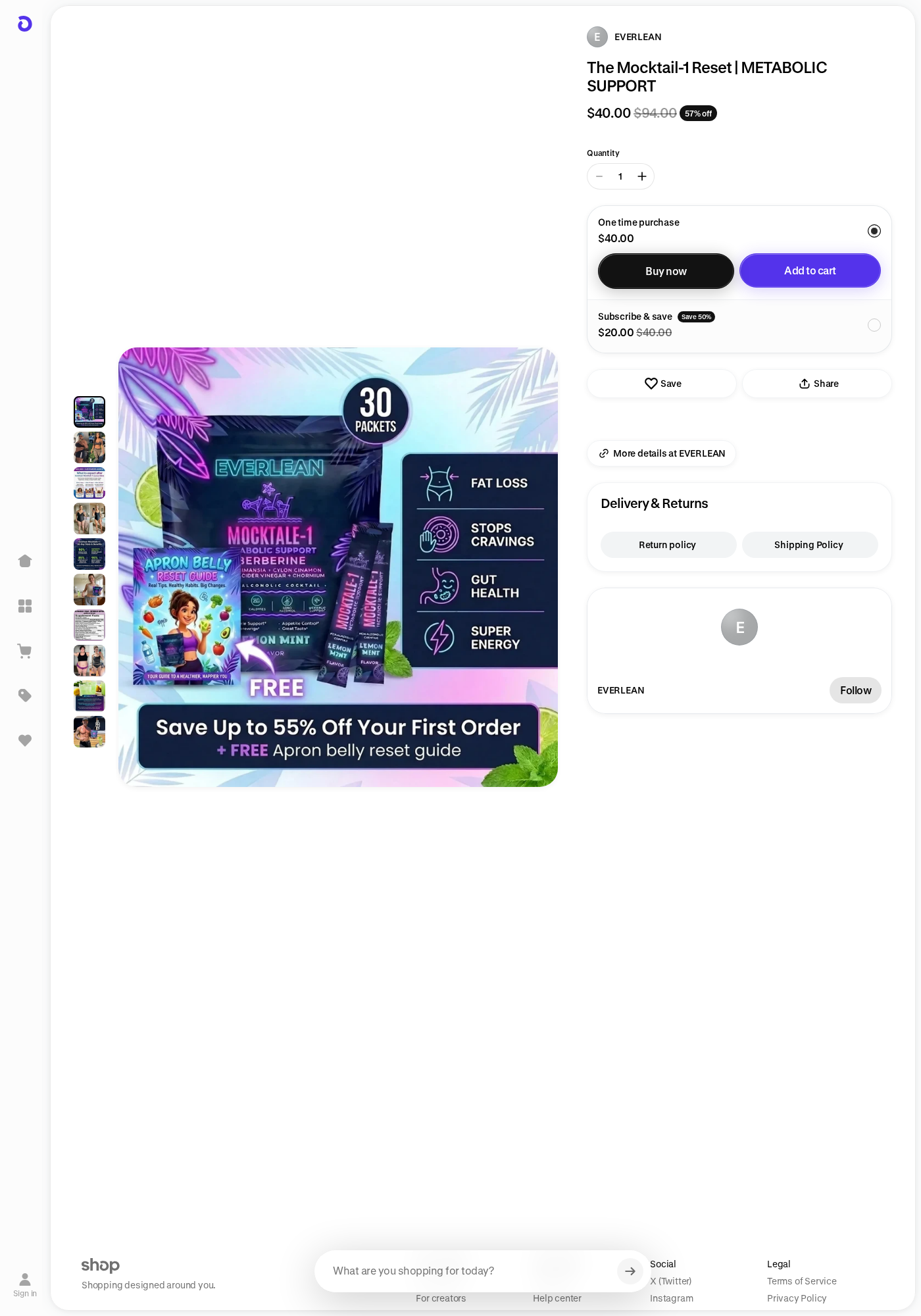
The Mocktail-1 Reset is a powdered dietary supplement sold in individual packets under the EVERLEAN name. Listings describe it as metabolic support.
Promotional images connect the drink with fat loss, fewer cravings, gut health, and higher energy. Some versions also include a digital belly-reset guide.
The reviewed listing offered 30 packets. It did not present the product as a prescription medicine or an FDA-approved treatment.
Why shoppers are asking questions
The offer combines large discounts, weight-management language, a subscribe-and-save option, and broad wellness promises inside a fast-moving storefront.
Those features do not prove fraud. They do create several points where a rushed buyer can misunderstand price, delivery frequency, evidence, or return rights.
The clearest example is the subscription choice. The displayed recurring price was lower, but deliveries were scheduled every two weeks.
What needs verification before checkout
A useful review should focus on the actual transaction rather than the colorful front label. These are the practical items to confirm.
- Whether the selected option is a one-time purchase or an automatically renewing subscription.
- How often packets ship and when the next charge occurs.
- The complete ingredient amounts, serving instructions, allergens, and warnings.
- Which legal business operates the store and handles cancellations.
- What the return policy covers after a package has been opened.
The product may be convenient for some adults. Convenience, however, is different from proven fat loss, appetite control, or metabolic treatment.
Is the Mocktail-1 Reset a Scam?
We found an active product listing, a visible storefront, prices, delivery choices, and merchandise associated with the EVERLEAN seller profile.
That evidence supports the existence of a sellable product. It does not independently validate every result suggested by the graphics or marketing language.
Based on the reviewed material, describing the entire offer as a proven criminal scam would be too categorical.
A more accurate concern is subscription clarity, aggressive discount framing, thin product-specific evidence, and the possibility that expectations exceed what a drink mix can deliver.
Consumers should also understand that marketplace availability is not a scientific endorsement. A checkout platform processes commerce; it does not certify health outcomes.
The safest conclusion is that this is a real product requiring a cautious purchase decision, especially when the lower price depends on frequent automatic deliveries.
The Price Looks Simple Until Frequency Enters the Picture
The reviewed listing showed two different commitments
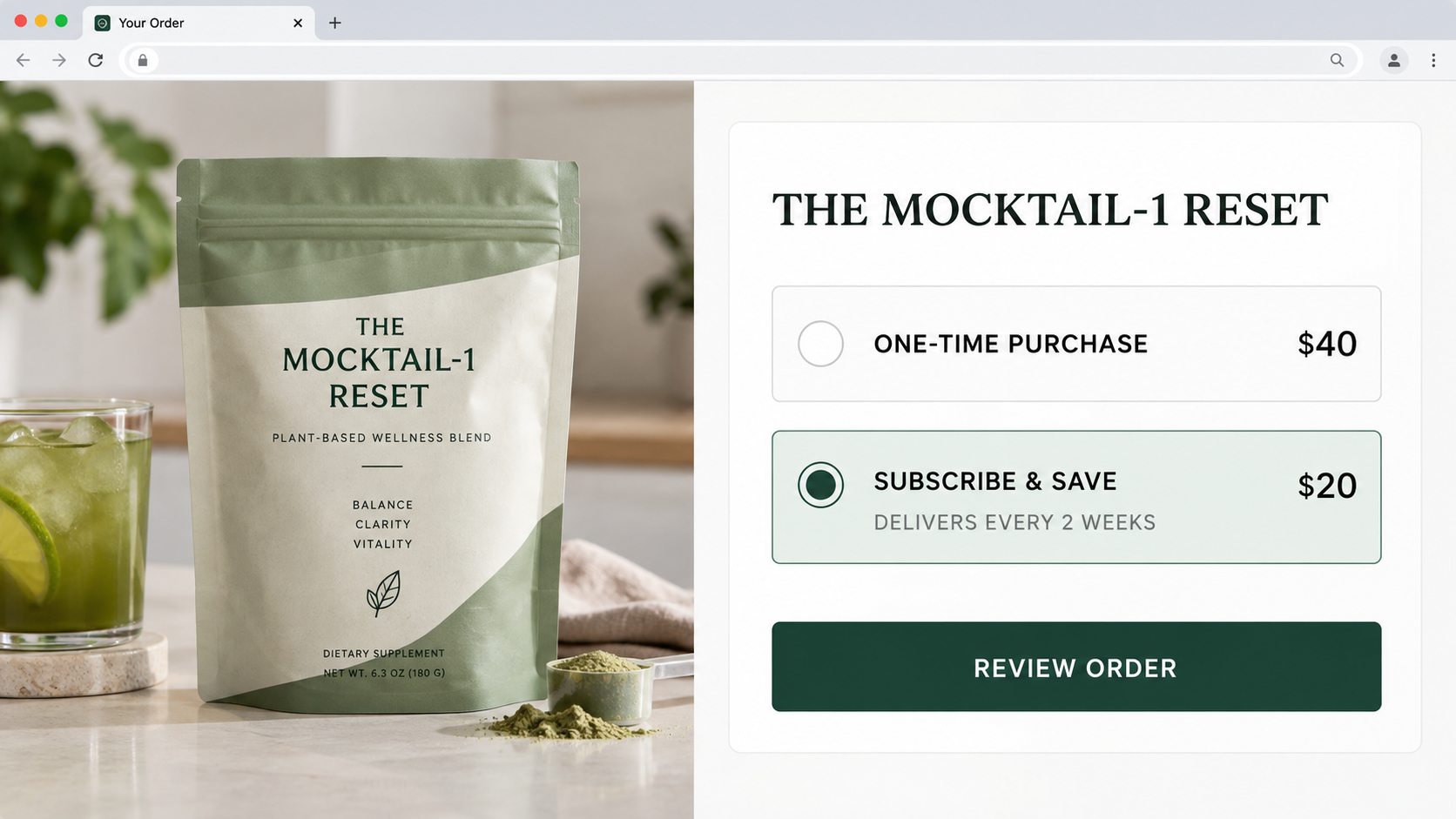
The visible one-time option was `$40` for the product. The subscribe-and-save option displayed `$20` and a 50% saving.
The recurring option also said delivery occurred every two weeks. That schedule matters as much as the attractive first price.
A two-week cadence can produce roughly two shipments during many calendar months. Buyers should calculate annual cost rather than judging a single discounted charge.
If the price remained `$20` every two weeks, 26 shipments would total about `$520` before tax, shipping, or later price changes.
That calculation is an illustration, not a prediction of every account. The actual terms at checkout control the charge and delivery schedule.
The reference price changes how the discount feels
The Shop listing compared `$40` with a crossed-out `$94` or `$95` reference price, depending on the displayed view.
Another storefront view showed the same product at several different prices. Such variation can make the apparent saving difficult to evaluate.
A discount is meaningful only when the reference price reflects genuine, regular sales. A large percentage badge alone does not establish value.
Compare packet count, serving size, shipping, renewal terms, and seller identity across listings. Similar product images can hide different commitments.
Subscription savings can encourage a faster decision
Half-price language makes the recurring option look obviously superior. The tradeoff is an ongoing authorization rather than one isolated purchase.
Customers must know how to pause, skip, cancel, or change deliveries. That information should be visible before the payment button, not discovered afterward.
Take a screenshot showing which radio button was selected. Interfaces can preserve a default selection even when the shopper intended a one-time order.
What the Ingredients Can and Cannot Establish
Berberine attracts attention, but dosage matters
Berberine is widely promoted online for blood sugar, metabolism, and weight management. Research interest does not make every commercial mixture equivalent.
The amount per serving, extract standardization, dosing schedule, and participant population all influence how research should be interpreted.
Berberine can cause digestive effects and may interact with medications. Anyone using glucose-lowering medicines should seek personalized advice before adding it.
Fiber and vinegar are not shortcuts
Inulin is a prebiotic fiber that can influence digestion. It may also cause gas, bloating, or discomfort, especially when intake rises quickly.
Apple cider vinegar is frequently wrapped in weight-loss folklore. Modest findings in limited contexts do not support dramatic transformation promises.
Acidic ingredients may irritate the digestive tract or affect teeth. Powdered flavoring does not remove every practical consideration.
Energy and metabolism language can overreach
L-carnitine and CoQ10 have legitimate biological roles. That does not mean a mixed packet automatically burns fat, eliminates cravings, or produces lasting energy.
Weight change still depends on total intake, activity, sleep, medical conditions, medication, and behavior over time.
A supplement may accompany habits. It should not be sold in a way that makes the habits, evidence, and individual health context disappear.
How the Mocktail-1 Reset Offer Works
Step 1: The creative promises several benefits at once
Product graphics place fat loss, cravings, gut health, and energy beside one another. The buyer sees a single drink answering several frustrations.
This bundling is persuasive because almost anyone can identify with at least one promise. It also makes success difficult to measure objectively.
Step 2: The listing anchors value to a much higher price
A crossed-out reference price makes the current offer appear temporary and unusually generous. Large savings can reduce time spent examining details.
Shoppers should ignore the badge briefly and ask what 30 packets are worth compared with transparent alternatives containing similar documented doses.
Step 3: The cheaper choice activates recurring delivery
The reviewed screen placed the one-time and subscription options together. The recurring selection cut the displayed price substantially.
Its delivery interval was every two weeks. That frequency can create more inventory and more charges than a casual viewer expects.
Step 4: The storefront surrounds the product with related items
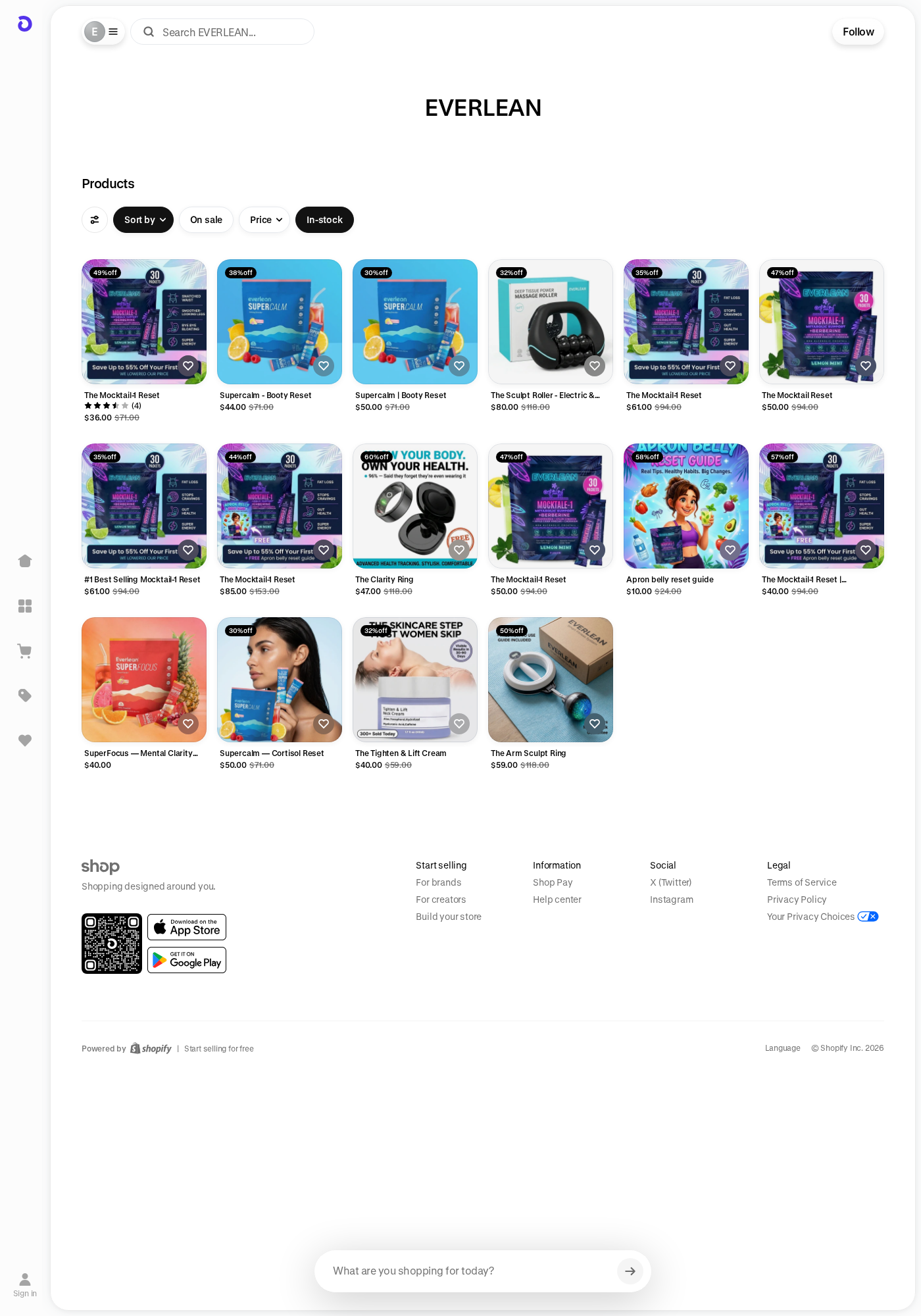
Once inside the seller profile, visitors encounter multiple reset, focus, massage, and body-care products with prominent discount labels.
This environment encourages cross-shopping and add-ons. It can also make the brand feel established before company information has been verified.
Step 5: Results remain subjective and difficult to isolate
Customers may change diet, water intake, exercise, or meal timing while using the drink. Any improvement may have several explanations.
Without controlled product-specific evidence, testimonials cannot show which factor caused a result or how typical that result is.
Step 6: Cancellation becomes the real test of the offer
A fair subscription should make the renewal date, price, frequency, and cancellation method easy to find and use.
Difficulty reaching support, unclear account controls, shipments after cancellation, or shifting instructions would move the concern beyond ordinary marketing hype.
Red Flags in the Presentation
The packaging uses several outcome phrases while the storefront provides limited context about clinical testing of the complete product.
Review counts deserve careful interpretation. The listing displayed a large score and sales activity, while another store tile showed only a handful of visible ratings.
Those numbers may come from different data sources or listing variations. The relationship should be explained before shoppers treat them as equivalent.
Repeated tiles for what appears to be the same product showed different prices and discount percentages. That can reflect variants, bundles, or duplicated listings.
Whatever the explanation, buyers should open the exact selected listing and verify the packet count, price, fulfillment terms, and seller before checkout.
Claims such as “stops cravings” or “fat loss” sound absolute when printed on promotional art. Human appetite and body composition rarely respond absolutely.
Questions Worth Asking Before You Subscribe
Ask the seller whether `$20` is an introductory price or the ongoing renewal amount. Request the answer in writing.
Confirm whether each shipment contains 30 packets, and compare that supply with a delivery scheduled every two weeks.
Ask when an order becomes noncancelable. Some systems create the next shipment several days before the displayed renewal date.
Find out whether pausing and canceling are different actions. A paused plan can restart automatically after a preset interval.
Request the complete return rule for opened packets. Food and supplement products often have narrower eligibility than ordinary merchandise.
Ask whether return shipping goes to a domestic or international address. Postage can make a small refund economically pointless.
Review the label for caffeine, sweeteners, allergens, and serving limits. These details can matter more than the front-panel benefit icons.
Finally, decide what outcome you will measure and when. Vague goals such as feeling reset make disappointing products difficult to evaluate.
Useful measures might include appetite notes, digestive symptoms, spending, and clinician-reviewed readings. Do not create your own medical experiment by changing prescriptions.
Company, Address, and Fulfillment Checks
Identify the legal merchant, not only EVERLEAN
A storefront name helps shoppers recognize products, but disputes require the legal entity that accepted payment and issued the receipt.
Check the terms, privacy notice, order confirmation, package sender, and card descriptor. Save each name exactly as written.
If those records identify different companies, ask support which entity owns the subscription and which one is responsible for refunds.
Determine what any listed address actually represents
An address may be a headquarters, registered agent, mailbox, returns processor, warehouse, or unrelated location. Search it before mailing products.
A fulfillment warehouse can dispatch packages without manufacturing the powder or controlling the seller’s advertising and billing policies.
Never assume the sender address on a parcel accepts returns. Obtain written instructions and a trackable authorization first.
Test support before committing to automatic deliveries
Ask how to cancel, whether cancellation stops already processed orders, and how far before renewal a request must arrive.
Also request the next billing date and delivery interval. A useful answer should match the checkout language precisely.
Nonresponsive email, circular forms, or scripted answers that avoid the exact product are serious practical warnings for a recurring purchase.
Demand transparency about the supplement supply chain
Look for the manufacturer, country of manufacture, lot code, expiration date, Supplement Facts panel, allergens, warnings, and responsible distributor.
A colorful packet can be produced through private-label supply chains. Packaging quality does not reveal contamination controls or ingredient verification.
Unknown imported powders may carry inconsistent doses or undeclared ingredients. Independent batch testing matters more than slogans such as natural, clean, or reset.
Do not consume packets that arrive unsealed, damaged, unlabeled, or inconsistent with the listing. Photograph the condition and contact the seller.
What to Do if You Bought the Mocktail-1 Reset and Regret It
- Confirm your purchase type. Open the receipt and account page. Determine whether you selected one-time purchase or recurring delivery every two weeks.
- Save the current terms. Capture the price, renewal interval, product quantity, cancellation instructions, return window, and original offer before pages change.
- Cancel through the available account control. Use the seller or Shop interface, then save the confirmation number, date, and screen showing no active subscription.
- Send a written cancellation notice. Include the order number and request confirmation that both future shipments and charges are stopped.
- Request a return authorization. Do not mail opened or unopened packets until the seller supplies the correct address and eligibility instructions.
- Watch your statements. If another charge appears after confirmed cancellation, contact the merchant and payment issuer promptly with your records.
- Discuss side effects with a professional. Stop relying on advertising for medical guidance. Seek urgent care for severe or rapidly worsening reactions.
- Protect your browsing environment. Run Malwarebytes after suspicious redirects and use AdGuard to reduce aggressive advertisements, trackers, and deceptive pop-ups.
Do not throw away the box, packet labels, or invoice while a refund is unresolved. Those details can identify the seller and exact lot.
Frequently Asked Questions
Is the Mocktail-1 Reset a real product?
Yes, we found active listings for a packaged product. That does not independently prove the broad outcomes advertised around it.
Does the `$20` option renew automatically?
The reviewed listing labeled `$20` as subscribe-and-save and stated delivery every two weeks. Check the live checkout because terms can change.
Will it cause weight loss?
No responsible review can promise that result. Ingredient research does not establish predictable weight loss from this finished product.
Why are several prices shown for similar listings?
They may represent variants, promotions, subscriptions, bundles, or duplicated listings. Verify packet count and order type on the exact page used.
Can I take it with diabetes medication?
Ask a pharmacist or clinician first. Ingredients promoted for glucose or metabolism can interact with treatment or complicate monitoring.
What is the most important checkout detail?
Confirm whether the purchase is one-time or recurring, then record the next billing date, frequency, total, and cancellation method.
The Bottom Line
The Mocktail-1 Reset is not proven nonexistent, but its subscription discount and broad benefit claims deserve more attention than the colorful package receives.
Buy only after calculating the recurring cost, checking the full formula, and confirming cancellation rights. A lower first price is not a bargain when the commitment is misunderstood.








