

When your feet keep tingling long after bedtime, a supplement promising quieter nerves can feel like an answer worth staying awake for.
NerveAlive appears across several polished websites. Before choosing a bottle, it’s worth following where those pages actually take you.
Overview
What NerveAlive is being sold to help
NerveAlive, also written Nerve Alive, is promoted as a capsule supplement for nerve comfort. Some pages go considerably further, mentioning neuropathy relief and nerve regeneration.
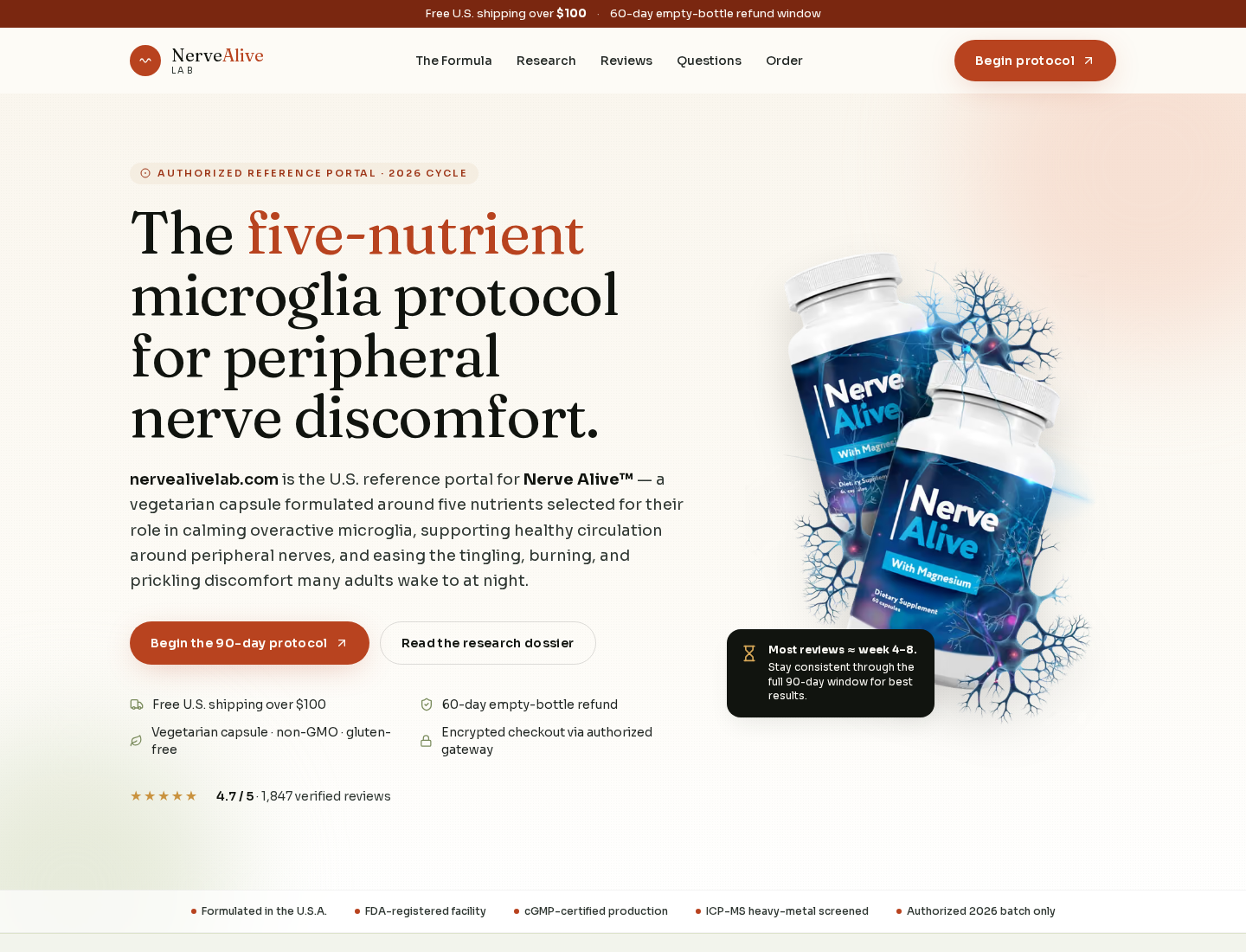
The offers don’t tell one consistent story. A research-styled portal, a botanical sales page, and a six-ingredient affiliate website describe noticeably different formulas.
That matters before you consider whether any ingredient might help. You first need to know which supplement, serving size, and purchase terms actually reach your order.
The differences that deserve your attention
The main problems aren’t hidden in a technical study. They’re spread across the pages encouraging you to buy:
- A five-nutrient protocol on nervealivelab.com.
- Four botanical ingredient headings on nervealive.org.
- A six-ingredient, once-daily description on nervealiive.com.
- A 90-day evaluation message alongside a 60-day refund window.
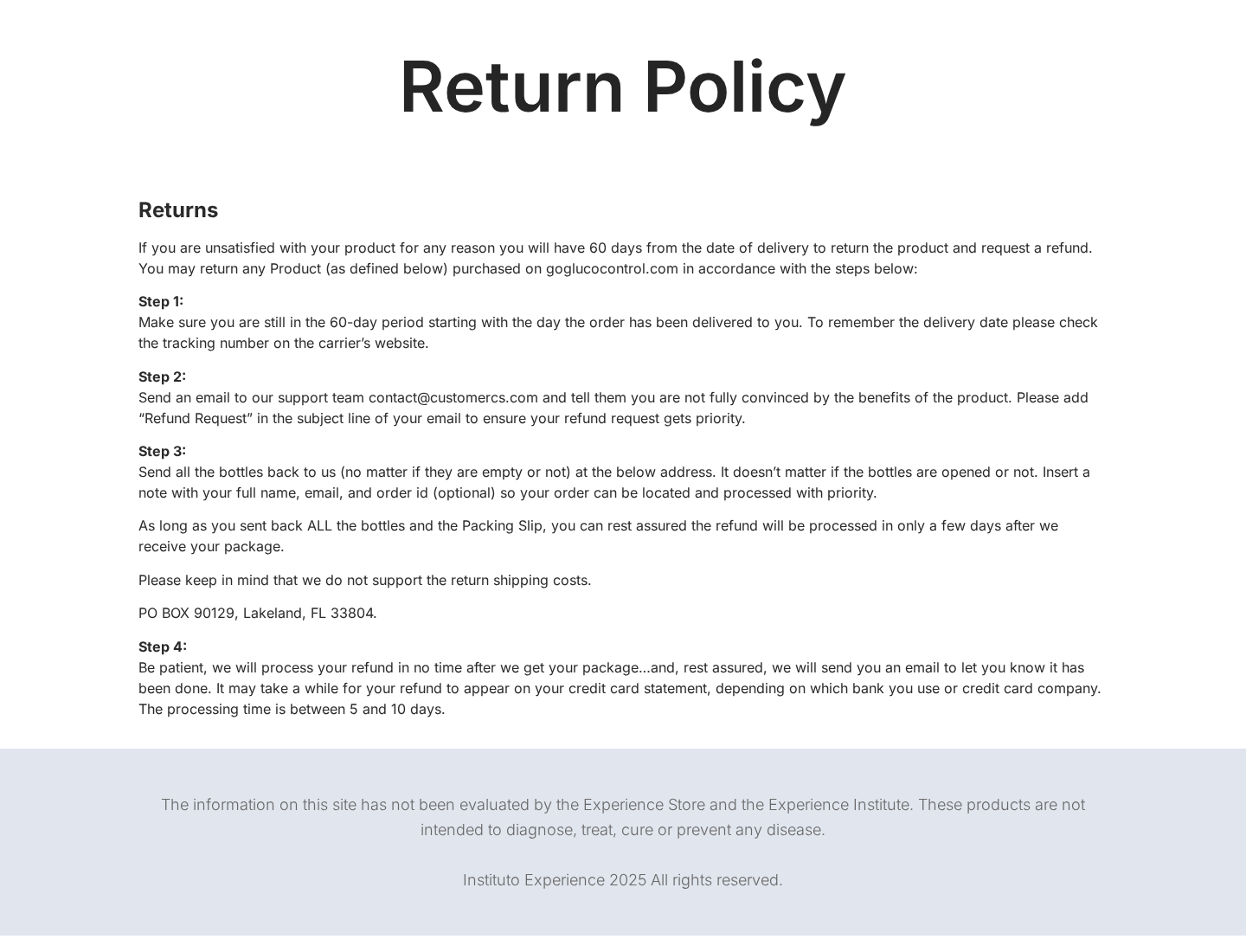
- An actual returns page that names an unrelated product website.
These aren’t interchangeable details. A refund deadline and a capsule’s contents should remain clear when you move from a recommendation to the seller.
Why this is a buying warning, not a proven refill case
The six-ingredient affiliate page expressly describes one-time purchases without automatic renewals. No unwanted subscription was demonstrated through the inspected purchase route.
The warning here concerns inconsistent product information, ambitious health claims, and conflicting guarantees. It isn’t a claim that every NerveAlive order produces a secret refill.
There was no physical bottle test, medical trial, completed purchase, or support-response test. The page comparisons below explain why these offers still aren’t worth recommending.
One Name, Several Different Ingredient Stories
The laboratory-style portal lists five nutrients
NerveAlive Lab presents benfotiamine, alpha-lipoic acid, methylcobalamin, acetyl-L-carnitine, and passionflower. It also prints amounts and recommends two capsules daily.
Those details make the offer look unusually specific. Its language about microglia, batch controls, and a research dossier gives the purchase a clinical atmosphere.
But a detailed webpage is still a description supplied by a promoter. Match it against the actual Supplement Facts panel before treating those amounts as your bottle’s contents.
The botanical version describes something else
Nervealive.org highlights marshmallow root, corydalis, passionflower, and California poppy. This is substantially different from the vitamin-and-antioxidant mixture described by the Lab page.
Its surrounding text moves between calming nerves, improving mood, and regenerating nerve fibers. Those are different promises, not simply different ways to describe the same symptom.
A relaxing ingredient isn’t automatically a treatment for damaged peripheral nerves. Feeling calmer and repairing the cause of numbness are not equivalent outcomes.
A more cautious affiliate page still creates a mismatch
Nervealiive.com lists six ingredients, adding magnesium and turmeric while omitting passionflower. It recommends one capsule daily and rejects nerve-regeneration claims.
That qualification deserves acknowledgment. It would be unfair to attribute the most aggressive botanical-page promises to every website using the NerveAlive name.
However, this page and the Lab portal both direct order traffic to nervealive.com. The recommendation and the destination still need to agree.
The six-ingredient page advertises $138 for two bottles and $177 for three. The destination displayed $158 and $207 for those quantities.
The six-bottle total was $294. A matching price on one package doesn’t resolve the ingredient, serving, or smaller-bundle differences.
Serving size changes what an amount actually means
When comparing labels, check whether an amount is stated per capsule or per serving. Two capsules might make one serving rather than two doses.
Write the serving size beside each ingredient amount instead of comparing numbers in isolation. Include extract forms, other ingredients, allergens, and warnings in that comparison.
For example, a daily instruction on an affiliate page cannot safely substitute for the directions on a differently described bottle that arrives later.
If the seller sends a label photograph, make sure the product name and version are visible. A cropped ingredient panel may belong to another formulation.
Ask whether that exact label accompanies your selected package. A description of a previous batch doesn’t settle what the merchant is offering now.
Keep the answer before paying. It gives you a specific record to compare with the parcel, rather than relying on a changing promotional page.
How the NerveAlive Sales Funnel Works
Step 1: A familiar symptom draws you into a supplement explanation
Burning feet, tingling fingers, and interrupted sleep are concrete problems. Pages describing those experiences can feel more personal than a general advertisement for vitamins.
The emotional pull is understandable. You may already have tried appointments, changes to your routine, or treatments that haven’t given you enough relief.
The sales explanation then offers a manageable next step: take capsules consistently. That simplicity can make a complicated medical problem look like a missing-product problem.
Don’t let that shortcut decide what is causing your symptoms. A supplement page cannot assess your medical history, circulation, medications, or the condition of your feet.
Step 2: Research language makes the formula feel settled
The Lab portal links ingredient research and describes quality controls. The six-ingredient page also cites background literature while acknowledging the finished product lacks its own trial.
Read that distinction carefully. A study of one ingredient, at a particular dose, in a defined patient group isn’t a trial of this commercial combination.
The Lab research page itself says its references concern individual nutrients. Its clinical appearance shouldn’t turn that qualification into something readers overlook.
If the ingredient list changes across promotional pages, a citation cannot tell you which version will arrive. Product identification has to come first.
Step 3: Larger bundles become the suggested commitment
The offer encourages sustained use and places lower per-bottle prices on larger purchases. Six bottles can therefore seem like the sensible way to begin.
At the observed destination, the options were two bottles for $158, three for $207, or six for $294. Shipping differed by package.
The immediate decision is about the full total, not the cheapest-looking bottle price. Buying more doesn’t make the medical claim more reliable.
Also keep quantity separate from billing frequency. A six-bottle order is a large purchase, but it isn’t automatically an ongoing subscription.
Step 4: The guarantee encourages a trial longer than its stated window
The Lab page asks for a full 90-day protocol while displaying a 60-day empty-bottle refund window. Its research page repeats the same awkward combination.
Waiting until day 90 could leave you arguing about a deadline that passed a month earlier. The reassurance needs a written explanation before payment.
Other pages complicate matters further. Nervealive.org advertises 180 days, while the destination sales page describes 60 days from purchase.
The destination’s return policy instead starts its 60 days at delivery. Those clocks can expire on different dates, especially when shipping takes time.
Step 5: After payment, the receipt becomes more useful than the promoter
The observed order links point to BuyGoods checkout. That identifies a payment route, not an independent endorsement of nerve-repair claims.
If you order, save the transaction confirmation and the terms attached to that checkout. An affiliate’s reassuring paragraph may not be the policy handling your refund.
The actual NerveAlive return page instructs customers to email support and return every bottle, including opened or empty bottles, at their own shipping expense.
Unfortunately, that same policy names goglucocontrol.com. A customer shouldn’t have to guess whether a different product’s return instructions apply to their order.
Seller Identity, Support, and the Return Address
The reference portal is not automatically the checkout merchant
The Lab portal identifies itself as an independent distributor and prints NerveAlive Lab, LLC. Its claims of authorization come from that website itself.
Its name shouldn’t be silently substituted for the company processing your order. Ask who sells the bottle, who bills the card, and who handles complaints.
Keep each role attached to the correct document. The promoter’s footer, the payment receipt, and the physical label should explain their relationship.
The listed locations serve different purposes
The Lab footer gives 8 The Green, Suite A, Dover, DE 19901. The actual returns page lists PO Box 90129, Lakeland, FL 33804.
A return destination is not a manufacturing address. Neither address, by itself, identifies where ingredients were sourced or capsules were produced.
The locations weren’t independently established as operating offices or factories. Don’t mail bottles to a promotional footer simply because it looks more official.
The support details change with the page
NerveAlive Lab publishes care@nervealivelab.com and +1-833-628-2548. The destination contact page gives contact@customercs.com and +1 323-372-9581.
These are published details, not channels proven responsive through a test call or message. Use the contact attached to your transaction and retain the reply.
The sales disclaimer also mentions FloraSlim users. Together with the different name in the return policy, that is poor product-specific paperwork.
A batch number needs a matching bottle and report
The Lab page presents batch and testing references. Before relying on them, request the actual report, issuing laboratory, tested lot, and complete product identification.
A string of letters and numbers on a website isn’t enough to match a certificate to whatever arrives in your parcel.
The FDA explains that supplements aren’t approved before sale. Facility-registration language doesn’t mean this finished formula has been approved to treat neuropathy.
Why Persistent Numbness Shouldn’t Become a Shopping Experiment
You don’t need to dismiss nutrition to question this offer. A genuine nutritional need and a badly explained supplement purchase are separate matters.
The NIDDK’s peripheral neuropathy guidance describes medical assessment, including checking possible causes beyond diabetes. A bottle chosen from an advertisement cannot perform those checks.
Reduced sensation also makes it easier to miss a foot injury. Waiting for a promised supplement result can distract from a problem that deserves attention.
Take the label, not just the brand name, to your clinician or pharmacist. Different versions may mean different ingredients, amounts, interactions, and suitability.
Never stop prescribed medication because a bonus guide criticizes pain treatments. Ask the prescriber about side effects or inadequate relief and discuss safer changes together.
If you suddenly develop severe symptoms or a worrying foot wound, seek appropriate medical care. Don’t wait for an online seller to answer a product question.
What to Do If You Ordered NerveAlive
-
Identify your actual purchase. Locate the receipt, order number, date, quantity, full total, and merchant. Save the page that led you there.
Separate a promotional email from a transaction confirmation. The latter is the better starting point for tracing payment and requesting help.
-
Compare the arriving label with the promised formula. Photograph the front, Supplement Facts panel, directions, lot, expiry, and manufacturer information before discarding packaging.
If the ingredients or serving differ from what persuaded you to order, explain that specific mismatch in writing. Don’t combine doses from conflicting websites.
-
Ask about a refund before the earliest possible deadline. Cite the 60-day purchase wording, delivery-based policy, and any longer promise you saved.
Request confirmation of the applicable deadline, accepted bottle condition, return authorization, and address. Keep all bottles and the packing slip while awaiting instructions.
-
Use the transaction’s support route. The destination prints contact@customercs.com. If your receipt names BuyGoods, use its genuine order-support route as well.
Describe what you bought and the resolution requested. A return request should not require your account password, full card number, or verification code.
-
Get medical advice before taking an unclear formulation. Bring the actual label and medication list to a qualified professional, especially with diabetes or ongoing nerve symptoms.
Report any suspected adverse reaction promptly. Keep the bottle so a clinician can identify exactly what you took.
-
Escalate an unresolved payment problem with facts. Give your card issuer the receipt, conflicting claims, correspondence, and shipping evidence. Ask which dispute deadlines apply.
Describe an incorrect order, denied return, or genuinely unauthorized payment accurately. Refund eligibility depends on your circumstances; no seller or recovery service can guarantee it.
Frequently Asked Questions
Are NerveAlive and Nerve Alive different products?
The spellings overlap in these offers, but their descriptions disagree. Verify the exact label and merchant rather than assuming matching names mean identical capsules.
Which NerveAlive ingredient list should I trust?
Start with the complete label tied to your order. The botanical, five-nutrient, and six-ingredient descriptions cannot all identify the same formulation without further explanation.
Does NerveAlive have an automatic refill subscription?
No automatic refill was established through the inspected route. One affiliate explicitly says purchases don’t renew. Check your own confirmation rather than assuming a subscription exists.
Is the guarantee 60, 90, or 180 days?
The pages conflict. Ninety days describes an evaluation protocol, while different pages advertise 60-day or 180-day guarantees. Request written terms before relying on either.
Do the research references prove NerveAlive repairs nerves?
No. References about individual ingredients don’t establish that this finished formula, at its delivered dose, repairs your condition. Persistent symptoms need individualized medical assessment.
Should I buy NerveAlive through these offers?
No. The inconsistent formula information and refund clocks make these offers a poor choice. Resolve the product identity and discuss any supplement need with your clinician.
The Bottom Line
Do not buy NerveAlive through these conflicting offers. You shouldn’t have to reconcile different formulas, serving instructions, and refund deadlines before knowing what you’re purchasing.
If you’ve already ordered, preserve the label and receipt, request transaction-specific refund instructions promptly, and get proper advice for persistent numbness or pain.

Join the discussion
0 commentsShare your experience or ask a question about this article.
Discussion
Start the conversation
Have a question or something useful to share? Add the first comment.