


Orcesrio was a Shoplazza streetwear store at orcesrio.com that sold hoodies, jeans and T-shirts in 2025, often under designer names such as Hellstar and Gallery Dept.
It listed those branded pieces from about $4, named a Hong Kong company and gave buyers no way to check the goods. The domain has since expired.
Overview
A streetwear shop with designer collections
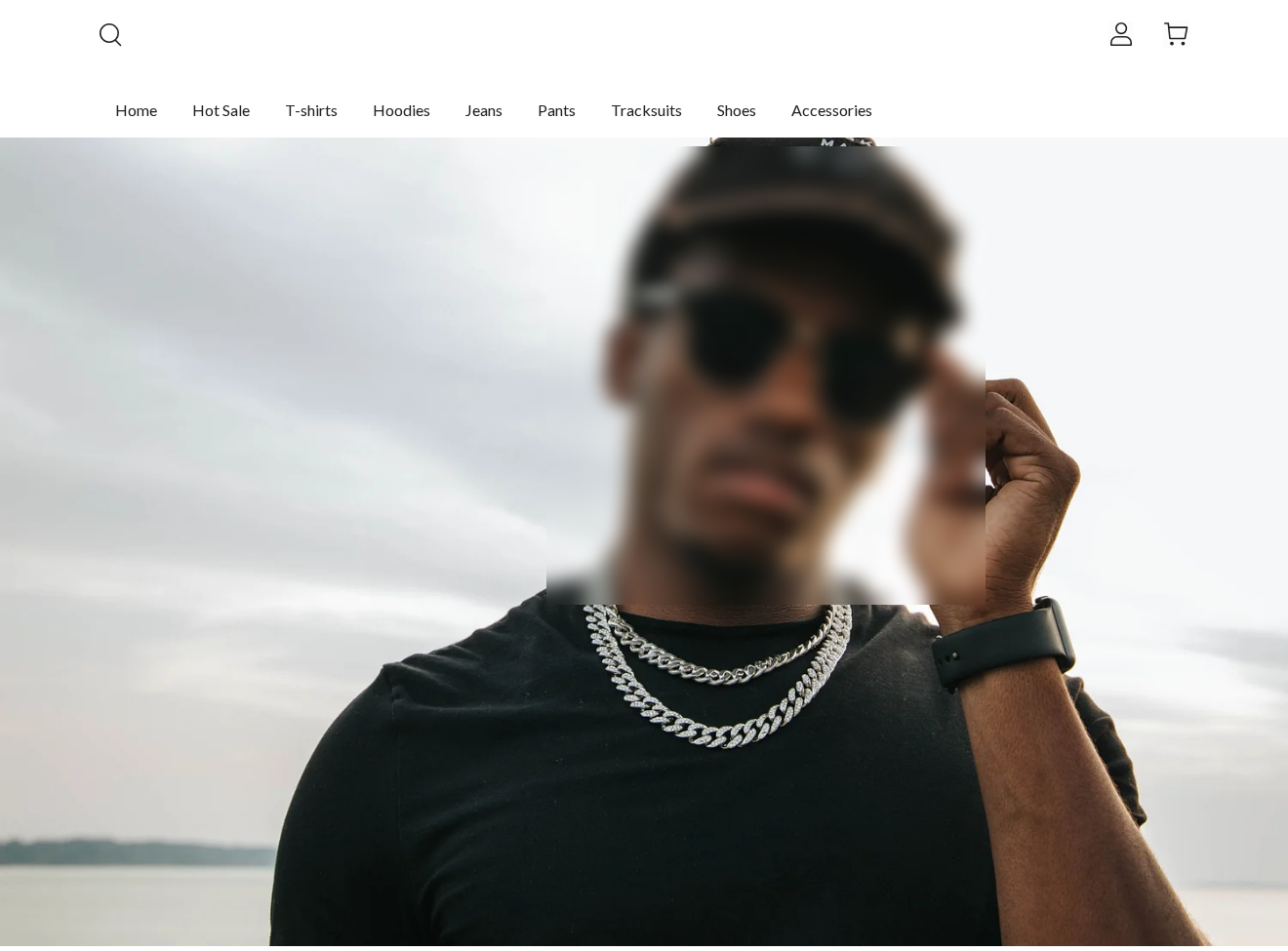
Orcesrio sold men’s streetwear, with menus for hoodies, jeans, tracksuits and shoes. Its collections used the names of Hellstar, Denim Tears, Gallery Dept, Fear of God and Bape.
Prices far below the real labels
Hellstar-titled T-shirts sold for $4.36 to $5.00 and a Hellstar tracksuit set for $15.20. StockX lists retail prices of $150 to $300 for Hellstar hoodies.
Where Orcesrio stands now
The orcesrio.com domain now shows a parking page saying it has expired and may be available at auction. The store has no Trustpilot profile.
- Treat designer-named clothing priced from $4 to $18 as an imitation, not genuine stock.
- If you ordered from Orcesrio, contact your card issuer or PayPal, since the store’s site is gone.
- Keep any emails from service@orcesrio.com along with your tracking details.
- Don’t send a return to the address printed on the parcel, which the store itself said wasn’t its return address.
Is Orcesrio Legit?
Orcesrio ran like a real store, with policies and a named company, but its catalog doesn’t hold up.
Designer-named clothing priced from $4 to $18 points to imitations rather than genuine stock from the labels it named.
Nothing on the site claimed that Orcesrio was an authorized stockist for any of the labels it named, and no product page explained where the items came from.
Its sales banners also ran for months. Buy 2 Items Get 1 Free Gift, marked only this week, stayed up from July to October 2025.
No buyer reports of missing orders surfaced. The risk lies in what arrived, because branded items at these prices are unlikely to come from the brands themselves.
Orcesrio did name a Hong Kong company with a registration number, which is more than many similar stores provide. That detail doesn’t change what the catalog shows.
The store has now closed, so for past buyers the question is how to dispute an order, not whether to place one.
Orcesrio Reviews: What Buyers Can Find
Orcesrio left almost no review trail. Trustpilot has no profile for orcesrio.com, so there are no public buyer reviews to weigh.
That gap stands out for a store that traded through most of 2025. Even small shops tend to collect a few public reviews over that kind of period.
Without reviews, the store’s archived pages are the main record. They show its prices, brand-named collections, policies and contact details from February to October 2025.
The homepage also promised up to 90% off and 24-hour support under a Chat with us badge. The contact page listed only an email address.
If you bought from Orcesrio, a short review on Trustpilot or a comment under this report helps other shoppers judge what the store delivered.
Designer Names at Discount Prices
Orcesrio’s menus had collections titled Hellstar, Denim Tears, Gallery Dept, Fear of God, Bape, EE Shorts and JNCO, along with Purple jeans and a Spider range.
In September 2025, the Hellstar collection held 35 products. A Hellstar Skull Print T-Shirt Shorts Two-Piece Set cost $10.96 against a crossed-out $49.00.
A Hellstar Graphic Black Pullover Hoodie Tracksuit and Flared Sweatpants set sold for $15.20. Several Hellstar-titled T-shirts were listed at $5.00 each.
Other pages mixed brand names into product titles. A Gallery Dept Stylish Flared Sweatpants listing appeared in April 2025.
In July 2025, the Denim Tears collection held 96 products. Its Cotton Wreath Hoodies cost $11.18 to $11.70, against crossed-out prices of $179.99 to $299.99.
The Gallery Dept page followed the same approach, with socks and shorts listed under that label’s name.
For comparison, StockX lists retail prices of $150 for the Hellstar Flame Hoodie and $275 to $300 for other Hellstar hoodies.
Resale listings on Stadium Goods ask $317 to $686 for some Hellstar hoodies, far above anything Orcesrio charged.
A $15 tracksuit carrying a label whose hoodies retail for $150 or more isn’t a discount. It’s a sign that the clothing doesn’t come from that label.
Hellstar, Denim Tears and Gallery Dept are real labels that sell through their own stores. Nothing suggests they had any part in Orcesrio’s listings.
The homepage’s Hot Sale row followed the same pattern. Hoodies cost $8.35 to $10.12, shown beside crossed-out prices of $49.00 to $56.00.
Imitation clothing can also be stopped by customs in some countries, which can leave a buyer with neither the item nor the money.
If a branded item arrives and isn’t genuine, photos of the labels, stitching and packaging help a card issuer or PayPal judge a not-as-described claim.
Orcesrio From Launch to Parking Page
The orcesrio.com domain was registered on September 19, 2024. The earliest archived storefront, from February 2025, already sold streetwear with the same banner offers.
In April 2025, the menus focused on washed T-shirts, oversized hoodies and baggy jeans. Spiderman-themed jeans sold for $9.15 against a crossed-out $39.00.
By March 2025, the About, shipping and return pages were in place. The contact page, archived in August, added the Hong Kong company name and registration number.
Over the summer, the menus grew to include racing hoodies, stacked denim and collections such as Jesus Printed and Camo Style.
The last archived homepage dates from October 2025. A year later, the domain shows only a parking page with an expiry notice.
The store traded for at least seven months, from February to October 2025, long enough to take orders through spring, summer and early autumn.
What Orcesrio’s Policies Said
The shipping page promised 1 to 2 business days of processing and 5 to 12 working days for delivery, with free worldwide shipping on orders over $35.
The return page opened by saying the store gladly accepted returns, but the conditions that followed narrowed that promise sharply.
Returns were accepted within 30 days for most items in new, unused condition with the original packing. Buyers paid the return postage themselves.
The original shipping fee and the Shipping Guarantee weren’t refundable. Jewelry, accessories, underwear and swimwear couldn’t be returned at all.
The return address was only given by customer service. The policy warned buyers not to send returns to the address on their parcel, saying it wasn’t the store’s return address.
That warning suggests parcels shipped from somewhere other than the store’s own address. A buyer had no way to see where goods would ship from before ordering.
Any problem with a return had to be raised within 90 days of the order, and orders couldn’t be cancelled once they had shipped.
For approved returns, the store said refunds would follow within 1 to 3 business days of receiving the parcel. PayPal refunds could take another 3 to 7 business days.
Card refunds were said to take 5 to 10 business days to appear. Those promises only applied once a return reached an address the store had confirmed by email.
Buyers who chose the wrong size also had to send photos to customer service before any exchange, which added another round of email.
How an Orcesrio Order Was Set Up
Step 1: Designer names draw in searchers
Collections named after Hellstar, Gallery Dept and other labels put the store in front of people looking for those brands.
Brand names in product titles also match what shoppers type into search engines and social media.
Step 2: Prices set far below retail
Hellstar, Gallery Dept and Denim Tears items cost about $4 to $18, often beside crossed-out prices from $24 to $299.99, so the savings looked huge.
The store never said where its crossed-out figures came from, whether an old price or a brand’s list price.
Step 3: Weekly offers that never ended
A Buy 2 Get 1 Free Gift deal, a NEW10 code for 10% off and free shipping over $35 stayed in the banner from February to October 2025.
From July to October, the free-gift deal stayed marked only this week.
A deadline that never arrives is meant to rush a decision, not to mark a real sale.
Step 4: A hosted Shoplazza checkout
The store ran on Shoplazza, a hosted platform that provided the storefront and checkout pages under the Orcesrio name.
The platform’s role is technical. It doesn’t vouch for the goods a merchant lists.
Step 5: Returns handled by email
Problems went to service@orcesrio.com, and buyers had to wait for a return address before sending anything back at their own cost.
On a $10 item, return postage to another country can cost more than the refund itself.
Who Runs Orcesrio?
A Hong Kong company on the contact page
The contact page named Xinjing Network Technology Limited, registration number 3166513, at an office unit in the Lucky Centre on Wan Chai Road, Hong Kong.

Hong Kong’s company registry can confirm whether a company with that name and number exists. A listed company still doesn’t show who makes or ships the clothes.
Email-only support
The contact page listed only service@orcesrio.com. It gave no phone number or return address.
A promise of 24-hour support backed by a single email address leaves buyers waiting on replies they can’t chase.
An About page that oversells
The About page claimed more than 18 million items across men’s and women’s fashion and said each piece was handcrafted by workers with precise sewing.
Those claims don’t fit a shop selling $5 T-shirts. The page named no designers, workshops or locations behind the handcrafted clothing.
A domain registered in 2024 and now expired
The orcesrio.com domain was registered through Dynadot on September 19, 2024. It now points to a parking service with a notice that it has expired.
Is Orcesrio Linked to Other Stores?
No other store name appears in Orcesrio’s pages, and its contact details point only to orcesrio.com and the Hong Kong company it listed.
The Shoplazza platform it used also hosts many unrelated sellers. Our Christmas Discount Shop report covers another Shoplazza store, but a shared platform doesn’t show a shared owner.
If a new store reuses Orcesrio’s About page, its Hong Kong company line or its return warning, give it the same caution.
How to Check a Streetwear Store Before You Buy
- Look for the brand’s own list of stores or authorized retailers, and buy from those.
- Compare the price with the brand’s own site. A hoodie at a tenth of retail isn’t a real discount.
- Read the return policy for who pays postage and where returns go before you order.
- Check when the domain was registered and whether it has any reviews outside its own pages.
- Pay by credit card or PayPal goods and services, which offer a dispute route if the order goes wrong.
Is Orcesrio Still Online?
No. The orcesrio.com address now shows a parking page that says the domain has expired and may be available at Dynadot auctions.
The store’s product pages, checkout and contact page are gone. Archived copies from February to October 2025 are the only record left.
Clothing shops of this kind tend to reopen on fresh domains. Our reports on Inkstreetwear.com, Arlostreetwear.com and Auspned.com cover similar clothing shops.
How to Spot Fake Streetwear Stores
Fraudulent shopping websites often share common patterns that make them easier to detect once you know what to look for. Before entering personal information or making a payment, take a few minutes to check for these warning signs:
- Unrealistic prices and discounts
If a website offers products at prices far below trusted retailers, it’s often a red flag. Many of these sites advertise luxury or high-demand products at massive discounts to create a sense of urgency. A $300 product listed for $49.99 should immediately raise suspicion. - Recently registered or suspicious domain names
Many fraudulent websites operate on newly created domains that disappear after a few weeks. Look for signs like random characters in the URL, misspellings of well-known brands, or hyphenated domains.
You can check a site’s age with a WHOIS lookup, or run it through our free Scam URL Scanner. - Missing or vague company details
Legitimate businesses clearly display their company name, tax information, phone numbers, physical address, and return policies. Fraudulent sites often provide incomplete, fake, or no company details at all. A lack of verifiable contact information is a major warning sign. - No reliable customer service
Real businesses provide clear ways to contact support—email, phone, live chat, or physical return addresses. Fake stores often list nonfunctional contact forms, invalid phone numbers, or reply with generic automated messages. - Poor website quality and structure
Many fake stores are set up quickly with low-effort templates. Look for poor grammar, spelling errors, low-resolution product images, broken links, or missing legal pages (Terms of Service, Privacy Policy, Return Policy). A sloppy website often signals something isn’t right. - Copied product descriptions and images
Fraudulent sites often lift product listings directly from real retailers or marketplaces. If you reverse image search a product photo and find it on multiple unrelated websites, the listing is likely not original. - Lack of credible reviews or suspicious review patterns
A real store will usually have a mix of customer reviews across different platforms. Warning signs include no reviews at all, obviously fake five-star reviews, or multiple identical reviews posted on the same day. Searching “[website name] reviews” or “[website name] scam” on Google often reveals warnings from other consumers. - Unclear or unfair return and refund policies
Fake stores often use vague language around returns and refunds—or avoid the topic entirely. If you can’t easily find clear instructions for how to return an item or get a refund, proceed with caution. - Aggressive urgency and pressure tactics
Fraudulent websites commonly use fake scarcity (e.g., “Only 2 left in stock!”) or countdown timers (“Sale ends in 10 minutes!”) to push you to buy before you think it through. Legitimate stores don’t rely on fabricated urgency to make sales.
Quick Steps to Verify a Website’s Legitimacy
Before entering payment or personal details on a new shopping website, take a few simple precautions:
- Search for the store’s name along with words like “reviews” or “complaints” on Google and Trustpilot.
- Check the website’s domain registration using Whois.com.
- Use trusted tools to scan for malicious or fraudulent links:
- Malwarebytes ScamGuard – detect scams and unsafe links before they reach you on Android and iOS phone.
- Malwarebytes Browser Guard – block dangerous or fake websites on Windows and macOS browsers.
- Verify the business address on Google Maps to ensure it’s a legitimate location.
- Review the store’s accepted payment methods – credit cards and PayPal are traceable and safer than cryptocurrency or bank transfers.
- Trust your instincts; if something feels off, it’s better not to proceed.
How to Spot Similar Scams on Social Media
Many fraudulent shopping websites rely heavily on sponsored social media ads to draw in large numbers of potential buyers. These ads often promise extraordinary discounts—sometimes up to 90% off—and use emotionally charged language to push users into buying immediately.
They frequently appear on Facebook, Instagram, and TikTok, blending in with legitimate content. However, these ads follow predictable patterns that make them easier to identify once you know what to look for.
Spotting Fraudulent Facebook Ads
Facebook’s advertising platform is a favorite tool for fake online stores because of its massive reach. These ads often feature “unbelievable” offers designed to create urgency and bypass critical thinking. Warning signs include:
- Extreme, unrealistic discounts such as “90% OFF,” “Store Closing Sale,” or “Final Liquidation.” Real retailers rarely discount new products this aggressively.
- Poor grammar, awkward phrasing, or inconsistent language throughout the ad or website, indicating low-effort, mass-produced content.
- Generic stock photos or images with watermarks, suggesting the images were taken from legitimate brands or stolen from other sources.
- Recently created Facebook Pages, which is common for temporary fraudulent campaigns. Check the “Page Transparency” section to see when the page was created.
- Limited or no engagement from real customers. Authentic brands usually have reviews, comments, and visible user interaction.
If an ad raises doubts, search for reviews of the website or reverse image search the product photos to see if they’re copied from elsewhere. Never provide payment information until the site is verified.
Spotting Fraudulent Instagram Ads
Instagram is another major platform used to promote fake shopping sites through eye-catching visuals and short-lived “flash sale” captions. Warning signs to look for:
- New or disposable accounts with few posts and followers, often created just weeks or days before launching ads.
- Lack of tagged users in product posts. Legitimate stores often feature real customers, influencers, or product usage.
- Unsecured checkout pages. If the website linked in the bio does not use HTTPS, do not enter payment information.
- Fake or missing customer reviews. Fraudulent stores rarely have authentic purchase feedback.
- Unclear or restrictive return policies, often hidden or written vaguely to make refunds difficult.
When in doubt, search for independent reviews before buying, and only enter payment details on verified, secure websites.
Catching Fake TikTok Ads
TikTok is increasingly used to promote questionable shopping deals through short, persuasive videos. While many ads look polished, the same red flags apply:
- Links to unknown stores that don’t appear in search results or have no external reputation. Many of these sites are temporary and disappear after a short time.
- No verification badge on the TikTok account. While not every legitimate store is verified, the lack of a badge is one more indicator to check further.
- Aggressive countdown timers or “one-day only” promotions designed to rush decision-making.
- Lack of genuine customer reviews or real user content demonstrating the product in actual use.
- Comment sections filled with complaints or warnings from other users. This is often the first place victims speak up.
TikTok scams often rely on impulse buying. Take a moment to verify the website, read independent reviews, and use trusted browser protection before visiting external links.
What to Do If You Ordered From Orcesrio
- Look up the payment on your bank, card or PayPal statement. Charges from Orcesrio may show a different merchant name, so use the order date and total to find it.
- Save your order confirmation, the tracking number and any messages from service@orcesrio.com in one folder.
- Track the parcel on the carrier’s own website and write down the country it was sent from.
- If the clothing arrived but isn’t the brand or design you ordered, photograph it beside a screenshot of the listing and its labels.
- Contact your card provider or PayPal and explain that the item never arrived or doesn’t match the listing. Ask which deadline applies to your purchase date.
- Don’t post anything back to the address on the parcel. With the store closed, there’s no confirmed return address.
- Don’t pay for recovery help offered by email or social media after you complain about the order.
- US shoppers can report the store to the FTC. A report helps investigators but doesn’t guarantee a refund.
Frequently Asked Questions
Is Orcesrio legit?
Orcesrio had policies and named a Hong Kong company, but it sold designer-named clothing at prices that point to imitations. The site is now gone.
Were Orcesrio’s Hellstar and Gallery Dept items real?
Nothing shows they were. Hellstar-titled T-shirts cost $5.00, StockX lists Hellstar hoodies from $150 at retail, and Orcesrio never claimed to be an authorized stockist.
Is orcesrio.com still online?
No. The domain shows a parking page saying it has expired and may be available at auction. The store’s pages exist only in archives.
Who owns Orcesrio?
Its contact page named Xinjing Network Technology Limited, with registration number 3166513 and an address in Wan Chai, Hong Kong. That doesn’t show who made or shipped the clothes.
Are there Orcesrio reviews on Trustpilot?
No. Trustpilot has no profile for orcesrio.com, so there are no public buyer reviews to check against the store’s claims.
What can I do if I paid Orcesrio?
Contact your card issuer or PayPal with your order details and ask about a dispute. Their rules and deadlines decide the outcome.
The Bottom Line
Our verdict: don’t buy designer streetwear from Orcesrio or any copy of it. The store sold Hellstar, Gallery Dept and Denim Tears names at prices that point to imitations.
If you already paid, contact your card issuer or PayPal now with your order records and photos of what arrived. Don’t send items back to the address on the parcel.
For genuine designer pieces, buy from the brand’s own store or from a retailer the brand lists as authorized.
This article is for informational purposes only and should not be relied upon for financial or business decisions. We identify potential scams using research, user experiences, and expert analysis. However, all claims should be independently verified. Mistakes may occur, and legitimate products could be flagged. We strive for accuracy but make no warranties regarding the completeness or reliability of the information.

If you are the owner of the website or product in question and wish to offer clarifications regarding your business or website, please reach out to us via our Contact form.

Join the discussion
0 commentsShare your experience or ask a question about this article.
Discussion
Start the conversation
Have a question or something useful to share? Add the first comment.