


Your buyer has paid, the box is ready, and the shipping label just needs one small change. A message asks you to send it somewhere else.
That change can matter more than the payment confirmation. Before the box leaves your hands, compare the address in the message with the one on the transaction.
Overview
A real payment can still leave the seller exposed
In a PayPal shipping address scam, the seller may see an actual payment in their account. The risk comes from where the parcel goes and what the carrier can prove.
This is different from a fake payment email. A seller can verify the money through PayPal, print a real label, and still lose the protection they expected.
Start with the exact transaction in your PayPal account. Use the shipping address on its details page, not an address copied from messages, a marketplace profile, or an emailed label.
A successful delivery scan may answer the wrong question
A carrier can show that a box arrived without showing that it reached the address on the payment. That distinction matters if a buyer later says the item never arrived.
Seller Protection terms for United States accounts say that sending to the recorded address first doesn’t preserve eligibility if the shipment later goes to a different address.
That is why the delivery postcode in a quick tracking view is not your whole shipping record.
Save the original label and any notice that the carrier changed the delivery instructions.
You can diagnose the problem before accusing anyone
A buyer may move, omit an apartment number, or notice an old address after checkout.
None of those facts alone proves fraud. They do mean the order needs to be fixed.
- If the parcel is still with you, do not ship against a conflicting address while the order is unresolved.
- If it is already in transit, ask the carrier what changed and whether a return or hold is possible.
- If there is a claim, use the actual case in your payment or marketplace account and answer its evidence request.
The goal is to keep the payment, label, and delivery aligned. A reassuring message from the buyer cannot replace that alignment.
How the PayPal Shipping Address Scam Works
Step 1: The buyer makes shipping feel routine
A customer buys something you can mail, such as a used camera. The payment may be genuine, so checking your balance alone will not flag a problem.
Busy sellers tend to focus on whether the funds appeared. The more useful question is whether the particular payment has a usable shipping address and the right transaction details.
If you sell through a marketplace, verify the order there as well. A separate message mentioning your listing is not the same thing as a paid order in that platform.
One confusing detail is a buyer who uses a different name for delivery.
A name difference does not settle the matter either way; use the address actually recorded for the transaction.
Step 2: A separate instruction changes the delivery
The change may come before you ship.
The buyer could ask you to use a different address, to print a label they supply, or to hand the box to their courier.
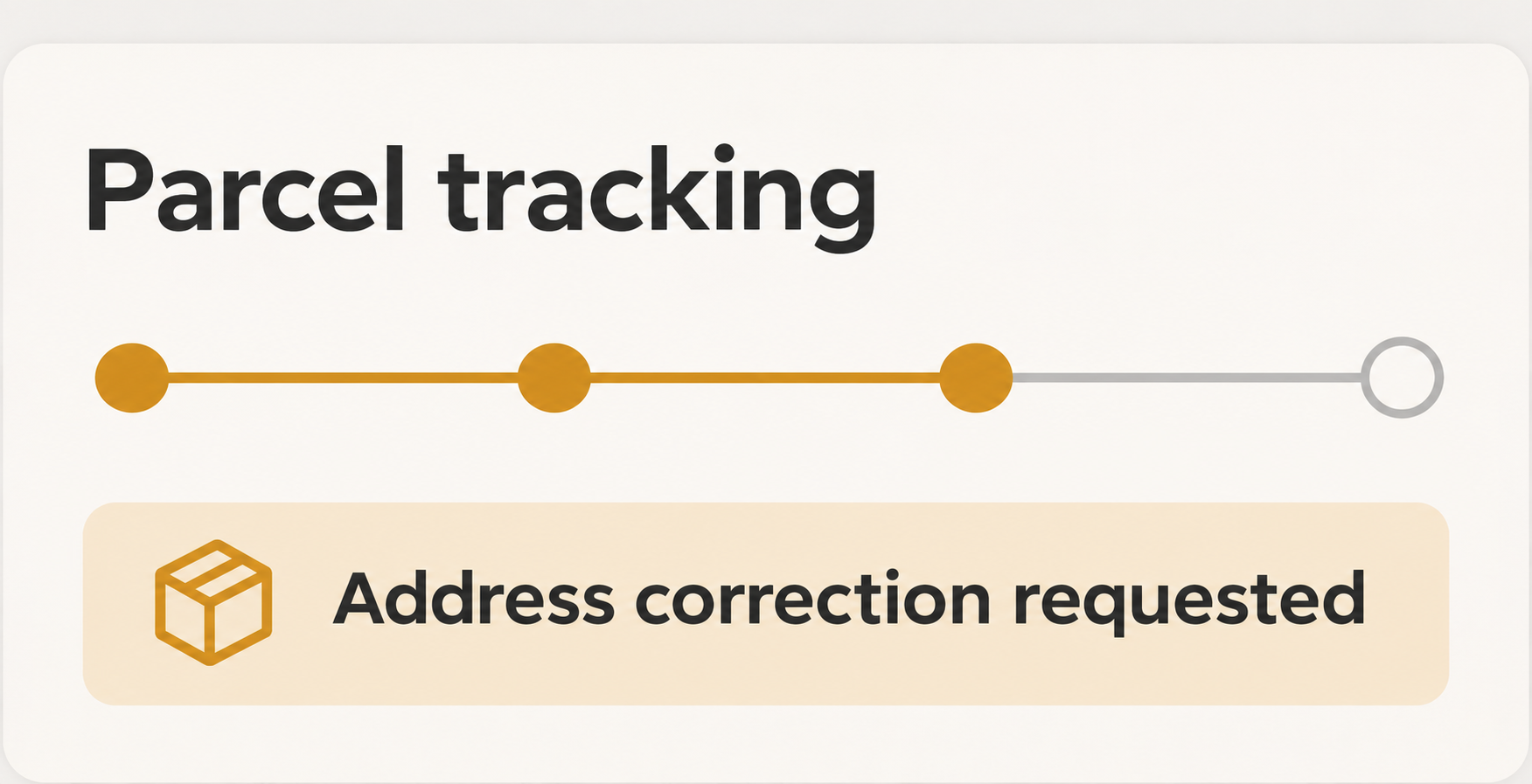
A carrier exception is another way an address change can appear. You may discover that a parcel was redirected only when comparing the latest tracking entry with your original label.
It is worth asking who controls the carrier account for that label.
If a buyer arranged the shipment, you may have less access to notices or proof needed to defend the transaction.
Separate an actual reroute from a missed attempt. A delivery exception can also reflect weather, an access issue, or a carrier error. Ask the carrier for the event it recorded.
Step 3: A dispute puts the shipping record under pressure
If a buyer says nothing arrived, the seller may look at the delivery scan and assume the dispute is settled.
But the platform can ask which address the carrier actually served.
A genuine tracking number is not useless.
The trouble is that it may document the wrong shipment outcome. Your defense is stronger if you have the original label, dated receipt, and carrier record.
A payment dispute may have a different basis, such as the account holder saying they never authorized the purchase.
Read the reason shown in the case before choosing documents to upload.
PayPal distinguishes nonreceipt claims filed with a card issuer from some claims made through PayPal. The U.S. policy excludes those card-funded nonreceipt chargebacks from Seller Protection.
That is one reason to read who is handling the dispute as well as what it says. A successful carrier investigation will not change which program applies.
Do not tell the platform you shipped to the confirmed address if you subsequently learned the parcel was rerouted. Explain both events, with times and the carrier’s wording.
Before You Print a Label
Compare records, not screenshots
Open PayPal directly and find the specific payment amount and transaction identifier. If you cannot find the payment at all, hold the order while you resolve that separate problem.
Check the street, unit, city, state, postal code, and country where they are applicable.
Problems can be obvious, like a new state, or easy to miss, like an added unit number.
A business buyer may tell you they want the parcel sent to a staff member.
If that address differs, politely ask them to arrange the correction through the transaction, not the chat.
Read the eligibility indication on the transaction page without treating it as a promise.
The U.S. policy still requires the shipment and evidence to meet its conditions for the particular claim.
Correct mistakes through the original order
PayPal’s address-change help tells buyers to ask for a refund when they need a different address after paying. A new transaction can then carry the correct one.
For a direct sale, handle any refund from the original payment inside PayPal. If the order was placed through a marketplace, use that platform’s cancellation or refund workflow first.
Never return money to a third-party account the buyer names in messages. That creates a separate payment, which can survive even if the original charge is reversed or disputed.
Check the case status before issuing any refund if a dispute is already open. Follow the instructions in the case rather than improvising a second settlement outside it.
Keep control of the shipment
Buy the label from an account or order page you can access, with tracking appropriate to what you are selling.
Keep the carrier receipt, and save notices that might otherwise expire.
For a valuable order, see what documentation the carrier can provide and read the current protection terms for the country where your seller account is registered.
A signature can help document a handoff, but it does not change where one occurred. It cannot rescue a parcel that was sent to an unrelated address.
Save the transaction and label together before dispatch. If you ship several identical items in a day, a tracking number copied into the wrong order can otherwise confuse your review.
For pickup or digital delivery, consult the separate platform rules rather than borrowing this postal checklist. This guide covers a physical shipment and the records a carrier can provide.
Ask about carrier options if the item is expensive or particularly hard to replace. Some restrictions or interception services have eligibility rules, fees, or cutoffs, and none should be assumed.
The Difference Between a Buyer’s Message and a Carrier Exception
The safest action when a buyer messages before shipment is simple: keep the box.
You still control the inventory and can fix the order without asking a carrier to recover it.
If the carrier itself signals an address problem after acceptance, open the carrier’s site independently and enter the tracking number from your own receipt.
A text with the right tracking number can still be an unreliable route for paying a fee or giving instructions. Use the carrier account or a contact you verify separately.
Ask whether the event means formatting, an attempted delivery, a hold, a redirect, or a return.
Those are different outcomes even when the headline in the public tracking page sounds similar.
An address format normalization may leave the destination unchanged.
If a carrier confirms the parcel went to a different unit, street, or location, record what happened rather than assuming the filter caught it.
Carriers may not release the full delivery address publicly. You do not need to obtain someone else’s private address to ask whether the delivery matched your original label.
Be precise about what the carrier confirmed. A statement that the item was delivered in the right city is narrower than a statement that it reached the original address.
When the Parcel Is Already Out of Your Hands
A label was created, but the carrier has not scanned the parcel
If you still have the parcel, stop the drop-off. Ask the label provider what options exist for voiding the unused label, then resolve the order before printing another.
If you left it at a counter or in a drop box, call the carrier quickly. A lack of tracking activity does not mean the box is still retrievable.
Do not hand over a replacement while the first parcel’s location is unknown. Confirm whether the first shipment is returning and document any replacement through the original sales channel.
The carrier says the shipment is moving to another address
Ask whether the authenticated sender can request a hold or return. Explain that the parcel must not go to a different delivery address and save the case reference.
Canceling the marketplace order does not physically stop a parcel. Treat the carrier action and the payment action as separate tasks, and check the status of both.
If the parcel was insured, check the coverage and evidence rules rather than assuming a payment dispute counts as a covered shipping loss.
The carrier says the parcel already arrived
Pull the delivery evidence you can access. Preserve the label, shipment date, tracking events, and any record of a redirect before the claim records become harder to retrieve.
Take the case deadline from your actual account. When delivery is disputed, give the platform the original address and carrier documentation through the private dispute channel, not a public post.
If the carrier is still investigating, provide what you already have and ask the platform how to attach its written reply later.
Do not assume the carrier extends the dispute deadline.
What to Do If a PayPal Shipment Was Redirected
- Check the original sale. Open PayPal and the marketplace separately. Save the transaction or order details and the address you were instructed to use.
- Contact the carrier directly. Request the current location and ask if the sender can block redirection, stop delivery, or get an official record of where it went.
- Save the buyer’s request. Keep the message that supplied a label, introduced a different address, or claimed that the parcel never arrived.
- Answer the case in your account. Provide the shipment record and explain any address difference without changing, cropping out, or guessing at the carrier’s findings.
- Keep refunds on the original route. Follow PayPal or marketplace instructions and save the refund or dispute record. Do not send a standalone transfer to settle it.
- Report confirmed deception if appropriate. Keep payment and carrier case references. If you have a fraud loss in the United States, report it through ReportFraud.ftc.gov.
Keep originals for private reviewer requests. If you ask others for advice, redact names, addresses, identifiers, barcodes, and anything that would let someone else manage the shipment.
Frequently Asked Questions
Can a buyer change the PayPal address in a message?
The message can explain a mistake, but it does not make the new address part of the payment. Resolve the original order before sending the goods anywhere else.
What if the new address is only one apartment away?
The difference can affect where the parcel is actually delivered. Pause the order and use the approved correction route, even if the apartment number seems like a minor detail.
Does the buyer supplying a prepaid label prove it is a scam?
No, a prepaid label can be legitimate. The seller still needs to check where it sends the parcel and whether the seller can obtain the documentation the platform may require.
Does delivery with a signature guarantee Seller Protection?
No, a signature is only part of a delivery record. The destination and other applicable conditions still matter, so do not treat the signature as an approval.
What if the buyer says the parcel was stolen after delivery?
Ask the carrier for its record and let the platform review the case. Theft after proper delivery and delivery to the wrong address are different possibilities.
Is a U.S. PayPal rule the same in every country?
Check the agreement for the country where your account is registered. This guide explains the U.S. terms and does not predict the outcome of a specific dispute.
The Bottom Line
Do not ship to an address that conflicts with the payment. Put the parcel aside and fix the order through the platform, even if the buyer has already paid.
If the parcel is moving or already delivered, call the carrier through its official channel. Then save what it confirms and answer any payment dispute through the actual case.

Join the discussion
0 commentsShare your experience or ask a question about this article.
Community experiences
Did this happen to you?
Your experience could help someone recognize the same scam. Submit a private report for our team to review.
I experienced this tooReports are reviewed before publication. Sharing publicly is always your choice.
Discussion
Start the conversation
Have a question or something useful to share? Add the first comment.