

“Lose weight faster than Ozempic or Mounjaro — without dieting, exercise, or side effects.” If you’ve seen an ad like this recently, you’ve likely encountered the Pink Salt Burn Protocol scam. These ads are plastered across Facebook, Instagram, YouTube, and shady websites, promising effortless fat loss from a so-called “celebrity secret” involving pink salt and ice.
The hook is tempting, but here’s the reality: there is no scientific evidence behind the Pink Salt Burn Protocol. It’s nothing more than a textbook scam — a long, manipulative sales funnel designed to empty your wallet and harvest your personal data.
This article breaks down exactly how the Pink Salt Burn scam works, the tricks scammers use to reel people in, and what to do if you’ve already been caught.
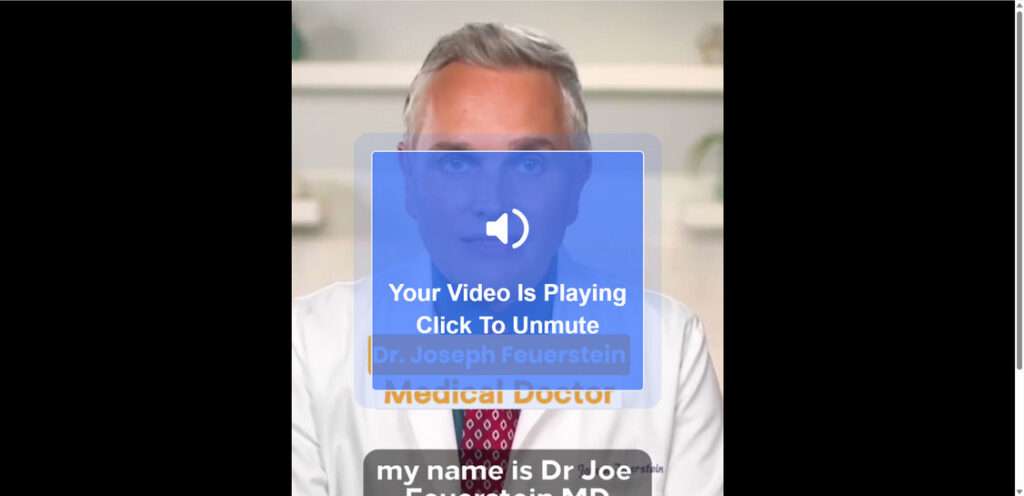
Scam Overview: What Makes the Pink Salt Burn Protocol So Convincing
The Pink Salt Burn Protocol isn’t just one product — it’s part of a larger scam ecosystem. The same marketers run dozens of similar schemes, often rebranding once their reputation is damaged.
The Core Claims
- A “simple pink salt and ice hack” melts fat overnight.
- Works better than prescription drugs like Ozempic and Mounjaro.
- Has “zero side effects” and is “backed by science.”
- Requires no dieting, calorie tracking, or exercise.
None of these claims have any scientific basis.
The Scam Websites
The most common domains include:
- wentviral2025.online (promotional page)
- checkout-ds24.com (checkout portal)
Both pages display classic scam hallmarks:
- Generic branding (“Health and Wellness”) with no medical credibility.
- Urgency tricks like “UPDATED 9 HR AGO” to simulate freshness.
- Fake endorsements from Healthline, ScienceDirect, and other reputable sources (none of which actually endorse the product).
The Long Video Funnel
The centerpiece of the scam is a drawn-out video presentation:
- Starts with dramatic testimonials.
- Teases a “fat-burning breakthrough.”
- Uses background music and scripted emotional stories.
- Delays revealing the “secret” until the viewer is invested.
By the end, the only “solution” presented is buying the Pink Salt Burn Protocol for around $47 per bottle.
Fake Social Proof
The pages are filled with:
- Fake comments that appear positive and enthusiastic.
- Fabricated testimonials with stock photos or AI-generated faces.
- Claims that “27,000+ women” have used the protocol.
None of these are verifiable.
False Guarantees
The site promises:
- “100% satisfaction guaranteed or your money back.”
- “SSL secured checkout.”
- “FDA approved formula.”
But in practice, refunds are nearly impossible to obtain, and the product itself has no FDA approval.
How the Pink Salt Burn Protocol Scam Works
Step 1: The Hook — Viral Ads
The scam begins with social media ads. Common hooks include:
- “New celebrity secret revealed.”
- “This pink salt hack burns fat faster than Ozempic.”
- “Doctors are stunned by this bedtime trick.”
These ads often use stolen images or fabricated celebrity endorsements.
Step 2: The Fake Health Website
Clicking the ad leads to a site like wentviral2025.online. This page mimics a health news outlet, with generic headers like “Health and Wellness.” It uses:
- Fake author names (e.g., “Elizabeth Harper”) with no medical credentials.
- Urgency phrases like “UPDATED 9 HR AGO.”
- Fabricated references to trusted publishers.
Step 3: The Long Video Presentation
Visitors are funneled into a video that:
- Shares emotional testimonials of dramatic weight loss.
- Blames Big Pharma for “hiding” natural cures.
- Uses pseudoscience to describe the supposed mechanism.
- Teases the secret without ever fully revealing it.
The goal is to keep viewers hooked until they reach the product pitch.
Step 4: The Product Pitch
The “secret” is revealed as the Pink Salt Burn Protocol, a supplement priced at $47. Buyers are promised:
- Immediate fat-burning hormone activation.
- Visible results within days.
- Safer results than medical treatments.
Step 5: Checkout Manipulation
At checkout (checkout-ds24.com), buyers are pressured with:
- Fake security badges (“100% Safe,” “Virus Scan Guaranteed”).
- Payment options like Visa, PayPal, and Klarna.
- Scarcity tactics (“Only 5 bottles left in stock”).
Step 6: The Upsell Trap
After purchasing, many victims report:
- Hidden upsells for additional products.
- Auto-enrollment into monthly subscriptions.
- Recurring charges without consent.
Step 7: The Aftermath
Victims are left with:
- A worthless or nonexistent product.
- Customer service that ignores refund requests.
- Potential exposure of personal and financial data.
What to Do if You’ve Fallen Victim
- Stop Future Charges
- Contact your bank or card provider immediately.
- Request a chargeback for fraudulent charges.
- Block recurring billing from the merchant.
- Document Everything
- Save receipts, screenshots, and confirmation emails.
- These are useful for disputes and fraud reports.
- Report the Scam
- FTC (Federal Trade Commission): reportfraud.ftc.gov
- BBB (Better Business Bureau): bbb.org
- FDA MedWatch: report unapproved dietary supplements.
- Monitor Your Accounts
- Watch for unusual charges.
- Consider placing a fraud alert with your credit bureau.
- Warn Others
- Report scam ads on Facebook, Instagram, and YouTube.
- Share your experience to help protect others.
- Avoid Follow-Up Scams
- Be wary of emails or calls offering refund recovery services.
- These are often secondary scams.
Frequently Asked Questions About the Pink Salt Burn Protocol Scam
What is the Pink Salt Burn Protocol?
The Pink Salt Burn Protocol is a fraudulent weight loss scheme that claims a “pink salt and ice trick” can help people burn fat faster than Ozempic or Mounjaro. It is marketed through long video presentations and misleading websites, such as wentviral2025.online and checkout portals like checkout-ds24.com. In reality, there is no scientific evidence to support these claims, and the entire setup is a scam designed to sell overpriced supplements or guides.
Is the Pink Salt Burn Protocol a legitimate weight loss method?
No, the Pink Salt Burn Protocol is not legitimate. There is no clinical research or medical approval for this method. Pink Himalayan salt, while commonly used in cooking, has no proven ability to melt fat or act as a substitute for prescription medications. The scam relies on fabricated testimonials, fake endorsements, and manipulative marketing tactics.
How does the Pink Salt Burn Protocol scam work?
The scam follows a step-by-step funnel:
- Viral ads on Facebook, Instagram, or YouTube promise rapid weight loss.
- Clicking the ad leads to a fake health site (e.g., wentviral2025.online).
- A long, emotional video teases a “secret pink salt habit” but never reveals real science.
- At the end, viewers are urged to buy the “Pink Salt Burn Protocol” for about $47.
- Customers are sometimes charged recurring fees or upsold additional fake products.
- Refunds are rarely honored, and victims are left with worthless or nonexistent items.
Are celebrity endorsements of the Pink Salt Burn Protocol real?
No. The scam often features fake celebrity endorsements or AI-generated deepfakes to make it look like famous figures back the product. In reality, no celebrities or medical experts have endorsed the Pink Salt Burn Protocol. Any such claims are fabricated to create false credibility.
Is the Pink Salt Burn Protocol FDA approved?
No. The Pink Salt Burn Protocol is not FDA approved. Scammers often misuse logos, seals, or vague claims of “doctor recommended” to trick consumers. The FDA does not evaluate or approve such miracle weight loss products sold online.
What are the red flags of the Pink Salt Burn Protocol scam?
Key warning signs include:
- A long video presentation that never provides real details until the end.
- Urgency tactics like “UPDATED 9 HR AGO” or “Only 5 bottles left.”
- Fake testimonials with stock photos or AI-generated faces.
- Unrealistic promises of fast weight loss without diet or exercise.
- Websites using suspicious domains such as .online or .store.
What happens if you buy the Pink Salt Burn Protocol?
If you purchase the Pink Salt Burn Protocol, you may:
- Receive nothing at all.
- Get a low-quality supplement with no proven benefits.
- Be charged hidden fees or recurring subscription costs.
- Have your personal and financial information exposed to scammers.
How can I get a refund if I purchased the Pink Salt Burn Protocol?
Refunds are difficult because the company behind the scam often ignores requests. However, you can try:
- Contacting your bank or credit card provider to request a chargeback.
- Reporting the charge as fraudulent if the seller is unresponsive.
- Documenting all communications and payment records to strengthen your case.
How can I report the Pink Salt Burn Protocol scam?
You can report the scam to protect yourself and others:
- FTC (Federal Trade Commission): reportfraud.ftc.gov
- Better Business Bureau (BBB): bbb.org
- FDA MedWatch: for unregulated supplements.
- Social Media Platforms: report scam ads directly on Facebook, Instagram, or YouTube.
Can pink salt really help with weight loss?
No. Pink Himalayan salt is simply a type of salt with trace minerals. While it can be part of a balanced diet, it has no fat-burning properties. Any claims that pink salt, ice tricks, or “salt habits” can melt fat are scientifically baseless.
How can I avoid scams like the Pink Salt Burn Protocol?
To protect yourself from similar scams:
- Be skeptical of any product promising instant weight loss.
- Check whether the website lists real contact information and a physical business address.
- Search for independent reviews on trusted platforms.
- Consult your doctor before trying any supplement marketed as a “miracle cure.”
The Bottom Line
The Pink Salt Burn Protocol is not a scientific breakthrough. It is a classic online scam, designed to manipulate emotions, fabricate credibility, and extract money through false promises.
There is no pink salt trick that burns fat faster than Ozempic or Mounjaro. Real weight loss comes from evidence-based methods — not miracle supplements marketed on shady websites.
If you see ads promising overnight weight loss with pink salt or ice tricks, take it as a red flag. Stay skeptical, stay informed, and protect your wallet and health from deceptive marketing schemes like the Pink Salt Burn Protocol.









You mean it will not helpwith neuropathy??????
Hi Phil, no, I would not rely on a “pink salt” protocol for neuropathy. Neuropathy can have serious causes, including diabetes, nerve damage, vitamin issues, or medication effects, so it is best handled with a licensed medical professional.