


The SnoreSnoozer Pro pitch starts with a problem that is hard to ignore. Someone keeps getting nudged awake, and nobody feels rested the next morning.
Then the ad shows a small silicone mouthpiece. The idea is simple enough to understand before you’re fully awake, but the promises deserve a closer read.
Overview
The mouthpiece uses suction, not air pressure
SnoreSnoozer Pro is sold as a tongue retainer. Its soft bulb uses suction to hold the tip of the tongue forward instead of pushing the jaw forward.
In a hands-on video, the reviewer showed the bulb and described being unable to sleep comfortably with something in his mouth. He did not measure his breathing.
That is a useful fit observation. It neither rules out the whole category nor supports the claim that this particular device keeps someone’s airway open all night.
The product page and its FAQ promise different things
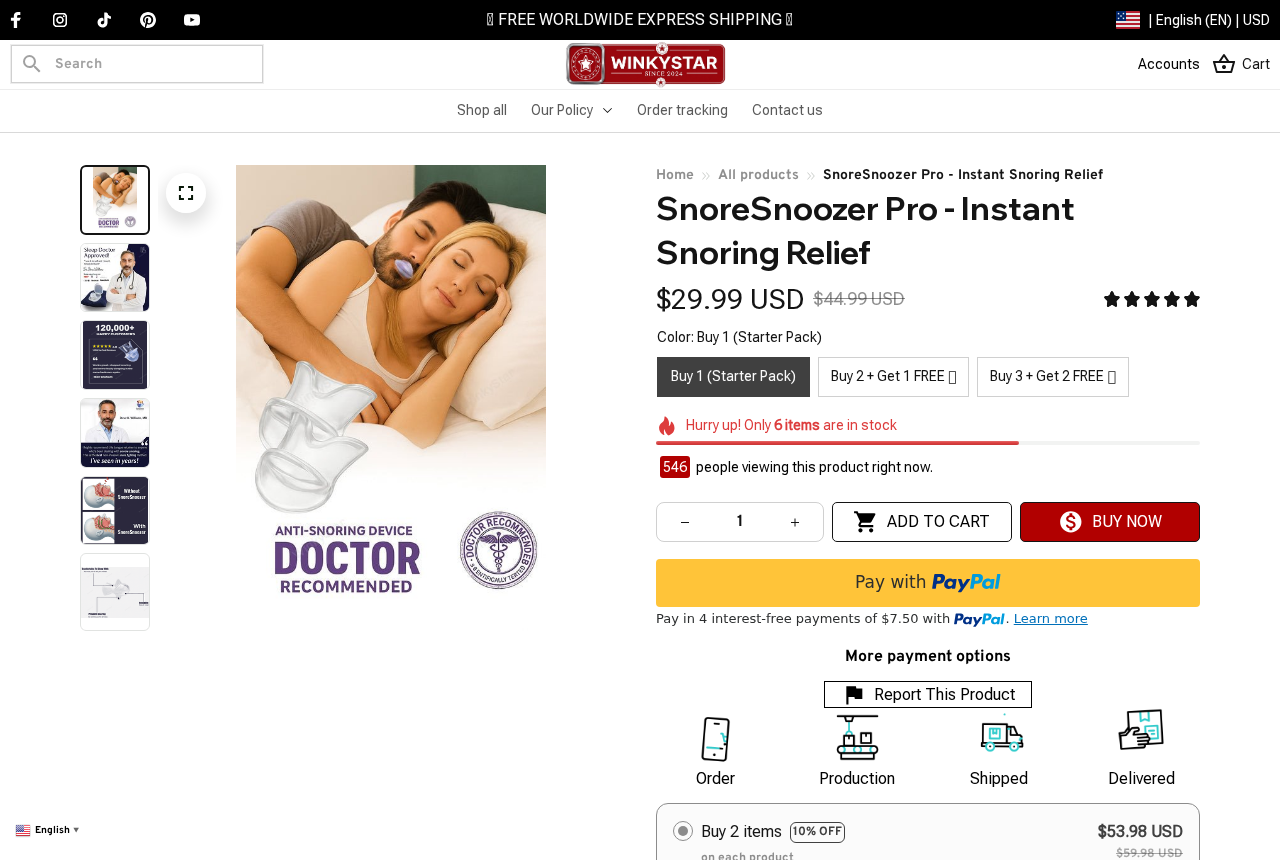
The WinkyStar offer describes uninterrupted airflow, fewer brief awakenings and less grogginess. It compares the compact device with CPAP equipment and puts a doctor recommendation badge beside the product.
The same page’s FAQ limits it to possible snoring relief for some people. It says the product is not intended to diagnose or treat sleep apnea.
Put those two passages side by side. A comparison that makes the mouthpiece look like a substitute for a machine cannot guide decisions about treating apnea.
A separate site using the same product name explicitly markets a tongue retainer for mild to moderate apnea. That is not WinkyStar’s stated intended use.
These pages are different offers, not two parts of one order. Their different claims make it especially important to know which site is selling to you.
Snoring relief and treating apnea are different tests
There are legitimate oral devices for some people with sleep apnea. That fact cannot establish that a retail mouthpiece with a similar shape has the same benefits.
A quieter room can be welcome without telling you how often breathing was interrupted. The immediate question is whether you’re shopping for less noise or trying to treat a condition.
- A product demo can show the shape, fit and basic mechanism of a tongue retainer.
- A shopper’s story cannot tell you how often someone stopped breathing during sleep.
- A clinical study belongs to the device and conditions it actually tested.
How the SnoreSnoozer Pro Pitch Turns Into an Order
Step 1: Put a familiar story next to a medical-looking badge
WinkyStar’s main image pairs sleeping people with a doctor recommendation graphic. That presentation makes the product look reassuring before the buyer reaches the detailed claims.
A badge is not a clinical result. The evidence you want is a named study on the exact device, with reasons for using it, measured outcomes and limitations.
A plastic model or a diagram shows how a bulb might hold a tongue forward. It cannot demonstrate that the device treats someone’s breathing throughout sleep.
Step 2: Read the CPAP comparison alongside the disclaimer
The pitch highlights that there are no hoses and no machine. That is true of a simple bulb and also explains why it does not deliver positive airway pressure.
Someone already struggling with a mask may find the comparison particularly tempting. Take the device name and ad to the clinician managing your treatment before changing anything.
The product’s own FAQ says to talk to a doctor if you suspect apnea. That is the part of the listing to follow, not an implication in the comparison.
Step 3: Check which quantity the offer is asking you to pay for
The U.S. view of the WinkyStar listing showed $29.99 for the starter pack. It presented two other package choices involving free units with a multiple-item purchase.
A second quantity promotion was visible lower down. Compare the actual item count and subtotal in the final order summary rather than assuming a bold label describes your selection.
The same page mentions replacement after about six months. A replacement recommendation is not itself a subscription, and the captured page did not establish an automatic renewal.
Do not add extra pieces just to try a product you may not tolerate. If medical suitability is the open question, more copies do not solve it.
Step 4: Find the order and return clocks before paying
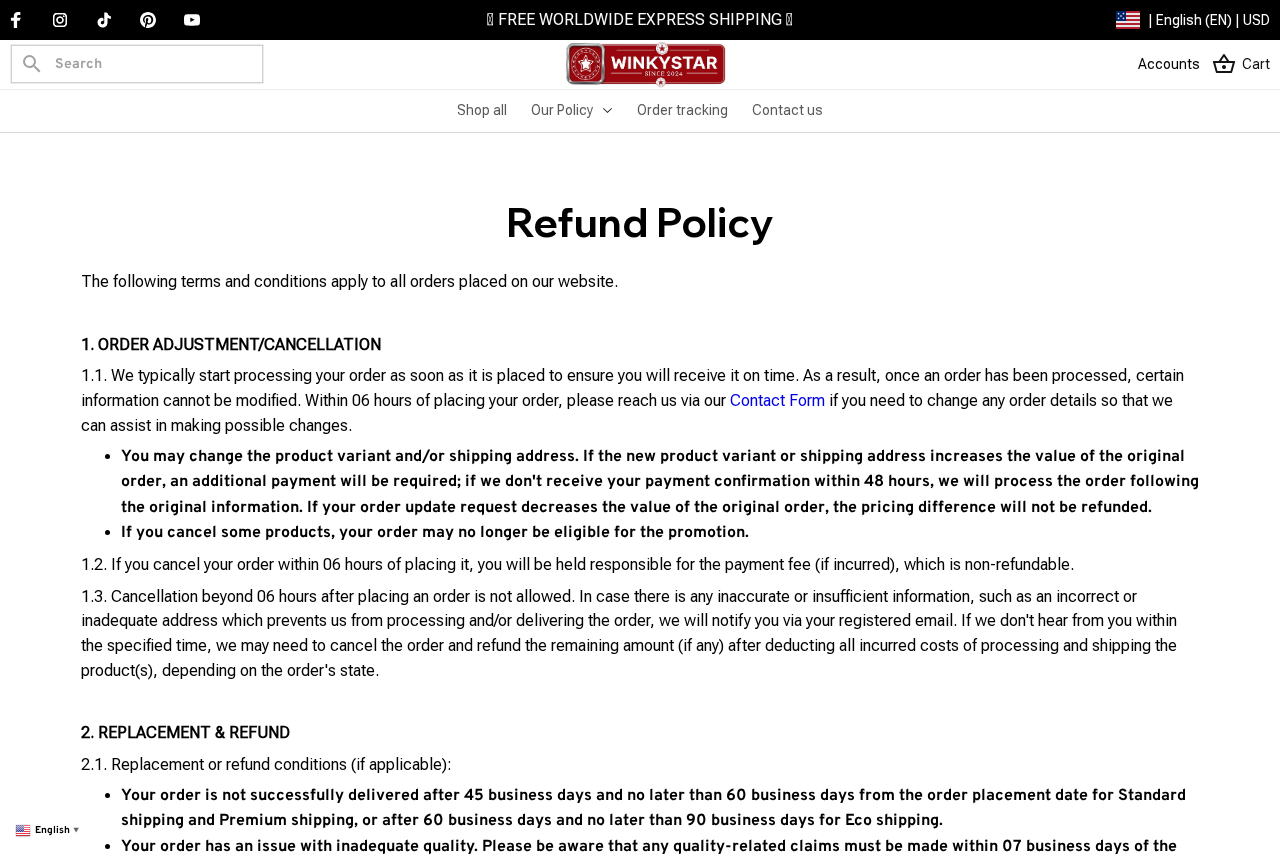
The WinkyStar refund policy states a six-hour cancellation window and says an incurred payment fee is not refundable. It also sets separate deadlines for package and quality problems.
The return page directs buyers to its contact form within seven business days of delivery. It says any replacement or refund depends on whether the shop considers it appropriate.
The product page encourages buyers with doubts to contact the shop before use. Do not treat that wording as permission to try the mouthpiece overnight and then return it.
Who Sells It and What Happens If You Ask for a Refund
Keep the shop name attached to the policy you read
The offer examined here was on WinkyStar. Another branded landing page may use similar pictures without accepting claims on an order placed with WinkyStar.
Use the sender on the receipt, the merchant name on the charge and the exact product URL to sort them out. Keep all three if the order has a problem.
A seller’s general contact is not a return destination
WinkyStar says you ordinarily do not need to send the item back. It says it will not cover costs or loss caused by an unsolicited return.
That makes the contact form the first step, not a mailing address you pieced together from another storefront. Get any shipping instruction in writing before sending the package.
Send the relevant evidence promptly
The refund page asks for documents including an unboxing video and photos of the item or original label. It handles a damaged parcel separately from an incorrect order.
A guest checkout or a familiar payment logo does not tell you how quickly support will reply. Keep a copy of your submission with the date it was sent.
The refund page also gives different reporting periods for deliveries that never arrive, depending on the shipping option. Check your payment provider’s time limit before waiting that long.
The silicone claim does not identify a tested medical product
WinkyStar calls the material medical-grade silicone. That wording does not supply the maker’s details, a test of overnight use or a clinical outcome for this model.
If you bought one, keep the packaging and instructions. A clinician or dentist can look at the actual device rather than trying to identify it from a similar photo.
What Studies of Tongue Retainers Can Actually Tell You
One study tested suction against a control
A crossover study compared a noncustomized tongue retainer that used suction with a control that did not. Researchers counted breathing disturbances and also recorded what participants and their partners reported.
The suction device reduced breathing disturbances more than the control. It also reduced snoring in that study, but the researchers called for work in larger groups.
That finding keeps the mechanism from being dismissed out of hand. It does not identify the WinkyStar mouthpiece as the one tested or establish the same results.
Fit and whether people can stay with treatment matter
Another controlled study compared a tongue-stabilizing device with a jaw-advancing splint. Participants generally preferred the jaw device, despite improvements reported with both for some outcomes.
A device does not help during the part of the night it isn’t being worn. The reviewer’s discomfort is one practical reason not to extrapolate from a product photo.
Do not assume the clips and shapes used across products are interchangeable. A fitter can consider how a specific appliance sits and track side effects over time.
Clinicians follow up to check that treatment works
The sleep medicine and dental sleep guideline favors a custom, adjustable appliance over a noncustom device when an oral appliance is prescribed for obstructive sleep apnea.
It also recommends follow-up sleep testing to check effectiveness. That is different from deciding whether a partner heard less snoring on the first night.
The National Heart, Lung, and Blood Institute lists breathing pauses, gasping and daytime sleepiness among symptoms worth discussing with a healthcare provider.
Tell the clinician what you or your partner noticed and whether it happens regularly. You do not need to buy a mouthpiece first to ask about a sleep evaluation.
Before You Spend Money on a Snoring Aid
Write down what you can actually observe
Someone sleeping beside you can describe the noise, pauses or gasping they hear. They cannot use the sound alone to tell you which part of the airway is involved.
Make a short note of when it happens and how you feel during the day. That gives a clinician something more useful than the product’s guess about your tongue.
If a sleep study has already been done, take its results to the conversation about alternatives. Your past diagnosis matters more than the severity a website suggests you have.
Ask what changes are worth checking with your clinician
If your mask is the problem, say how it bothers you. A provider can discuss whether the fit, setup or a different treatment needs attention.
The NIH treatment guide describes both jaw-advancing and tongue-retaining devices. It frames oral devices as options to discuss with a provider, not equivalents selected by an online quiz.
Bring up any trips you have planned. A device may seem easier to pack, but ask for a treatment plan you can use safely while traveling.
When a device is recommended, ask what follow-up is planned. You should know whom to contact about fit or soreness and how the clinician will judge whether it helps.
Read the return window as a shopping rule, not a trial period
WinkyStar measures its quality-claim deadline against the tracking date for the parcel. If the tracking record and receipt disagree, save both and contact the shop immediately.
For a missing parcel, the written policy uses different reporting windows for standard, premium and economy shipping. Those windows are not a promise that your bank waits as long.
A product page can call the purchase low-risk while requiring unusually prompt action. If a merchant cannot confirm your rights before you buy, do not count on a home trial.
Save a clean copy of the return rules with your order details. You should not have to reconstruct which policy you saw after a shop edits its page.
If the pack has already been delivered, keep the unopened item separate while you decide what to do. Opening it is not necessary to show an incorrect order quantity.
Do not send a medical history to a retailer just to ask about a refund. The order, condition and applicable terms are the details the seller needs.
What to Do If You Ordered SnoreSnoozer Pro
-
Keep your confirmation and compare the quantity, price and merchant with what you intended to order. Save the product page and the instructions that apply to that purchase.
-
Use WinkyStar’s contact form promptly if you want to cancel that order. Save the time of the request, especially if you are still within the stated six hours.
-
If it arrives damaged or different from the order, keep the box and label and document the problem. Notify the merchant before the quality-claim window closes.
-
Ask about eligibility before opening a sealed item if you have not decided to keep it. Do not post it back without instructions and expect automatic reimbursement.
-
If the seller does not resolve an incorrect charge or a documented delivery problem, check the process with your payment provider. Keep every submission and merchant reply.
-
If you’ve been prescribed apnea treatment, do not replace it with this device on your own. Talk to your sleep clinician about any difficulty with your current treatment.
Frequently Asked Questions
Is SnoreSnoozer Pro the same as a night guard?
No, the pictured design holds the tongue with suction. A guard for grinding and a dental appliance that advances the jaw do different jobs.
Can it replace a CPAP machine when traveling?
Do not switch on the basis of a product page. Ask your clinician about a travel plan and which alternatives are appropriate for your diagnosis.
Does the doctor badge prove this model works?
The badge is promotional material, not product-specific clinical evidence. Look for a publication that identifies the model and reports what happened to breathing during sleep.
Does less snoring mean apnea is gone?
Less noise is not a reliable way to rule out apnea. Ask your clinician what measurements are needed to tell whether your breathing improved.
How much did the starter pack cost?
The WinkyStar U.S. capture showed $29.99 before any later checkout changes. A different site or bundle may show another price and have different terms.
Does WinkyStar offer an unrestricted home trial?
The written policy gives deadlines and specifies grounds for claims. It does not promise that everyone who tries the product can send it back for a full refund.
The Bottom Line
Do not buy SnoreSnoozer Pro to manage sleep apnea or replace CPAP. The sales pitch is broader than the evidence for this particular mouthpiece.
If snoring comes with breathing pauses or daytime sleepiness, ask a healthcare provider about evaluation. If you already purchased it and want out, contact your actual seller promptly.

Join the discussion
0 commentsShare your experience or ask a question about this article.
Community experiences
Did this happen to you?
Your experience could help someone recognize the same scam. Submit a private report for our team to review.
I experienced this tooReports are reviewed before publication. Sharing publicly is always your choice.
Discussion
Start the conversation
Have a question or something useful to share? Add the first comment.